Sheridan Palmer – författare
Visar alla böcker från författaren Sheridan Palmer. Handla med fri frakt och snabb leverans.
3 produkter
3 produkter
Häftad, Engelska, 2022
433 kr
Skickas inom 5-8 vardagar
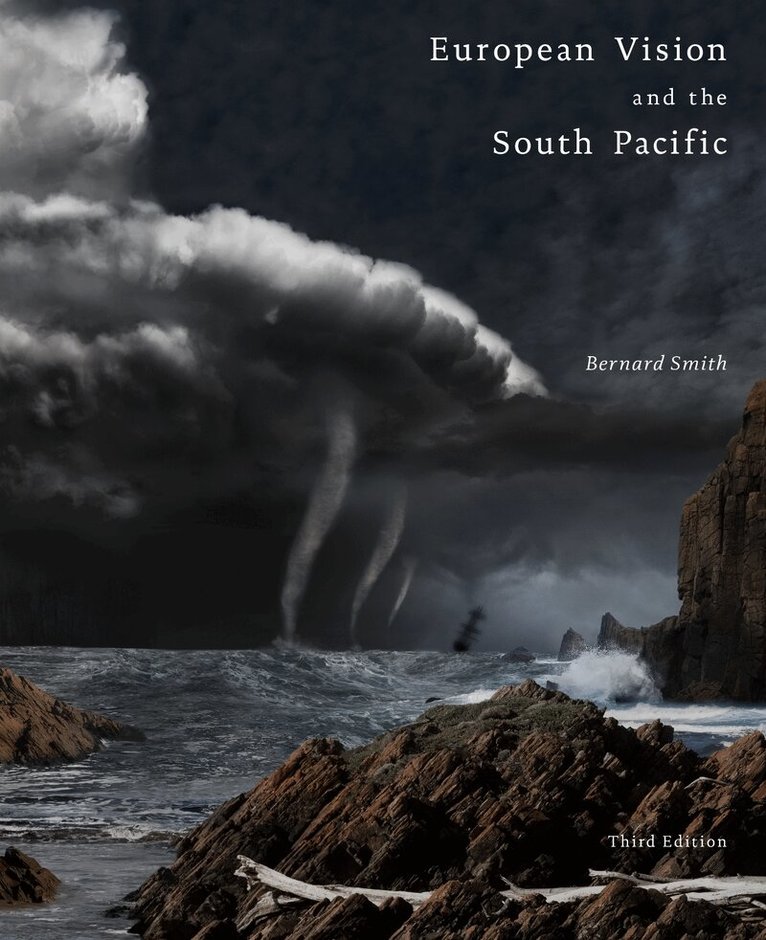
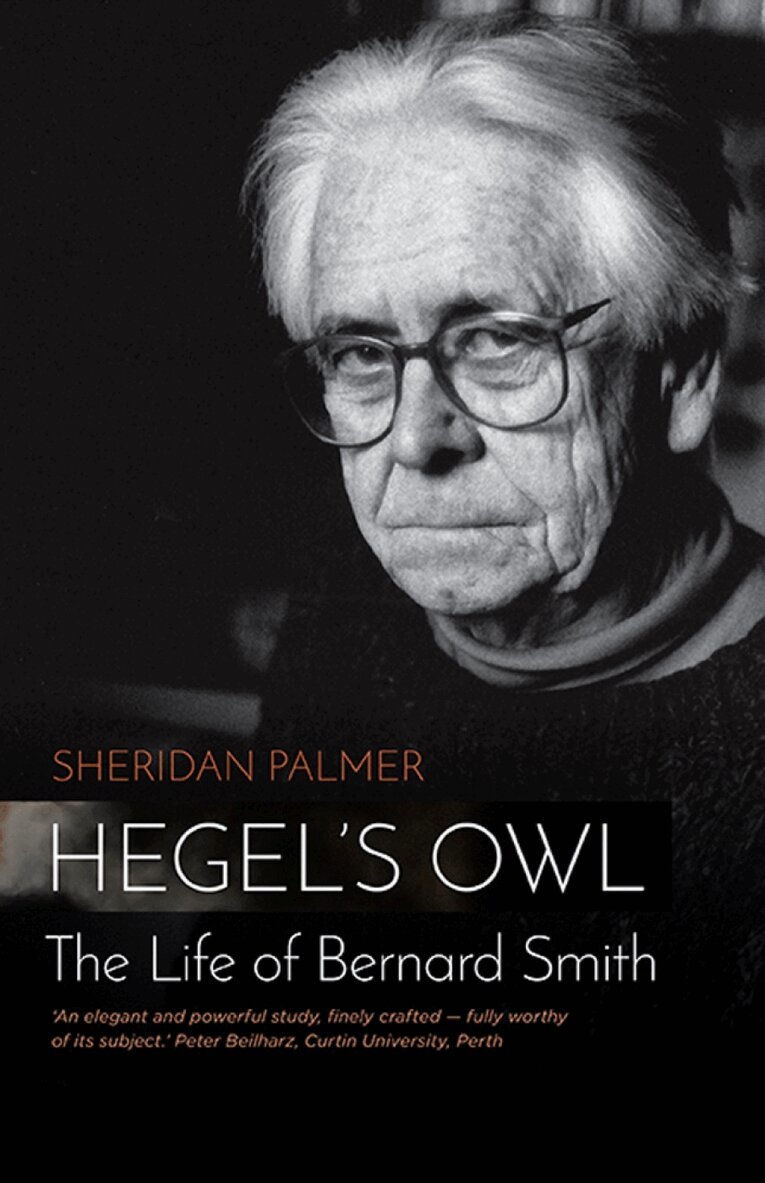
Bernard Smith (1916-2011) was arguably Australia's greatest art historian and one of the most important humanist thinkers internationally on ideas concerning cultural contact. His European Vision and the South Pacific, first published in 1960, showed how the ideas of the Enlightenment and the empirical structuring of scientific and geographical knowledge during the great eighteenth-century voyages of discovery affected notions of identity-both for Europeans and the Indigenous peoples with whom they came in contact. Not only did Smith's investigation of art, science and imperialism of this period explore the conditions of frontier contact, it opened up the dialogue on de-colonisation and allowed us 'to think beyond or after it'. He was undoubtedly a pioneer of post-colonialism and the book remains 'a lighthouse' in pacific studies.The republication of European Vision and the South Pacific is an essential part of the discourse reframing the interconnections and crossing of cultural boundaries between Europe and antipodean societies. This new edition of a significant Australian classic also coincides with the 250th anniversary of Cook's landing on the east coast of Australia, and complements new scholarship on territorialisation, colonialism and the politics of exchange between metropolitan centres and peripheries. A new introduction by Sheridan Palmer situates the book in a contemporary context.
Häftad, Engelska, 2016
218 kr
Skickas inom 5-8 vardagar
Inbunden, Engelska, 2026
2 292 kr
Kommande
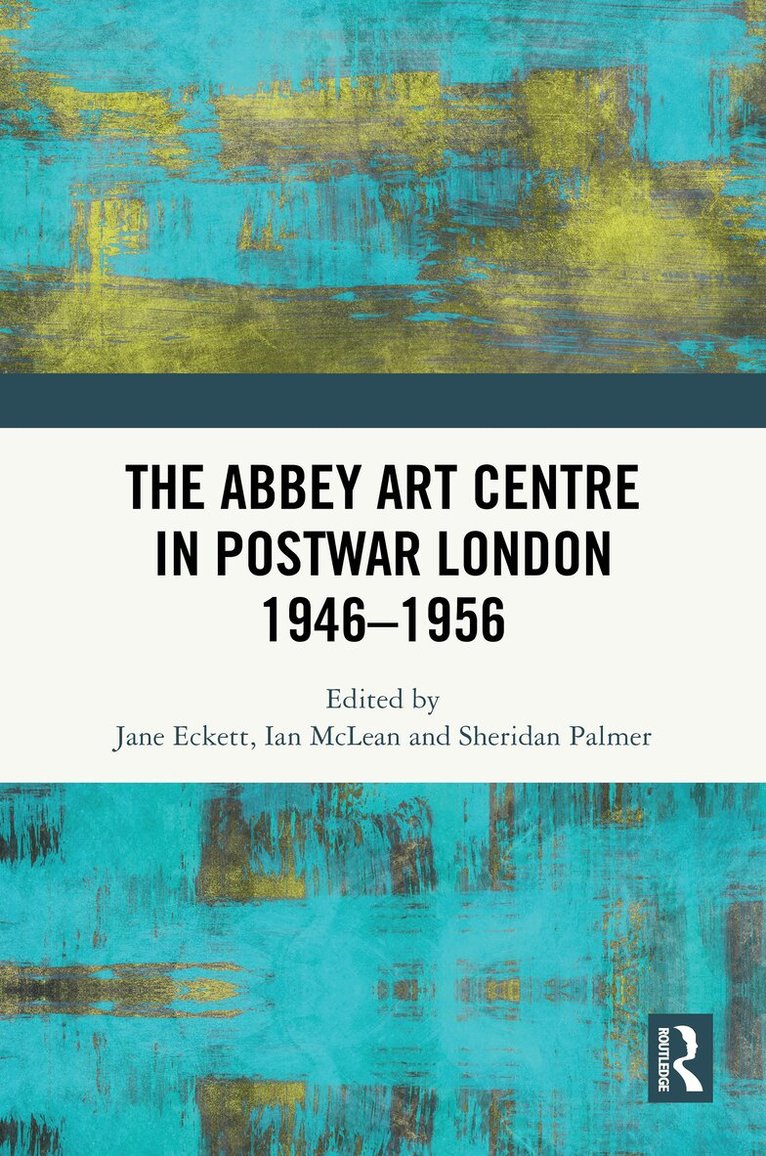
William Ohly’s Abbey Art Centre has long been sidelined in Australian art history and all but invisible in British accounts due to the dominance of national art histories. Yet over twenty Australian artists lived and worked there during the centre’s first decade of operations, including Robert Klippel, James Gleeson and the art historian Bernard Smith, alongside such avant-garde British figures as Alan Davie and Peter King and Europeans such as filmmakers Lotte Reiniger and Carl Koch, painter-soon-to-turn-animator Peter Foldes and sculptor Inge King.A hotbed of experimental painting, sculpture, filmmaking, ceramics and jewellery-making, the Abbey offered artists a utopian blend of affordable accommodation, collegial exchange, and inspiration in the form of Ohly’s collection of non-western art from Africa, Asia, the Pacific and meso-America, which he also dealt in at the Berkeley Galleries. Attentive to the circumstances in which art is made, this book frames the Abbey through lenses that reconceive both Australian and British postwar art history.Extensive new archival material enables this microhistory that comes with big ideas: unsettling the prevailing story of Australian and British postwar art and radically revising art historiography to account for the role of migrant diasporas from former British colonies, displaced peoples and other marginalised groups. With the decline of those powerful narratives of modernism and nationalism, this book will interest art historians, curators and students interested in transnational sites that invest in the new art histories. The book accompanies an online database that expands on the biographic and archival documentation: The Abbey Art Centre Digital Repository, https://omeka.cloud.unimelb.edu.au/abbey-art-centre/