Shubin Liu – författare
2 972 kr
Skickas inom 11-20 vardagar
1 622 kr
Skickas
1 553 kr
Kommande
3 802 kr
Läs direkt efter köp
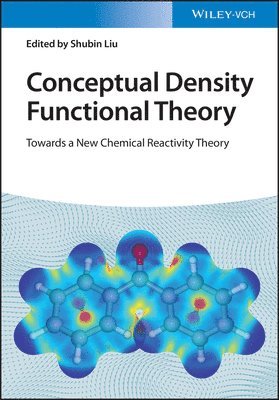
A unique resource that combines experimental and theoretical qualitative computing methods for a new foundation of chemical reactivity
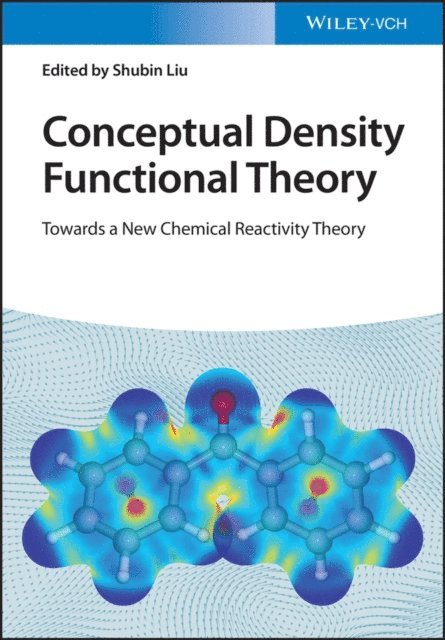
This two-volume reference book shows how conceptual density functional theory can reconcile empirical observations within silico calculations using density functional theory, molecular orbital theory, and valence bond theory. The ability to predict properties like electronegativity, acidity/basicity, strong covalent and weak intermolecular interactions as well as chemical reactivity makes DFT directly applicable to almost all problems in applied chemistry, from synthetic chemistry to catalyst design and materials characterization.
Edited by one of the most recognized experts in the field and contributed to by a panel of international experts, the work addresses topics such as:
Qualitative methods that are capable of rationalizing chemical concepts derived from theory and computation Fundamental concepts like the computation of chemical bonding, weak interactions, and reactivity Computational approaches for chemical concepts in excited states, extended systems, and time-dependent processesTheoretical chemists and physicists, as well as those applying theoretical calculations to empirical problems, will be able to use this book to gain unique insight into how theory intersects with experimental data in the field of qualitative computation.
3 835 kr
Läs direkt efter köp
A unique resource that combines experimental and theoretical qualitative computing methods for a new foundation of chemical reactivity
This two-volume reference book shows how conceptual density functional theory can reconcile empirical observations within silico calculations using density functional theory, molecular orbital theory, and valence bond theory. The ability to predict properties like electronegativity, acidity/basicity, strong covalent and weak intermolecular interactions as well as chemical reactivity makes DFT directly applicable to almost all problems in applied chemistry, from synthetic chemistry to catalyst design and materials characterization.
Edited by one of the most recognized experts in the field and contributed to by a panel of international experts, the work addresses topics such as:
Qualitative methods that are capable of rationalizing chemical concepts derived from theory and computation Fundamental concepts like the computation of chemical bonding, weak interactions, and reactivity Computational approaches for chemical concepts in excited states, extended systems, and time-dependent processesTheoretical chemists and physicists, as well as those applying theoretical calculations to empirical problems, will be able to use this book to gain unique insight into how theory intersects with experimental data in the field of qualitative computation.
2 153 kr
Läs direkt efter köp
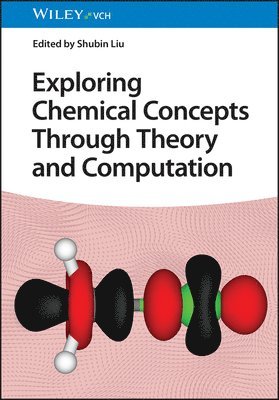
Deep, theoretical resource on the essence of chemistry, explaining a variety of important concepts including redox states and bond types
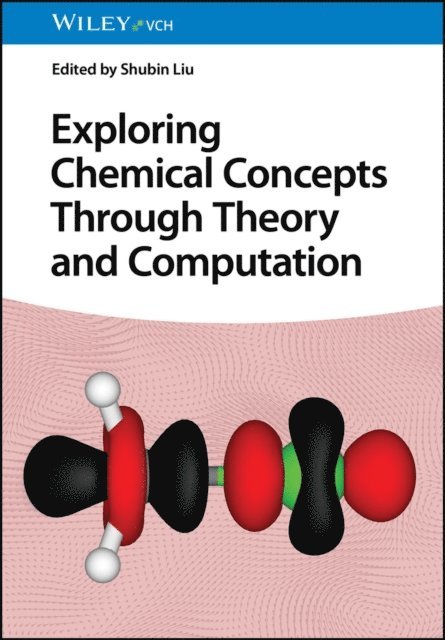
Exploring Chemical Concepts Through Theory and Computation provides a comprehensive account of how the three widely used theoretical frameworks of valence bond theory, molecular orbital theory, and density functional theory, along with a variety of important chemical concepts, can between them describe and efficiently and reliably predict key chemical parameters and phenomena. By comparing the three main theoretical frameworks, readers will become competent in choosing the right modeling approach for their task.
The authors go beyond a simple comparison of existing algorithms to show how data-driven theories can explain why chemical compounds behave the way they do, thus promoting a deeper understanding of the essence of chemistry. The text is contributed to by top theoretical and computational chemists who have turned computational chemistry into today’s data-driven and application-oriented science.
Exploring Chemical Concepts Through Theory and Computation discusses topics including:
Orbital-based approaches, density-based approaches, chemical bonding, partial charges, atoms in molecules, oxidation states, aromaticity and antiaromaticity, and acidity and basicityElectronegativity, hardness, softness, HSAB, sigma-hole interactions, charge transport and energy transfer, and homogeneous and heterogeneous catalysisElectrophilicity, nucleophilicity, cooperativity, frustration, homochirality, and energy decompositionChemical concepts in solids, excited states, spectroscopy and machine learning, and catalysis and machine learning, as well as key connections between related conceptsAimed at both novice and experienced computational, theoretical, and physical chemists, Exploring Chemical Concepts Through Theory and Computation is an essential reference to gain a deeper, more advanced holistic understanding of the field of chemistry as a whole.
2 153 kr
Läs direkt efter köp
Deep, theoretical resource on the essence of chemistry, explaining a variety of important concepts including redox states and bond types
Exploring Chemical Concepts Through Theory and Computation provides a comprehensive account of how the three widely used theoretical frameworks of valence bond theory, molecular orbital theory, and density functional theory, along with a variety of important chemical concepts, can between them describe and efficiently and reliably predict key chemical parameters and phenomena. By comparing the three main theoretical frameworks, readers will become competent in choosing the right modeling approach for their task.
The authors go beyond a simple comparison of existing algorithms to show how data-driven theories can explain why chemical compounds behave the way they do, thus promoting a deeper understanding of the essence of chemistry. The text is contributed to by top theoretical and computational chemists who have turned computational chemistry into today’s data-driven and application-oriented science.
Exploring Chemical Concepts Through Theory and Computation discusses topics including:
Orbital-based approaches, density-based approaches, chemical bonding, partial charges, atoms in molecules, oxidation states, aromaticity and antiaromaticity, and acidity and basicityElectronegativity, hardness, softness, HSAB, sigma-hole interactions, charge transport and energy transfer, and homogeneous and heterogeneous catalysisElectrophilicity, nucleophilicity, cooperativity, frustration, homochirality, and energy decompositionChemical concepts in solids, excited states, spectroscopy and machine learning, and catalysis and machine learning, as well as key connections between related conceptsAimed at both novice and experienced computational, theoretical, and physical chemists, Exploring Chemical Concepts Through Theory and Computation is an essential reference to gain a deeper, more advanced holistic understanding of the field of chemistry as a whole.
990 kr
Skickas inom 5-8 vardagar