Shushanik Minasyan – författare
Visar alla böcker från författaren Shushanik Minasyan. Handla med fri frakt och snabb leverans.
4 produkter
Ambiguities of Europe’s Eastern Neighbourhood
Perspectives from Germany and Poland
Av Wolfram Hilz, Shushanik Minasyan m. fl.
Häftad, 2020
823 kr
Lägg i varukorg
Based on the diverging interests of Germany and Poland as influential members of the European Union on the Eastern Partnership (EaP), the contributions in the anthology analyse specifics and current problems of the states in EU’s Eastern neighbourhood. By including the interests of Russia and the …
Ambiguities of Europe's Eastern Neighbourhood
Perspectives from Germany and Poland
Av Maciej Ras, Shushanik Minasyan m. fl.
E-bok, 2020
1059 kr
Lägg i varukorg
Based on the diverging interests of Germany and Poland as influential members of the European Union on the Eastern Partnership (EaP), the contributions in the anthology analyse specifics and current problems of the states in EU’s Eastern neighbourhood. By including the interests of Russia and the …
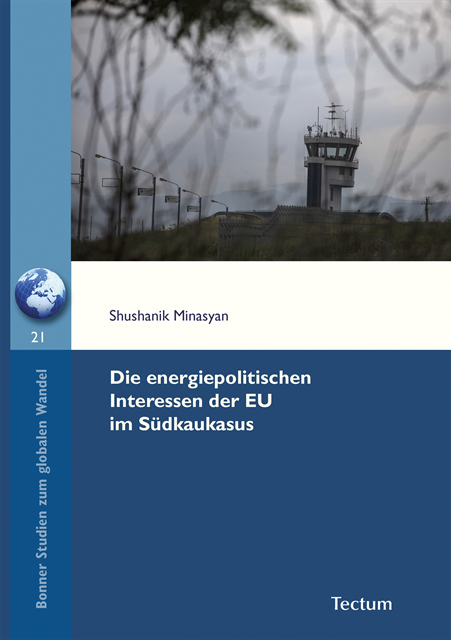
Die energiepolitischen Interessen der EU im Südkaukasus
Av Shushanik Minasyan, Wolfram Hilz
E-bok, 2016
322 kr
Lägg i varukorg
Die Energieversorgung der EU ist gefährdet. Denn Öl und Gas und dessen Transportwege werden immer mehr von Russland, aber auch anderen Staaten politisch instrumentalisiert. Seit Jahren will die EU sich deshalb stärker im Südkaukasus engagieren, bisher aber mit mäßigem Erfolg. Worin liegen die …
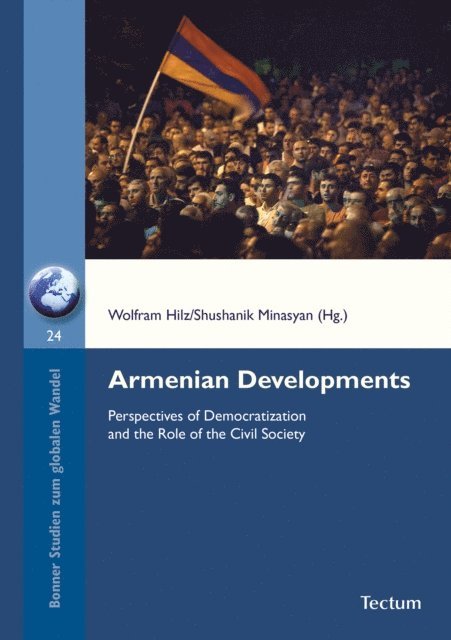
Armenian Developments
Perspectives of Democratization and the Role of the Civil Society
Av Shushanik Minasyan, Wolfram Hilz
E-bok, 2019
230 kr
Lägg i varukorg
The development of societies during and after periods of authoritarian or totalitarian rule is among the most interesting research topics in social sciences. On the one hand, the analysis is directed at why, when and how societies resist tyrannies and what ultimately leads to the downfall of …