Sidney Fine - Böcker
Visar alla böcker från författaren Sidney Fine. Handla med fri frakt och snabb leverans.
4 produkter
4 produkter
488 kr
Skickas inom 7-10 vardagar
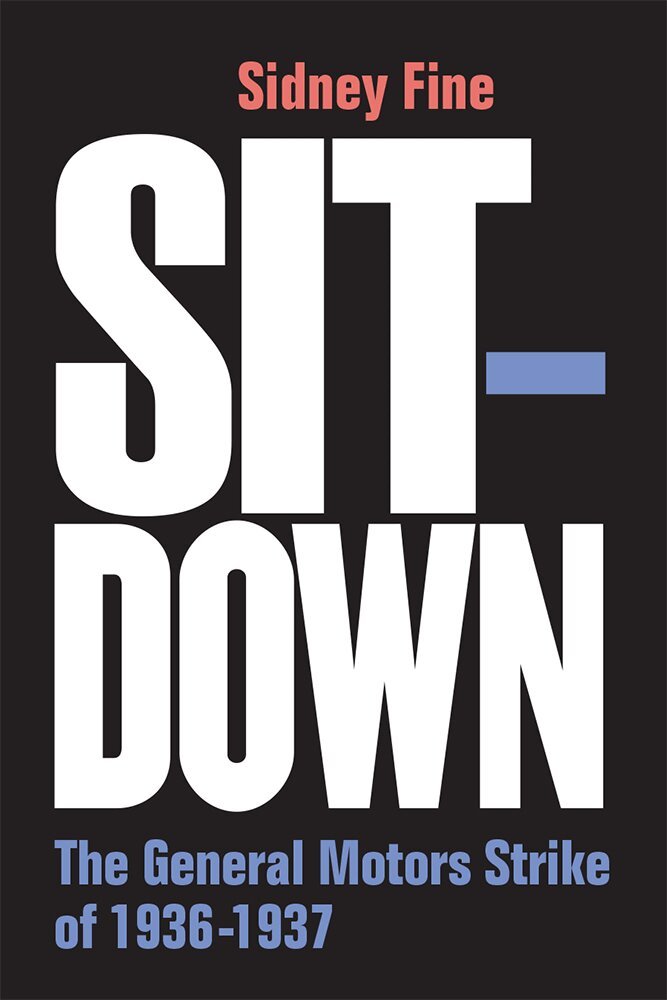
In this classic study, Sidney Fine portrays the dramatic events of the 1936–37 Flint Sit-down Strike against General Motors, which catapulted the UAW into prominence and touched off a wave of sit-down strikes across the United States. Basing his account on an impressive variety of manuscript sources, Fine analyzes the strategy and tactics of GM and the UAW, describes the life of the workers in the occupied plants, and examines the troubled governmental and public reaction to the alleged breakdown of law and order in the strikes. In addition, Fine provides vivid portraits of the major figures on both sides of the conflict: Governor Frank Murphy; Alfred Sloan, Jr.; William Knudsen; Robert Travis; Roy, Victor, and Walter Reuther; Homer Martin; and Wyndham Mortimer. The GM sit-down strike marks the close of one era of labor-management relations in the United States and the beginning of another. A half century after its initial publication, Fine’s work remains the definitive account of that momentous conflict. A new foreword by Kim Moody’s revisits Sit-Down in order to demonstrate its continued relevance to today’s unions, workers, and activists.
1 023 kr
Skickas inom 7-10 vardagar
In the first documented book-length study of this violent confrontation, Sidney Fine portrays the dramatic events of the 1936-37 strike that catapulted the UAW into prominence and touched off a wave of sit-down strikes across the land. Basing his account on an impressive variety of manuscript sources, the author analyzes the strategy and tactics of GM and the UAW, describes the life of the workers in the occupied plants, and examines the troubled governmental and public reaction to the alleged breakdown of law and order in the strikes. In addition, Dr. Fine provides vivid portraits of Governor Frank Murphy and the major figures on both sides of the conflict: Alfred Sloan, Jr., William Knudson, Robert Travis, Roy Victor, and Walter Reuther, Homer Martin, and Wyndham Mortimer. Of particular interest today are the author's concluding remarks regarding the similarities between the sit-down strike movement of the 1930's and the civil rights movement and the college sit-ins of our own era.The GM sit-down strike marks the close of one era of labor-management relations in the United States and the beginning of another. Professor Fine has provided us with the definitive account of that momentous conflict.
986 kr
Skickas inom 7-10 vardagar
The second son of a close-knit Irish-American family, a charismatic politician who championed the underdog yet enjoyed the company of the rich, Frank Murphy was for thirty years an influential figure on the American scene. As Recorder’s Court judge, mayor of Detroit during the Great Depression, governor-general of and high commissioner to the Philippines, governor of Michigan, United States attorney general, and justice of the United States Supreme Court, he played a dramatic role in some of the most significant events of our era. This first volume of what will surely be the definitive account of the life and times of Frank Murphy focuses on the Detroit years, when Murphy brought his courtroom skills to bear on landmark legal battles of the period, forged a New Deal type of coalition that altered the structure of political power in Detroit, and led the city through the darkest days of the Depression. By stressing the interaction between the man and his times, the book presents not only a fully rounded portrait of a fascinating personality but also provides the first detailed coverage of the work of the Detroit Recorder’s Court and an unequaled account of the Depression years in Detroit and the state of Michigan.
Violence in the Model City
The Cavanagh Administration, Race Relations, and the Detroit Riot of 1967
Häftad, Engelska, 2007
578 kr
Skickas inom 7-10 vardagar
On July 23, 1967, the Detroit police raided a blind pig (after-hours drinking establishment), touching off the most destructive urban riot of the 1960s. It took the U.S. Army, the Michigan National Guard, the Michigan State Police, and the Detroit police department—17,000 men—more than a week to restore order. When all was done, the riot had claimed 43 lives (mostly Black) and resulted in nearly 700 injuries. Over 7,000 individuals were arrested, with property damage estimates over $75 million. Yet, Detroit had been lauded nationally as a "model city" in the governance of a large industrial metropolis. On the 40th anniversary of this nation-changing event, we are pleased to reissue Sidney Fine's seminal work—a detailed study of what happened, why, and with what consequences.