Sigalit Ben-Zion – författare
Visar alla böcker från författaren Sigalit Ben-Zion. Handla med fri frakt och snabb leverans.
5 produkter
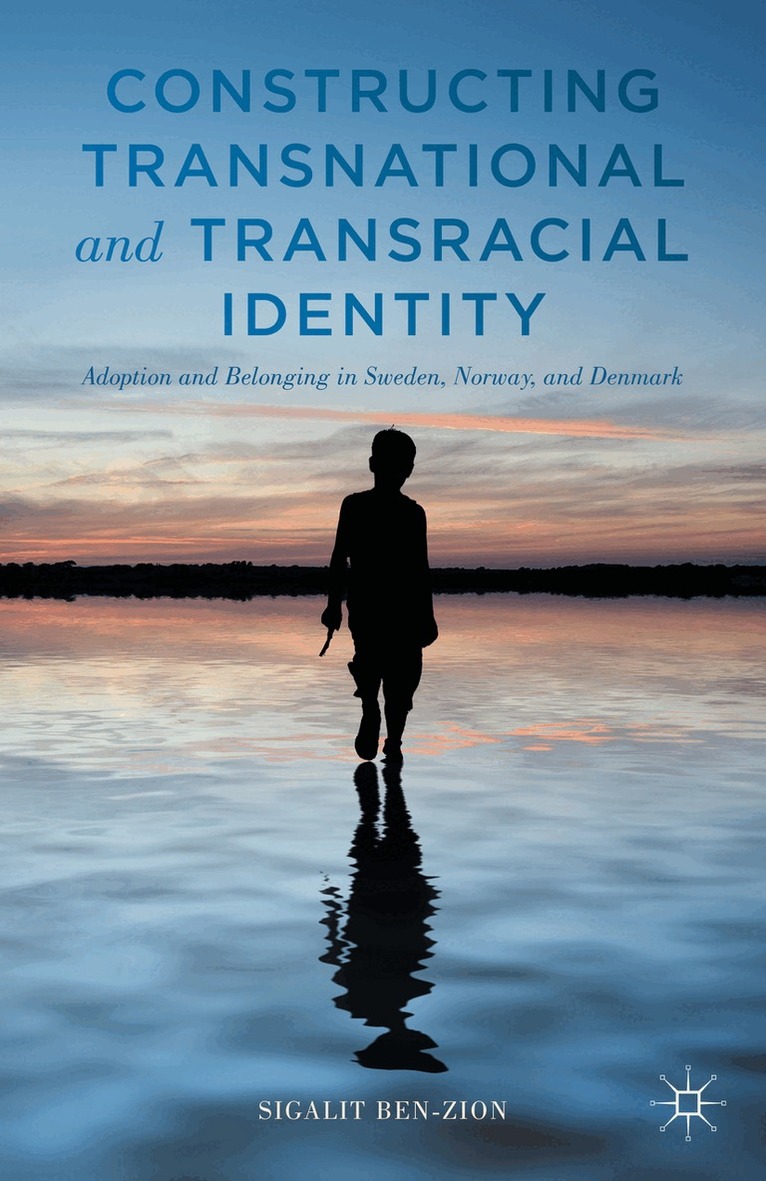
Constructing Transnational and Transracial Identity
Adoption and Belonging in Sweden, Norway, and Denmark
E-bok, 2014
779 kr
Lägg i varukorg
Norway, Sweden, and Denmark are home to more than 90,000 transnational adoptees of Scandinavian parents raised in a predominantly white environment. This ethnography provides a unique perspective on how these transracial adoptees conceptualize and construct their sense of identity along the …
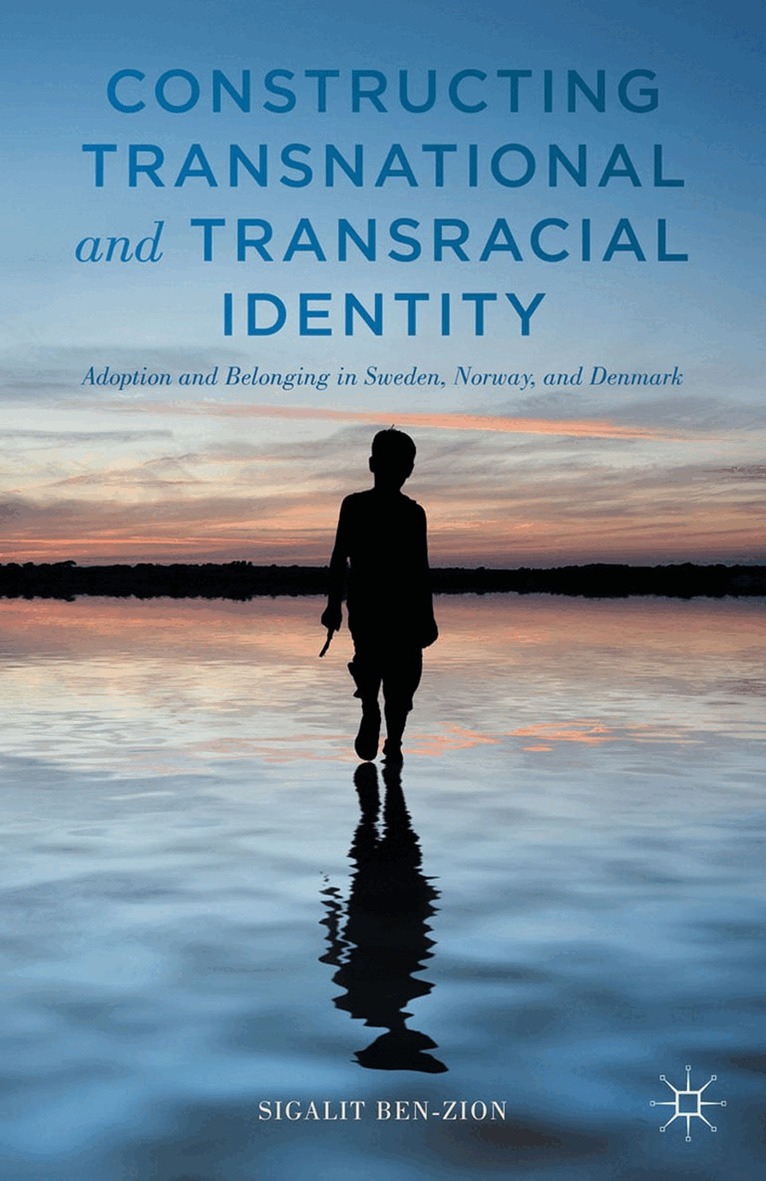
Constructing Transnational and Transracial Identity
Adoption and Belonging in Sweden, Norway, and Denmark
Inbunden, 2014
554 kr
Lägg i varukorg
Norway, Sweden, and Denmark are home to more than 90,000 transnational adoptees of Scandinavian parents raised in a predominantly white environment. This ethnography provides a unique perspective on how these transracial adoptees conceptualize and construct their sense of identity along the …
Constructing Transnational and Transracial Identity
Adoption and Belonging in Sweden, Norway, and Denmark
Häftad, 2015
554 kr
Lägg i varukorg
Norway, Sweden, and Denmark are home to more than 90,000 transnational adoptees of Scandinavian parents raised in a predominantly white environment. This ethnography provides a unique perspective on how these transracial adoptees conceptualize and construct their sense of identity along the …
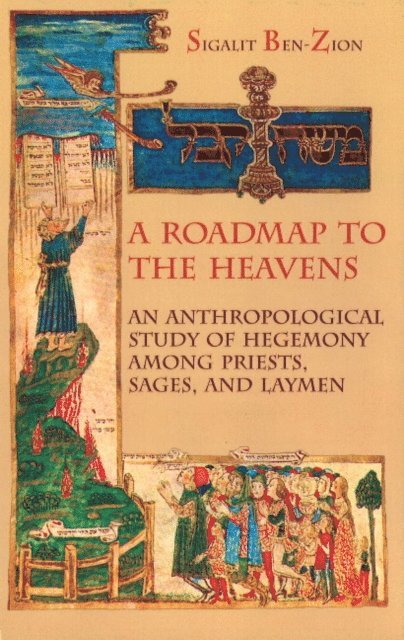
Roadmap to the Heavens
An Anthropological Study of Hegemony among Priests, Sages, and Laymen
E-bok, 2008
2771 kr
Lägg i varukorg
A Roadmap to the Heavens challenges readers to rethink prevailing ideas about the social map of Jewish society during the Tannaitic period (70 C.E. – 220 C.E.). New insights were made possible by applying anthropological theories and conceptual tools. In addition, social phenomena were better …
Roadmap to the Heavens
An Anthropological Study of Hegemony among Priests, Sages, and Laymen
Inbunden, 2008
1286 kr
Lägg i varukorg
A Roadmap to the Heavens challenges readers to rethink prevailing ideas about the social map of Jewish society during the Tannaitic period (70 C.E. – 220 C.E.). New insights were made possible by applying anthropological theories and conceptual tools. In addition, social phenomena were better …