Simon Phipps – författare
Visar alla böcker från författaren Simon Phipps. Handla med fri frakt och snabb leverans.
6 produkter
6 produkter
226 kr
Skickas inom 7-10 vardagar
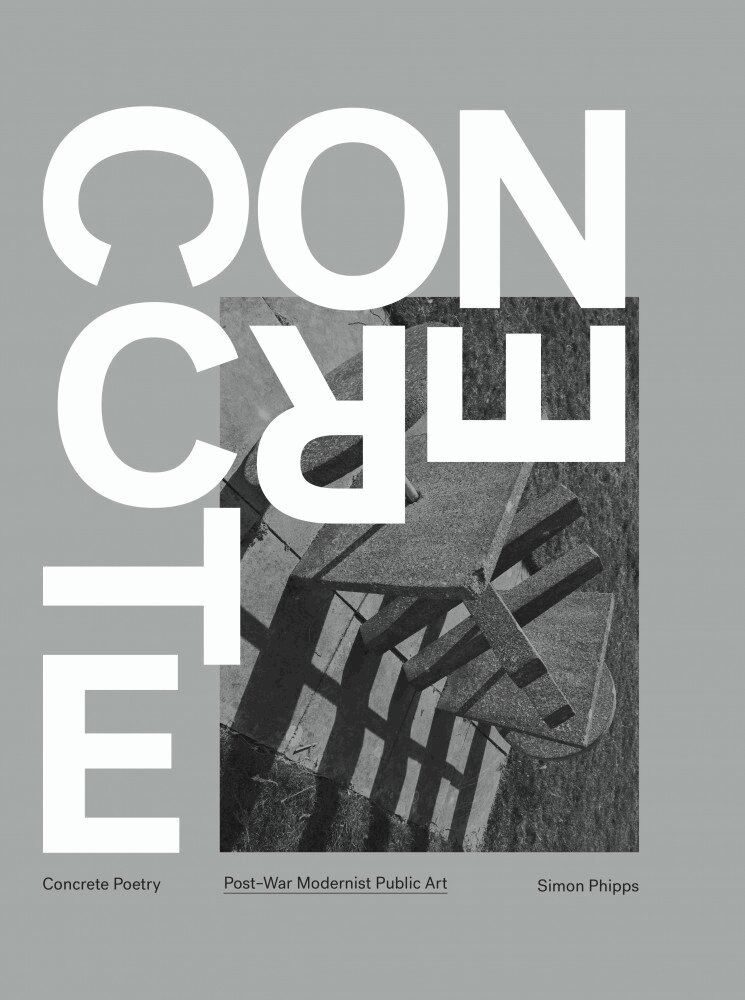
'An essential coffee-table tour' WiredThe end of the Second World War was an era marked by community engagement through post-war progressive civic architecture and art that gave rise to some of the UK's most important pieces of public art: from Richard Serra's Fulcrum in London's Broadgate to Barbara Hepworth's works across the country, to the less well-known Cumisky mural in Skelmersdale and the vivid Schottlander shapes in Warwick. These works of art have become familiar companions; backdrops to British lives.In Concrete Poetry, Simon Phipps photographs, explores and celebrates Britain's post-war public art, placing it in context and considering its future. Complete with incredible photography, an introduction by Phipps, an essay by Darren Umney and detailed captions, this book honours not only the artworks themselves, but the community spirit of the age from which they came.Designed by creative agency Studio Small, Concrete Poetry is a uniquely beautiful book that is as inventive as its subject matter.
278 kr
Skickas inom 7-10 vardagar
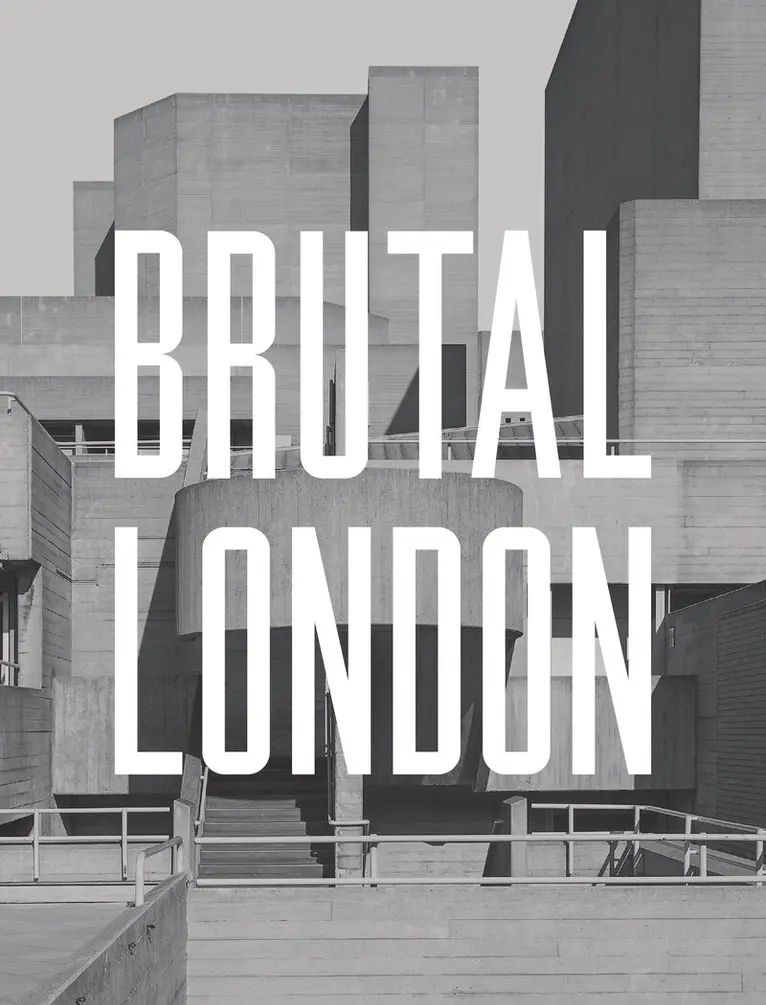
Finalist for the British Book Design and Production AwardsA photographic exploration of the post-war modernist architecture of London. This collection of unique and evocative photography by Simon Phipps casts the city in a new light. Arranged by inner London Borough, Brutal London takes in famous examples such as the Trellick Tower, the Brunswick Centre and the Alexandra Road Estate, as well as lesser known housing and municipal spaces. It serves as an introduction to buildings the reader may see every day, an invitation to look differently, a challenge to look up afresh, or to seek out celebrated Brutalism across the capital.The book's portable size and maps for each borough make it useful and practical; while the design, by leading agency A Practice for Everyday Life, echoes the aesthetic of Brutalist architecture with rough textured edges and fonts inspired by the site maps of modernist estates.'Brutalism is back in vogue... Now we've come to love the iconic, it's time to explore further' Londonist
280 kr
Skickas inom 7-10 vardagar
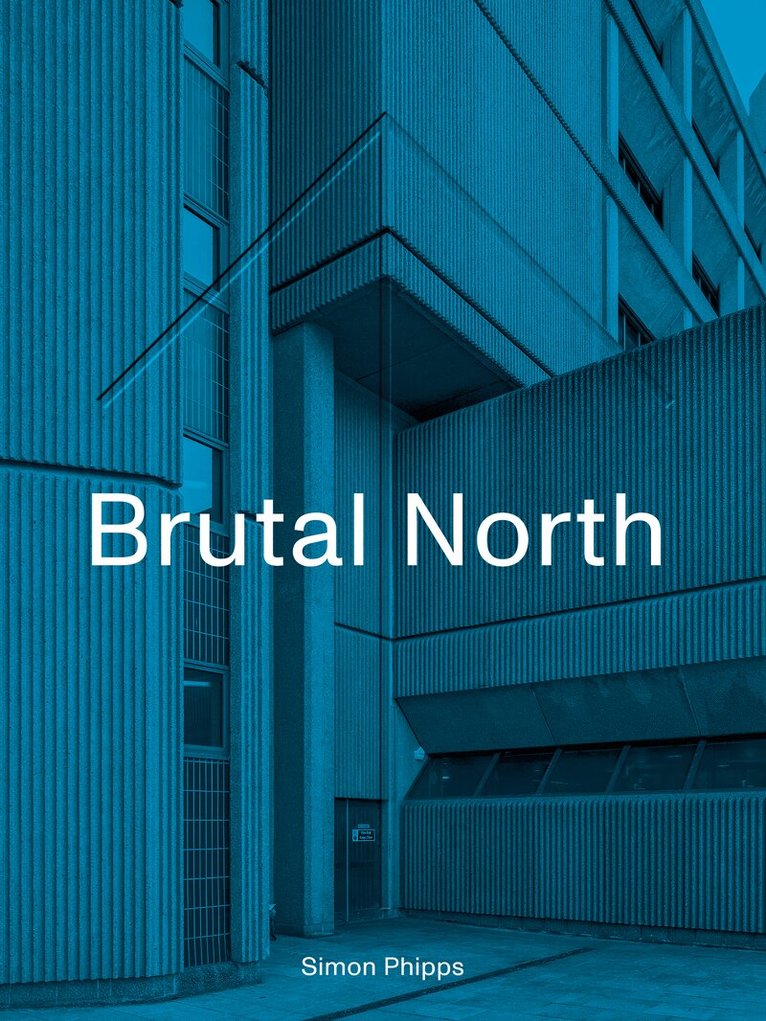
'Captures the most aspirational and enlightened architecture of the north's postwar years' GuardianDuring the post-war years the North of England saw the building of some of the most successful modernist architecture in the world. For the first time, a single photographic book captures those buildings, in all their power and progressive ambition.Over the years, acclaimed photographer Simon Phipps has travelled and sought out the publicly commissioned architecture of the post-war North. Buildings include: Newcastle's Byker Wall Estate (voted the best neighbourhood in the UK), the extraordinary Park Hill Estate in Sheffield, Preston's sweeping bus station, Liverpool's Royal Insurance Building and much more. These structures have seen off threats to their survival and are rightly celebrated for the imprint they leave upon the skyline and the cultural life of their cities.This inspiring invitation to explore northern modernism includes maps and detailed information about all the architecture photographed.
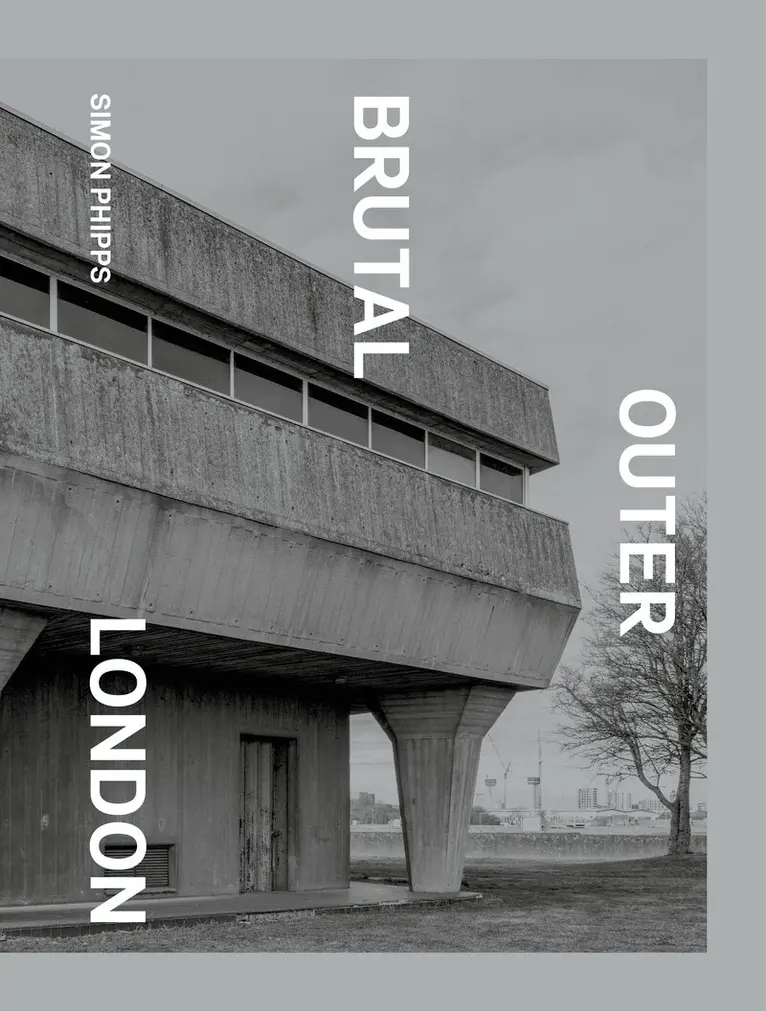
Brutal Outer London
The First Photographic Exploration of Modernist Architecture in London's Outer Boroughs
Inbunden, Engelska, 2022
224 kr
Skickas inom 7-10 vardagar
'I love this book' Robert Elms, BBC Radio LondonThe first photographic exploration of the post-war modernist architecture of Greater London, from Barking and Brent to Sutton and Waltham Forest. Simon Phipps' photographs of the modernist architecture of Greater London explores the form and beauty of these post-war buildings. Following on from his iconic first book Brutal London, this sequel expands his survey beyond London's inner zones through to the outer perimeters of London, encircled by the M25. From Croydon to Thamesmead, Wood Green to Willesden, the modernist ambition, scale and structure of these buildings are starkly rendered in his acclaimed photographs. Simon offers us a chance to look at these everyday buildings in residential, retail and leisure hubs again and appreciate the civic optimism and bold architecture of the 1960s and 70s.Brutal Outer London is a design-led book with maps and detailed listings of all architecture photographed that enables readers to explore Brutalism on foot, by train or bus.
332 kr
Skickas inom 7-10 vardagar
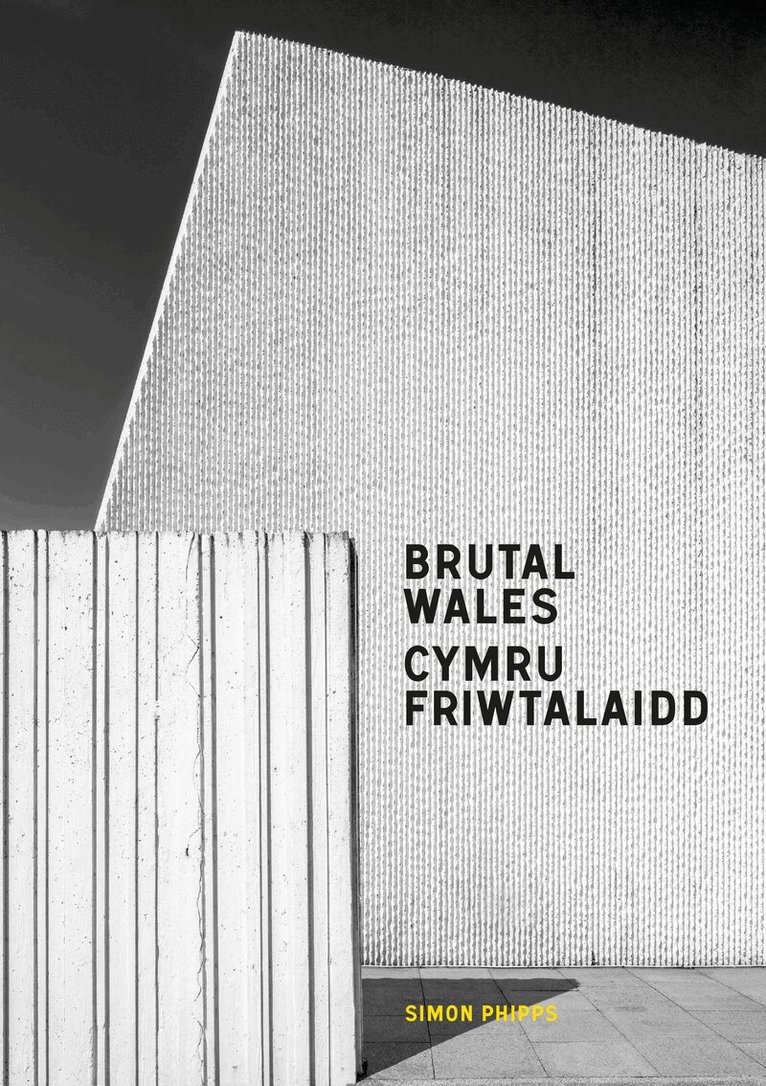
SHORTLISTED FOR THE ARCHITECTURAL BOOK AWARDSA photographic exploration of brutalist and post-war modernist architecture in Wales with an introduction by John Grindrod. Simon Phipps surveys the scale, ambition and diversity of post-war building in Wales. From the new town of Cwmbran, the immense Trostre Steelworks, the iconic George Street Bridge of Newport to smaller municipal projects such as Theatr Ardudwy in Harlech and libraries and schools across the land, this is an inspiring look at an era of architectural ambition and change. Where preserved, or sometimes simply forgotten, these buildings belong within the rugged landscapes and industrial townscapes as bold testaments of Welsh creativity and post-war renewal.'A much-needed extensive document of the abundance and richness of an often unfeted and unseen architecture, integral to the hope and social vision that characterised the golden age of Britain's post-war modernism' Mark Durden, Professor of Photography, University of South Wales
545 kr
Skickas inom 5-8 vardagar
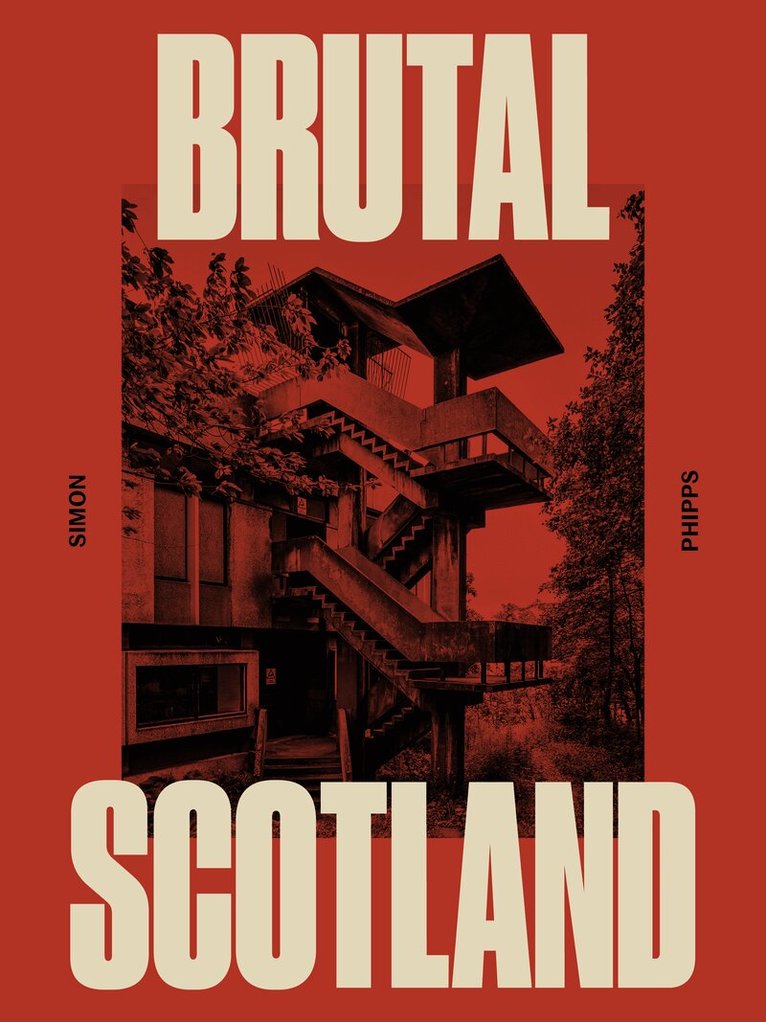
SHORTLISTED FOR THE ARCHITECTURAL BOOK AWARDS 2026A major new photographic survey of Scotland’s post-war architecture by acclaimed photographer of Modernist buildings, Simon PhippsMany of the new buildings that were constructed in the dynamic, socially motivated period of post-war architecture have now been repurposed, pulled down or left to slowly decay. But others still serve their community. Their impact is beautifully and boldly visible in Phipps’ photographs. From the Post Office of Inverness to the Gala Fairydean Rovers Football Club stand in Galashiels, these stadiums and homes, leisure centres and fire stations, churches and libraries, were built for a people and nation in flux, the architects envisioning a new era of opportunity. Their popularity may have declined by the turn of the century, but recent decades have seen a new recognition of the talent and epochal spirit that created lecture halls and banks with equal emphasis on form, utility and function.‘Impelled by ambitions of nation-building, Scotland’s outstanding cache of Brutalist buildings gave shape to how people lived, worked, studied, shopped, worshipped and spent their leisure time.’ Catherine Slessor, from the introduction to Brutal Scotland