
Sonali Garg – författare
499 kr
Skickas inom 5-8 vardagar
734 kr
Läs direkt efter köp
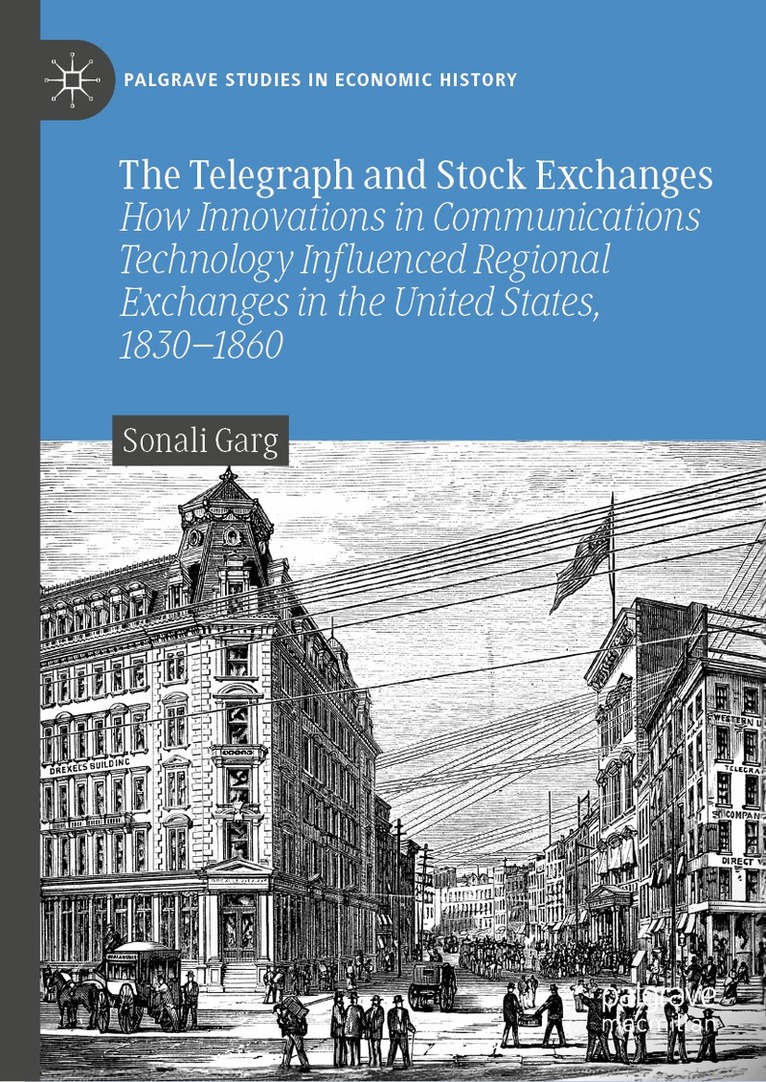
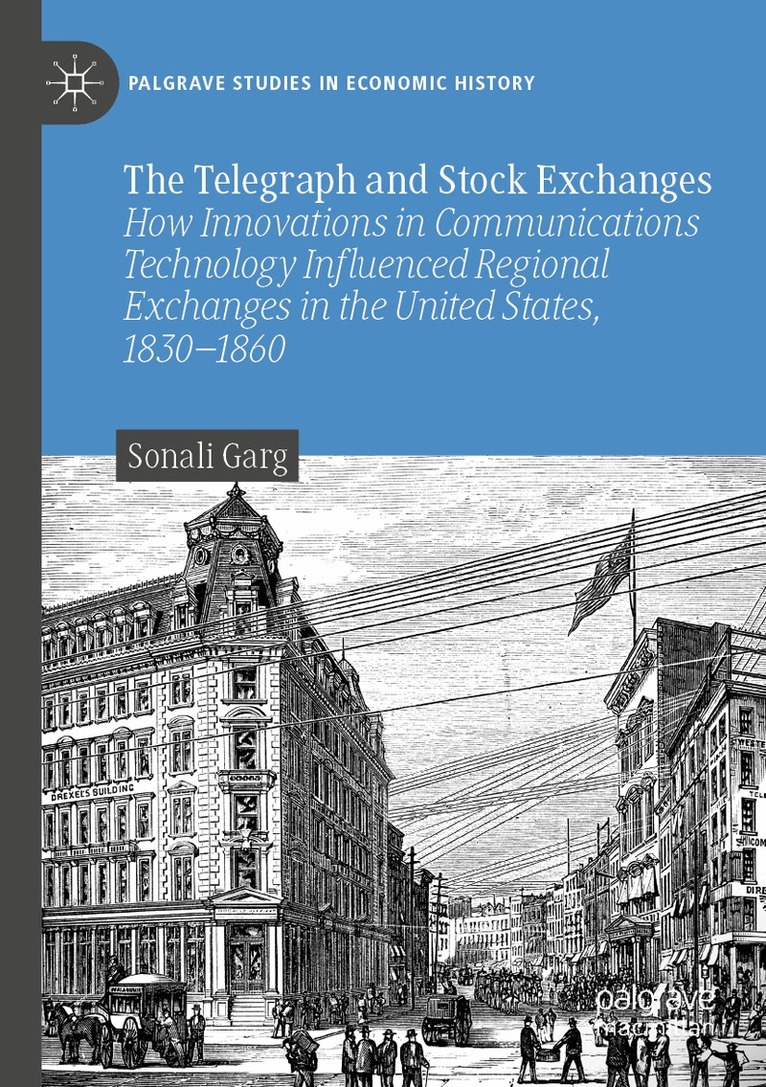
This book chronicles the ascension of the New York Stock Exchange, detailing its remarkable rise to preeminence and its lasting impact on financial history.
In the 1830s, New York, Philadelphia, and Boston each had a stock exchange. These were the New York Stock Exchange (NYSE), Philadelphia Stock Exchange, and Boston Stock Exchange. As there was no reliable means of communicating between these cities in real time, each exchange served its local market. The 1840s brought an innovation in communications technology: the telegraph, which, in time, brought these exchanges into competition with each other.
Three previously independent stock markets became, in effect, a single market. If a security was listed on more than one exchange, potential buyers and sellers could choose the exchange on which to execute a trade in this security. This book details how the NYSE emerged as the winner of this competition.
Chapters analyze key moments in history that made the NYSE a reliable location to trade securities that evoked regional and eventually national interest. This analysis is applied to the competition between (i) stock exchanges today; (ii) taxi ride-booking services such as Uber and Ola; (iii) restaurant to home, food delivery services, such a Zomato and Swiggy; and (iv) doorstep delivery services, such as Blinkit and Zepto.
The resulting book provides the untold history of the NYSE and its rise to preeminence in the American economy.
558 kr
Skickas inom 10-15 vardagar

771 kr
Skickas inom 5-8 vardagar

771 kr
Skickas inom 5-8 vardagar

771 kr
Skickas inom 5-8 vardagar

771 kr
Skickas inom 5-8 vardagar

771 kr
Skickas inom 5-8 vardagar

757 kr
Skickas inom 5-8 vardagar

771 kr
Skickas inom 5-8 vardagar

771 kr
Skickas inom 5-8 vardagar

771 kr
Skickas inom 5-8 vardagar

771 kr
Skickas inom 5-8 vardagar

771 kr
Skickas inom 5-8 vardagar

771 kr
Skickas inom 5-8 vardagar

3 102 kr
Läs direkt efter köp
First published in 1922, Premashram resonates with the disturbing notes of the Awadh Peasant Movement. Concentrating on the story of a zamindar and his tenants in a small village in the erstwhile United Provinces, the novel weaves into its saga the deteriorating feudal and economic structure of the Indian villages, just before the real onset of the Gandhian wave in the nationalist movement. Interwoven within a rural tragedy are questions concerning the future of both the peasant and the landlord; both discovering a final resolution deemed too idealist for its times. Besides these two sections, there are the officers, the evolving bureaucrats, the women and the educationists or social activists; each offering a viewpoint towards the evolving nation and national agendas; jostling for space and difficult to ignore. This first ever translation of Premashram brings to light the deep concerns of an author struggling to define his own version of this new nation and its professed goal of swaraj, which ironically seemed to have little space for the peasant and his issues.