Spencer D. Segalla – författare
Visar alla böcker från författaren Spencer D. Segalla. Handla med fri frakt och snabb leverans.
4 produkter
4 produkter
Inbunden, Engelska, 2009
689 kr
Skickas inom 10-15 vardagar
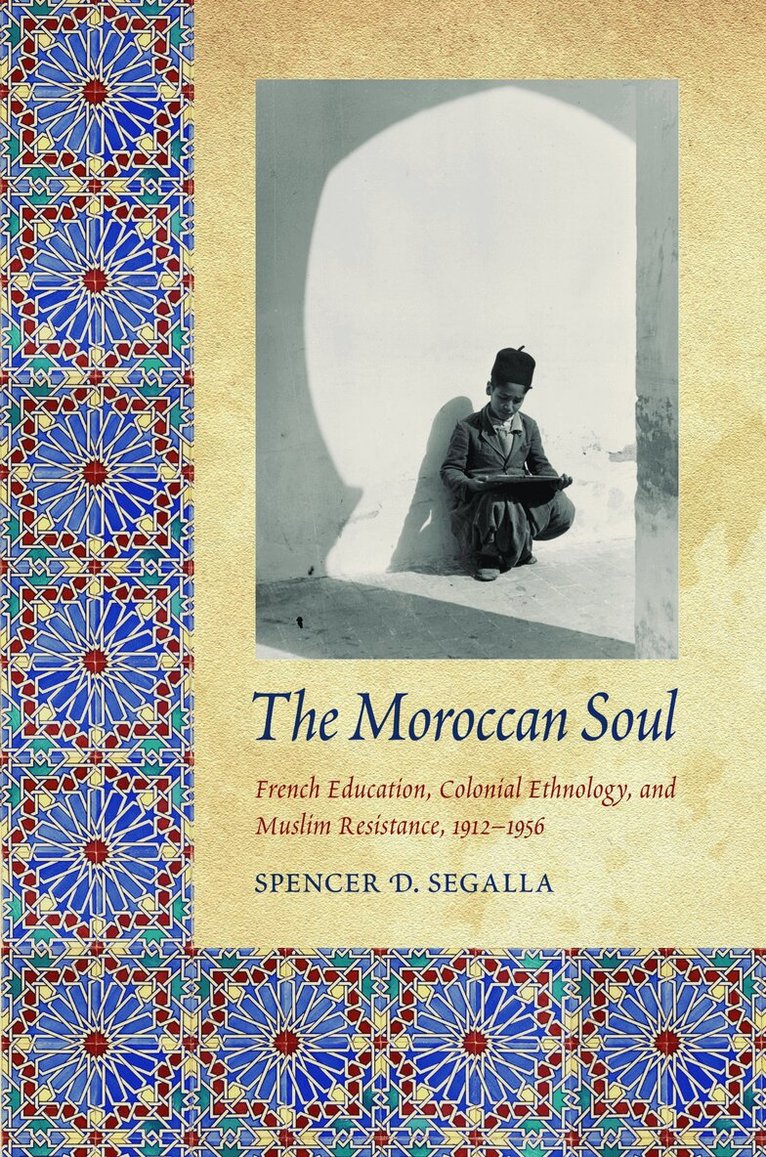
Before French conquest, education played an important role in Moroccan society as a means of cultural reproduction and as a form of cultural capital that defined a person's social position. Primarily religious and legal in character, the Moroccan educational system did not pursue European educational ideals. Following the French conquest of Morocco, however, the French established a network of colonial schools for Moroccan Muslims designed to further the agendas of the conquerors. The Moroccan Soul examines the history of the French education system in colonial Morocco, the development of French conceptions about the "Moroccan Soul," and the effect of these ideas on pedagogy, policy making, and politics. Fueled in large part by French conceptions of "Moroccanness" as a static, natural, and neatly bounded identity, colonial schooling was designed to minimize conflict by promoting the consent of the colonized. This same colonial school system, however, was also a site of interaction between colonial authorities and Moroccan Muslims, and became a locus of changing strategies of Moroccan resistance and contestation, which culminated in the rise of the Moroccan nationalist movement. Spencer D. Segalla reveals how the resistance of the colonized shaped the ideas and policies of the school system and how French ideas and policies shaped the strategies and discourse of anticolonial resistance.
Häftad, Engelska, 2018
334 kr
Skickas inom 10-15 vardagar
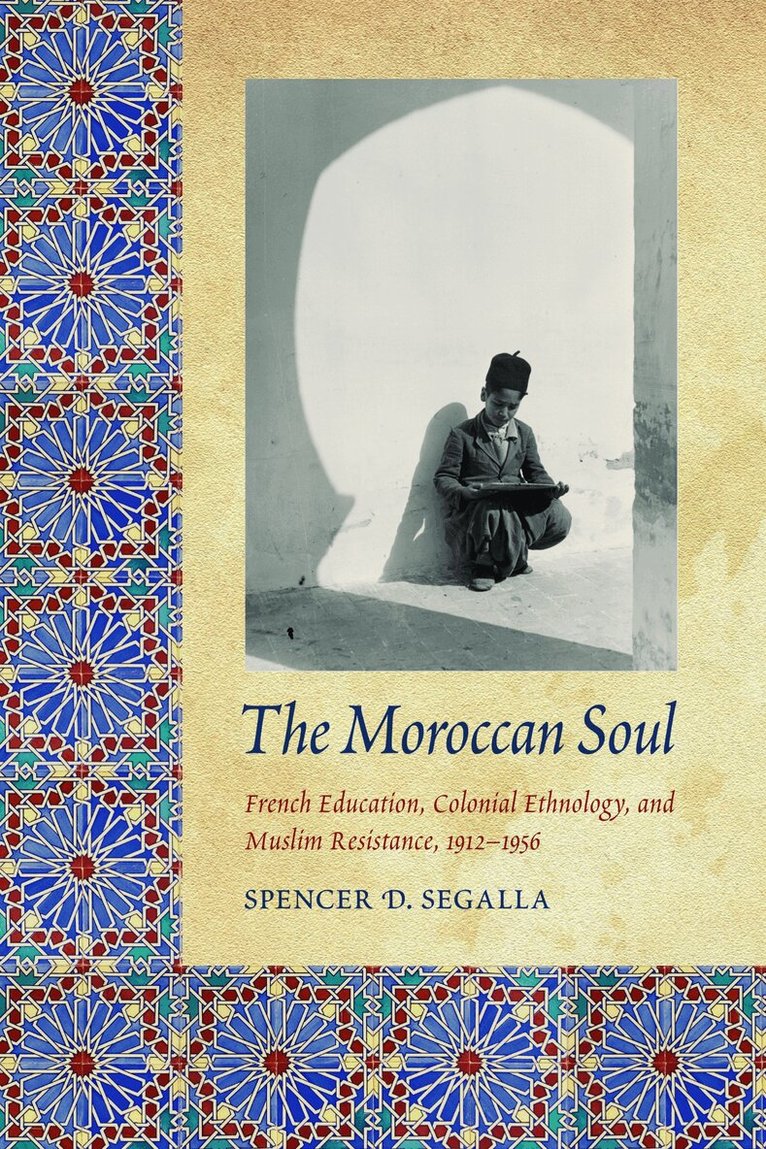
Before French conquest, education played an important role in Moroccan society as a means of cultural reproduction and as a form of cultural capital that defined a person's social position. Primarily religious and legal in character, the Moroccan educational system did not pursue European educational ideals. Following the French conquest of Morocco, however, the French established a network of colonial schools for Moroccan Muslims designed to further the agendas of the conquerors. The Moroccan Soul examines the history of the French education system in colonial Morocco, the development of French conceptions about the "Moroccan Soul," and the effect of these ideas on pedagogy, policy making, and politics. Fueled in large part by French conceptions of "Moroccanness" as a static, natural, and neatly bounded identity, colonial schooling was designed to minimize conflict by promoting the consent of the colonized. This same colonial school system, however, was also a site of interaction between colonial authorities and Moroccan Muslims, and became a locus of changing strategies of Moroccan resistance and contestation, which culminated in the rise of the Moroccan nationalist movement. Spencer D. Segalla reveals how the resistance of the colonized shaped the ideas and policies of the school system and how French ideas and policies shaped the strategies and discourse of anticolonial resistance.
Inbunden, Engelska, 2021
746 kr
Skickas inom 10-15 vardagar
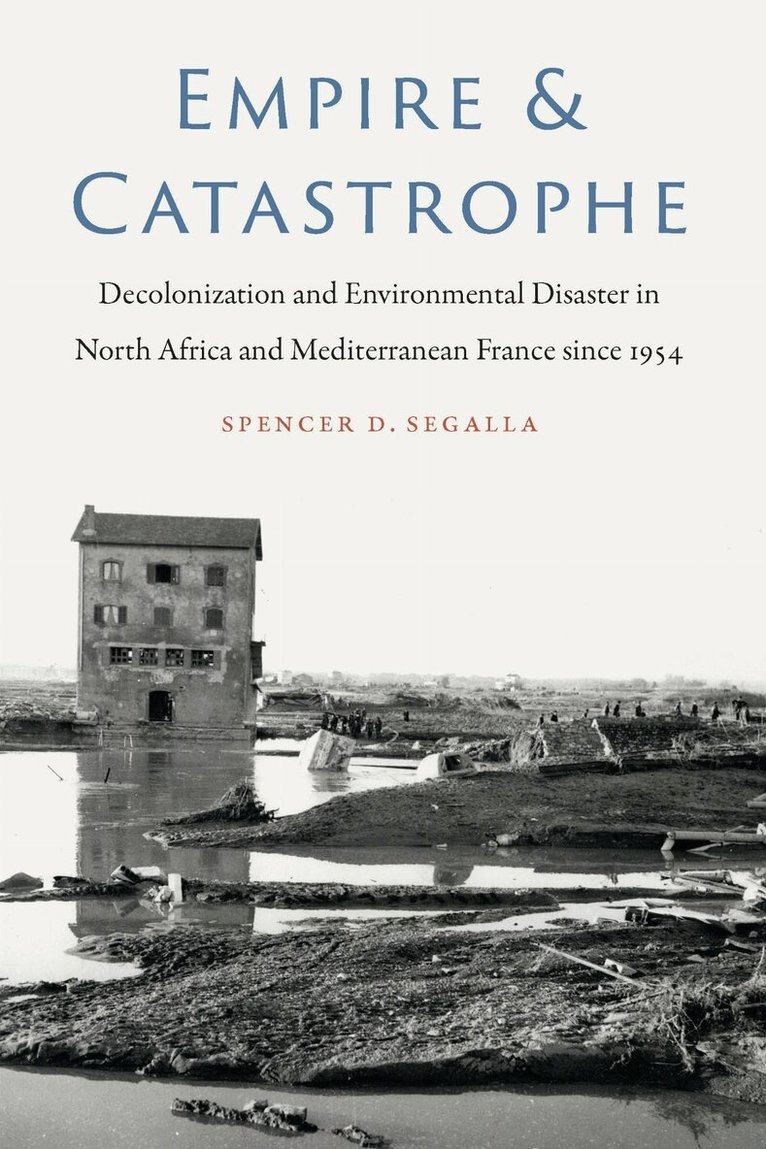
Empire and Catastrophe examines natural and anthropogenic disasters during the years of decolonization in Algeria, Morocco, and France and explores how environmental catastrophes both shaped and were shaped by struggles over the dissolution of France’s empire in North Africa. Four disasters make up the core of the book: the 1954 earthquake in Algeria’s ChÉlif Valley, just weeks before the onset of the Algerian Revolution; a mass poisoning in Morocco in 1959 caused by toxic substances from an American military base; the 1959 Malpasset Dam collapse in FrÉjus, France, which devastated the town’s Algerian immigrant community but which was blamed on Algerian sabotage; and the 1960 earthquake in Agadir, Morocco, which set off a public relations war between the United States, France, and the Soviet Union and which ignited a Moroccan national debate over modernity, identity, architecture, and urban planning.Interrogating distinctions between agent and environment and between political and environmental violence through the lenses of state archives and through the remembered experiences and literary representations of disaster survivors, Spencer D. Segalla argues for the integration of environmental events into narratives of political and cultural decolonization.
Häftad, Engelska, 2023
334 kr
Skickas inom 10-15 vardagar
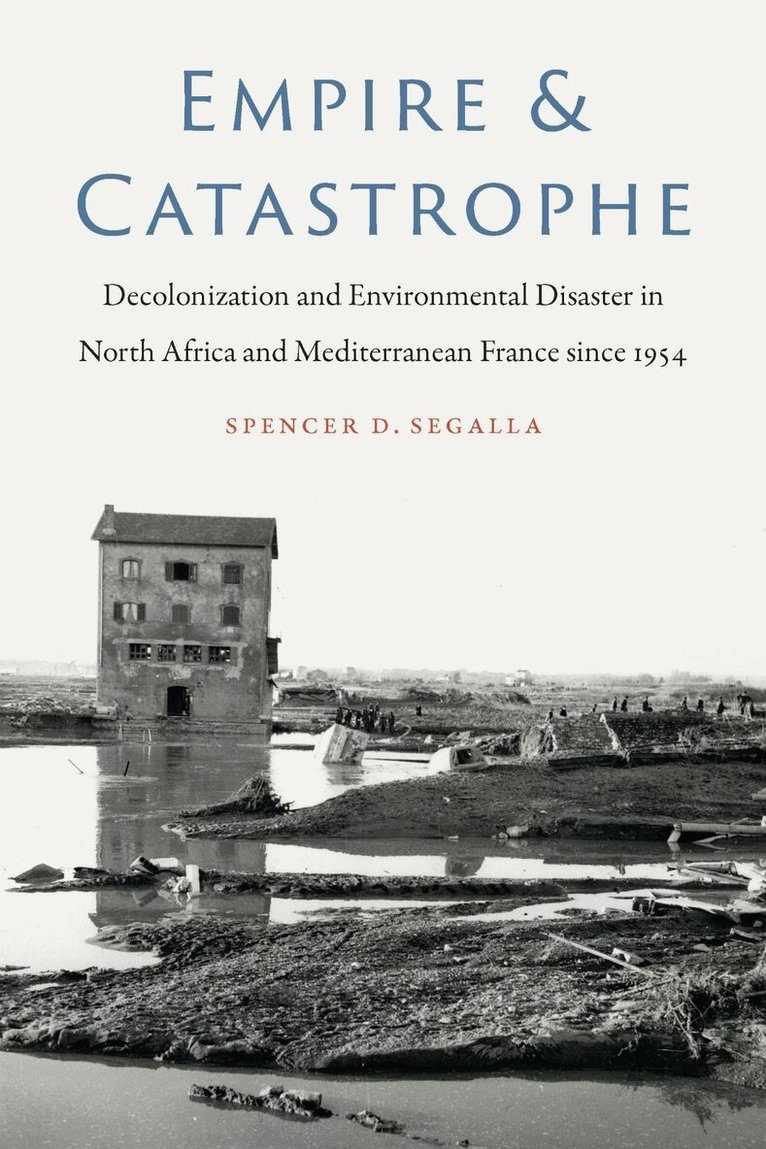
Empire and Catastrophe examines natural and anthropogenic disasters during the years of decolonization in Algeria, Morocco, and France and explores how environmental catastrophes both shaped and were shaped by struggles over the dissolution of France’s empire in North Africa. Four disasters make up the core of the book: the 1954 earthquake in Algeria’s ChÉlif Valley, just weeks before the onset of the Algerian Revolution; a mass poisoning in Morocco in 1959 caused by toxic substances from an American military base; the 1959 Malpasset Dam collapse in FrÉjus, France, which devastated the town’s Algerian immigrant community but which was blamed on Algerian sabotage; and the 1960 earthquake in Agadir, Morocco, which set off a public relations war between the United States, France, and the Soviet Union and which ignited a Moroccan national debate over modernity, identity, architecture, and urban planning.Interrogating distinctions between agent and environment and between political and environmental violence through the lenses of state archives and through the remembered experiences and literary representations of disaster survivors, Spencer D. Segalla argues for the integration of environmental events into narratives of political and cultural decolonization.