Stan Hieronymus – författare
Visar alla böcker från författaren Stan Hieronymus. Handla med fri frakt och snabb leverans.
7 produkter
7 produkter
Häftad, Engelska, 2012
246 kr
Tillfälligt slut
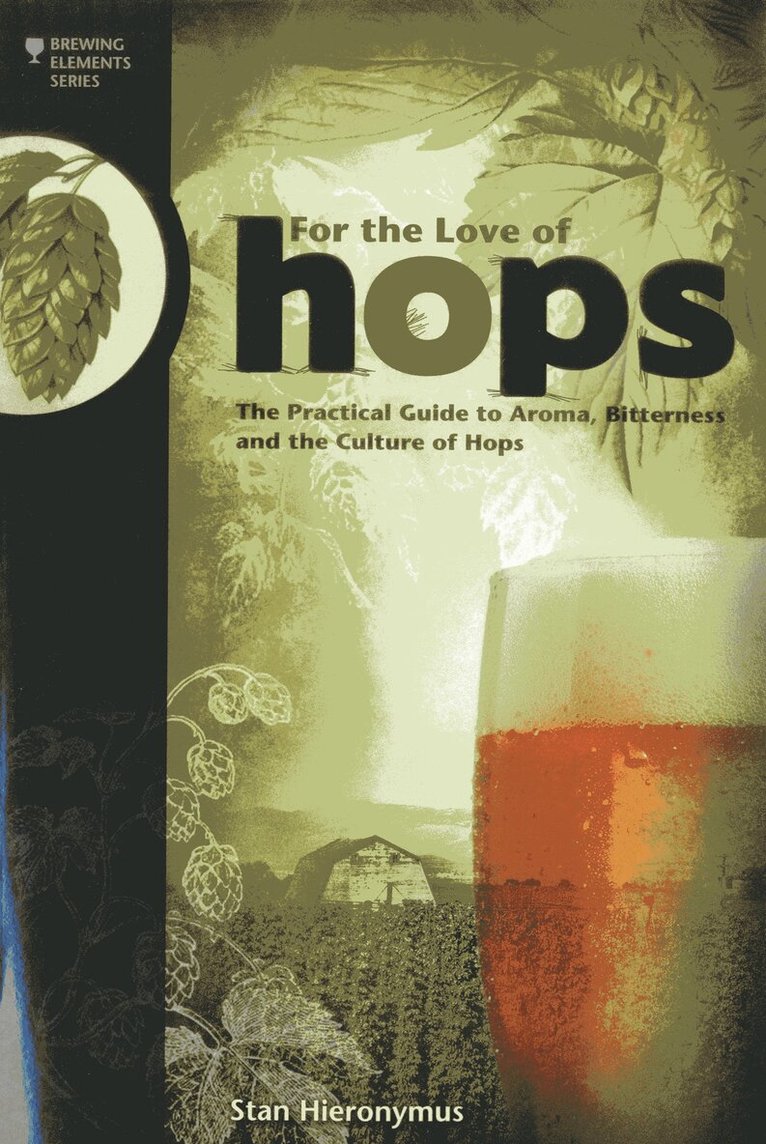
Stan Hieronymus expertly explains the nature of hops, their origins, hop quality and utilization--and even devotes an entire chapter to dry hopping. For the Love of Hops also includes a reference catalog of more than 100 varieties and their characteristics.
693 kr
Läs direkt efter köp
Discover what makes the heavenly brews of Belgium so good in this new book by long time Real Beer Page Editor Stan Hieronymus. In Brew Like a Monk, he details the beers and brewing of the famous Trappist producers along with dozens of others from both Belgium and America. Sip along as you read and, if you feel yourself divinely inspired to brew some of your own, try out the tips and recipes as well!
E-bok
Engelska, 2012759 kr
Läs direkt efter köp
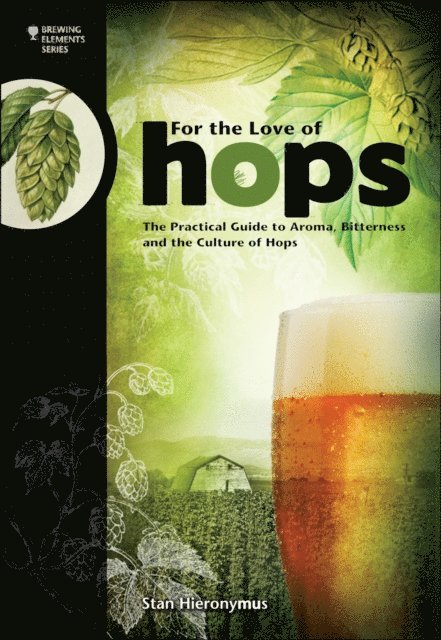
Hops, once a marginal player in modern brewing, have risen to iconic status thanks to the American craft beer revolution. In For the Love of Hops Stan Hieronymus explores the rich history, cultivation, and science behind this essential brewing ingredient. Hops have a long and mysterious past. Hieronymus unpacks their story with a discerning eye, separating fact from myth through deep research into historical records, scientific studies, and interviews with experts and growers. His work offers a compelling, wide-ranging look at how hops evolved from a supporting player to a defining feature in beer. From field to fermenter, the path of the hop is anything but simple. Hieronymus blends technical details—such as hop anatomy and growth cycles—with firsthand stories from farming families who’ve cultivated hops for generations. He leads readers through historic and emerging growing regions: Germany, the Czech Republic, England, the U.S., Australia, and New Zealand. Along the way, he illustrates the challenges growers face, from crop diseases to shifting market demands. Hieronymus also provides a catalog of over 100 hop varieties, from noble Old World types like Saaz and Tettnang to bold New World stars like Cascade, Amarillo, and Nelson Sauvin. Each entry includes vital stats and insights on flavor, aroma, and usage. Once harvested, hops unlock a brewer’s full creative range. The book dives into their essential compounds—alpha and beta acids—and how they influence bitterness, flavor stability, and aroma. Hieronymus breaks down a variety of hopping techniques, including: Early &Late Additions – How timing shapes flavor. First Wort Hopping – Adding hops before the boil. Hop Bursting & Continuous Hopping – Techniques for maximizing aroma. Dry Hopping – A full chapter dedicated to this aromatic art, from 19th-century England to today’s cutting-edge methods like hop rockets and torpedoes. He also explores how the perception of bitterness varies by individual and how exposure to heavily hopped beers can change our taste preferences—a phenomenon known as the “lupulin shift.” The development and meaning of IBUs (International Bitterness Units) are explained in context, helping demystify a widely misunderstood metric. To ground theory in practice, the book features 16 beer recipes from renowned breweries in the U.S., Belgium, Germany, England, New Zealand, and more. These recipes reveal how top brewers use hops to shape character and balance.For the Love of Hops is both educational and inspiring—a must-read for brewers, beer lovers, and anyone interested in the flower that changed beer forever.
E-bok
Engelska, 2010721 kr
Läs direkt efter köp
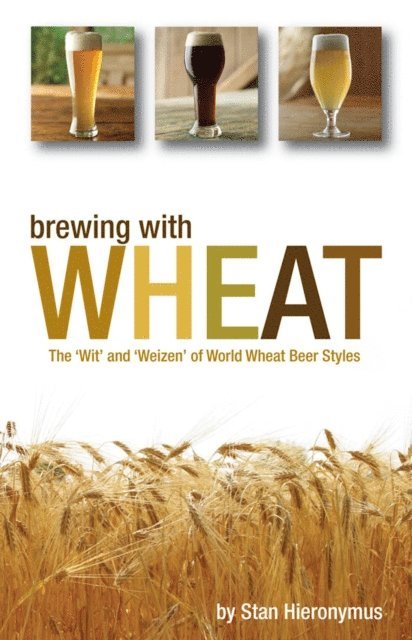
The wit and weizen of wheat beers. Author Stan Hieronymus visits the ancestral homes of the world''s most interesting styles-Hoegaarden, Kelheim, Leipzig, Berlin and even Portland, Oregon-to sort myth from fact and find out how the beers are made today. Complete with brewing details and recipes for even the most curious brewer, and answers to compelling questions such as Why is my beer cloudy? and With or without lemon?
E-bok
Engelska, 2016813 kr
Läs direkt efter köp
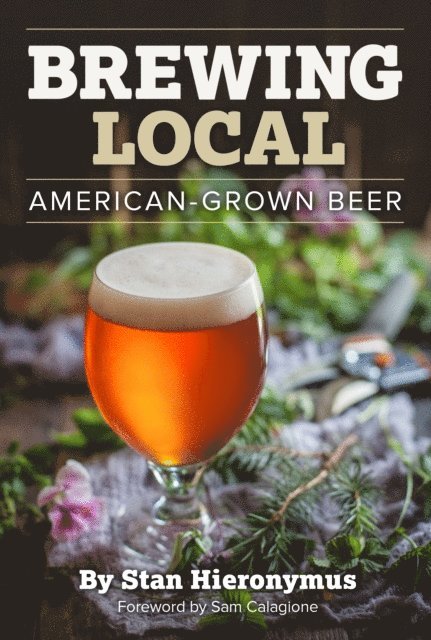
Beer has never been a stranger to North America. Author Stan Hieronymous explains how before European colonization, Native Americans were making beer from fermented corn, such as the tiswin of the Apache and Pueblo tribes. European colonists new to the continent were keen to use whatever local flavorings were at hand like senna, celandine, chicory, pawpaw, and persimmon. Before barley took hold in the 1700s, early fermentables included corn (maize), wheat bran, and, of course, molasses. Later immigrants to the young United States brought with them German and Czech yeasts and brewing techniques, setting the stage for the ubiquitous Pilsner lagers that came to dominate by the late 1800s. But local circumstances led to novel techniques, like corn and rice adjuncts, or the selection of lager yeasts that could ferment at ale-like temperatures. Despite the emergence of brewing giants with national distribution, “common brewers” continued to make “common beer” for local taverns and pubs. Distinctive American styles arose. Pennsylvania Swankey, Kentucky Common, Choc beer, Albany Ale, and steam beer—now called California common—all distinctive styles born of their place. From its post-war fallow period, the US brewing industry was reignited in the 1980s by the craft beer scene. Follow Stan Hieronymous as he explores the wealth of ingredients available to the locavores and beer aficionados of today. He takes the reader through grains, hops, trees, plants, roots, mushrooms, and chilis—all ingredients that can be locally grown, cultivated, or foraged. The author supplies tips on how to find these as well as dos and don''ts of foraging. He investigates the nascent wild hops movement and initiatives like the Local Yeast Project. Farm breweries are flourishing, with more breweries operating on farms than the US had total breweries fewer than 50 years ago. He gives recipes too, each one showing how novel, local ingredients can be used to add fermentables, flavor, and hop-like bitterness, and how they might be cultivated or gathered in the wild. Armed with this book, brewers in America have never been better equipped to create a beer that captures the essence of its place.
Häftad, Engelska, 2010
152 kr
Tillfälligt slut
Discusses the wit and weizen of wheat beers. This title includes details and recipes for the most curious brewer, and answers to compelling questions such as why is my beer cloudy and with or without lemon.
Häftad, Engelska, 2016
174 kr
Tillfälligt slut
Beer has never been a stranger to North America. Author Stan Hieronymous explains how before European colonization, Native Americans were making beer from fermented corn, such as the tiswin of the Apache and Pueblo tribes. European colonists new to the continent were keen to use whatever local flavorings were at hand like senna, celandine, chicory, pawpaw, and persimmon. Before barley took hold in the 1700s, early fermentables included corn (maize), wheat bran, and, of course, molasses. Later immigrants to the young United States brought with them German and Czech yeasts and brewing techniques, setting the stage for the ubiquitous Pilsner lagers that came to dominate by the late 1800s. But local circumstances led to novel techniques, like corn and rice adjuncts, or the selection of lager yeasts that could ferment at ale-like temperatures. Despite the emergence of brewing giants with national distribution, “common brewers” continued to make “common beer” for local taverns and pubs. Distinctive American styles arose. Pennsylvania Swankey, Kentucky Common, Choc beer, Albany Ale, and steam beer—now called California common—all distinctive styles born of their place. From its post-war fallow period, the US brewing industry was reignited in the 1980s by the craft beer scene. Follow Stan Hieronymous as he explores the wealth of ingredients available to the locavores and beer aficionados of today. He takes the reader through grains, hops, trees, plants, roots, mushrooms, and chilis—all ingredients that can be locally grown, cultivated, or foraged. The author supplies tips on how to find these as well as dos and don'ts of foraging. He investigates the nascent wild hops movement and initiatives like the Local Yeast Project. Farm breweries are flourishing, with more breweries operating on farms than the US had total breweries fewer than 50 years ago. He gives recipes too, each one showing how novel, local ingredients can be used to add fermentables, flavor, and hop-like bitterness, and how they might be cultivated or gathered in the wild. Armed with this book, brewers in America have never been better equipped to create a beer that captures the essence of its place.