Steen Fryba Christensen – författare
Visar alla böcker från författaren Steen Fryba Christensen. Handla med fri frakt och snabb leverans.
4 produkter
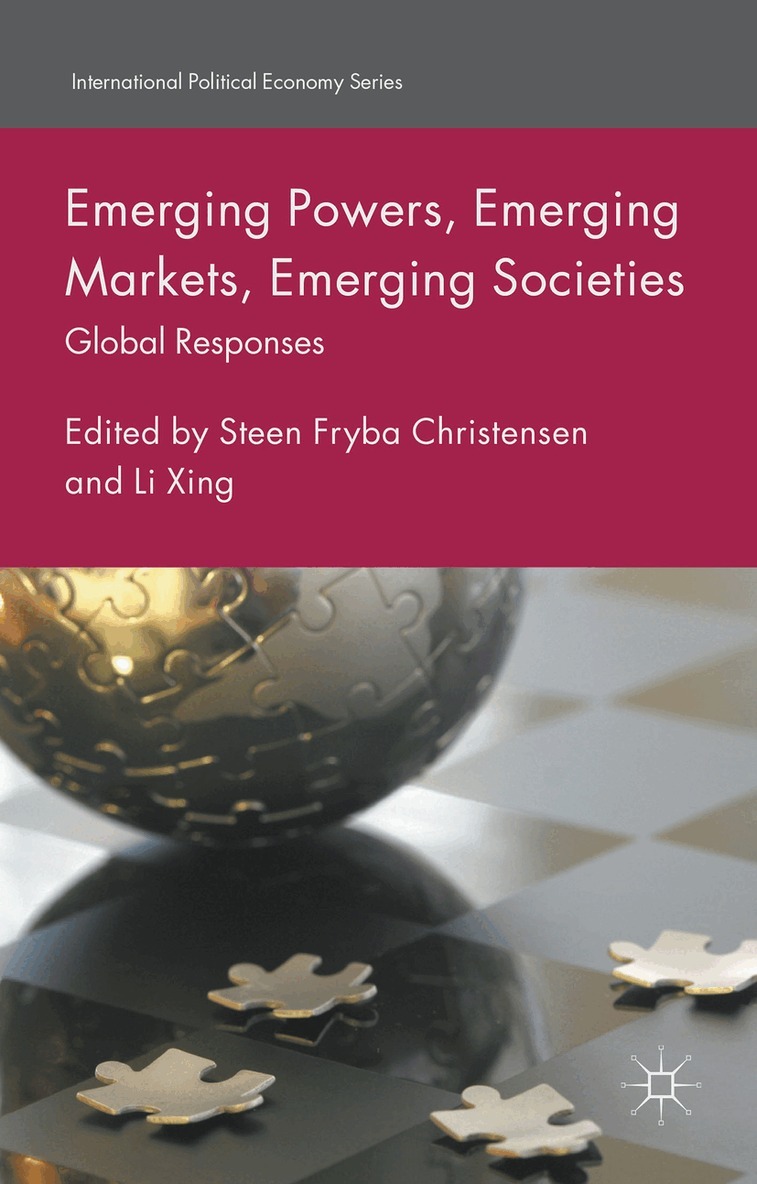
Emerging Powers, Emerging Markets, Emerging Societies
Global Responses
Av Steen Fryba Christensen, Li Xing
Inbunden, 2016
1018 kr
Lägg i varukorg
The rise of emerging or new powers has recently become one of the most researched areas in International Relations. While most studies focus on relations between traditional and emerging powers, this edited collection turns the focus 180 degrees and asks how countries outside these two power sets …
Emerging Powers, Emerging Markets, Emerging Societies
Global Responses
Av Li Xing, Steen Fryba Christensen
E-bok, 2016
1347 kr
Lägg i varukorg
The rise of emerging or new powers has recently become one of the most researched areas in International Relations. While most studies focus on relations between traditional and emerging powers, this edited collection turns the focus 180 degrees and asks how countries outside these two power sets …
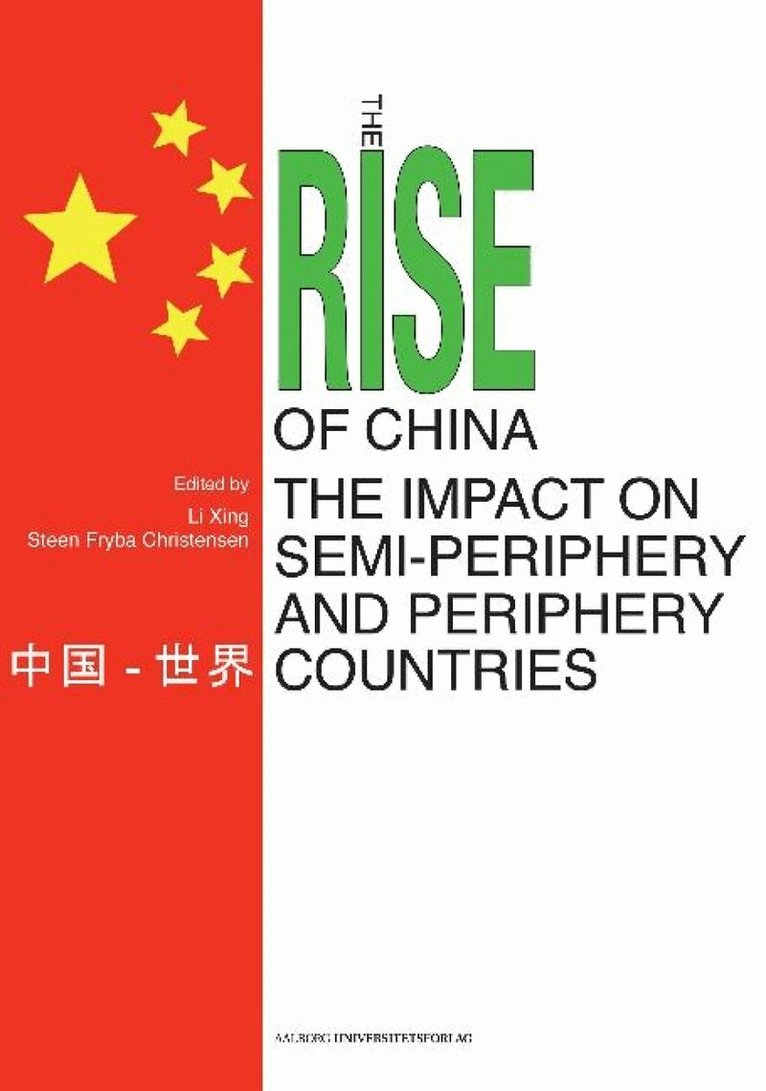
Rise of China & the Impact on Semi-Periphery & Periphery Countries
Av Li Xing, Steen Fryba Christensen
Inbunden, 2012
418 kr
Lägg i varukorg
The rise of China has had a transformative impact on almost all areas of global political, economic and social life, and raises some very important questions: Will the rise of China lead to the sinicisation of the international regime and the liberal order through the process of its historical …
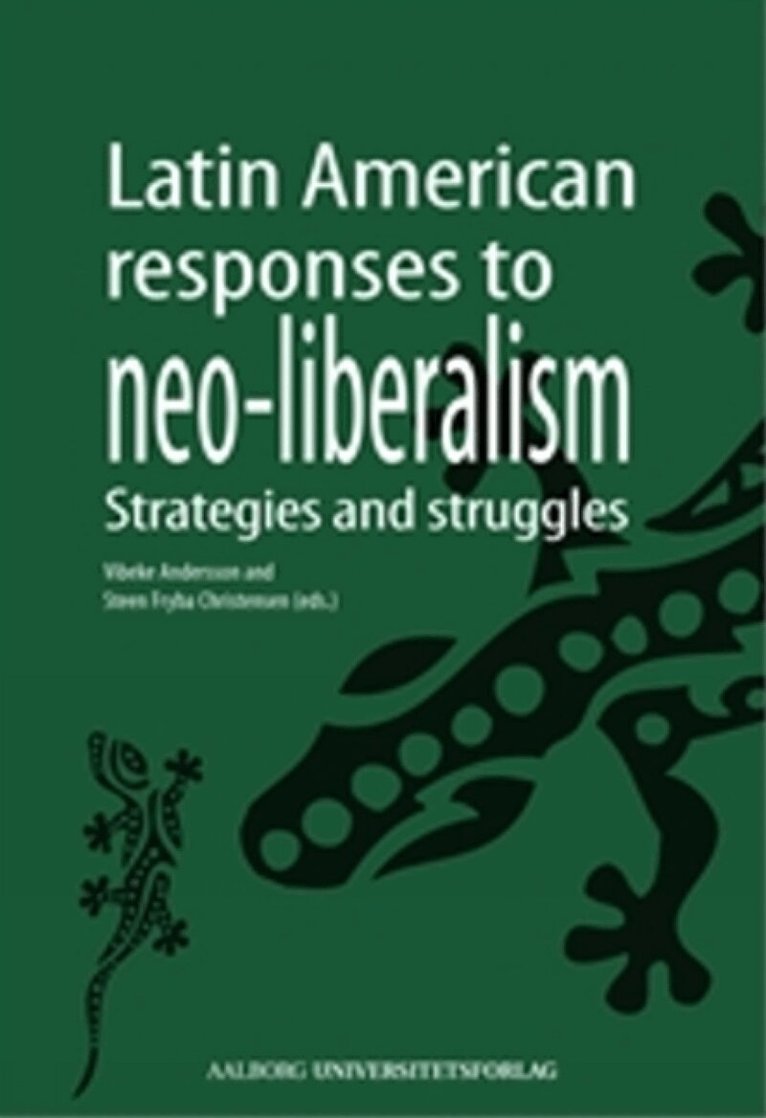
Latin American Responses to Neo-Liberalism
Strategies & Struggles
Av Steen Fryba Christensen, Vibeke Andersson
Häftad, 2012
418 kr
Lägg i varukorg
Latin American responses to neoliberalism and globalization have been varied and development strategies have changed over the past decades. The responses to policies have often been social and political struggles. This volume seeks to present diverse perspectives on these issues from a variety of …