Steen Ledet Christiansen – Författare
Visar alla böcker från författaren Steen Ledet Christiansen. Handla med fri frakt och snabb leverans.
5 produkter
5 produkter
362 kr
Skickas inom 10-15 vardagar
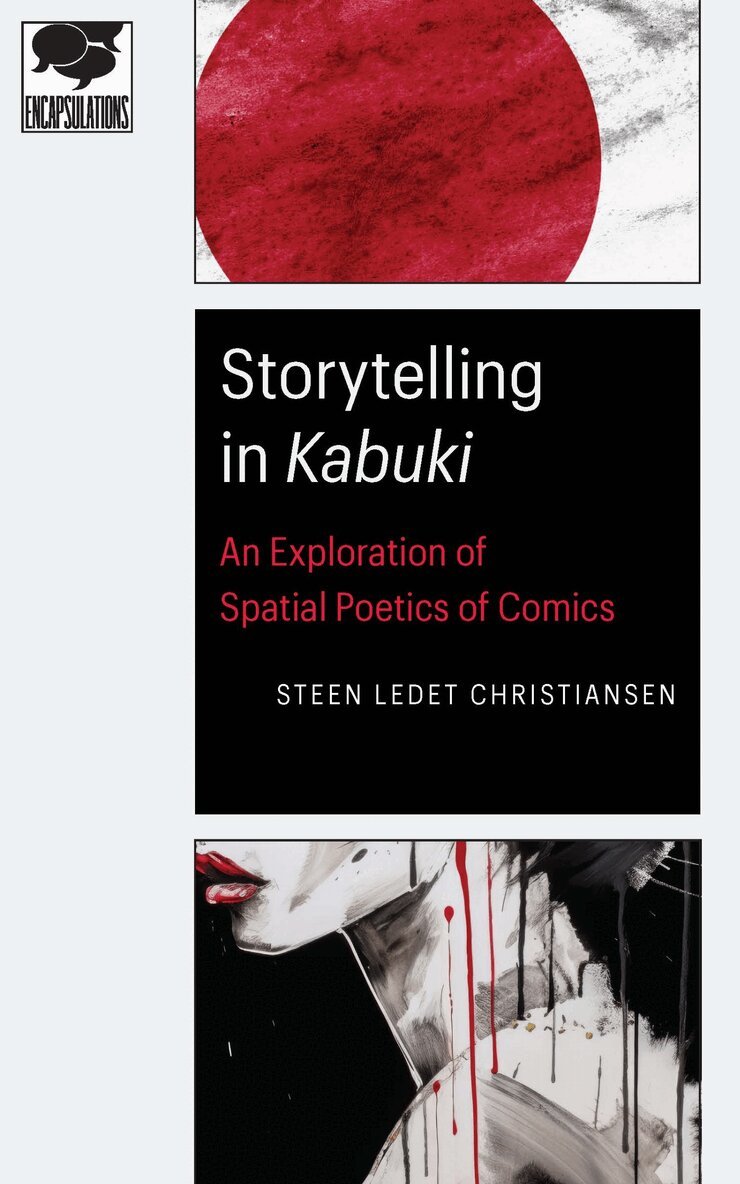
Steen Ledet Christiansen’s Storytelling in “Kabuki” explores the series created by David Mack-a slow, recursive narrative that focuses on the death of Kabuki and her past. The series ran from 1994 to 2004 in a variety of miniseries, one-shots, and spin-offs, rather than following a conventional American monthly release schedule. Most of the series explores different perspectives on the same event and adds background to Kabuki’s past, usually through surreal sequences, dreams, and near-death experiences. The flexibility of comics’ approach to chronology, space, focalization, narrative, and fictionality enabled Mack to produce an unusual experience. Kabuki tells a story that can only exist via comics.Christiansen analyzes the visual design of the series, a heterogeneous collection of styles depending on the story. To understand Kabuki, it is crucial to explore the visual styles, as well as the use of visual and spatial rhymes and mixed media forms. Because Kabuki employs a complex layering of focalizations, diegetic levels, and metafictional self-reflectivity that is rare in mainstream American comics, it utilizes a narrative poetics that focuses on constant repeating, restating, and returning to the same events.Kabuki’s unique compositional layering allows Christiansen to provide a clear example of how comics work while also expanding on critical vocabulary, especially in terms of spatial poetics. By exploring spatial form, Christiansen illuminates and gives a critical framework to a different and underexamined aspect of comics.
1 209 kr
Skickas inom 10-15 vardagar
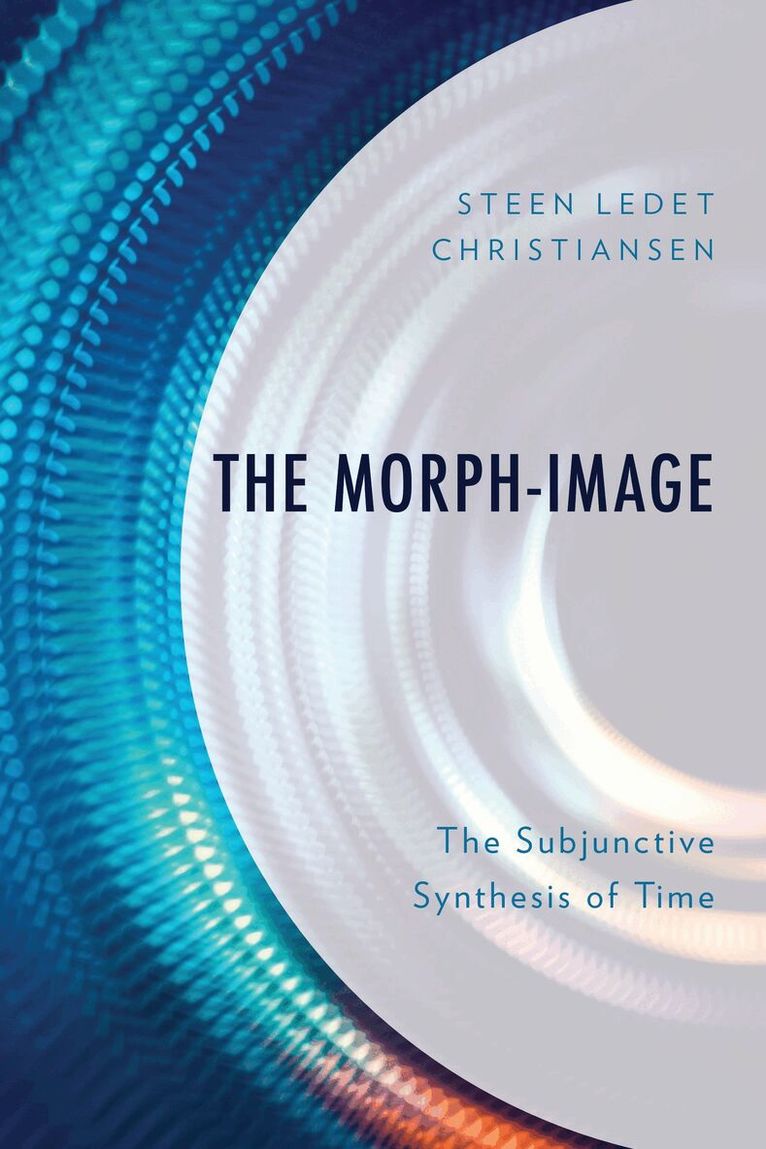
In The Morph-Image: The Subjunctive Synthesis of Time, Steen Ledet Christiansen argues for a new model of digital cinema that draws on Deleuzian and Whiteheadian insights into time and the future. This model insists that the philosophy of time must be rethought to provide a better understanding of the future and that the digital capacities of post-cinema present occasions of thought well-suited to this task. The figure of the morph, Christiansen posits, allows a conception of how post-cinema expresses time as a means of capture that appears liberatory, but modulates subjectivities into temporal forms of control. These temporal forms include digital animacies, flows, loops, synthetic long takes, and disjunctive editing, all of which are false formations of freedom. Ultimately, the author positions the unruly creativity of an event’s potential, of making the impossible possible in order to bring about true advancements into novelty, as escape from this dynamic. This book contributes to both Deleuzian film theory and a burgeoning Whiteheadian film-philosophy through deep engagement with key post-cinematic films, including Holy Motors, Collateral, Domino, Limitless, Spring Breakers, and Everything Everywhere All at Once. In doing so, important concepts of potentiality, actuality, and the future are considered and addressed in relation to the contemporary capitalist regime of control.
1 946 kr
Skickas inom 10-15 vardagar
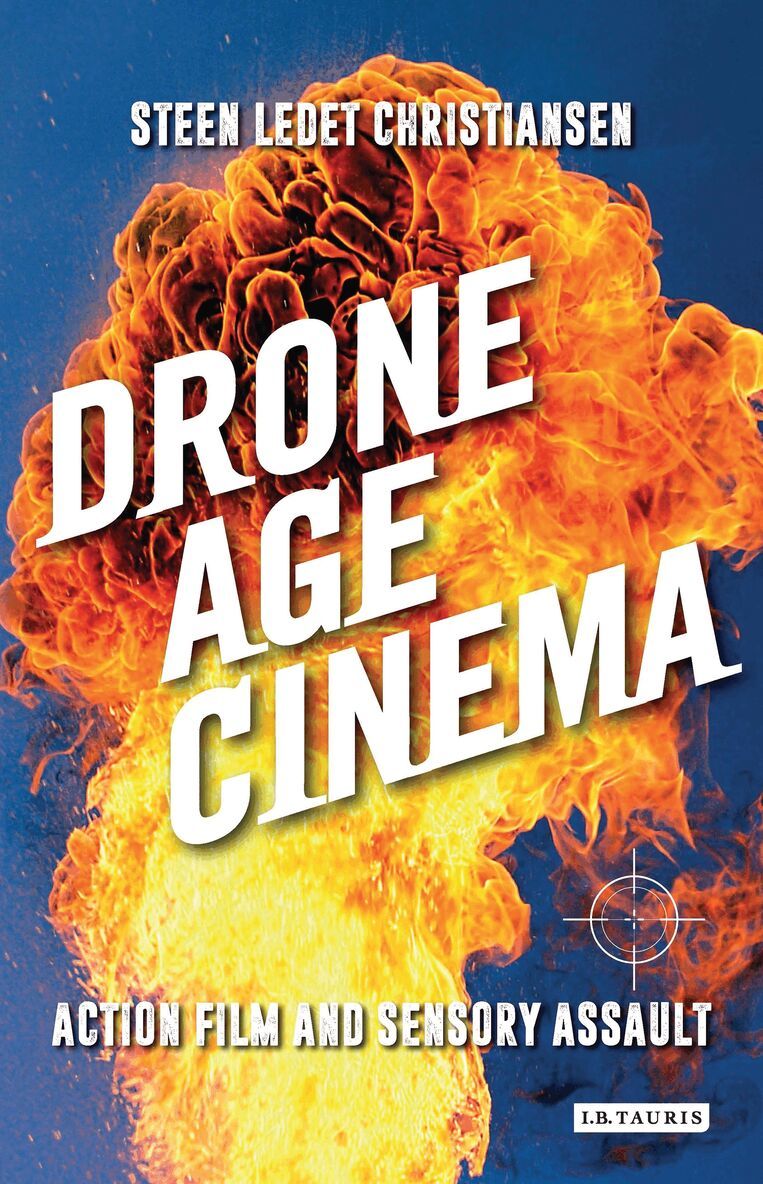
At a time when technological advances are transforming cultures and supporting new automated military operations, action films engage the senses and, in doing so, allow viewers to embody combat roles. This book argues that through film the viewer adapts to an ecology of fear, one that reflects global panic at the near-constant threat of conflict and violence. Often overwhelming in its audiovisual assault, action cinema attempts to overpower our bodies with its own through force and intensity. In this book, Steen Ledet Christiansen identifies five aspects central to how action films produce such physical movements and responses through vectors, droning, kinetics, telesomatics and volatility and in so doing unveils new modes of perception that acclimatise us for warfare. Drawing on theories from film-philosophy and a consideration of the aesthetics and phenomenology of war, this is an innovative study of the evolving action movie and its role in the targeted address of battle. Chapters investigate new modes of cinematic experience through in-depth case studies of Iron Man, Avatar and the Jason Bourne trilogy, through to The Hurt Locker and Mad Max: Fury Road. "
1 177 kr
Skickas inom 10-15 vardagar
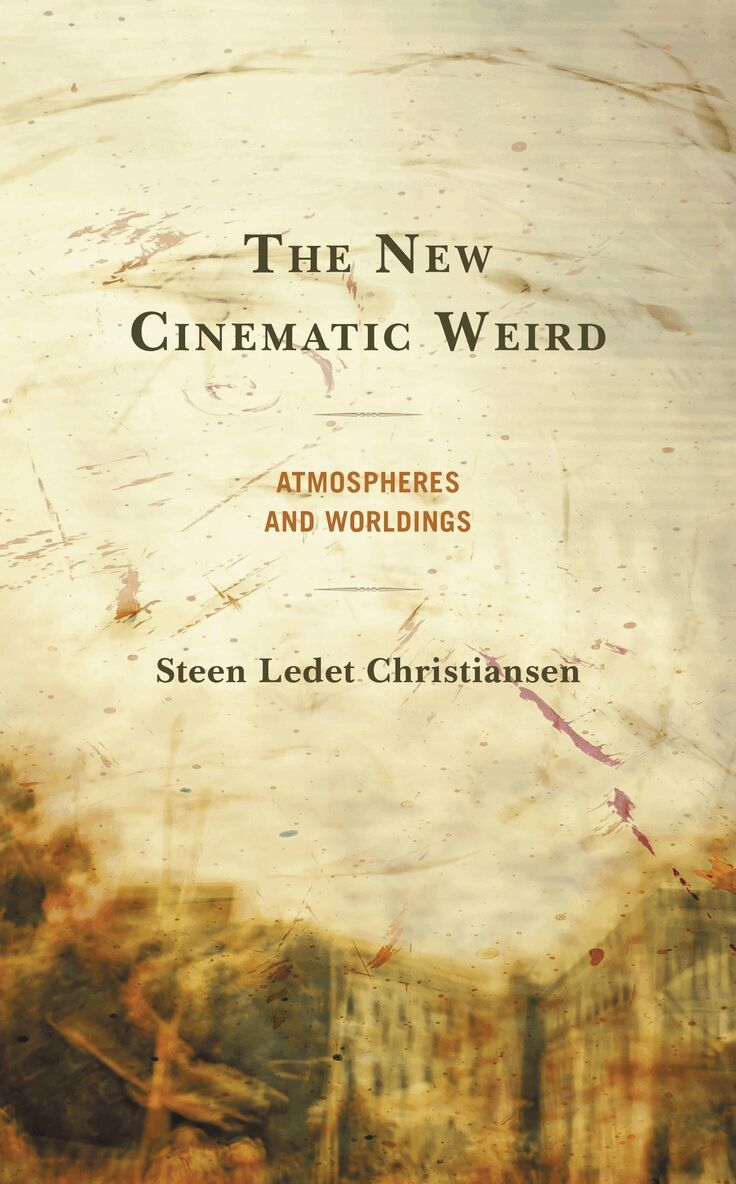
The New Cinematic Weird argues that weird fiction is rising also in audiovisual culture. Presenting several detailed analyses of weird cinematic works, the book shows how the new cinematic weird is best understood as atmospheric worldings — affective intensities that suffuse the experience of the cinematic weird. The weird exists as an experiential field, an inflation of the world. These worldings disclose a variety of experiences. The book engagingly shows how creepy, unsettling, ominous, uneasy, and eerie atmospheres provide a way into the weird experience. This book is important to anyone interested in the audiovisual weird, cinematic atmospheres, how audiovisual media produce worlds, and how weird fiction challenges our conception of the way the world is.
447 kr
Skickas inom 10-15 vardagar
The New Cinematic Weird argues that weird fiction is rising also in audiovisual culture. Presenting several detailed analyses of weird cinematic works, the book shows how the new cinematic weird is best understood as atmospheric worldings — affective intensities that suffuse the experience of the cinematic weird. The weird exists as an experiential field, an inflation of the world. These worldings disclose a variety of experiences. The book engagingly shows how creepy, unsettling, ominous, uneasy, and eerie atmospheres provide a way into the weird experience. This book is important to anyone interested in the audiovisual weird, cinematic atmospheres, how audiovisual media produce worlds, and how weird fiction challenges our conception of the way the world is.