Stefan Brunnhuber – författare
807 kr
Skickas inom 10-15 vardagar
390 kr
Läs direkt efter köp
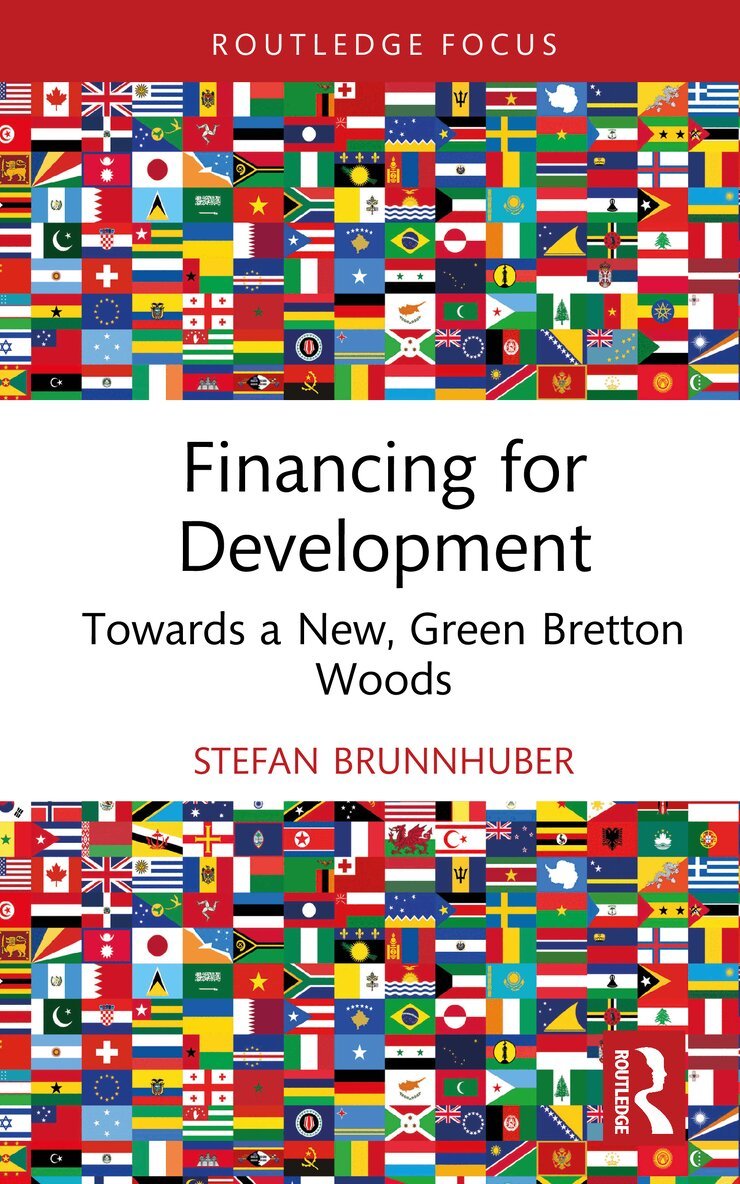
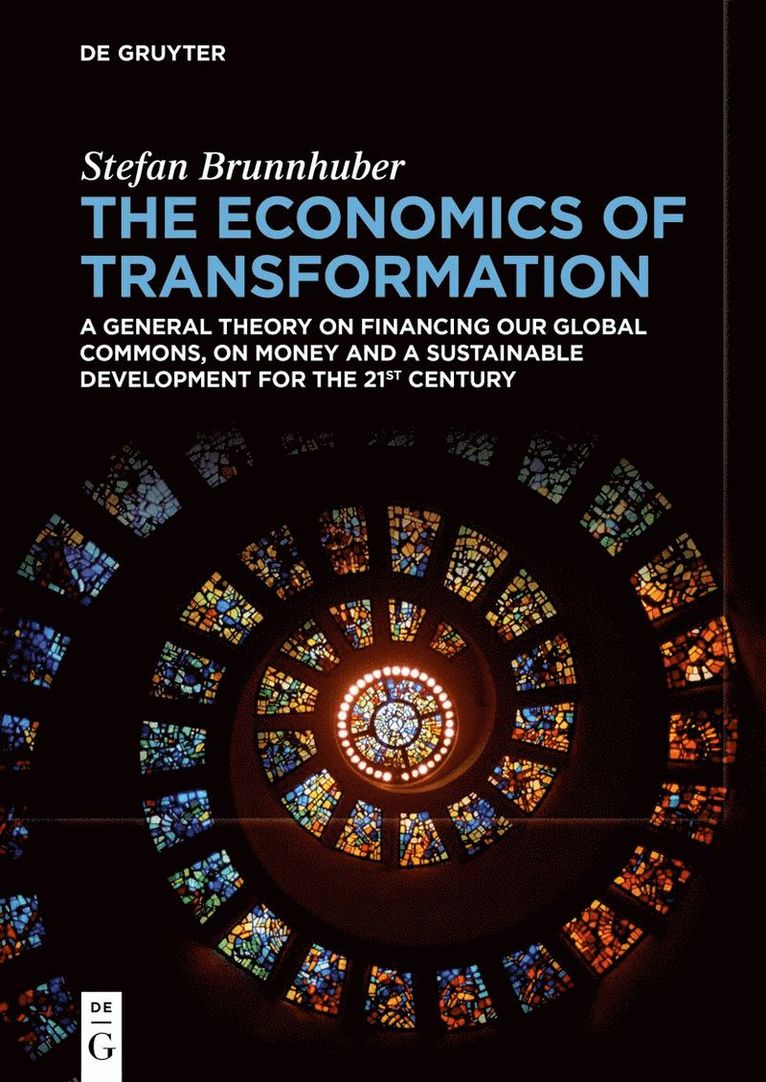
This book provides a robust argument for an upgrade of the financial system to enable a more sustainable approach. It explores the upcoming debate on a newly modified international financial architecture, facing serial ecological crisis and the advent of new technologies, and which operates in a multipolar world.
Instead of business as usual (BAU) scenarios, it explores new, innovative, out of the box approaches in the following arenas: taxonomy and regulation, including capital flow management measures and taxations schemas; financial engineering such as hedging instruments private public partnerships; and polity frameworks e.g. IMF, World Bank, Multilateral development banks, voting quota. It addresses the new role of Central Bank Digital Currencies (CBDCs), the current and upcoming campaign on debt restructuring, as well as the role of new technologies - AI and Blockchain - to tackle illicit financial transactions and fraud, including predictive coding and big DATA correlations. The book focuses on the new role of monetary regulators and central bankers in providing conditioned, additional liquidity to finance, hedge and manage our global commons and to mobilize private capital at the same time, meaning that monetary policy will oversteer fiscal and credit policy in a Bretton Woods II process. The author argues that a new green Bretton Woods 2.0 will provide the agenda to transform our economy and our society, and a Green Transition plan is included in the book.
This will serve as a comprehensive reader for students, scholars and activists in the fields of macroeconomics, international development policy, finance and sustainability. It will also appeal to policy makers and executives in the financial sector as well as informed monetary experts.
390 kr
Läs direkt efter köp
This book provides a robust argument for an upgrade of the financial system to enable a more sustainable approach. It explores the upcoming debate on a newly modified international financial architecture, facing serial ecological crisis and the advent of new technologies, and which operates in a multipolar world.
Instead of business as usual (BAU) scenarios, it explores new, innovative, out of the box approaches in the following arenas: taxonomy and regulation, including capital flow management measures and taxations schemas; financial engineering such as hedging instruments private public partnerships; and polity frameworks e.g. IMF, World Bank, Multilateral development banks, voting quota. It addresses the new role of Central Bank Digital Currencies (CBDCs), the current and upcoming campaign on debt restructuring, as well as the role of new technologies - AI and Blockchain - to tackle illicit financial transactions and fraud, including predictive coding and big DATA correlations. The book focuses on the new role of monetary regulators and central bankers in providing conditioned, additional liquidity to finance, hedge and manage our global commons and to mobilize private capital at the same time, meaning that monetary policy will oversteer fiscal and credit policy in a Bretton Woods II process. The author argues that a new green Bretton Woods 2.0 will provide the agenda to transform our economy and our society, and a Green Transition plan is included in the book.
This will serve as a comprehensive reader for students, scholars and activists in the fields of macroeconomics, international development policy, finance and sustainability. It will also appeal to policy makers and executives in the financial sector as well as informed monetary experts.
363 kr
Skickas inom 10-15 vardagar
393 kr
Läs direkt efter köp
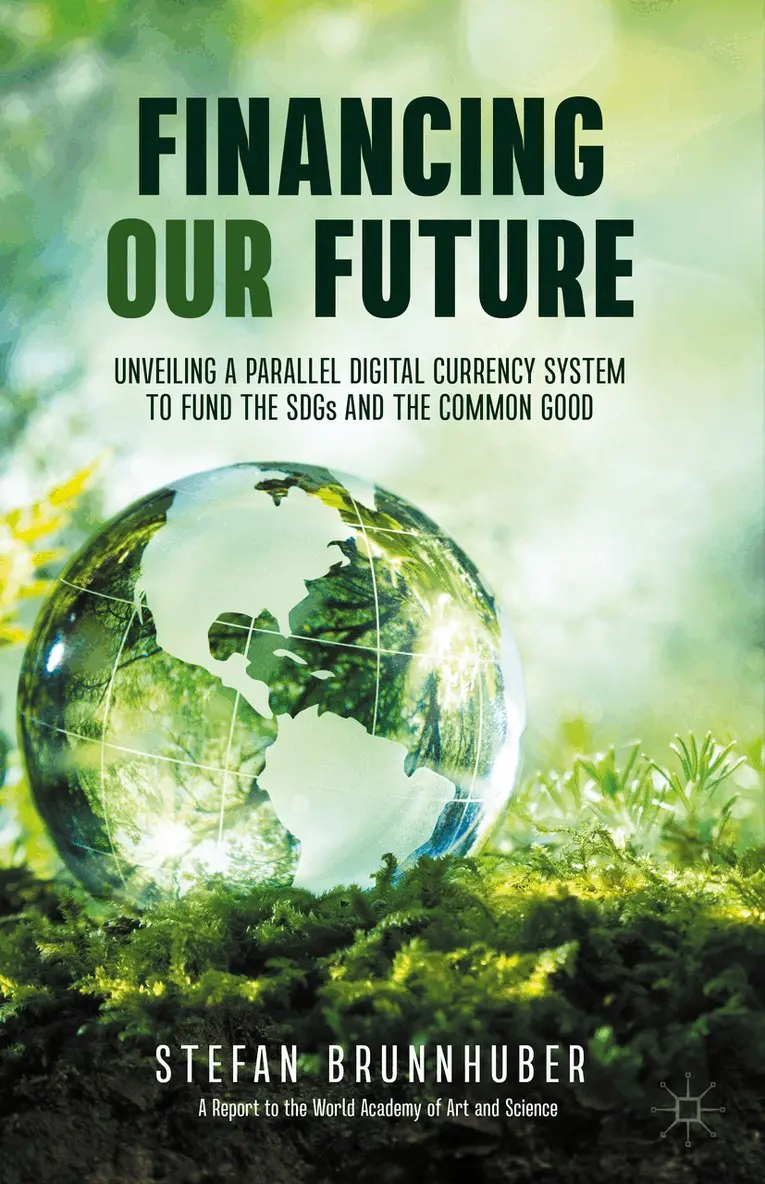
The monetary system is the indispensable missing link in the debate of sustainability, and whether the current financial system can handle these evolved needs. To date, the UN Sustainable Development Goals (SDGs) primarily have been financed either through the private sector, through conventional public sector taxes and fees, or through philanthropic commitment. Assuming a need of 4 to 5 trillion dollars annually in the 10 to 15 years left to finance our future, these conventional sources of finance are insufficient in terms of both the scale and speed of funding required to finance our future. Furthermore, the inherent instability of our financial system forces the world community to focus first and foremost on repairing and stabilizing the existing system.
The development of cryptocurrencies using distributed ledger technologies (mainly blockchain) has prompted leading central banks to study the potential application of this approach to independently create purchasing power. In this vein, this book offers a new approach, namely introducing a parallel electronic currency specifically designed to finance global common goods and provide the resources necessary to achieve the SDGs. Furthermore, this mechanism would have a stabilizing effect on the existing monetary system.The book argues that one way this could be achieved is by giving central banks a modified monetary mandate to inject new liquidity into the system using a top-down approach. Alternatively, liquidity could come from corporate or communal initiatives with crypto- or communal currencies in a bottom-up approach. The author maintains that by issuing a blockchain-enabled parallel electronic currency earmarked for SDG-related projects and using other channels for monetary flow rather than the conventional ones, the future could be financed in a different manner. In the long run, abandoning our current monetary monoculture and introducing a monetary ecosystem would stabilize international financial markets, increase monetary regulatory efforts, reduce negative externalities, create a social Pareto optimum and stabilize democracies. This book presents, in the same spirit as Fritjof Capra’s The Tao of Physics, a Tao of finance—an outside-of-the-box approach to financing global common goods.295 kr
Skickas inom 5-8 vardagar
370 kr
Skickas inom 10-15 vardagar
346 kr
Läs direkt efter köp
Das Geldsystem ist das unverzichtbare fehlende Glied in der Nachhaltigkeitsdebatte und die Frage, ob das derzeitige Finanzsystem diese neuen Anforderungen erfüllen kann. Bislang wurden die UN-Nachhaltigkeitsziele (SDGs) hauptsächlich entweder durch den privaten Sektor, durch herkömmliche Steuern und Gebühren des öffentlichen Sektors oder durch philanthropisches Engagement finanziert. Wenn man davon ausgeht, dass in den verbleibenden 10 bis 15 Jahren jährlich 4 bis 5 Billionen Dollar benötigt werden, um unsere Zukunft zu finanzieren, sind diese konventionellen Finanzierungsquellen sowohl in Bezug auf den Umfang als auch auf die Geschwindigkeit der Finanzierung unzureichend. Darüber hinaus zwingt die inhärente Instabilität unseres Finanzsystems die Weltgemeinschaft dazu, sich in erster Linie auf die Reparatur und Stabilisierung des bestehenden Systems zu konzentrieren.
Die Entwicklung von Kryptowährungen unter Verwendung von Distributed-Ledger-Technologien (hauptsächlich Blockchain) hat führende Zentralbanken dazu veranlasst, die mögliche Anwendung dieses Ansatzes zur unabhängigen Schaffung von Kaufkraft zu untersuchen. In diesem Sinne bietet dieses Buch einen neuen Ansatz, nämlich die Einführung einer parallelen elektronischen Währung, die speziell für die Finanzierung globaler Gemeinschaftsgüter und die Bereitstellung der für die Verwirklichung der SDGs erforderlichen Ressourcen konzipiert ist. Darüber hinaus würde dieser Mechanismus eine stabilisierende Wirkung auf das bestehende Währungssystem haben.
In dem Buch wird argumentiert, dass eine Möglichkeit, dies zu erreichen, darin besteht, den Zentralbanken ein modifiziertes geldpolitisches Mandat zu erteilen, um dem System mit einem Top-down-Ansatz neue Liquidität zuzuführen. Alternativ könnte die Liquidität durch Unternehmens- oder Gemeindeinitiativen mit Krypto- oder Gemeindewährungen in einem Bottom-up-Ansatz kommen. Der Autor vertritt die Ansicht, dass durch die Ausgabe einer Blockchain-fähigen elektronischen Parallelwährung, die für SDG-bezogene Projekte bestimmt ist, und durch die Nutzung anderer Kanäle für den Geldfluss anstelle der herkömmlichen Kanäle die Zukunft auf andere Weise finanziert werden könnte. Langfristig würde die Abkehr von unserer derzeitigen monetären Monokultur und die Einführung eines monetären Ökosystems die internationalen Finanzmärkte stabilisieren, die monetären Regulierungsbemühungen verstärken, negative externe Effekte reduzieren, ein soziales Pareto-Optimum schaffen und die Demokratien stabilisieren. In diesem Buch wird, ähnlich wie in Fritjof Capras Das Tao der Physik, ein Tao der Finanzen vorgestellt - ein unkonventioneller Ansatz zur Finanzierung globaler Gemeinschaftsgüter.
1 559 kr
Skickas inom 10-15 vardagar
1 879 kr
Läs direkt efter köp
“This book is where fiction turns into fact.” - World Bestselling Author of ‚The Minister of the Future‘ Stan Robinson
“…challenging, innovative and interdisciplinary… to address the world’s problems.” - Founder and Father of the Quantitative Easing (QE), Prof. Dr. Richard Werner, Oxford University, GB
“The real tragedy of the commons, as this book shows, is that we have allowed the most valuable social resources, our money and legal systems, to be employed for private gain instead of mobilizing them for social goals, not the least to ensure the survival of the human species on this planet.” - Best-selling author of ‚The code of capital’ Katharina Pistor, Edwin B. Parker Professor of Comparative Law and Director, Center on Global Legal Transformation Columbia Law School, USA
644 kr
Skickas inom 5-8 vardagar
1 559 kr
Skickas inom 10-15 vardagar
838 kr
Skickas inom 10-15 vardagar
793 kr
Läs direkt efter köp
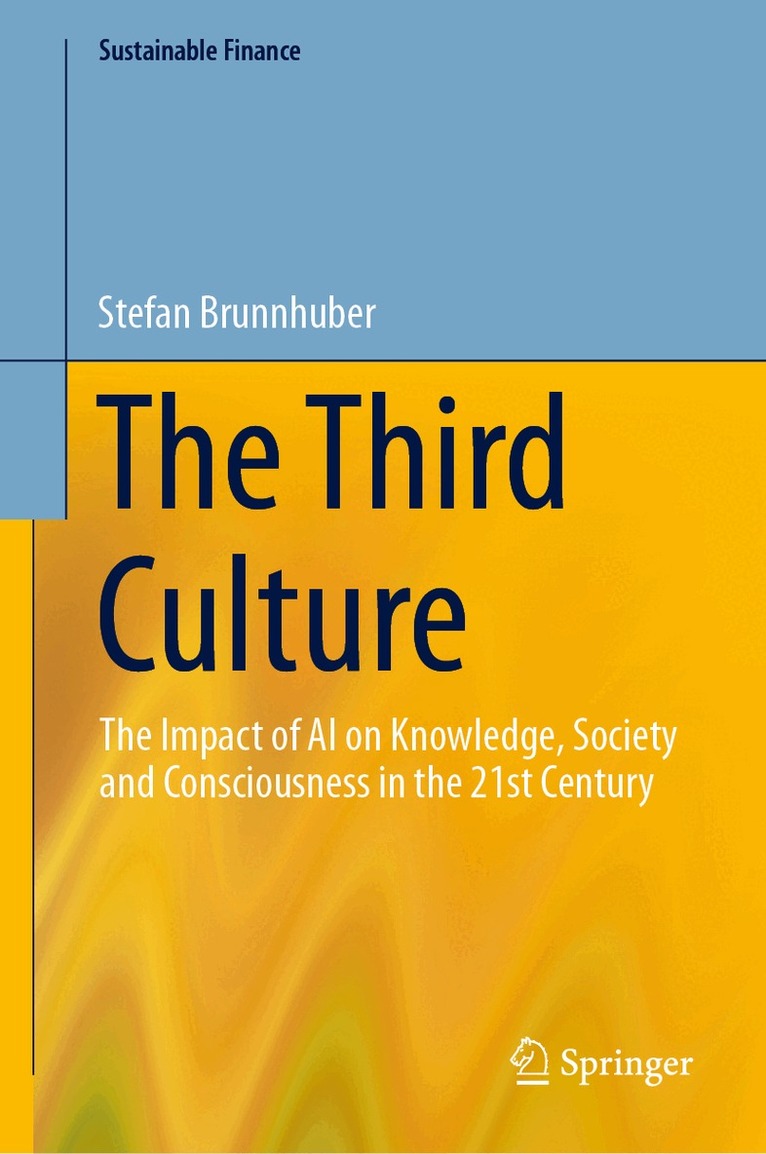
We are currently witnessing the emergence of a ‘third culture’, driven by unprecedented developments that are changing the playing field. These include advances in AI, big data analysis and robotics. The traditional ‘two cultures’ view (S. P. Snow) distinguishes between the sciences and the humanities. The wisdoms these two cultures offer are separated from each other, with little to no interaction or mutual comprehension. However, over the past two decades, and for the first time in human history, a new, third culture has appeared. This new culture, rooted in new technologies, not only pursues its own form of rationality but also supports advances in the original two cultures, deepening and expanding our individual and collective consciousness so that we can see more and do better. It will eventually give rise to new forms of consciousness based not on biochemical signals, but on copper wires and lithium chips. These new machine intelligences will change the world and force us to realise: we are no longer alone. The human species’ position in the twenty-first century will be fundamentally redefined: not as a conductor leading the orchestra, but a single string player within it.
617 kr
Skickas inom 10-15 vardagar
471 kr
Skickas inom 5-8 vardagar
475 kr
Läs direkt efter köp
553 kr
Skickas inom 3-6 vardagar
559 kr
Skickas inom 10-15 vardagar
191 kr
Läs direkt efter köp
267 kr
Skickas inom 3-6 vardagar