Stephanie M. Baran – författare
Visar alla böcker från författaren Stephanie M. Baran. Handla med fri frakt och snabb leverans.
4 produkter
4 produkter
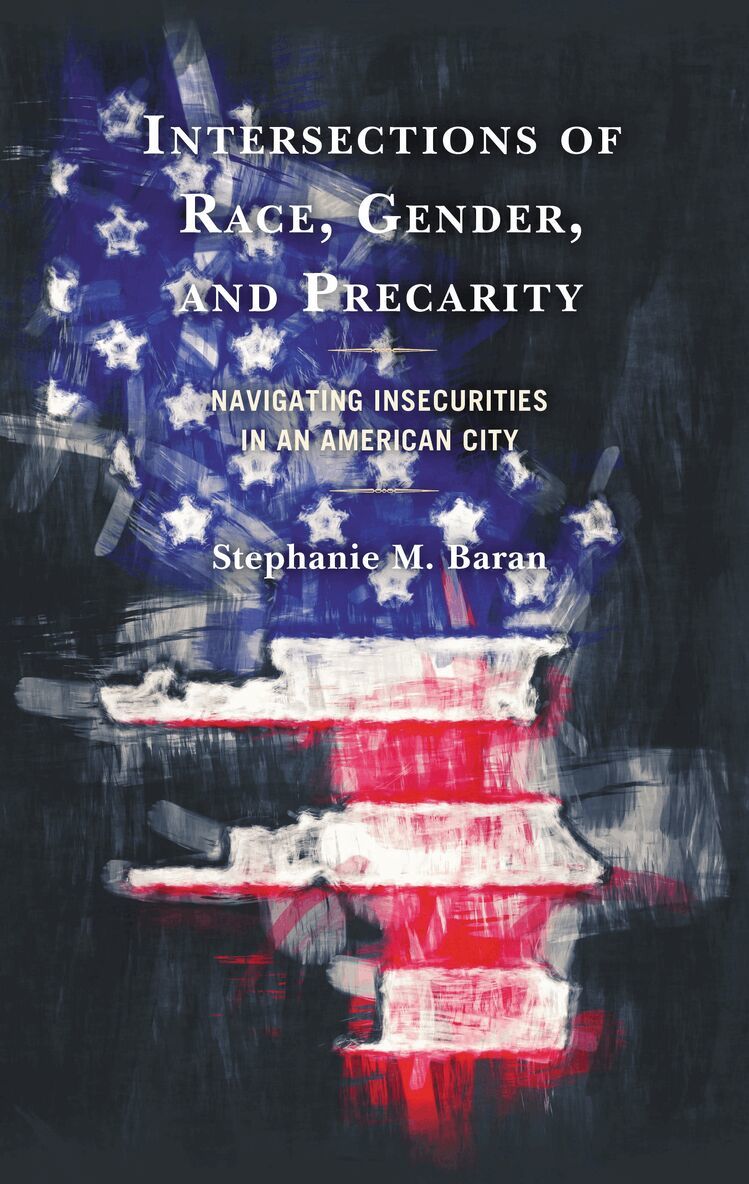
Intersections of Race, Gender, and Precarity
Navigating Insecurities in an American City
Inbunden, Engelska, 2022
1 149 kr
Skickas inom 10-15 vardagar
In Intersections of Race, Gender, and Precarity: Navigating Insecurities in an American City, Stephanie Baran argues that when it comes to assistance the United States government often creates more problems than it solves. These institutions are not in the business of creating a pathway for people to escape poverty, often compounding that poverty instead. Through a two-year ethnographic study of poverty and insecurity in Milwaukee, Wisconsin, the author shows how people navigate situations of poverty through interviews with recipients and organizations as well as those working at a local community pantry. Consequently, research uncovered how local food organizations with connections to the Milwaukee Chapter of the Black Panther Party hide their more radical roots to protect food donations from white donors, in essence protecting white fragility. People are far closer to experiencing poverty than they realize, as shown by the Government Shutdown of 2019 and the ongoing COVID-19 pandemic, and typically have incomplete and inaccurate ideas of poverty as well as how people can experience upward mobility. Intersections of Race, Gender, and Precarity reveals this gap through a focus on how all these factors show up in Milwaukee, Wisconsin.
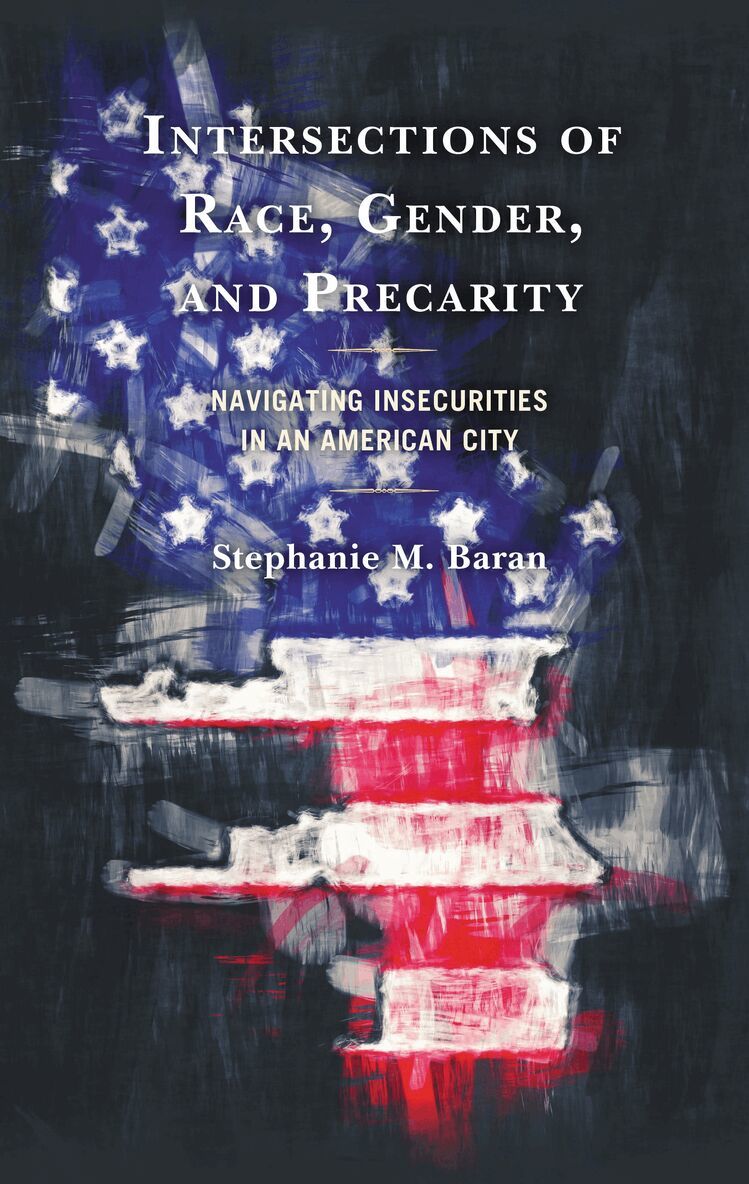
Intersections of Race, Gender, and Precarity
Navigating Insecurities in an American City
Häftad, Engelska, 2023
437 kr
Skickas inom 10-15 vardagar
In Intersections of Race, Gender, and Precarity: Navigating Insecurities in an American City, Stephanie Baran argues that when it comes to assistance the United States government often creates more problems than it solves. These institutions are not in the business of creating a pathway for people to escape poverty, often compounding that poverty instead. Through a two-year ethnographic study of poverty and insecurity in Milwaukee, Wisconsin, the author shows how people navigate situations of poverty through interviews with recipients and organizations as well as those working at a local community pantry. Consequently, research uncovered how local food organizations with connections to the Milwaukee Chapter of the Black Panther Party hide their more radical roots to protect food donations from white donors, in essence protecting white fragility. People are far closer to experiencing poverty than they realize, as shown by the Government Shutdown of 2019 and the ongoing COVID-19 pandemic, and typically have incomplete and inaccurate ideas of poverty as well as how people can experience upward mobility. Intersections of Race, Gender, and Precarity reveals this gap through a focus on how all these factors show up in Milwaukee, Wisconsin.

Death Culture in New Orleans
Second Lines, Cemeteries, and Celebrations of Life
Inbunden, Engelska, 2027
1 570 kr
Kommande
Like an artery through the city of New Orleans, you can hop on the streetcar named ‘cemeteries’ along Canal Street in the bustling French Quarter, full of life, and in a short time be surrounded by a variety of above ground mausoleums. The same streetcar line will take passengers almost like the river Styx to the quiet solemnity of the cemeteries and then return the passengers to the bright livelihood of the French Quarter. The duality of a life lived and the inevitability of death is a thread in the fabric that is New Orleans. Between the second lines that mark the beginnings of weddings and lives lived together to the second lines that mark the lives lived in the afterlife, the co-mingling is ever-present. This book is an ethnographic attempt to explore New Orleans death practices and examine its rich culture. New Orleans appears to capture people’s interests – either for its ‘spooky’ aura, cultural importance, or its race, class and gender issues – and readers can get a simultaneous sense of how importantly and ‘normally’ New Orleans thinks of, handles, and discusses death.
Death Culture in New Orleans
Second Lines, Cemeteries, and Celebrations of Life
Häftad, Engelska, 2027
635 kr
Kommande
Like an artery through the city of New Orleans, you can hop on the streetcar named ‘cemeteries’ along Canal Street in the bustling French Quarter, full of life, and in a short time be surrounded by a variety of above ground mausoleums. The same streetcar line will take passengers almost like the river Styx to the quiet solemnity of the cemeteries and then return the passengers to the bright livelihood of the French Quarter. The duality of a life lived and the inevitability of death is a thread in the fabric that is New Orleans. Between the second lines that mark the beginnings of weddings and lives lived together to the second lines that mark the lives lived in the afterlife, the co-mingling is ever-present. This book is an ethnographic attempt to explore New Orleans death practices and examine its rich culture. New Orleans appears to capture people’s interests – either for its ‘spooky’ aura, cultural importance, or its race, class and gender issues – and readers can get a simultaneous sense of how importantly and ‘normally’ New Orleans thinks of, handles, and discusses death.