Stephanie M H Camp – författare
Visar alla böcker från författaren Stephanie M H Camp. Handla med fri frakt och snabb leverans.
5 produkter
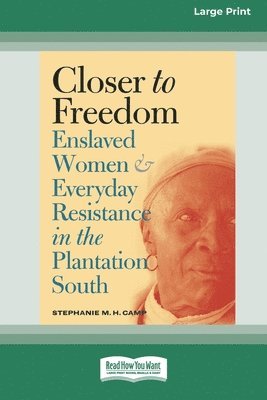
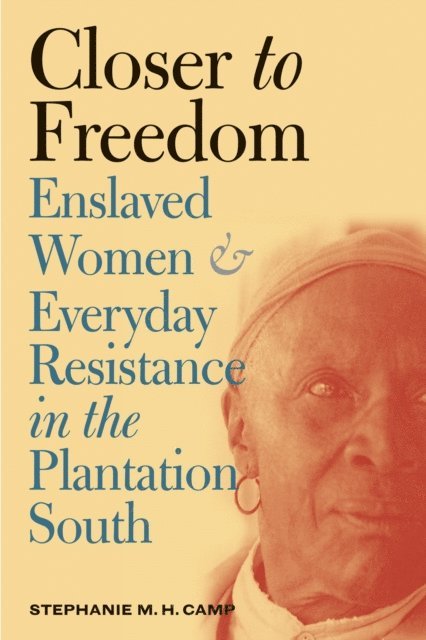
Closer to Freedom
Enslaved Women and Everyday Resistance in the Plantation South (16pt Large Print Edition)
Häftad, 2009
764 kr
Lägg i varukorg
Closer to Freedom
Enslaved Women and Everyday Resistance in the Plantation South
Häftad, 2004
401 kr
Lägg i varukorg
Recent scholarship on slavery has explored the lives of enslaved people beyond the watchful eye of their masters. Building on this work and the study of space, social relations, gender, and power in the Old South, Stephanie Camp examines the everyday containment and movement of enslaved men and, …
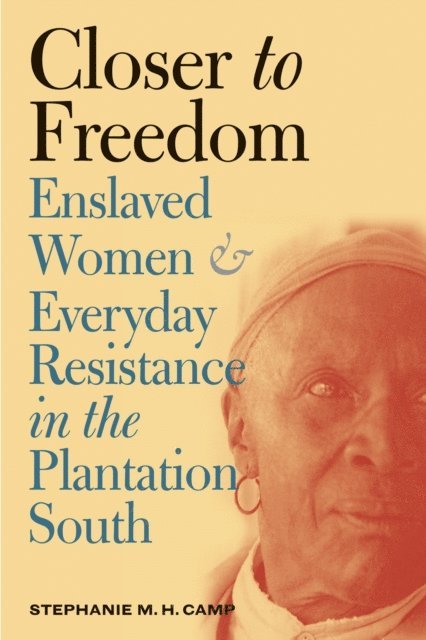
Closer to Freedom
Enslaved Women and Everyday Resistance in the Plantation South
E-bok, 2005
321 kr
Lägg i varukorg
Recent scholarship on slavery has explored the lives of enslaved people beyond the watchful eye of their masters. Building on this work and the study of space, social relations, gender, and power in the Old South, Stephanie Camp examines the everyday containment and movement of enslaved men and, …
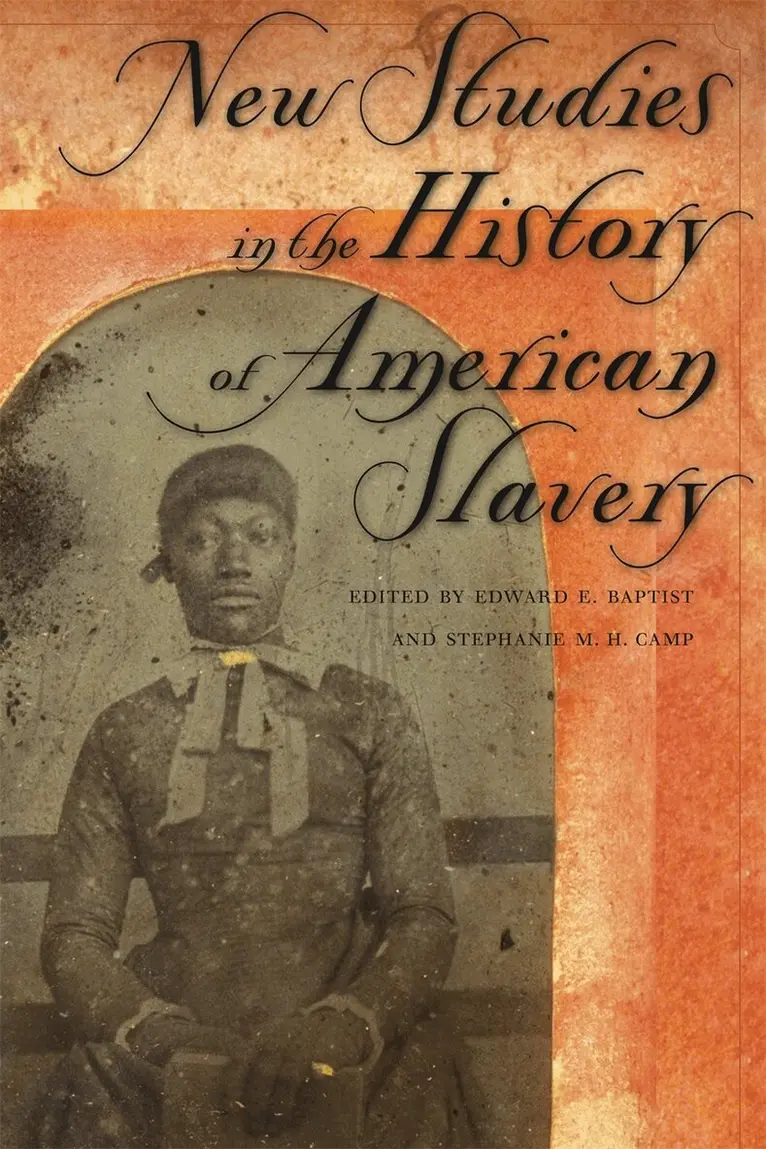
New Studies in the History of American Slavery
Av Edward E. Baptist, Stephanie M. H. Camp
Häftad, 2006
544 kr
Lägg i varukorg
These essays, by some of the most prominent young historians writing about slavery, fill gaps in our understanding of such subjects as enslaved women, the Atlantic and internal slave trades, the relationships between Indians and enslaved people, and enslavement in Latin America. Inventive and …
Closer to Freedom
Enslaved Women and Everyday Resistance in the Plantation South
E-bok, 2005
314 kr
Lägg i varukorg
Recent scholarship on slavery has explored the lives of enslaved people beyond the watchful eye of their masters. Building on this work and the study of space, social relations, gender, and power in the Old South, Stephanie Camp examines the everyday containment and movement of enslaved men and, …