Stephen F. Szabo – författare
Visar alla böcker från författaren Stephen F. Szabo. Handla med fri frakt och snabb leverans.
3 produkter
3 produkter
323 kr
Tillfälligt slut
Based on a 1992 conference held at Dickinson College in Carlisle, Pennsylvania, Discord and Collaboration in a New Europe: Essays in Honor of Arnold Wolfers is a festschrift that includes original essays by some of the most prominent theorists in international relations. Policy makers and scholars from around the globe discuss peace strategies for post-cold war Europe, with their essays addressing the highly respected Yale intellectural Arnold Wolfers' situational ethics theory, originally presented in his seminal book, Discord and Collaboration: Essays on International Politics. The contributors examine the forces of amity and enmity behind world affairs, and discuss political ideas and foreign policy strategies for Europe in the 21st Century. Contents: Foreword; Paul H. Nitze; Preface; Douglas T. Stuart and Stephen F. Szabo; Part I: Arnold Wolfers; The Reluctant Realist; Discord and Collaboration: Enduring Insights of Arnold Wolfers; Douglas T. Stuart; Arnold Wolfers and the Anglo-American Tradition; Laurence Martin; Arnold Wolfers as Theorist and Policy: Remembrance and Reappraisal; George Liska; Part II: Amity and Enmity in Post-Cold War Europe; The Post-Cold War "Settlement" in Comparative Perspective; K.J. Holsti; Discord and Collaboration: Europe's Security Future; Michael Brenner; Part III: The Pursuit of National Security; Going It Alone or Going It With Others; Cooperative Security in Europe: A New Order for the 1990s; Catherine McArdle Kelleher; The Future of U.S.-European Security Cooperation: Trends and Transition in the Post-Cold War International System; Stanley R. Sloan; Does Europe Still Have A Place in U.S. Foreign Policy? A Domestic Politics Argument; Joseph Lepgold; Does Eastern Europe Matter? Its Impact on the International System; Vojtech Mastny; Wolfers and Europe Today; Stephen F. Szabo.
385 kr
Skickas inom 10-15 vardagar
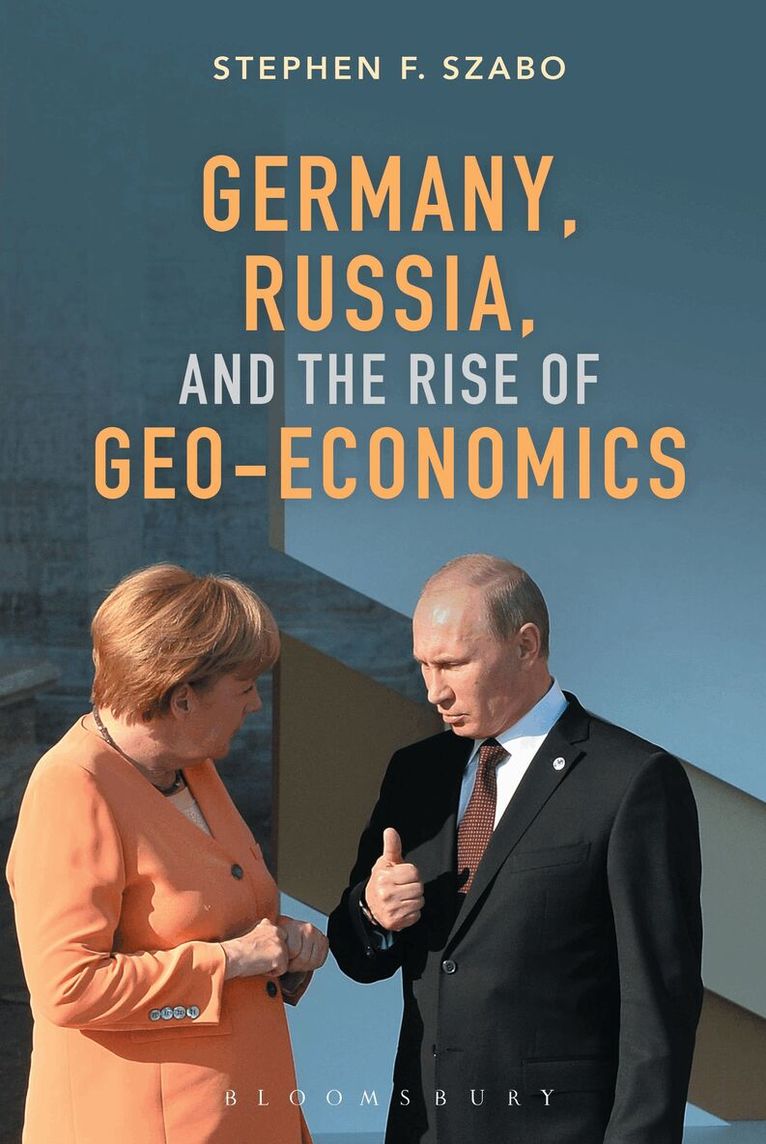
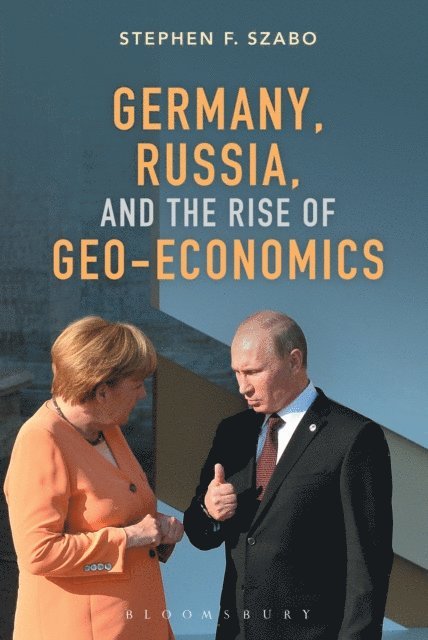
This book is available as open access through the Bloomsbury Open Access programme and is available on www.bloomsburycollections.com.Having emerged from the end of the Cold War as a unified country, Germany has quickly become the second largest exporter in the world. Its economic might has made it the center of the Eurozone and the pivotal power of Europe. Like other geo-economic powers, Germany's foreign policy is characterized by a definition of the national interest in economic terms and the elevation of economic interests over non-economic values such as human rights or democracy promotion. This strategic paradigm is evident in German's relationship with China, the Gulf States and Europe, but it is most important in regard to its evolving policies towards Russia. In this book, Stephen F. Szabo provides a description and analysis of German policy towards Russia, revealing how unified Germany is finding its global role in which its interests do not always coincide with the United States or its European partners. He explores the role of German business and finance in the shaping of foreign policy and investigates how Germany's Russia policy effects its broader foreign policy in the region and at how it is perceived by key outside players such as the United States, Poland and the EU. With reference to public, opinion, the media and think tanks Szabo reveals how Germans perceive Russians, and he uncovers the ways in which its dealings with Russia affect Germany in terms of the importing of corruption and crime.Drawing on interviews with key opinion-shapers, business and financial players and policy makers and on a wide variety of public opinion surveys, media reports and archival sources, his will be a key resource for all those wishing to understand the new geo-economic balance of Europe.
1 761 kr
Skickas inom 10-15 vardagar
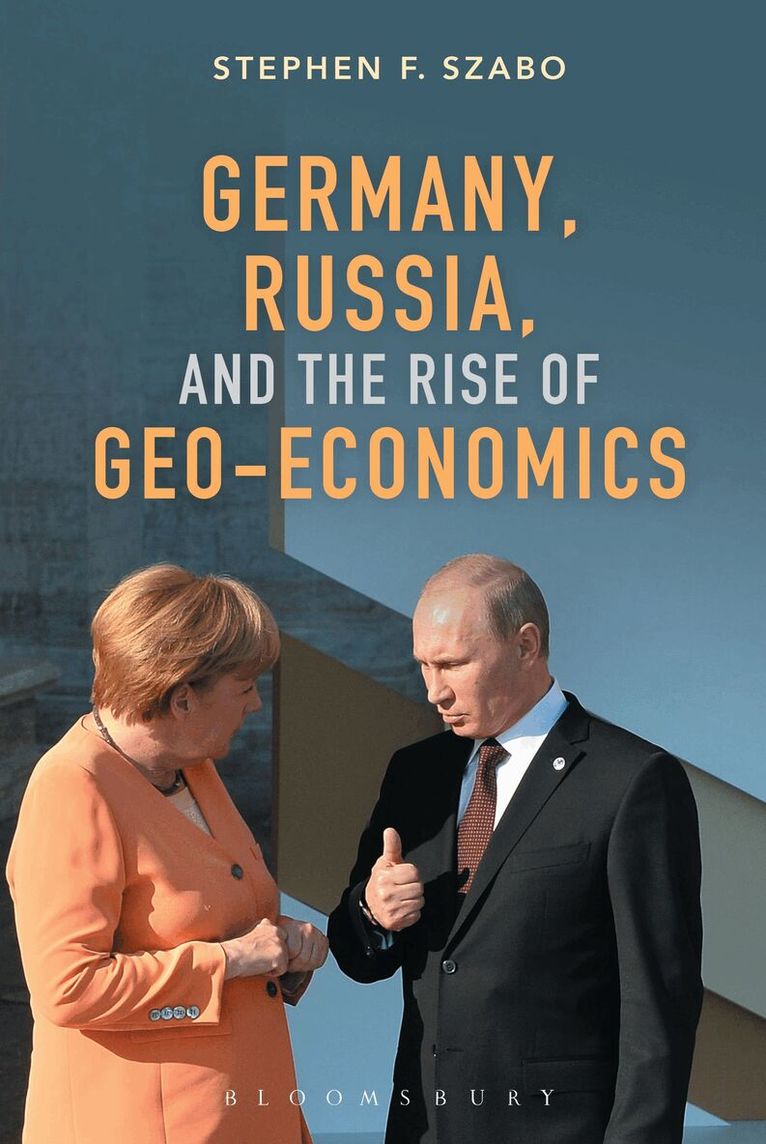
This book is available as open access through the Bloomsbury Open Access programme and is available on www.bloomsburycollections.com.Having emerged from the end of the Cold War as a unified country, Germany has quickly become the second largest exporter in the world. Its economic might has made it the center of the Eurozone and the pivotal power of Europe. Like other geo-economic powers, Germany's foreign policy is characterized by a definition of the national interest in economic terms and the elevation of economic interests over non-economic values such as human rights or democracy promotion. This strategic paradigm is evident in German's relationship with China, the Gulf States and Europe, but it is most important in regard to its evolving policies towards Russia. In this book, Stephen F. Szabo provides a description and analysis of German policy towards Russia, revealing how unified Germany is finding its global role in which its interests do not always coincide with the United States or its European partners. He explores the role of German business and finance in the shaping of foreign policy and investigates how Germany's Russia policy effects its broader foreign policy in the region and at how it is perceived by key outside players such as the United States, Poland and the EU. With reference to public, opinion, the media and think tanks Szabo reveals how Germans perceive Russians, and he uncovers the ways in which its dealings with Russia affect Germany in terms of the importing of corruption and crime.Drawing on interviews with key opinion-shapers, business and financial players and policy makers and on a wide variety of public opinion surveys, media reports and archival sources, his will be a key resource for all those wishing to understand the new geo-economic balance of Europe.