Stephen Milder – författare
Visar alla böcker från författaren Stephen Milder. Handla med fri frakt och snabb leverans.
5 produkter
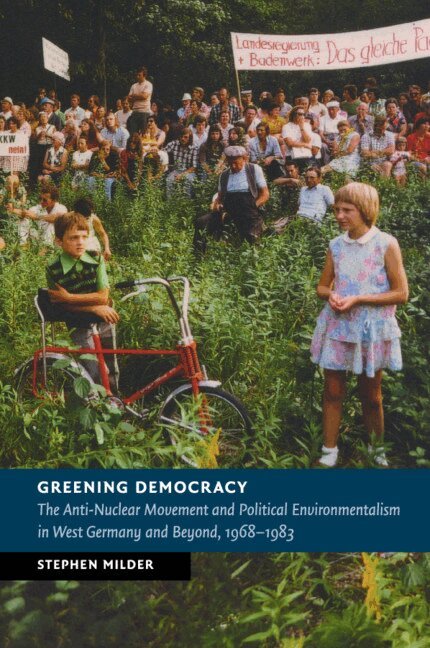
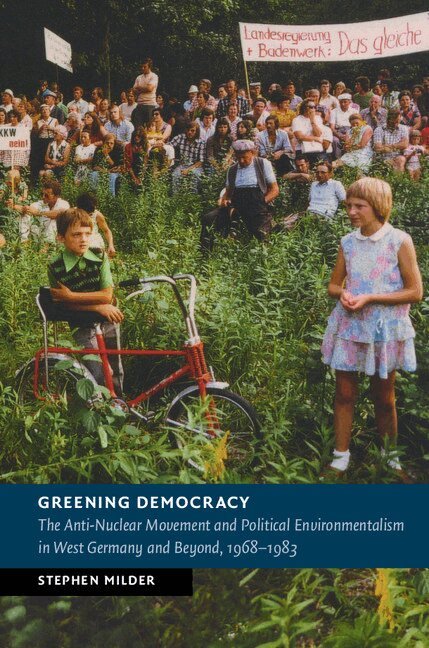
Greening Democracy
The Anti-Nuclear Movement and Political Environmentalism in West Germany and Beyond, 1968-1983
Häftad, 2019
586 kr
Lägg i varukorg
Greening Democracy explains how nuclear energy became a seminal political issue and motivated new democratic engagement in West Germany during the 1970s. Using interviews, as well as the archives of environmental organizations and the Green party, the book traces the development of anti-nuclear …
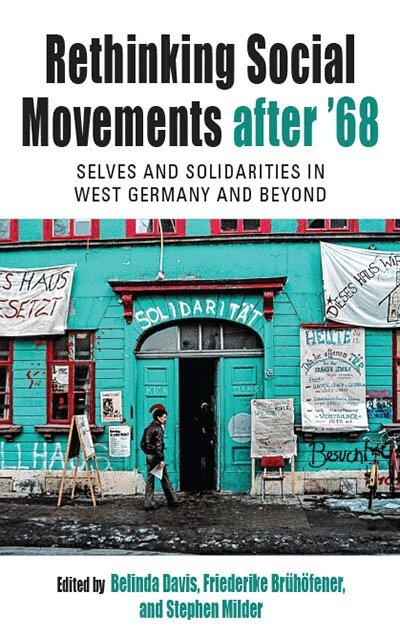
Rethinking Social Movements after '68
Selves and Solidarities in West Germany and Beyond
Av Belinda Davis, Friederike Brühöfener m. fl.
Inbunden, 2022
2186 kr
Lägg i varukorg
The year 1968 has widely been viewed as the only major watershed moment during the latter half of the twentieth century. Rethinking Social Movements after '68 takes on this conventional approach, exploring the spaces, practices, organization, ideas and agendas of numerous activists and movements …
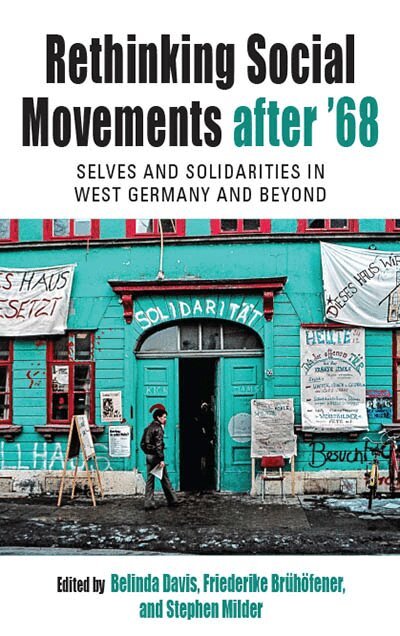
Rethinking Social Movements After '68
Selves and Solidarities in West Germany and Beyond
Av Belinda Davis, Friederike Brühöfener m. fl.
Häftad, 2026
338 kr
Lägg i varukorg
The year 1968 has widely been viewed as the only major watershed moment during the latter half of the twentieth century. Rethinking Social Movements after ’68 takes on this conventional approach, exploring the spaces, practices, organization, ideas and agendas of numerous activists and movements …
Amerika - Europa
Transatlantizismus als Erkenntnisstrategie
Av Sascha Spoun, Lars Rensmann m. fl.
E-bok, 2020
125 kr
Lägg i varukorg
Andrei S. Markovits, geboren als Kind rumänischer Schoa-Überlebender, hat die politischen und akademischen Debatten in Deutschland über Jahrzehnte hinweg mitgeprägt. In den 80ern sezierte der amerikanische Politologe die deutschen Gewerkschaften und deren strukturellen Sexismus, in den 90ern …
Greening Democracy
The Anti-Nuclear Movement and Political Environmentalism in West Germany and Beyond, 1968-1983
Inbunden, 2017
1462 kr
Tillfälligt slut
Greening Democracy explains how nuclear energy became a seminal political issue and motivated new democratic engagement in West Germany during the 1970s. Using interviews, as well as the archives of environmental organizations and the Green party, the book traces the development of anti-nuclear …