Stephen Porter – författare
Visar alla böcker från författaren Stephen Porter. Handla med fri frakt och snabb leverans.
16 produkter
16 produkter
Häftad, Engelska, 2011
140 kr
Skickas
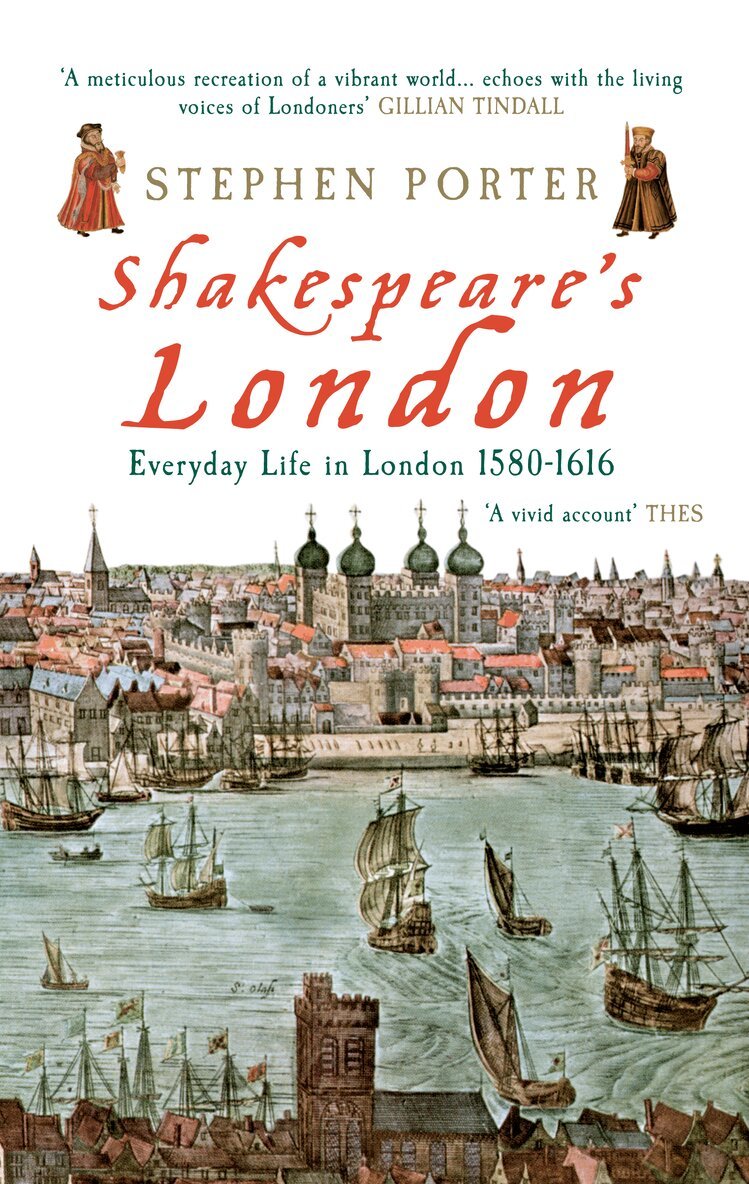
Everyday life in the teeming metropolis during William Shakespeare's time in the city. Shakespeare's London was a bustling, teeming metropolis that was growing so rapidly that the government took repeated, and ineffectual, steps to curb its expansion. From contemporary letters, journals and diaries, a vivid picture emerges of this fascinating city, with its many opportunities and also its persistent problems. By far the largest city in the country, it was the centre of government, the law and the church, the focus of politics and culture. It had a vigorous economy, with a range of industries and a lucrative trade in luxury goods for the courtiers and wealthy citizens. Growth produced overcrowding and high mortality, with shockingly high death tolls during the periodic plague epidemics, yet London attracted an endless stream of people, who were absorbed into its diverse communities and economic structures. Here the first playhouses were built, patronised by large audiences, who were treated to a rich and varied diet of plays to keep them, and the court, entertained. The London that Shakespeare knew was an expanding, changing and exciting city.
Häftad, Engelska, 2009
117 kr
Skickas
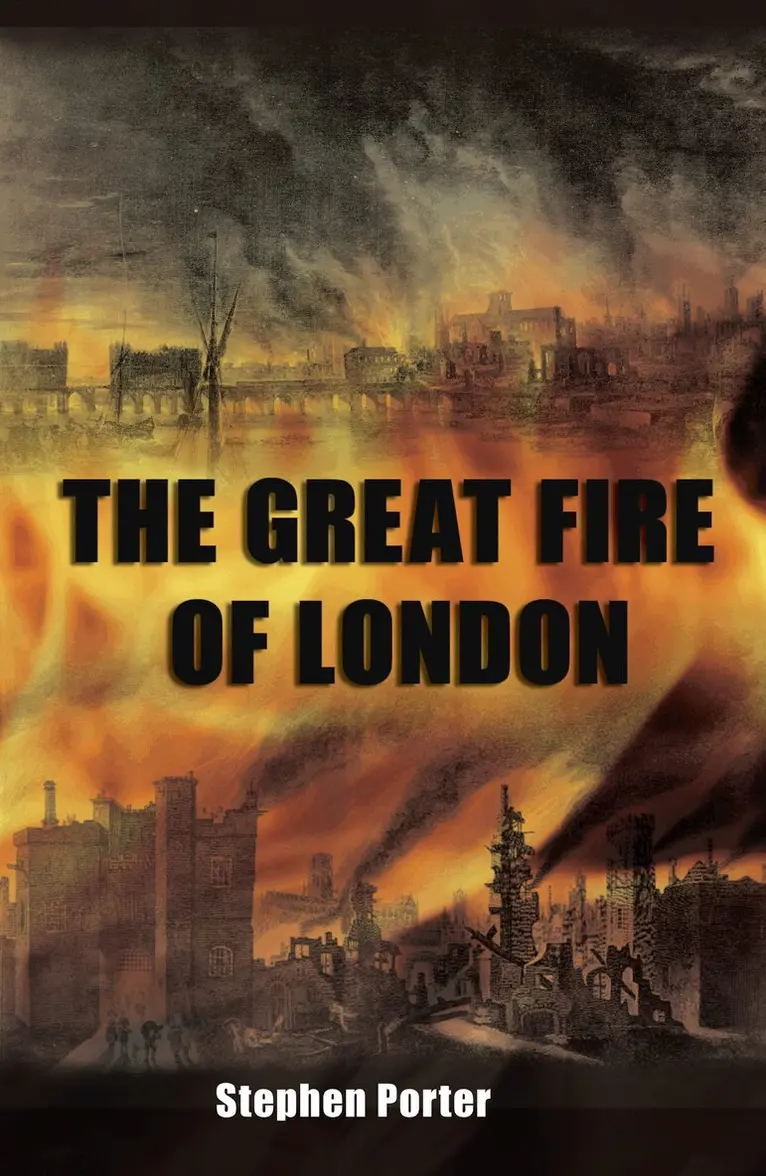
The Great Fire of London was the greatest catastrophe of its kind in Western Europe. Although detailed fire precautions and fire-fighting arrangements were in place, the fire raged for four days and destroyed 13,200 houses, 87 churches and 44 of the City of London's great livery halls. The 'great fire' of 1666 closely followed by the 'great plague' of 1665; as the antiquary Anthony Wood wrote left London 'much impoverished, discontented, afflicted, cast downe'.In this comprehensive account, Stephen Porter examines the background to 1666, events leading up to and during the fire, the proposals to rebuild the city and the progress of the five-year programme which followed. He places the fire firmly in context, revealing not only its destructive impact on London but also its implications for town planning, building styles and fire precautions both in the capital and provincial towns.
Del 1 - Bull Pen Chronicles
Bull Pen Chronicles
I-Witnessed Brouhaha of a Stony Mountain Game Warden
Inbunden, Engelska, 2020
270 kr
Skickas inom 5-8 vardagar
Häftad, Engelska, 2021
162 kr
Skickas
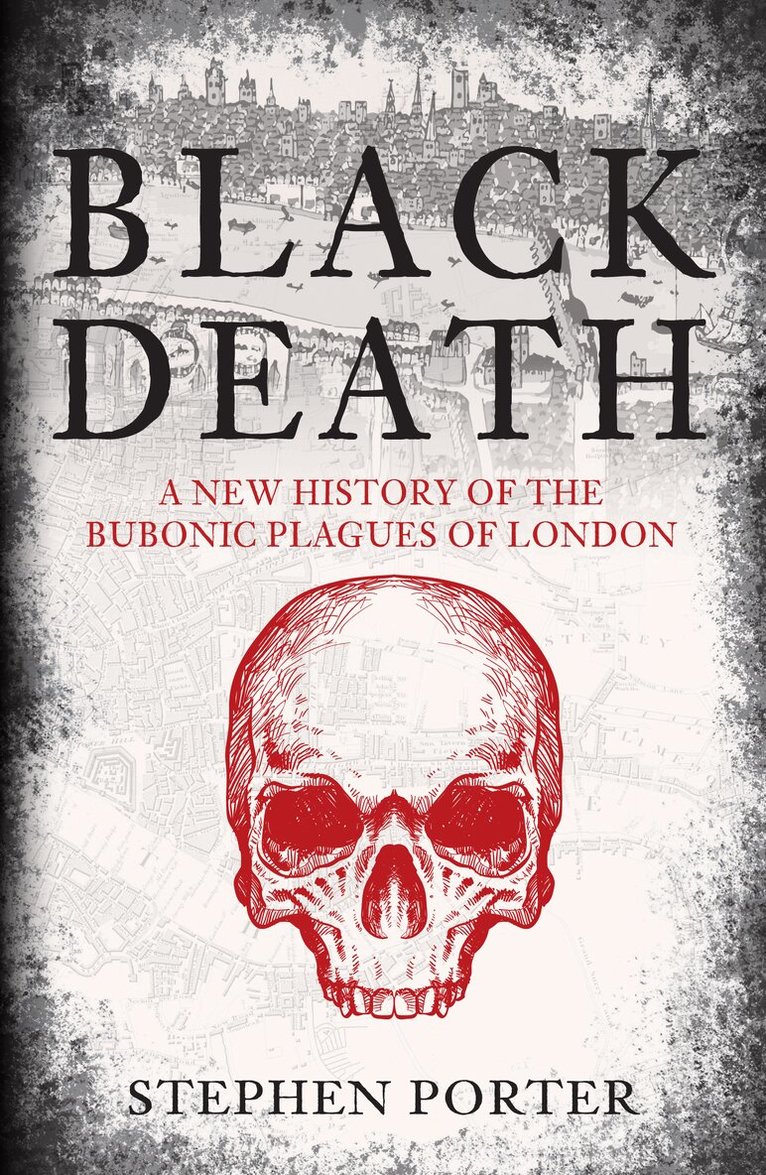
Evidence of the foulness and cruelty of the greatest catastrophe ever to hit London is still being unearthed under the streets of the capital today. The fresh plague pits containing thousands of skeletons uncovered during the construction of Crossrail are a reminder of the painful, drawn-out death suffered by Londoners as pustules and abscesses broke out all over their bodies. Plague has been a scourge of mankind since its onset in the sixth century. Its distinctive and repulsive symptoms, the excruciatingly painful effects inflicted on its victims, with a very high mortality rate, evoked a fear and repulsion that was caused by no other disease. Attempts to control its spread proved futile.The second plague pandemic in Europe began when the disease reached Sicily in October 1347. From there it spread remorselessly across the entire continent and erupted in London in the autumn of 1348, killing at least one-third, and perhaps one-half, of its inhabitants. As the largest city in England, London suffered a higher death-toll than any other community during the many subsequent outbreaks. Tudor and Stuart London was a city afflicted by plague, yet its population continued to grow inexorably, as it drew people from the rest of the country to replace the losses. Plague’s last visitation came in 1665 and was its most destructive, claiming at least 70,000 victims in the space of just eight months and becoming known as the Great Plague. The legacy of plague has been a dread that has scarcely been overcome even today.
Häftad, Engelska, 2024
120 kr
Skickas
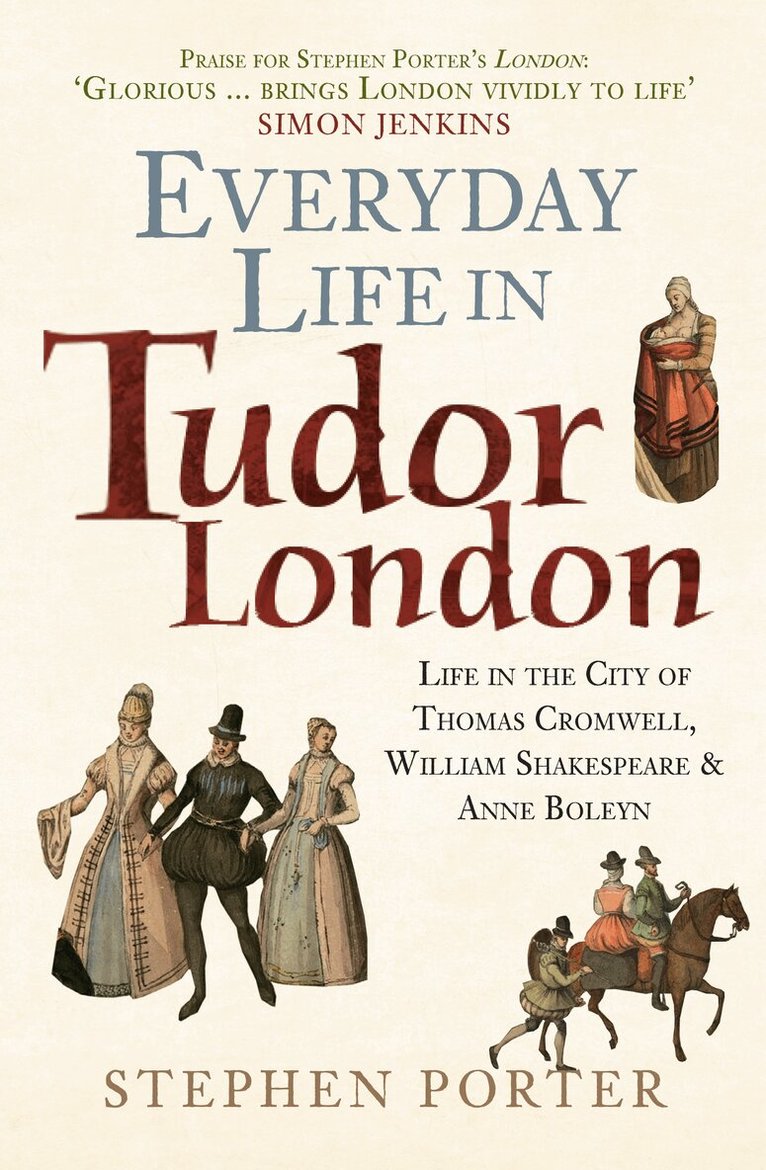
Tudor London was a vibrant capital city, the very hub of English cultural and political life. The thriving metropolis had a strong royal presence, at the long established Tower of London and Westminster, and later at the palaces of Whitehall, Bridewell and St James’s, built by Henry VIII to host his glittering court. Anne Boleyn was assigned a house in the Strand, with gardens running down to the river, while Elizabeth I stayed occasionally at Somerset House.The great and the good gravitated to the city too: Erasmus lodged with Sir Thomas More and his family in Bucklesbury, off Cheapside; Sir Walter Raleigh wrote poetry in his study in Durham House, overlooking the Thames and William Shakespeare lodged in Silver Street. Like today, streets and areas grew up with their own distinct personality: Bankside and Shoreditch were the first theatre and entertainment districts where the Globe Theatre was built to sit alongside the bear-baiting rings. Londoners themselves, and the many immigrants who flocked from the continent, created a lively, raucous society in the streets, markets and the hundreds of inns and ale-houses.Everyday Life in Tudor London vividly recreates this colourful city.
Inbunden, Engelska, 2023
211 kr
Skickas
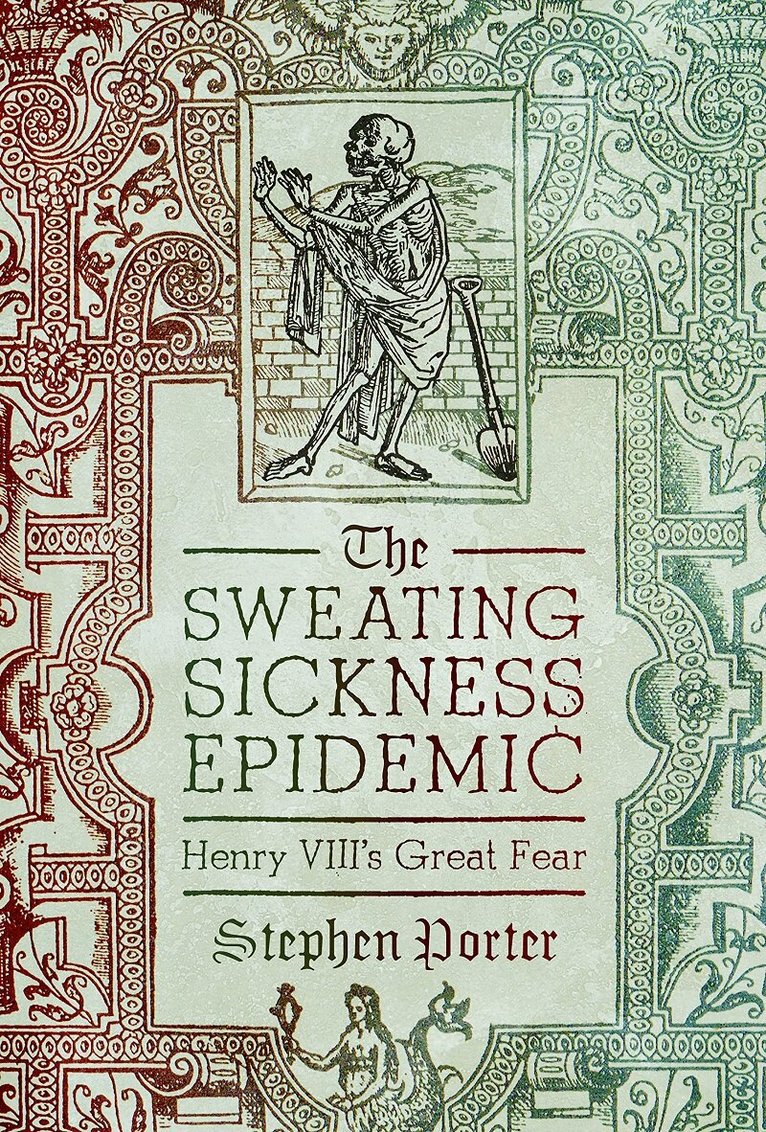
Among the array of diseases which brought death to Tudor England, the sweating sickness stood out, for the speed with which it struck, its dreadful effects on its victims and the death rates which it produced, that together generated a fear verging on panic when it was identified. The sweating sickness attacked the cities, towns and the countryside, not sparing the palaces. It threatened everyone, from the king in his castle to the beggars at his gates, including members of the dynasty and the political structure, the courtiers and those who directed the government, the church and the law. Contemporaries could do little more than make a bolt for it, and that included the king and his closest advisors, who moved furtively in a small group from one house to another away from London. The principal epidemics came between 1485, when it made its first appearance, and 1551, and it was confined to England and Wales, apart from one major eruption across northern Europe in 1529. Known as the English disease, this rapidly acting virus became Henry VIII's overriding fear, aggravating his well-known hypochondria and controlling his movements.The nature of the sweating sickness, its incidence and impact are all examined in this book, in the context not only of Tudor England and the problems of the Henrician succession, but also in the context of epidemic disease in Europe more widely. This book teases out the similarities and differences between 'the sweat' and its better-known, if equally feared, contemporary infectious disease, bubonic plague.
Häftad, Engelska, 2015
140 kr
Skickas
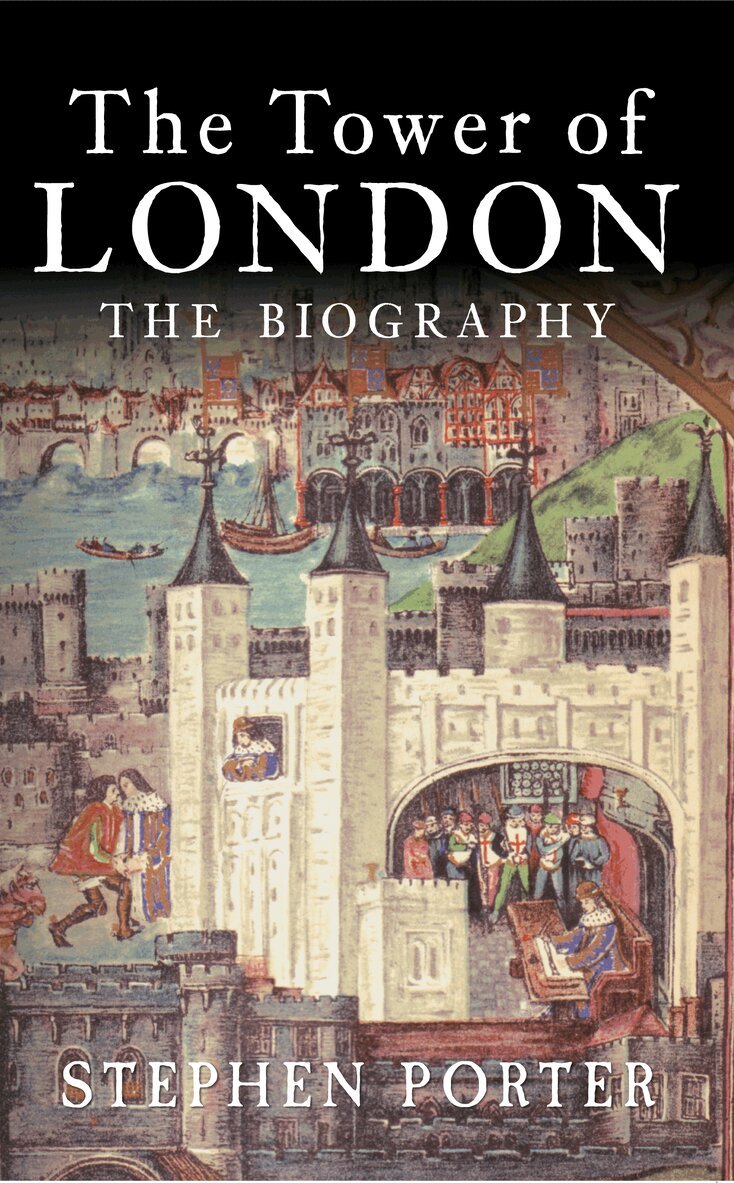
The Tower of London is an icon of England’s history. William the Conqueror built the White Tower after his invasion and conquest in 1066 to dominate London, and it has become infamous as a place of torture, execution and murder.The deaths of royals attracted most attention: the murder of the Princes in the Tower, the beheading of Henry VIII’s wives Anne Boleyn and Katherine Howard, and Lady Jane Grey, Henry’s great-niece, and queen for just nine days. Few prisoners recorded their experiences, but John Gerard, a Catholic priest imprisoned during Elizabeth I’s reign, wrote of being questioned in the torture room, which contained ‘every device and instrument of torture’. After being hung from manacles, his wrists were swollen and he could barely walk. Members of the aristocracy could not be tortured, and those incarcerated for a long time used their time to write. Sir Walter Raleigh wrote his vast History of the World in the Tower.Control of the Tower was vital at times of crisis, during rebellions and civil wars. It has also been the country’s principal arsenal. It housed the Royal Mint, the national archives, the Crown jewels and wealthy Londoners’ riches, and in the royal menagerie it contained one of the earliest zoos. Stephen Porter’s landmark history traces the evolution of the Tower and its changing role, the many personalities who lived or were imprisoned there, and the ‘voices’ of contemporaries during the Tower’s long history, spanning more than 900 years.
Häftad, Engelska, 2018
160 kr
Skickas
Tudor London was a vibrant capital city, the very hub of English cultural and political life. The thriving metropolis had a strong royal presence, at the long established Tower of London and Westminster, and later at the palaces of Whitehall, Bridewell and St James’s, built by Henry VIII to host his glittering court. Anne Boleyn was assigned a house in the Strand, with gardens running down to the river, while Elizabeth I stayed occasionally at Somerset House.The great and the good gravitated to the city too: Erasmus lodged with Sir Thomas More and his family in Bucklesbury, off Cheapside; Sir Walter Raleigh wrote poetry in his study in Durham House, overlooking the Thames and William Shakespeare lodged in Silver Street. Like today, streets and areas grew up with their own distinct personality: Bankside and Shoreditch were the first theatre and entertainment districts where the Globe Theatre was built to sit alongside the bear-baiting rings. Londoners themselves, and the many immigrants who flocked from the continent, created a lively, raucous society in the streets, markets and the hundreds of inns and ale-houses.Everyday Life in Tudor London vividly recreates this colourful city.
Del 1 - Dikaió
Ex Magica
Diakió Book 1
Häftad, Engelska, 2022
256 kr
Skickas inom 5-8 vardagar
Del 1 - Dikaió
Ex Magica
Dikaió Book 1
Inbunden, Engelska, 2022
413 kr
Skickas inom 5-8 vardagar
Del 2 - Dikaió
Ex Librum
Dikaió Book II
Häftad, Engelska, 2023
342 kr
Skickas inom 5-8 vardagar
Del 2 - Dikaió
Ex Librum
Dikaió Book II
Inbunden, Engelska, 2023
509 kr
Skickas inom 5-8 vardagar
Del 3 - Dikaió
Ex Natu
Dikaió Book 3
Häftad, Engelska, 2025
291 kr
Skickas inom 5-8 vardagar
Del 3 - Dikaió
Ex Natu
Dikaió Book 3
Inbunden, Engelska, 2025
499 kr
Skickas inom 5-8 vardagar
Häftad, Engelska, 2005
187 kr
Tillfälligt slut
Plague was the most deadly disease across Europe for more than four hundred years after the onset of the Black Death in the 1340s. Because of the number of its victims, the foulness of the disease, the disruption which it caused and the literature which it generated, plague has cast a very long shadow, and its reputation is such that it still makes headlines and has the capacity to frighten us.As England's biggest city and an international seaport, London was especially vulnerable and suffered periodic epidemics, some of which killed at least one-fifth of its population and brought normal life to a virtual standstill. Only after the Great Plague of 1665 had claimed more victims than any previous outbreak was the city free from the ravages of the disease. In this absorbing history Stephen Porter uses the voices of stricken Londoners themselves to describe what life was like in the plague-riven capital.
Häftad, Engelska, 2008
129 kr
Tillfälligt slut
Plague was the most deadly disease across Europe for more than four hundred years after the onset of the Black Death in the 1340s. Because of the number of its victims, the foulness of the disease, the disruption which it caused and the literature which it generated, plague has cast a very long shadow, and its reputation is such that it still makes headlines and has the capacity to frighten us. As England’s biggest city and an international seaport, London was especially vulnerable and suffered periodic epidemics, some of which killed at least one-fifth of its population and brought normal life to a virtual standstill. Only after the Great Plague of 1665 had claimed more victims than any previous outbreak was the city free from the ravages of the disease. In this absorbing history Stephen Porter uses the voices of stricken Londoners themselves to describe what life was like in the plague-riven capital.