Stephen R. Cosh – författare
Visar alla böcker från författaren Stephen R. Cosh. Handla med fri frakt och snabb leverans.
2 produkter
2 produkter
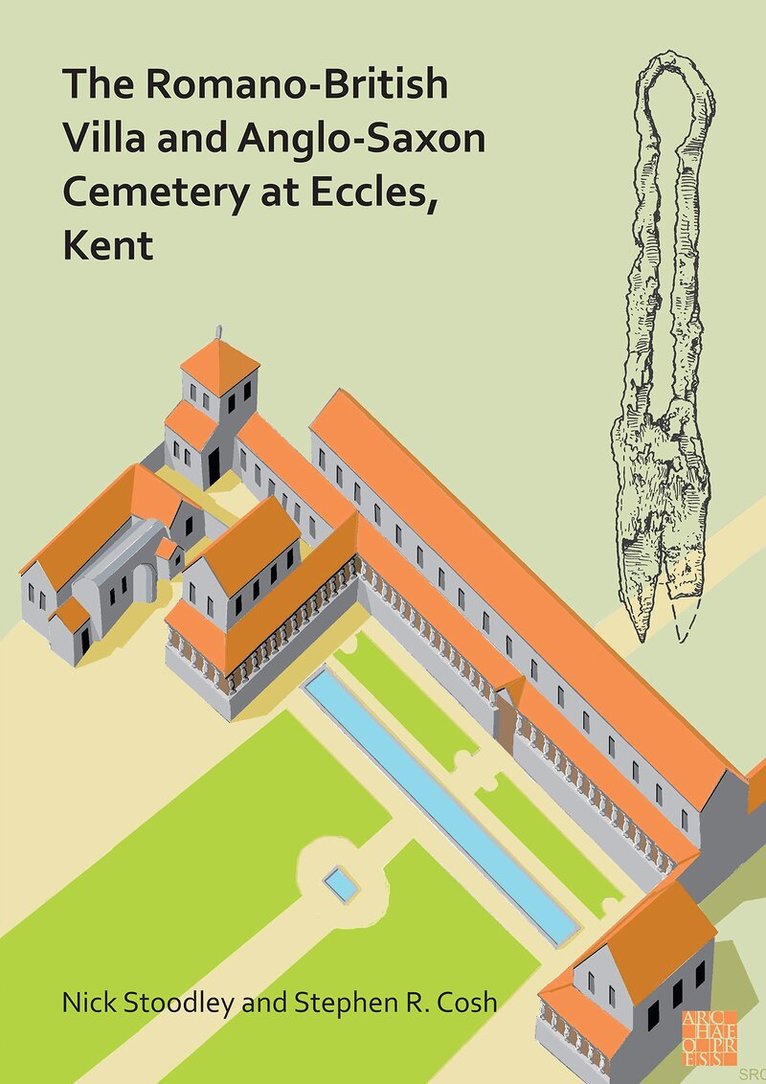
Romano-British Villa and Anglo-Saxon Cemetery at Eccles, Kent
A Summary of the Excavations by Alex Detsicas with a Consideration of the Archaeological, Historical and Linguistic Context
Häftad, Engelska, 2021
677 kr
Tillfälligt slut
The Romano-British Villa and Anglo-Saxon Cemetery at Eccles, Kent presents a study of the central and lower Medway valley during the 1st millennium AD. It takes as its focus the Eccles Roman villa and Anglo-Saxon cemetery, excavated between 1962–1976 and directed by Alec Detsicas. An account of this important villa throughout its long history is outlined, and a re-assessment of the architectural evidence which Detsicas presented, with fresh interpretations, is provided. In the middle of the 7th century, a large Anglo-Saxon cemetery was established south of the villa. It started as a typical ‘Final Phase’ cemetery but continued into the late Saxon period. The evidence from the cemetery is presented as a site report, with a burial catalogue, a discussion of the grave goods and a study of the wider aspects of mortuary practice. The monograph also includes a chapter on some fragmentary Iron Age evidence and a discussion of an Anglo-Saxon timber building and its relationship to the cemetery. The evidence from the villa and Anglo-Saxon cemetery is discussed within the context of the Medway valley, which highlights the important contribution that Eccles makes to archaeological knowledge. The significance of the area is further investigated by studies devoted to the pre-English place-names of the valley and the documentary evidence of the area during the Anglo-Saxon period. The volume concludes with a general discussion, which draws together all the strands of evidence and evaluates the significance of the Medway valley during the 1st millennium AD.
453 kr
Skickas
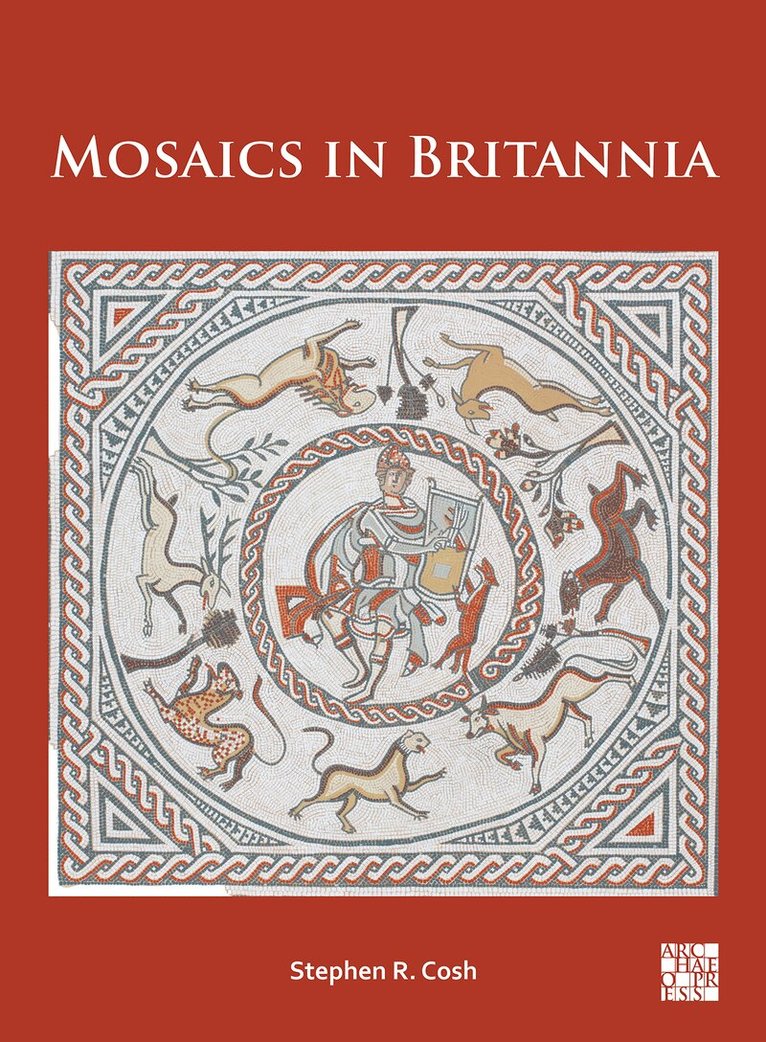
Mosaics in Britannia provides an authoritative overview of Romano-British mosaics, including how they were made and maintained, how the craft was organised, the geometric designs and the subject matter, source and significance of the figured pavements. Also considered is the mosaics’ place within the buildings they adorned, and what they tell us about the social dynamics of the residence and baths. The book ends with the fate of mosaics in the late Roman period and thereafter, including their recording upon rediscovery and their display. Although Romano-British pictorial mosaics seldom attain the artistic brilliance of those around the Mediterranean, they often have sophisticated content. Several demonstrate a good knowledge of classical literature, arguably more so than most other provinces, which is perhaps surprising to those who have assumed that Roman Britain was a backwater at the extreme edge of the Roman Empire.