Steven F. Hayward – författare
Visar alla böcker från författaren Steven F. Hayward. Handla med fri frakt och snabb leverans.
15 produkter
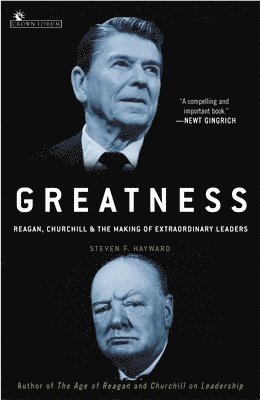
Greatness
Reagan, Churchill, and the Making of Extraordinary Leaders
Häftad, 2006
210 kr
Lägg i varukorg
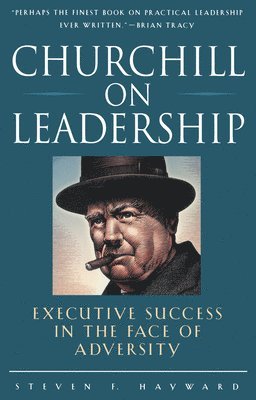
Churchill on Leadership: Executive Success in the Face of Adversity
Häftad, 1998
213 kr
Lägg i varukorg
Mere Environmentalism
A Biblical Perspective on Humans and the Natural World
Häftad, 2010
129 kr
Lägg i varukorg
As debates over climate change rage in Washington and Americans become ever more conscientious about going green, Christians are increasingly concerned about the proper relationship between faith and environmentalism. Are human beings a drain on God's perfect creation? Do we really own the land we …
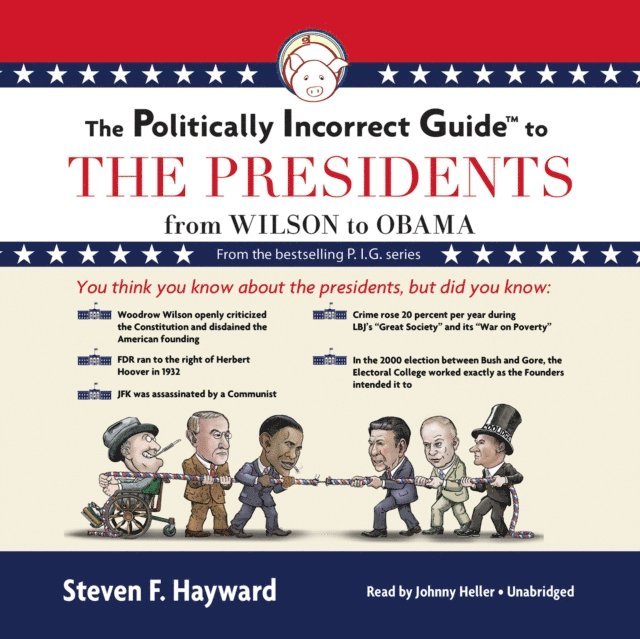
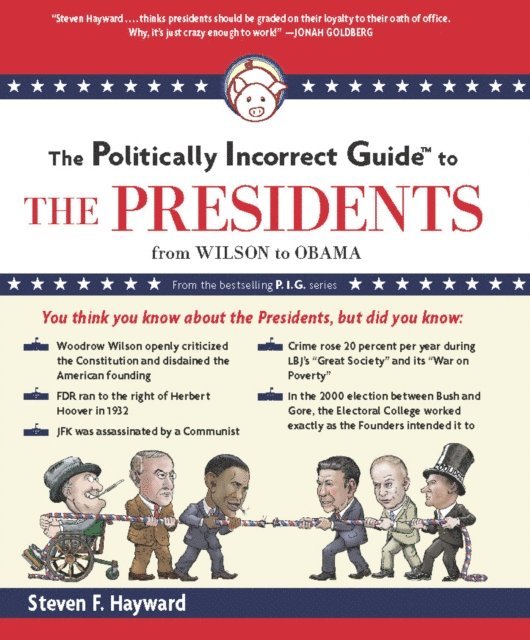
Politically Incorrect Guide to the Presidents
From Wilson to Obama
Ljudbok, 2012
285 kr
Lägg i varukorg
What makes a president great? Academics, journalists, and popular historians agree: our greatest presidents are the ones who confronted a national crisis and mobilized the entire nation to face it. That''s the conventional wisdom. The chief executives who are celebrated in textbooks and placed in …
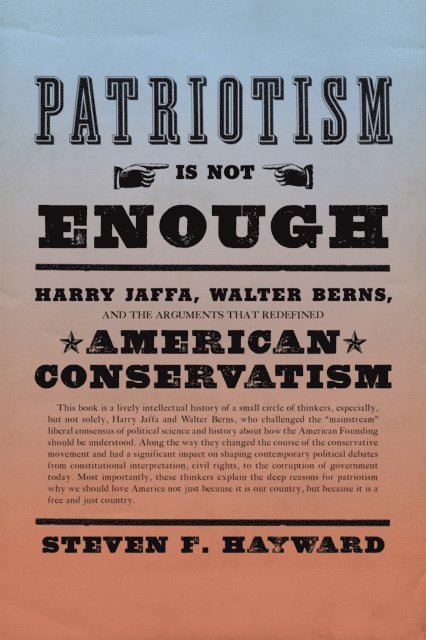
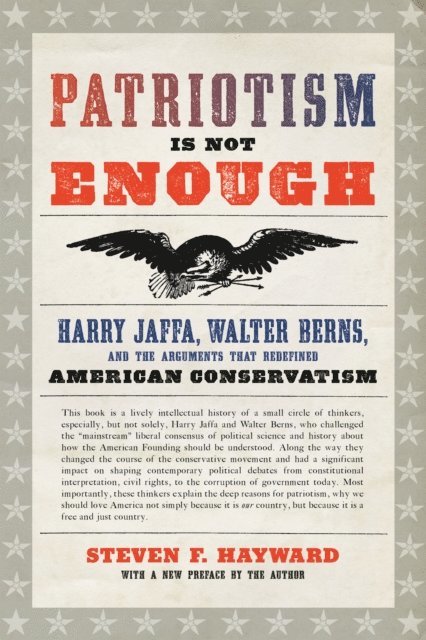
Patriotism Is Not Enough
Harry Jaffa, Walter Berns, and the Arguments that Redefined American Conservatism
E-bok, 2017
337 kr
Lägg i varukorg
This book is a lively intellectual history of a small circle of thinkers, especially, but not solely, Harry Jaffa and Walter Berns, who challenged the "mainstream" liberal consensus of political science and history about how the American Founding should be understood. Along the way they changed the …
Real Jimmy Carter
How Our Worst Ex-President Undermines American Foreign Policy, Coddles Dictators and Created the Party of Clinton and Kerry
E-bok, 2004
260 kr
Lägg i varukorg
This book reveals a man who has been given a dangerously free pass by historians, but who in reality is not only a failed ex-president, but as vindictive as he is egotitical, and a self-righteous busybody who leaves diaster in his wake.
Politically Incorrect Guide to the Presidents
From Wilson to Obama
E-bok, 2012
260 kr
Lägg i varukorg
Larry Schweikart, a retired history professor, is ready to set the record straight on the American presidents. He goes through each of the first 26 presidents from Washington to Taft and debunks myths, lies, and fake news made fact by the uninformed. Discover why George Washington favored American …
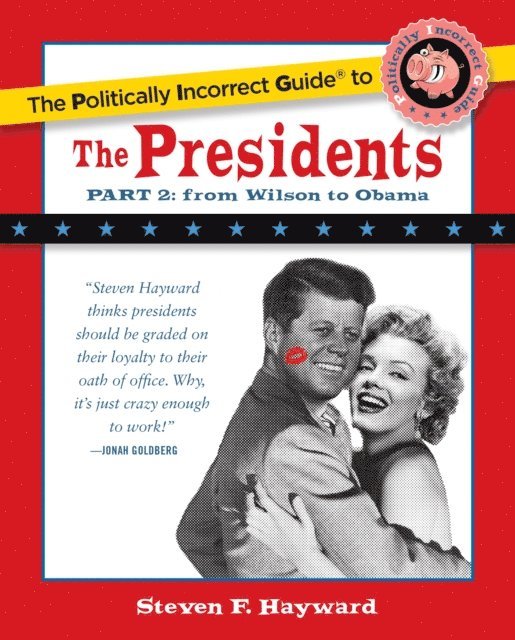
Politically Incorrect Guide to the Presidents, Part 2
From Wilson to Obama
E-bok, 2017
260 kr
Lägg i varukorg
A book to challenge the status quo, spark a debate, and get people talking about the issues and questions we face as a country!
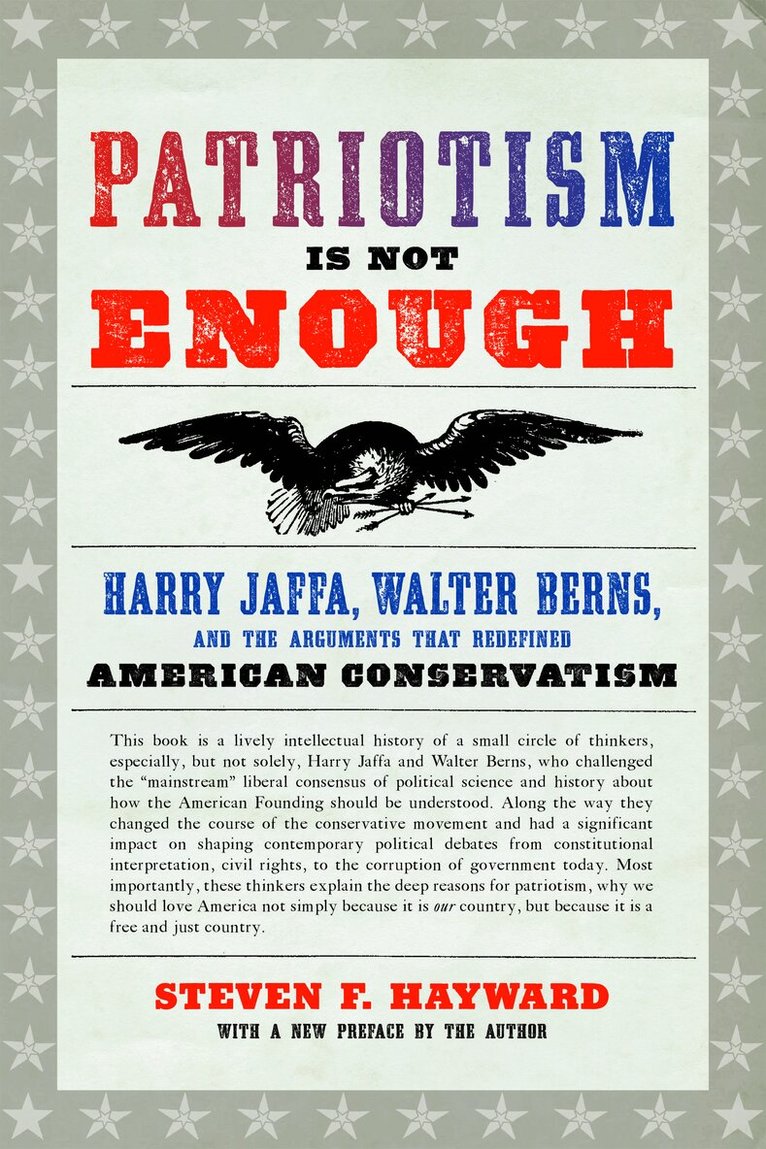
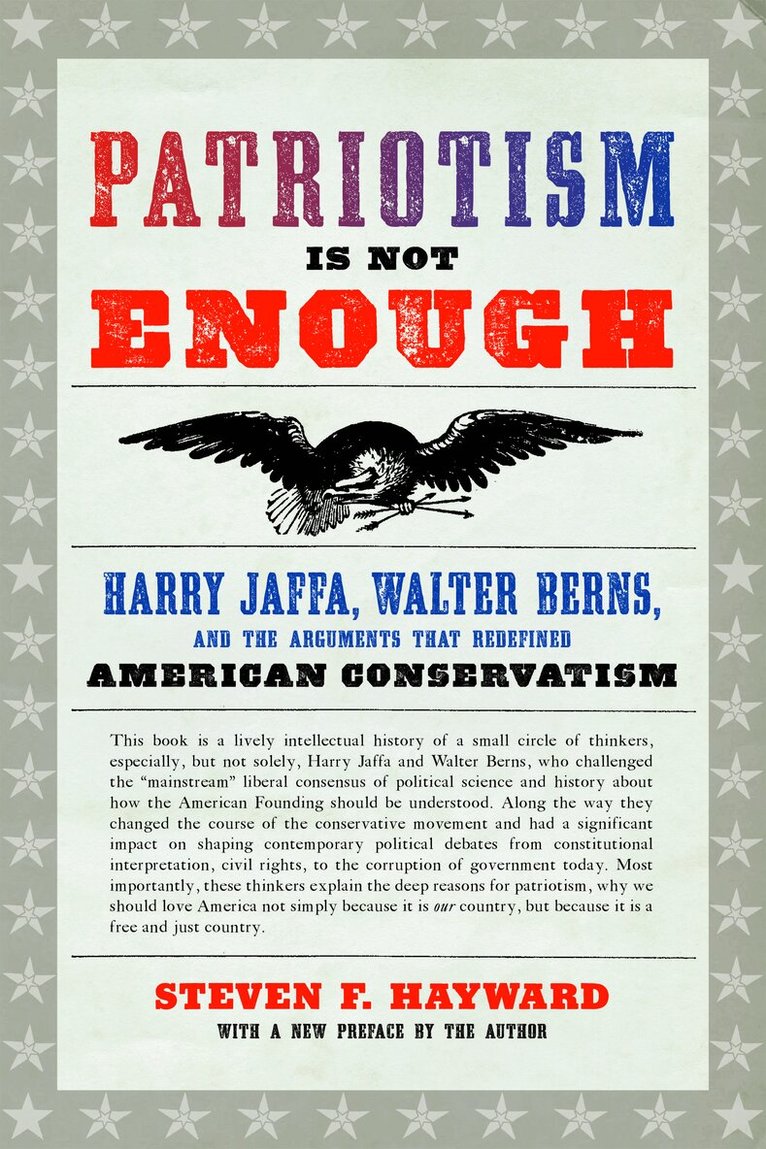
Patriotism Is Not Enough
Harry Jaffa, Walter Berns, and the Arguments that Redefined American Conservatism
Häftad, 2019
160 kr
Lägg i varukorg
This book is a lively intellectual history of a small circle of thinkers, especially, but not solely, Harry Jaffa and Walter Berns, who challenged the "mainstream" liberal consensus of political science and history about how the American Founding should be understood. Along the way they changed the …
Patriotism Is Not Enough
Harry Jaffa, Walter Berns, and the Arguments that Redefined American Conservatism
E-bok, 2018
225 kr
Lägg i varukorg
This book is a lively intellectual history of a small circle of thinkers, especially, but not solely, Harry Jaffa and Walter Berns, who challenged the "mainstream" liberal consensus of political science and history about how the American Founding should be understood. Along the way they changed the …
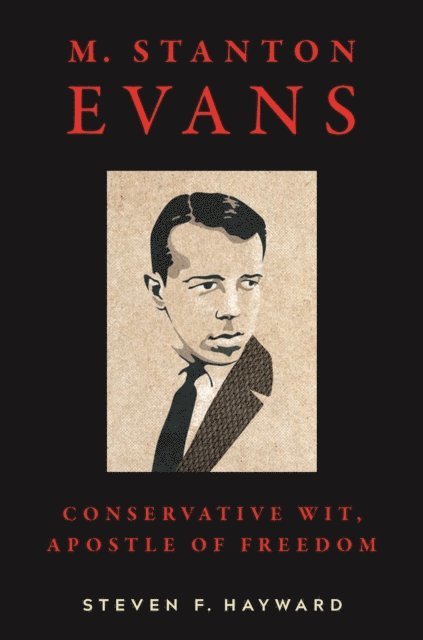
M. Stanton Evans
Conservative Wit, Apostle of Freedom
E-bok, 2022
461 kr
Lägg i varukorg
M. Stanton Evans (d. 2015) was one of the unsung heroes and key figures of the modern conservative movement, offering a model to be remembered and emulated in both thought and deed. A person of extraordinary breadth, he combined the roles of journalist, first-rank thinker, and political action, …
Plague of Models
How Computer Modeling Corrupted Environmental,
Av Kenneth P Green, Benjamin Zycher m. fl.
Häftad, 2023
189 kr
Lägg i varukorg
Patriotism Is Not Enough
Harry Jaffa, Walter Berns, and the Arguments that Redefined American Conservatism
Inbunden, 2017
228 kr
Tillfälligt slut
This book is a lively intellectual history of a small circle of thinkers, especially, but not solely, Harry Jaffa and Walter Berns, who challenged the "mainstream" liberal consensus of political science and history about how the American Founding should be understood. Along the way they changed the …
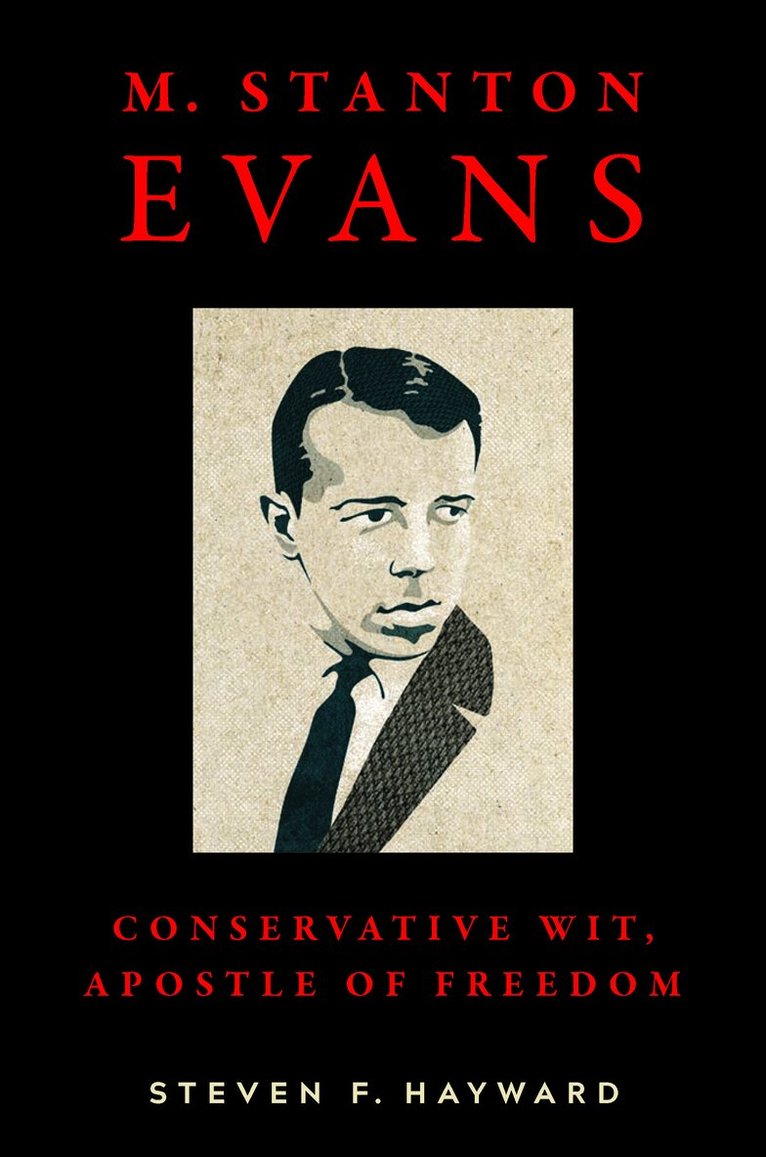
M. Stanton Evans
Conservative Wit, Apostle of Freedom
Inbunden, 2022
313 kr
Tillfälligt slut
M. Stanton Evans (d. 2015) was one of the unsung heroes and key figures of the modern conservative movement, offering a model to be remembered and emulated in both thought and deed. A person of extraordinary breadth, he combined the roles of journalist, first-rank thinker, and political action, …