Steven F. Windmueller – författare
Visar alla böcker från författaren Steven F. Windmueller. Handla med fri frakt och snabb leverans.
4 produkter
4 produkter
1 077 kr
Skickas inom 10-15 vardagar
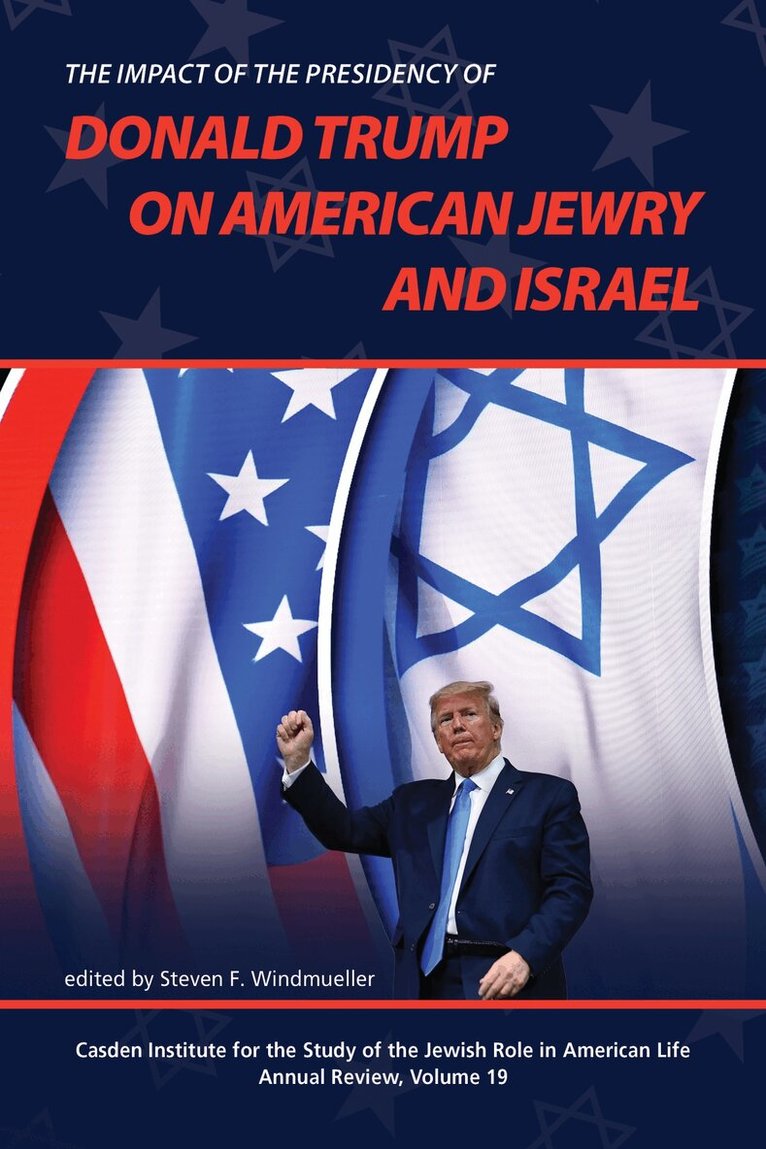
The Trump presidency has resulted in a fundamentally disruptive moment in this nation's political culture. Not only were there different policy options and directions, but the cultural artifacts of politics changed because of how this president dramatically challenged the existing norms of political behavior and action. As we have shifted from a period of American liberalism to a time of political populism, deep fissures are dividing Americans in general and Jews in particular.The Impact of the Presidency of Donald Trump on American Jewry and Israel unpacks President Donald Trump's distinctive and unique relationship with the American Jewish community and the State of Israel. Addressing the various dimensions of his personal and political connections with Jews and Israel, this publication is designed to provide an assessment of how the Trump presidency has influenced and altered American Jewish political behavior. Writers from different backgrounds and political orientations bring a broad range of perspectives designed to examine various aspects of this presidency, including Trump's particular impact on Israel-US relations, his special connection with Orthodox Jews, and his complex and uneven relationship with Jewish Republicans.For liberal American Jews, these four years represented a fundamental revolution, overturning and challenging much that a generation of activists had fought to achieve and protect. For Trump's supporters, it afforded them an opportunity to advance their priorities, while joining the forty-fifth president in changing the American political landscape. The ""Trump effect"" will extend well beyond his four-year tenure, creating an environment that has fomented the politics of hate and exposed a deeply embedded presence of anti-Semitism. How Americans understand this moment in time and the ways society will adapt can be reflected through the prism of the Jewish encounter with Trumpism that this volume seeks to explore.
314 kr
Skickas inom 10-15 vardagar
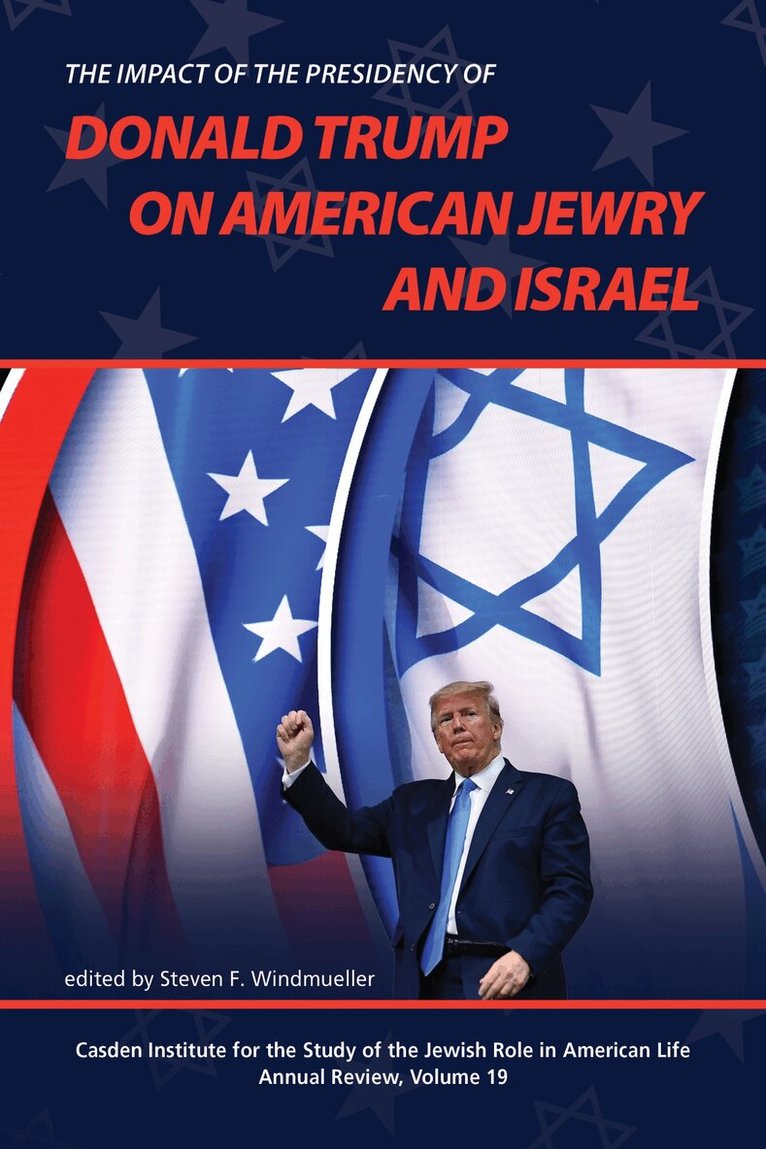
The Trump presidency has resulted in a fundamentally disruptive moment in this nation's political culture. Not only were there different policy options and directions, but the cultural artifacts of politics changed because of how this president dramatically challenged the existing norms of political behavior and action. As we have shifted from a period of American liberalism to a time of political populism, deep fissures are dividing Americans in general and Jews in particular.The Impact of the Presidency of Donald Trump on American Jewry and Israel unpacks President Donald Trump's distinctive and unique relationship with the American Jewish community and the State of Israel. Addressing the various dimensions of his personal and political connections with Jews and Israel, this publication is designed to provide an assessment of how the Trump presidency has influenced and altered American Jewish political behavior. Writers from different backgrounds and political orientations bring a broad range of perspectives designed to examine various aspects of this presidency, including Trump's particular impact on Israel-US relations, his special connection with Orthodox Jews, and his complex and uneven relationship with Jewish Republicans.For liberal American Jews, these four years represented a fundamental revolution, overturning and challenging much that a generation of activists had fought to achieve and protect. For Trump's supporters, it afforded them an opportunity to advance their priorities, while joining the forty-fifth president in changing the American political landscape. The ""Trump effect"" will extend well beyond his four-year tenure, creating an environment that has fomented the politics of hate and exposed a deeply embedded presence of anti-Semitism. How Americans understand this moment in time and the ways society will adapt can be reflected through the prism of the Jewish encounter with Trumpism that this volume seeks to explore.
1 091 kr
Kommande
Uncharted: American Jews and Judaism in the Twenty-First Century assesses the changes taking place among American Jews and their institutions. Bruce Phillips writes about how intermarriage is reshaping American Jewry; Adina Bankier-Karp and Harriet Hartman question whether denominations make sense anymore; while Jennifer Thompson and Richard Heiberger examine Jews at the margins of communal life and how they express and explore their Jewish identity. Stuart Schoenfeld and Bruce Phillips demonstrate an "urban Jewish renewal" in Los Angeles and Philadelphia. Lilach Lev-Ari, Ariela Keysar, and Bruce Phillips compare Sephardic Jews in two world cities: Paris and Los Angeles. Steven Windmueller assesses the broader trends in anti-Semitism and changing political behaviors, while Matt Boxer deeply explores the relationship between American Jews and Israel. Sergio Della Pergola places American Jews and Judaism in a comparative international perspective. Laurence Kotler-Berkowitz and Ilana Horwitz write about the much-neglected topic of Jewish poverty and economic vulnerability. In addition to academics, the volume also includes perspectives from practitioners doing innovative work. Aubrey Golding describes Jewish foodways. Jessy Gross Dressin presents her innovative Jewish outreach organizing for young adults. Alissa Bernstein discusses her work with young adults and Israel. Laura Geller reflects on her projects for engaging and serving the baby boomers who are now Jewish seniors. Daniel Libenson writes about privatized Judaism from the perspective of a social entrepreneur and foundation CEO.
485 kr
Kommande
Uncharted: American Jews and Judaism in the Twenty-First Century assesses the changes taking place among American Jews and their institutions. Bruce Phillips writes about how intermarriage is reshaping American Jewry; Adina Bankier-Karp and Harriet Hartman question whether denominations make sense anymore; while Jennifer Thompson and Richard Heiberger examine Jews at the margins of communal life and how they express and explore their Jewish identity. Stuart Schoenfeld and Bruce Phillips demonstrate an "urban Jewish renewal" in Los Angeles and Philadelphia. Lilach Lev-Ari, Ariela Keysar, and Bruce Phillips compare Sephardic Jews in two world cities: Paris and Los Angeles. Steven Windmueller assesses the broader trends in anti-Semitism and changing political behaviors, while Matt Boxer deeply explores the relationship between American Jews and Israel. Sergio Della Pergola places American Jews and Judaism in a comparative international perspective. Laurence Kotler-Berkowitz and Ilana Horwitz write about the much-neglected topic of Jewish poverty and economic vulnerability. In addition to academics, the volume also includes perspectives from practitioners doing innovative work. Aubrey Golding describes Jewish foodways. Jessy Gross Dressin presents her innovative Jewish outreach organizing for young adults. Alissa Bernstein discusses her work with young adults and Israel. Laura Geller reflects on her projects for engaging and serving the baby boomers who are now Jewish seniors. Daniel Libenson writes about privatized Judaism from the perspective of a social entrepreneur and foundation CEO.