Steven H. Weisbroth – författare
Visar alla böcker från författaren Steven H. Weisbroth. Handla med fri frakt och snabb leverans.
3 produkter
3 produkter
E-bok
Engelska, 20052 123 kr
Läs direkt efter köp
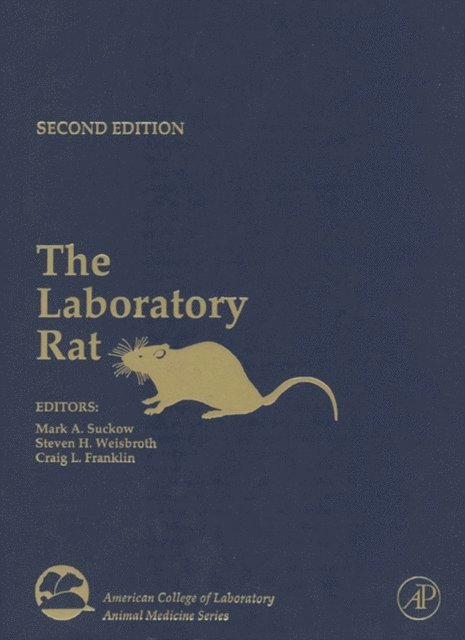
The Laboratory Rat, Second Edition features updated information on a variety of topics including: rat genetics and genomics, both spontaneous and induced disease; state-of-the-art technology for housing and husbandry; occupational health, and experimental models. A premier source of information on the laboratory rat that will be of interest to veterinary and medical students, senior graduate, graduate students, post-docs and researchers who utilize animals in biomedical research.- At least 50% new information than first edition- Includes topics on rat genetics and genomics, occupational health, and experimental models- The premier source of information on the laboratory rat
Inbunden, Engelska, 2005
2 025 kr
Skickas inom 10-15 vardagar
The Laboratory Rat, Second Edition features updated information on a variety of topics including: rat genetics and genomics, both spontaneous and induced disease; state-of-the-art technology for housing and husbandry; occupational health, and experimental models. A premier source of information on the laboratory rat that will be of interest to veterinary and medical students, senior graduate, graduate students, post-docs and researchers who utilize animals in biomedical research. At least 50% new information than first edition Includes topics on rat genetics and genomics, occupational health, and experimental models The premier source of information on the laboratory rat
E-bok
PDF, Engelska, 2013979 kr
Läs direkt efter köp
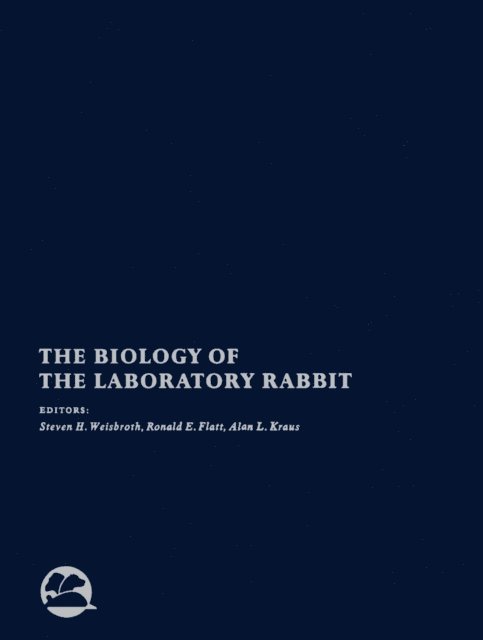
The Biology of the Laboratory Rabbit is a compendium of papers that discusses the use of the rabbit as an experimental substrate in the scientific process. The collection describes normative biology, research utilization, and rabbit disease. These papers emphasize naturally occurring diseases which affect the value of the rabbit as a research tool. Some papers describe these effects and their impact for investigators engaged in laboratory experimental work on animal medicine. Other papers tackle the value of certain rabbit diseases as models of considerable interest in comparative medicine. Several papers discuss bacterial diseases, viral diseases, protozoal diseases, arthropod parasites, helminth parasites, neoplastic diseases, inherited diseases, nutritional diseases, metabolic, traumatic, mycotic, and miscellaneous diseases of the rabbit. One paper describes a number of diseases that man can acquire from domestic and laboratory rabbits. These include tularemia (which is endemic in wild rabbits and hares), plague (transmitted by fleas), listeriosis (rare in laboratory rabbit colonies), salmonellosis (from rabbit feces), and Pasteurella multocida (common in laboratory and domestic rabbits). The paper notes that laboratory and domestic rabbits are not a major health hazard. The compendium can benefit veterinarians, the medically-oriented investigator, the biologist, the medical and chemical researcher, and others whose work involve laboratory animal care.