Steven J. Reid – författare
Visar alla böcker från författaren Steven J. Reid. Handla med fri frakt och snabb leverans.
23 produkter
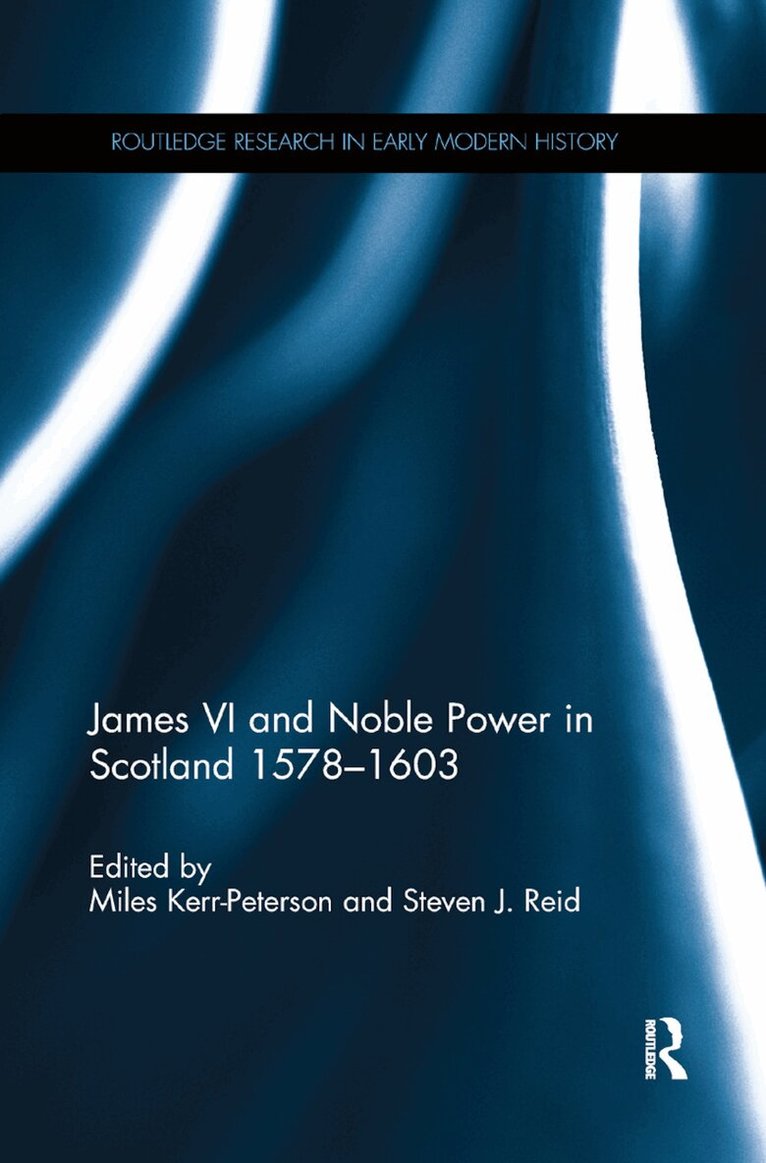
James VI and Noble Power in Scotland 1578-1603
Av Miles Kerr-Peterson, Steven J. Reid
Häftad, 2019
756 kr
Lägg i varukorg
James VI and Noble Power in Scotland explores how Scotland was governed in the late sixteenth century by examining the dynamic between King James and his nobles from the end of his formal minority in 1578 until his accession to the English throne in 1603. The collection assesses James’ relationship …
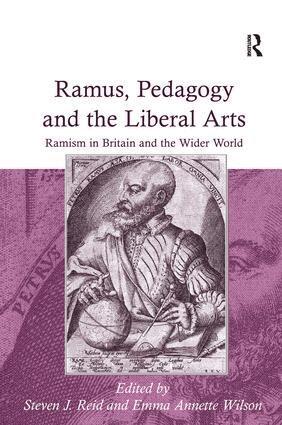
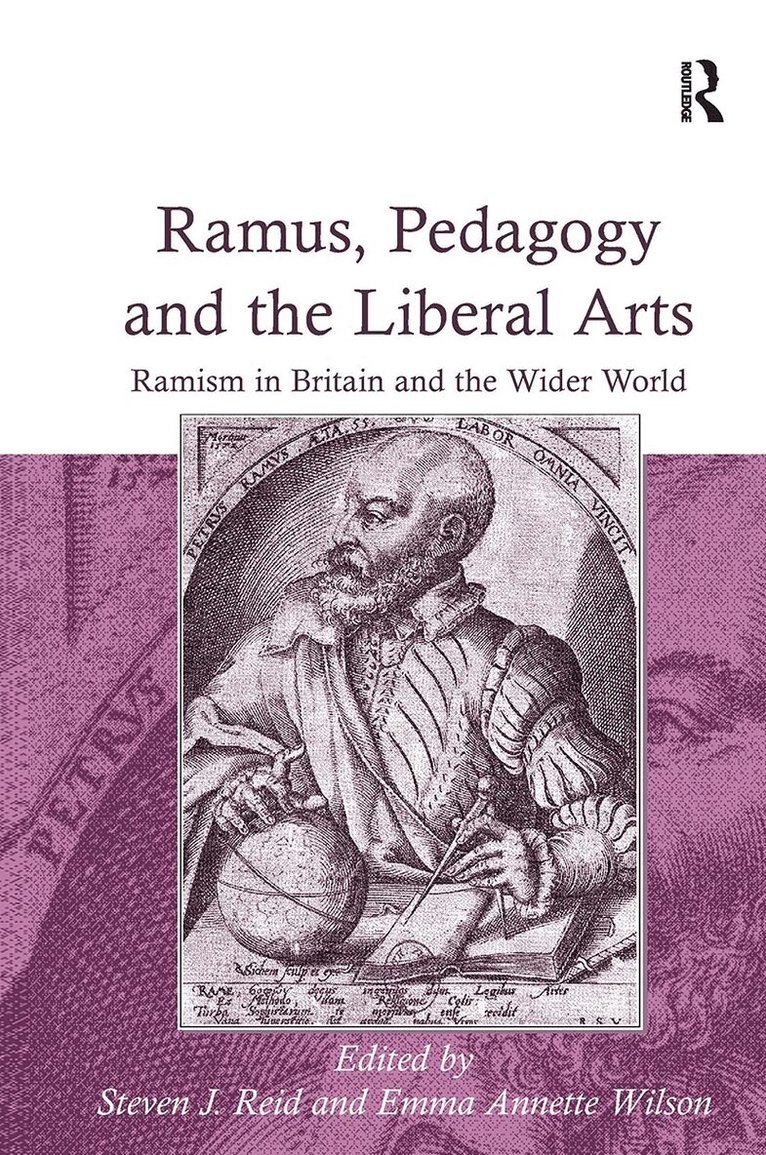
Ramus, Pedagogy and the Liberal Arts
Ramism in Britain and the Wider World
Av Emma Annette Wilson, Steven J. Reid
Inbunden, 2011
3262 kr
Lägg i varukorg
Most early modern scholars know that Petrus Ramus (1515-1572) is important, but may be rather vague as to where his importance lies. This new collection of essays analyses the impact of the logician, rhetorician and pedagogical innovator across a variety of countries and intellectual disciplines, …
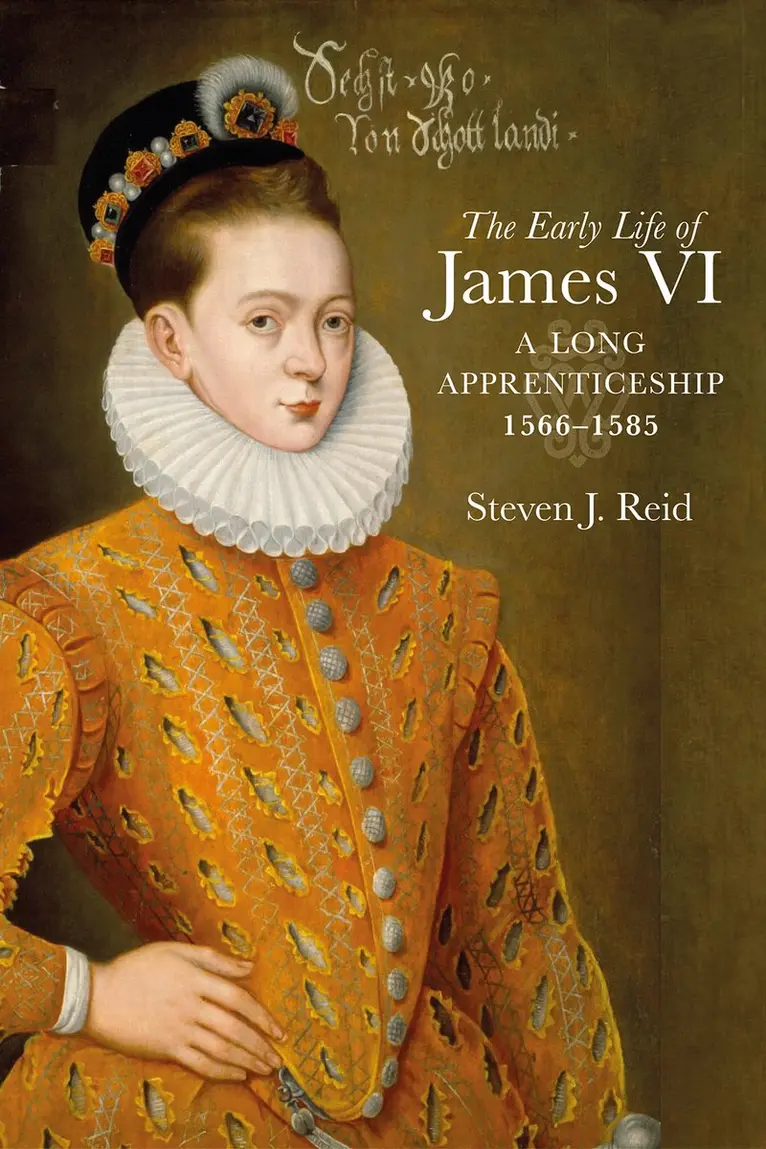
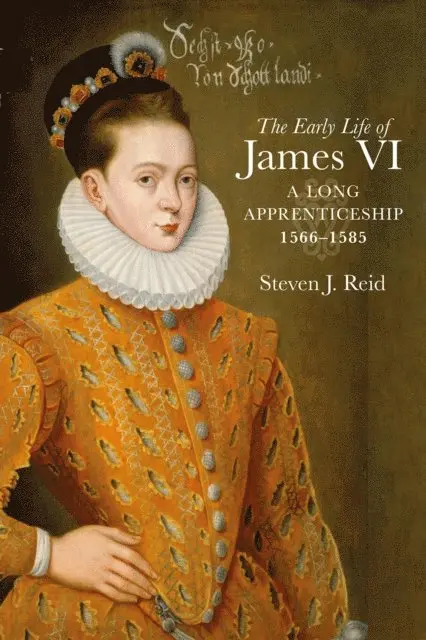
Early Life of James VI
A Long Apprenticeship, 1566–1585
Häftad, 2027
354 kr
Kommande
Shortlisted for the Saltire Society Scottish History Book of the Year AwardJames VI and I was arguably the most successful ruler of the Stewart Dynasty in Scotland, and the first king of a united Great Britain. His ableness as a monarch, it has been argued, stemmed largely from his Scottish …
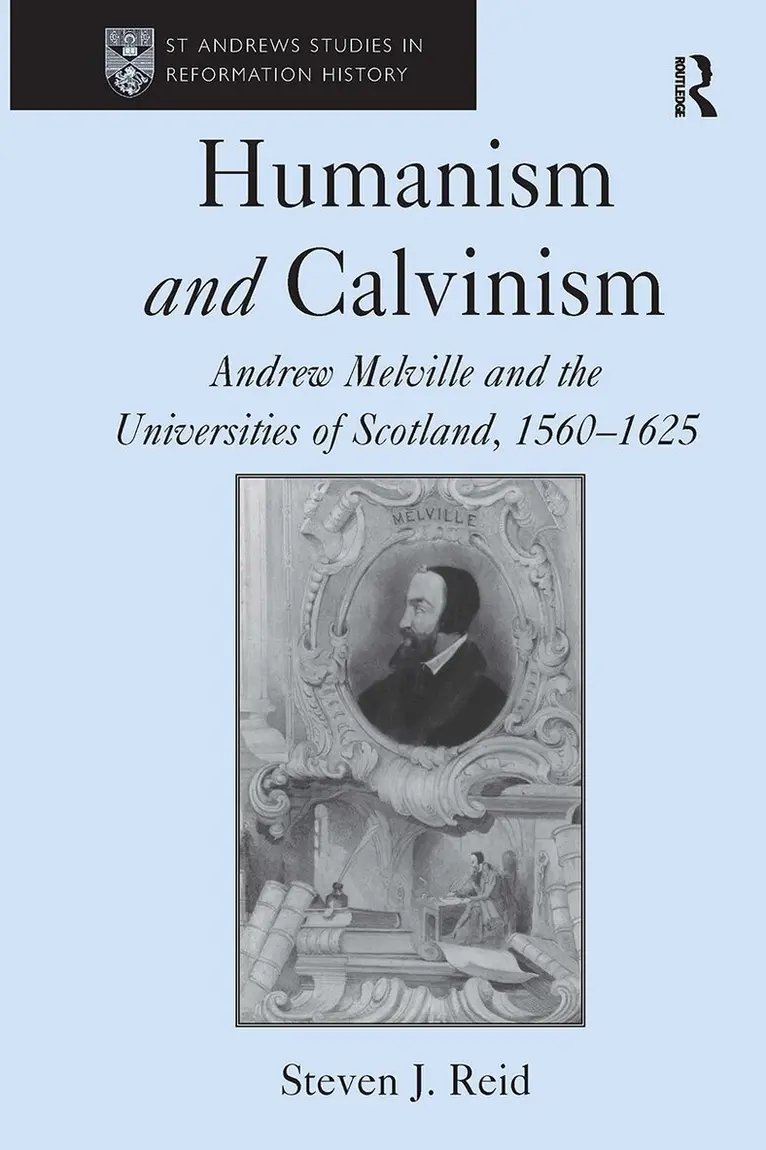
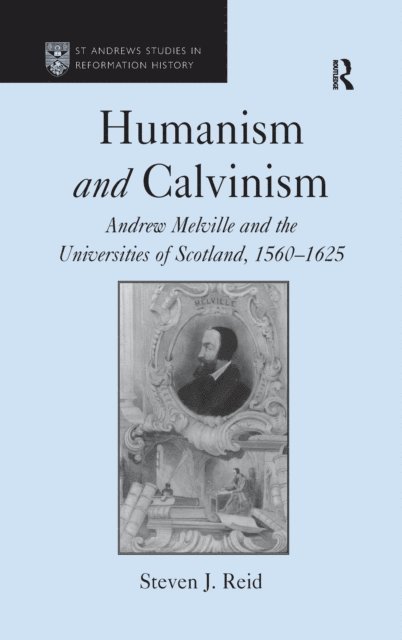
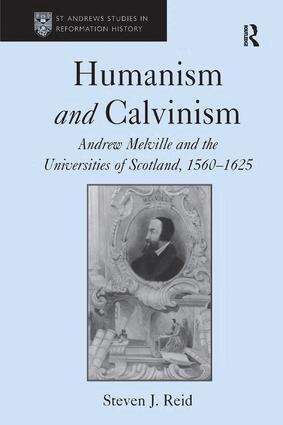
Humanism and Calvinism
Andrew Melville and the Universities of Scotland, 1560�1625
Häftad, 2024
634 kr
Lägg i varukorg
Across early-modern Europe the confessional struggles of the Reformation touched virtually every aspect of civic life; and nowhere was this more apparent than in the universities, the seedbed of political and ecclesiastical society. Focussing on events in Scotland, this book reveals how established …
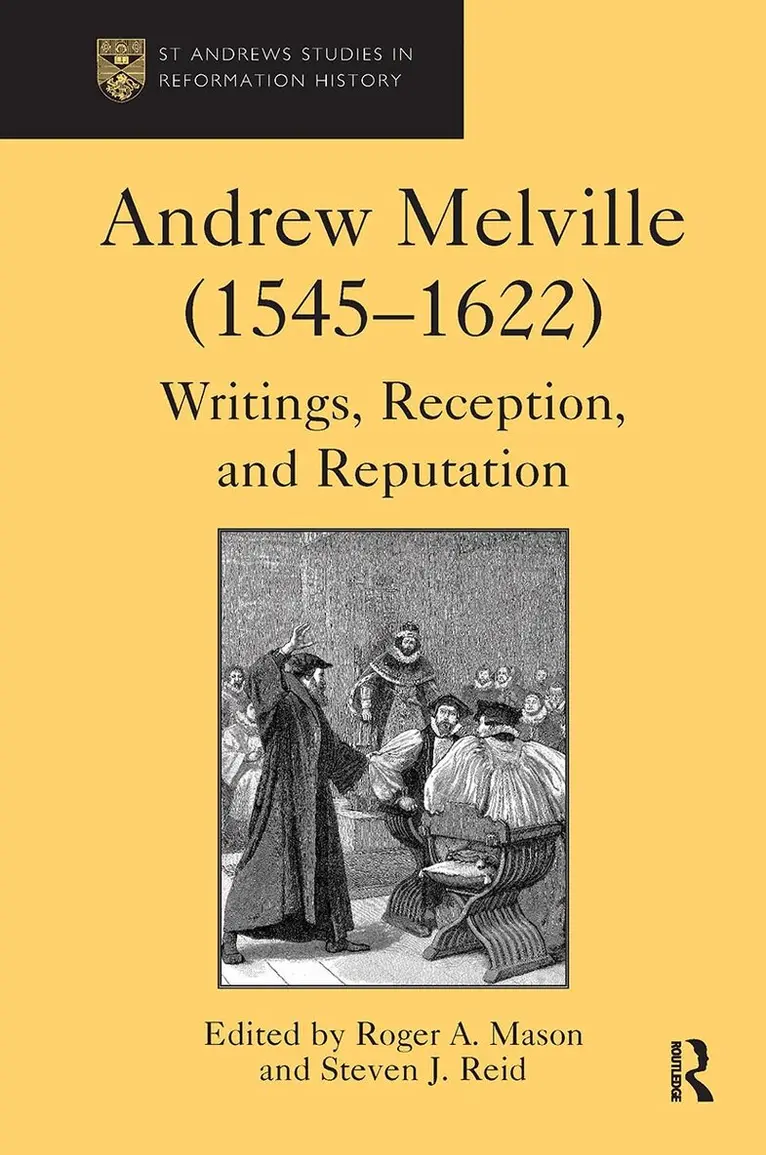
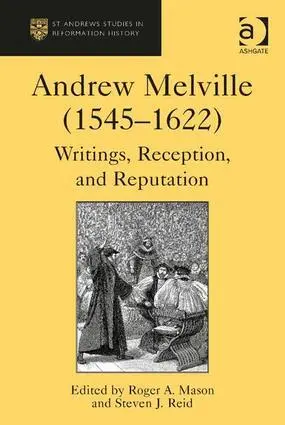
Andrew Melville (1545-1622)
Writings, Reception, and Reputation
Av Steven J. Reid, Roger A. Mason
Häftad, 2024
634 kr
Lägg i varukorg
Andrew Melville is chiefly remembered today as a defiant leader of radical Protestantism in Scotland, John Knox’s heir and successor, the architect of a distinctive Scottish Presbyterian kirk and a visionary reformer of the Scottish university system. While this view of Melville’s contribution to …
Ramus, Pedagogy and the Liberal Arts
Ramism in Britain and the Wider World
Av Emma Annette Wilson, Steven J. Reid
Häftad, 2024
668 kr
Lägg i varukorg
Most early modern scholars know that Petrus Ramus (1515-1572) is important, but may be rather vague as to where his importance lies. This new collection of essays analyses the impact of the logician, rhetorician and pedagogical innovator across a variety of countries and intellectual disciplines, …
James VI and Noble Power in Scotland 1578-1603
Av Miles Kerr-Peterson, Steven J. Reid
Inbunden, 2017
2590 kr
Lägg i varukorg
James VI and Noble Power in Scotland explores how Scotland was governed in the late sixteenth century by examining the dynamic between King James and his nobles from the end of his formal minority in 1578 until his accession to the English throne in 1603. The collection assesses James’ relationship …
Ramus, Pedagogy and the Liberal Arts
Ramism in Britain and the Wider World
Av Emma Annette Wilson, Steven J. Reid
E-bok, 2016
785 kr
Lägg i varukorg
Most early modern scholars know that Petrus Ramus (1515-1572) is important, but may be rather vague as to where his importance lies. This new collection of essays analyses the impact of the logician, rhetorician and pedagogical innovator across a variety of countries and intellectual disciplines, …
Ramus, Pedagogy and the Liberal Arts
Ramism in Britain and the Wider World
Av Emma Annette Wilson, Steven J. Reid
E-bok, 2016
785 kr
Lägg i varukorg
Most early modern scholars know that Petrus Ramus (1515-1572) is important, but may be rather vague as to where his importance lies. This new collection of essays analyses the impact of the logician, rhetorician and pedagogical innovator across a variety of countries and intellectual disciplines, …
Andrew Melville (1545-1622)
Writings, Reception, and Reputation
Av Steven J. Reid, Roger A. Mason
E-bok, 2016
838 kr
Lägg i varukorg
Andrew Melville is chiefly remembered today as a defiant leader of radical Protestantism in Scotland, John Knox’s heir and successor, the architect of a distinctive Scottish Presbyterian kirk and a visionary reformer of the Scottish university system. While this view of Melville’s contribution …
Andrew Melville (1545-1622)
Writings, Reception, and Reputation
Av Steven J. Reid, Roger A. Mason
E-bok, 2016
856 kr
Lägg i varukorg
Andrew Melville is chiefly remembered today as a defiant leader of radical Protestantism in Scotland, John Knox’s heir and successor, the architect of a distinctive Scottish Presbyterian kirk and a visionary reformer of the Scottish university system. While this view of Melville’s contribution …
Humanism and Calvinism
Andrew Melville and the Universities of Scotland, 1560�1625
E-bok, 2016
745 kr
Lägg i varukorg
Across early-modern Europe the confessional struggles of the Reformation touched virtually every aspect of civic life; and nowhere was this more apparent than in the universities, the seedbed of political and ecclesiastical society. Focussing on events in Scotland, this book reveals how established …
Humanism and Calvinism
Andrew Melville and the Universities of Scotland, 1560�1625
E-bok, 2016
723 kr
Lägg i varukorg
Across early-modern Europe the confessional struggles of the Reformation touched virtually every aspect of civic life; and nowhere was this more apparent than in the universities, the seedbed of political and ecclesiastical society. Focussing on events in Scotland, this book reveals how established …
James VI and Noble Power in Scotland 1578-1603
Av Steven J. Reid, Miles Kerr-Peterson
E-bok, 2016
873 kr
Lägg i varukorg
James VI and Noble Power in Scotland explores how Scotland was governed in the late sixteenth century by examining the dynamic between King James and his nobles from the end of his formal minority in 1578 until his accession to the English throne in 1603. The collection assesses James’ relationship …
James VI and Noble Power in Scotland 1578-1603
Av Steven J. Reid, Miles Kerr-Peterson
E-bok, 2016
892 kr
Lägg i varukorg
James VI and Noble Power in Scotland explores how Scotland was governed in the late sixteenth century by examining the dynamic between King James and his nobles from the end of his formal minority in 1578 until his accession to the English throne in 1603. The collection assesses James’ relationship …
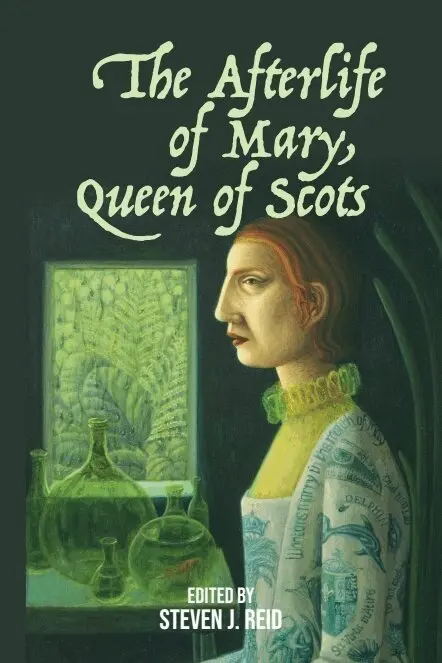
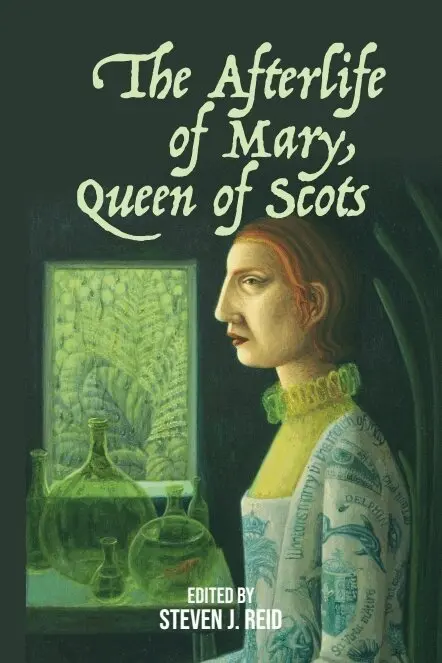
Afterlife of Mary, Queen of Scots
Inbunden, 2024
2033 kr
Lägg i varukorg
Mary Queen of Scots (1542-1587) was active as monarch of Scotland for just six years between 1561 and 1567, but her impact as a ruler in Scotland is much less important than her subsequent role in popular culture and imagination. Her story has enjoyed perpetual retelling and reached a global …
Afterlife of Mary, Queen of Scots
Häftad, 2025
682 kr
Lägg i varukorg
Mary Queen of Scots (1542-1587) was active as monarch of Scotland for just six years between 1561 and 1567, but her impact as a ruler in Scotland is much less important than her subsequent role in popular culture and imagination. Her story has enjoyed perpetual retelling and reached a global …
Humanism and Calvinism
Andrew Melville and the Universities of Scotland, 1560�1625
Inbunden, 2011
2515 kr
Lägg i varukorg
Across early-modern Europe the confessional struggles of the Reformation touched virtually every aspect of civic life; and nowhere was this more apparent than in the universities, the seedbed of political and ecclesiastical society. Focussing on events in Scotland, this book reveals how established …
Andrew Melville (1545-1622)
Writings, Reception, and Reputation
Av Steven J. Reid, Roger A. Mason
Inbunden, 2014
2749 kr
Lägg i varukorg
Andrew Melville is chiefly remembered today as a defiant leader of radical Protestantism in Scotland, John Knox’s heir and successor, the architect of a distinctive Scottish Presbyterian kirk and a visionary reformer of the Scottish university system. While this view of Melville’s contribution to …
Early Life of James VI
A Long Apprenticeship, 1566–1585
E-bok, 2023
1259 kr
Lägg i varukorg
Shortlisted for the Saltire Society Scottish History Book of the Year AwardJames VI and I was arguably the most successful ruler of the Stewart Dynasty in Scotland, and the first king of a united Great Britain. His ableness as a monarch, it has been argued, stemmed largely from his Scottish …
Rethinking the Renaissance and Reformation in Scotland
Essays in Honour of Roger A. Mason
Inbunden, 2024
1335 kr
Lägg i varukorg
This collection of essays, in honour of Professor Roger A. Mason, critically re-assesses what we understand by the terms "Renaissance" and "Reformation" in Scottish History.Roger Mason's research in the field of pre-modern Scottish history has proved ground-breaking and iconoclastic. He recast …
Early Life of James VI
A Long Apprenticeship, 1566–1585
Inbunden, 2023
1371 kr
Lägg i varukorg
Shortlisted for the Saltire Society Scottish History Book of the Year AwardJames VI and I was arguably the most successful ruler of the Stewart Dynasty in Scotland, and the first king of a united Great Britain. His ableness as a monarch, it has been argued, stemmed largely from his Scottish …
Corona Borealis
Scottish Neo-Latin Poets on King James VI and His Reign, 1566–1603
Av Steven J. Reid, David McOmish
Inbunden, 2020
825 kr
Tillfälligt slut
Latin was Scotland’s third language in the early modern period, alongside Scots and Gaelic, and the reign of King James VI and I is considered to be a golden age of Scottish neo-Latin literature.Corona Borealis considers Latin texts by Scottish authors written between James’s birth in 1566 and his …