Stewart Shuttleworth - Böcker
Visar alla böcker från författaren Stewart Shuttleworth. Handla med fri frakt och snabb leverans.
2 produkter
2 produkter
173 kr
Skickas
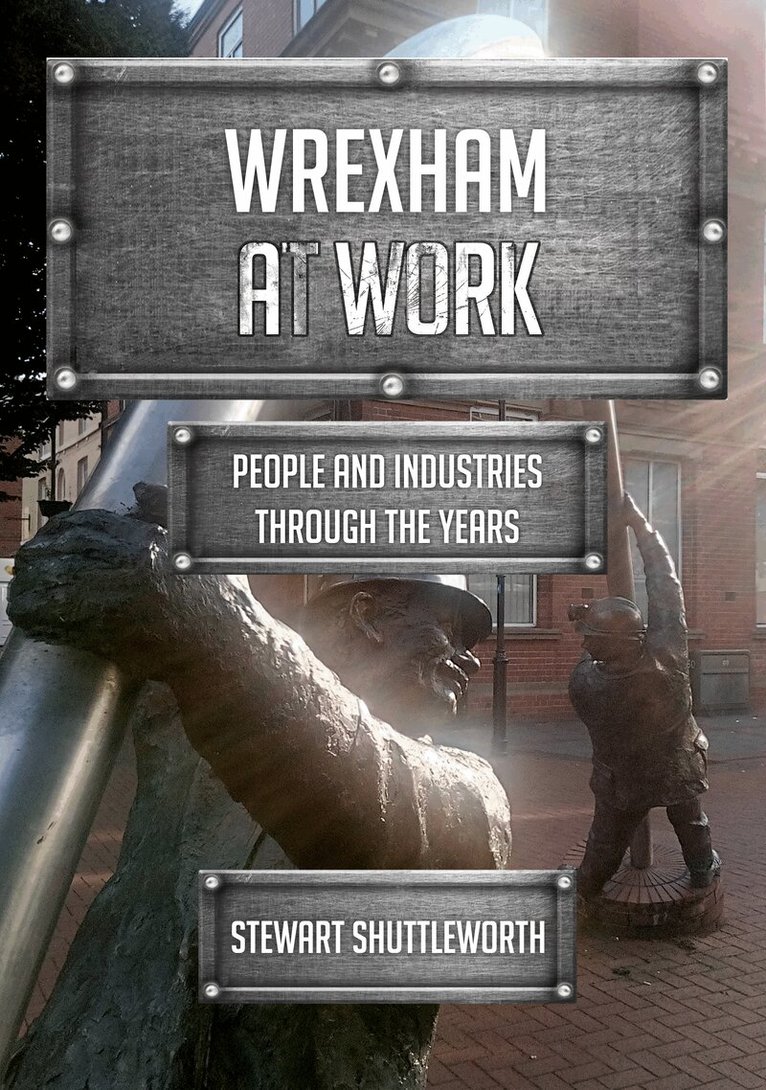
Wrexham is the largest town in North Wales and since 1996 has been the centre of the county borough. There is evidence of settlement and industry in the county borough since before Roman times. Significant later development took place in the fourteenth century with the growth of a small town and establishment of a market. The county borough has a rich heritage of industry, including coal and lead mining, iron and steel production, and brick and tile making, which developed in the Industrial Revolution. Wrexham town’s main industries in the past were brewing and leatherwork, but today it is an administrative, commercial and educational centre.Wrexham at Work explores the county borough’s industrial heritage and the working life of its people from its preindustrial beginnings to the present day. The author examines how the massive changes in the patterns of work have affected the area. During the late eighteenth century much of the county borough was heavily industrialised. In the last century Wrexham entered the post-heavy industrial world and the author looks at how the county borough adapted to these changes. Illustrated throughout, with colour and archive material, this book will appeal to local people and those interested in the industrial heritage of North Wales.
173 kr
Skickas inom 11-20 vardagar
Today service industries predominate in Chester such as tourism, retail, public administration and financial services. This was not always the case, given the city’s location on the River Dee and its strategic military position. Chester was a port with ancillary industries from Roman times. In he mid-eighteenth century the port declined due to silting of the Dee and the rise of Liverpool. However, some port-related industries remained and a reduced amount of shipping continued into the twentieth century. The 1770s saw the opening of the Chester Canal and, in 1799, the lead works was developed. The arrival of the railways saw Chester become a transport hub with three locomotive depots and an LNWR wagon works. Other industries that subsequently developed included the Hydraulic Engineering Company, the Westminster Coach and Motor Works, the aluminium manufacturer Williams & Williams and Brookhurst Switchgear Ltd.In Chester at Work Stanley Jenkins and Stewart Shuttleworth trace the changes in the city’s working life from its pre-industrial beginnings, through the Industrial Revolution and right up to the present day. This book will be of interest to those who know the city and want to discover more about its rich heritage from an industrial and social perspective.