Stuart Allardyce – författare
Visar alla böcker från författaren Stuart Allardyce. Handla med fri frakt och snabb leverans.
3 produkter
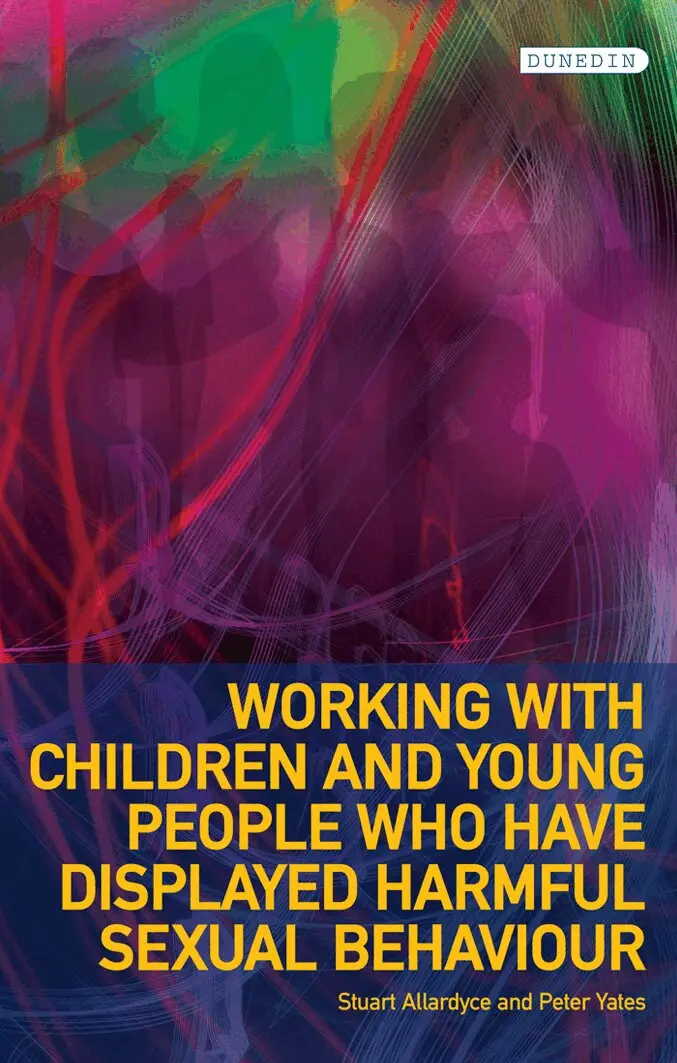
Working with Children and Young People Who Have Displayed Harmful Sexual Behaviour
Av Stuart Allardyce, Peter Yates
Häftad, 2018
734 kr
Lägg i varukorg
Approximately one third of child sexual abuse is carried out by children and young people themselves. There is growing public awareness of this issue as well as recognition among professionals that this is a key concern in the safeguarding of children. Working with children and young people who …
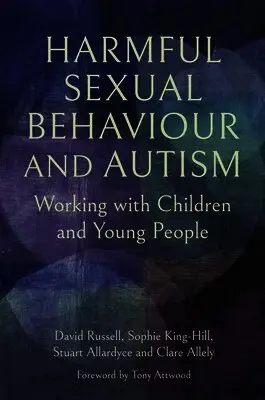
Harmful Sexual Behaviour and Autism
Working with Children and Young People
Av David Russell, Dr Sophie King-Hill m. fl.
Häftad, 2026
405 kr
Lägg i varukorg
Autistic children and young people can face particular challenges in their sexual development. For many professionals in health, education, social care and justice, questions around harmful sexual behaviour remain especially complex. Research shows that autistic young people are not more likely …
Harmful Sexual Behaviour and Autism
Working with Children and Young People
Av David Russell, Dr Sophie King-Hill m. fl.
E-bok, 2026
433 kr
Lägg i varukorg
Autistic children and young people can face particular challenges in their sexual development. For many professionals in health, education, social care and justice, questions around harmful sexual behaviour remain especially complex. Research shows that autistic young people are not more likely …