Susan Crane – författare
Visar alla böcker från författaren Susan Crane. Handla med fri frakt och snabb leverans.
5 produkter
5 produkter
Häftad, Engelska, 2014
538 kr
Skickas
In this fresh look at Chaucer's relation to English and French romances of the late Middle Ages, Crane shows that Chaucer's depictions of masculinity and femininity constitute an extensive and sympathetic response to the genre. For Chaucer, she proposes, gender is the defining concern of romance. As the foundational narratives of courtship, romances participate in the late medieval elaboration of new meanings around heterosexual identity. Crane draws on feminist and genre theory to argue that Chaucer's profound interest in the cultural construction of masculinity and femininity arises in large part from his experience of romance. In depicting the maturation of young women and men, romances stage an ideology of identity that is based in gender difference. Less obviously gendered concerns of romance--social hierarchy, magic, and adventure--are also involved in expressing femininity and masculinity. The genders prove to be not simply binary opposites but overlapping and shifting coreferents. Precarious social standing can carry a feminine taint; women's adventures recall but also contradict those of men.This lively study reveals that Chaucer's redeployments of romance are particularly sensitive to the crucial place gender holds in the genre. Originally published in 1994. The Princeton Legacy Library uses the latest print-on-demand technology to again make available previously out-of-print books from the distinguished backlist of Princeton University Press. These editions preserve the original texts of these important books while presenting them in durable paperback and hardcover editions. The goal of the Princeton Legacy Library is to vastly increase access to the rich scholarly heritage found in the thousands of books published by Princeton University Press since its founding in 1905.
Inbunden, Engelska, 2016
1 800 kr
Skickas inom 3-6 vardagar
In this fresh look at Chaucer's relation to English and French romances of the late Middle Ages, Crane shows that Chaucer's depictions of masculinity and femininity constitute an extensive and sympathetic response to the genre. For Chaucer, she proposes, gender is the defining concern of romance. As the foundational narratives of courtship, romances participate in the late medieval elaboration of new meanings around heterosexual identity. Crane draws on feminist and genre theory to argue that Chaucer's profound interest in the cultural construction of masculinity and femininity arises in large part from his experience of romance. In depicting the maturation of young women and men, romances stage an ideology of identity that is based in gender difference. Less obviously gendered concerns of romance--social hierarchy, magic, and adventure--are also involved in expressing femininity and masculinity. The genders prove to be not simply binary opposites but overlapping and shifting coreferents. Precarious social standing can carry a feminine taint; women's adventures recall but also contradict those of men.This lively study reveals that Chaucer's redeployments of romance are particularly sensitive to the crucial place gender holds in the genre. Originally published in 1994. The Princeton Legacy Library uses the latest print-on-demand technology to again make available previously out-of-print books from the distinguished backlist of Princeton University Press. These editions preserve the original texts of these important books while presenting them in durable paperback and hardcover editions. The goal of the Princeton Legacy Library is to vastly increase access to the rich scholarly heritage found in the thousands of books published by Princeton University Press since its founding in 1905.
Häftad, Engelska, 2002
321 kr
Skickas inom 10-15 vardagar
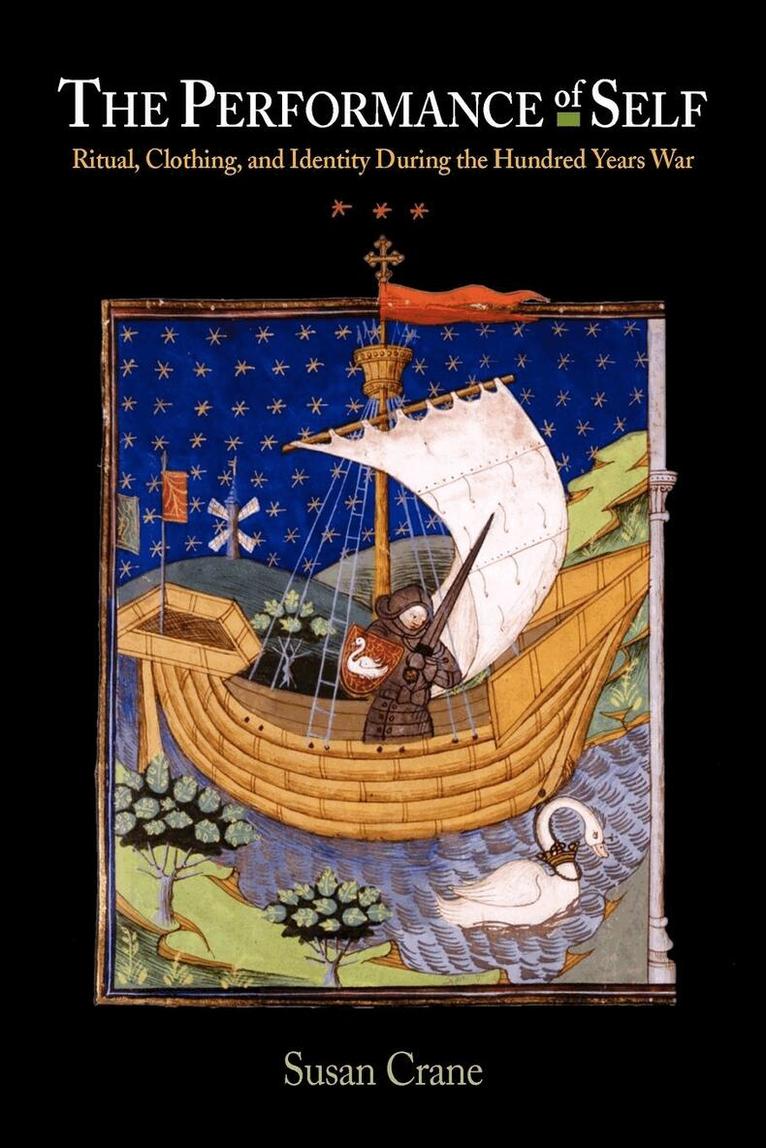
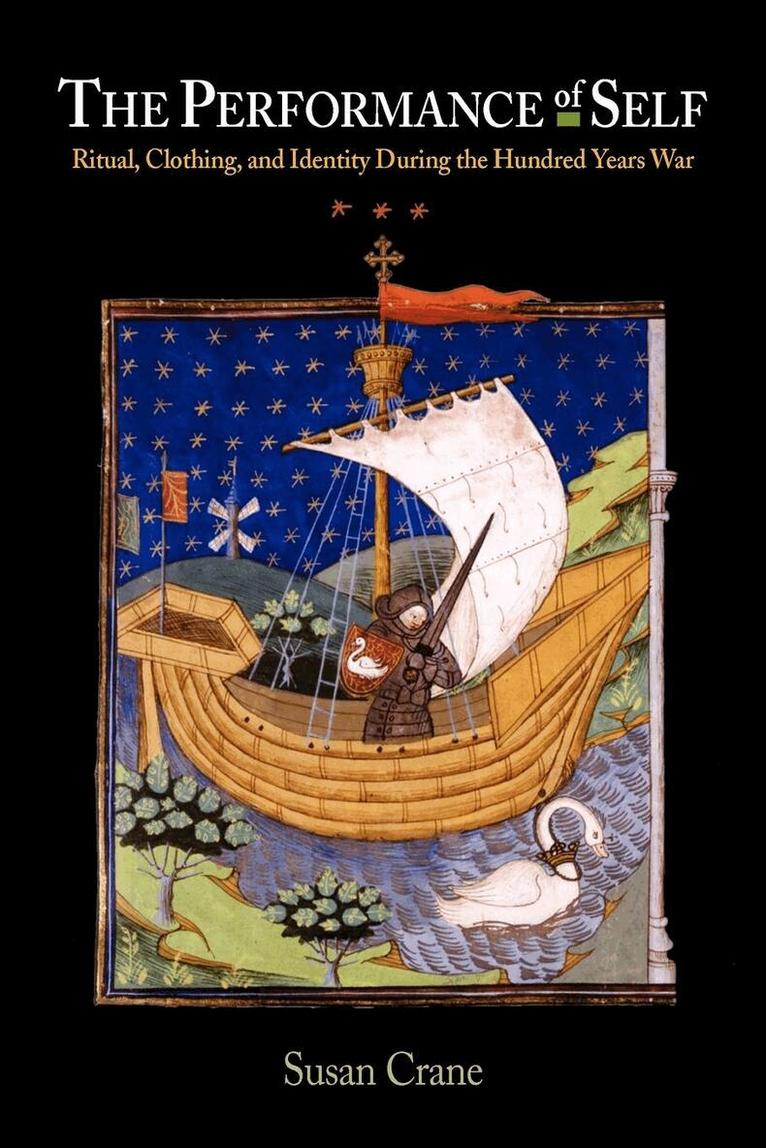
Medieval courtiers defined themselves in ceremonies and rituals. Tournaments, Maying, interludes, charivaris, and masking invited the English and French nobility to assert their identities in gesture and costume as well as in speech. These events presumed that performance makes a self, in contrast to the modern belief that identity precedes social performance and, indeed, that performance falsifies the true, inner self. Susan Crane resists the longstanding convictions that medieval rituals were trivial affairs, and that personal identity remained unarticulated until a later period.Focusing on England and France during the Hundred Years War, Crane draws on wardrobe accounts, manuscript illuminations, chronicles, archaeological evidence, and literature to recover the material as well as the verbal constructions of identity. She seeks intersections between theories of practice and performance that explain how appearances and language connect when courtiers dress as wild men to interrupt a wedding feast, when knights choose crests and badges to supplement their coats of arms, and when Joan of Arc cross-dresses for the court of inquisition after her capture.
Inbunden, Engelska, 2012
864 kr
Skickas inom 5-8 vardagar
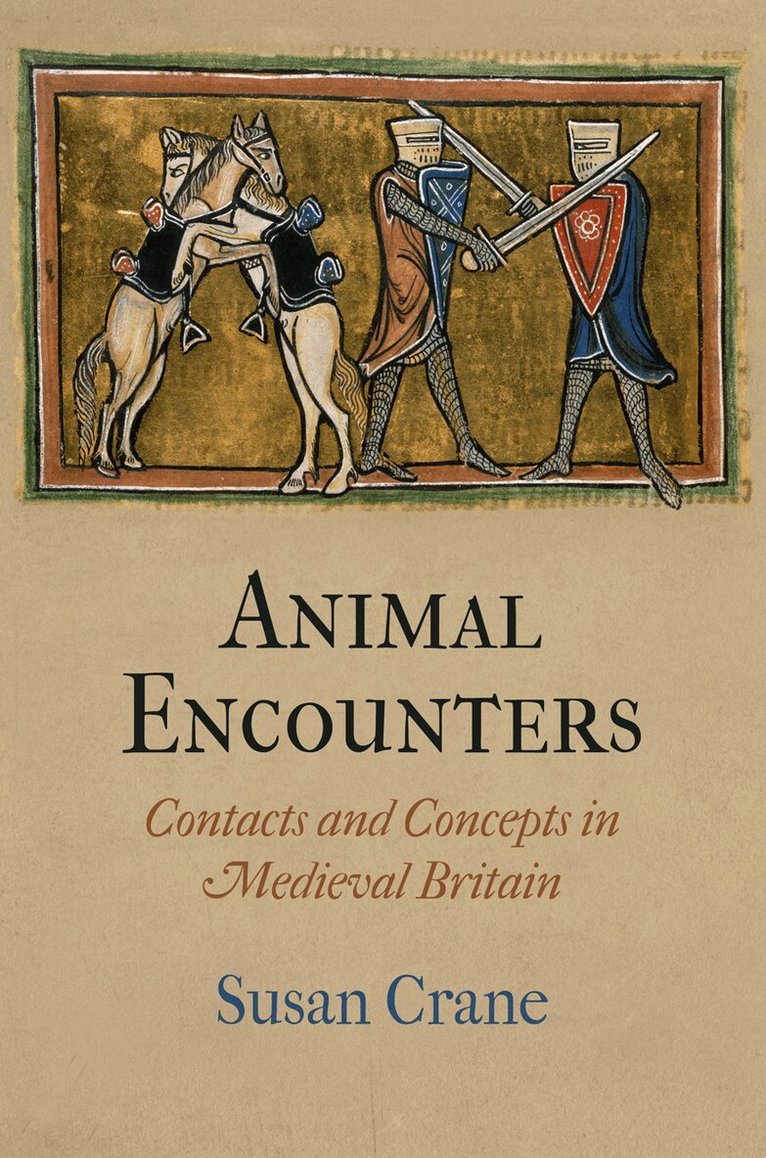
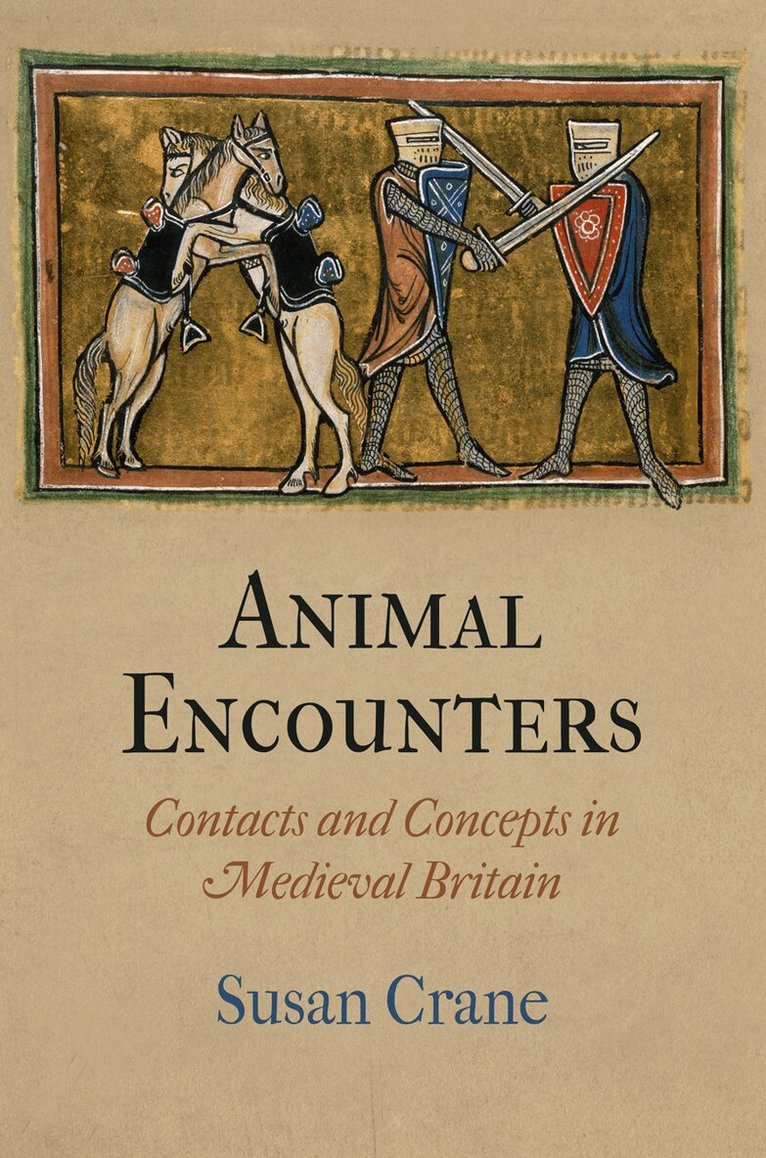
Traces of the living animal run across the entire corpus of medieval writing and reveal how pervasively animals mattered in medieval thought and practice. In fascinating scenes of cross-species encounters, a raven offers St. Cuthbert a lump of lard that waterproofs his visitors' boots for a whole year, a scholar finds inspiration for his studies in his cat's perfect focus on killing mice, and a dispossessed knight wins back his heritage only to give it up again in order to save the life of his warhorse. Readers have often taken such encounters to be merely figurative or fanciful, but Susan Crane discovers that these scenes of interaction are firmly grounded in the intimate cohabitation with animals that characterized every medieval milieu from palace to village. The animal encounters of medieval literature reveal their full meaning only when we recover the living animal's place within the written animal.The grip of a certain humanism was strong in medieval Britain, as it is today: the humanism that conceives animals in diametrical opposition to humankind. Yet medieval writing was far from univocal in this regard. Latin and vernacular works abound in other ways of thinking about animals that invite the saint, the scholar, and the knight to explore how bodies and minds interpenetrate across species lines. Crane brings these other ways of thinking to light in her readings of the beast fable, the hunting treatise, the saint's life, the bestiary, and other genres. Her substantial contribution to the field of animal studies investigates how animals and people interact in culture making, how conceiving the animal is integral to conceiving the human, and how cross-species encounters transform both their animal and their human participants.
Häftad, Engelska, 2023
159 kr
Skickas inom 5-8 vardagar