Susan M. Cormier – författare
Visar alla böcker från författaren Susan M. Cormier. Handla med fri frakt och snabb leverans.
3 produkter
3 produkter
1 884 kr
Kommande
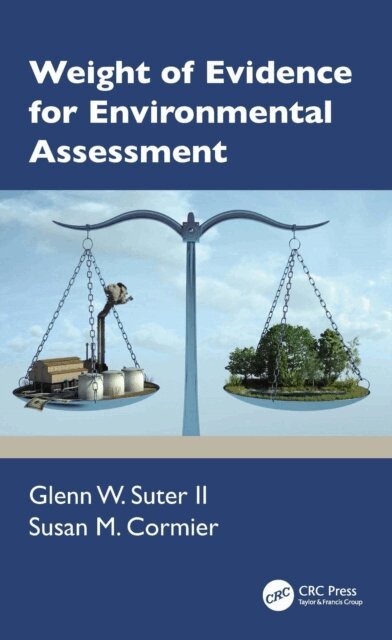
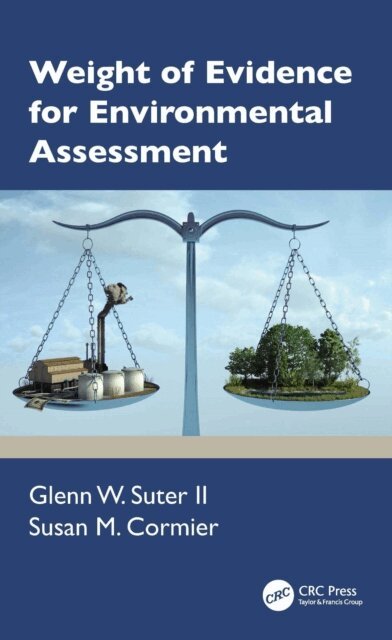
Laws and regulations in the U.S. and some other nations require weight of evidence, as do any assessments that involve multiple pieces of evidence. However, environmental assessors are frequently unaware of the need for defensible practices. This book provides the first clear framework for weight of evidence (WoE) for environmental protection based on U.S. EPA guidelines as well as comparison with alternative methods. Real-world case studies illustrate the implementation and application of weight of evidence for making diverse inferences and decisions that influence our environment and our lives. FeaturesWritten by experts who developed guidance on environmental assessment and weight of evidence for the United States government.Explains how weight of evidence is applied to different types of environmental and health decisions.Includes alternative frameworks and practices from other organizations that may be appropriate in particular cases.Uses an engaging style and draws on the authors’ decades of practical experiences.Expands on the U.S. EPA guidelines that have been a basis for weight of evidence guidance in Europe, Australia, and elsewhere.This book is for senior and graduate students in environmental sciences and management and for assessment practitioners who want to understand the use of weight of evidence to achieve the purposes of environmental assessments.
965 kr
Skickas inom 10-15 vardagar
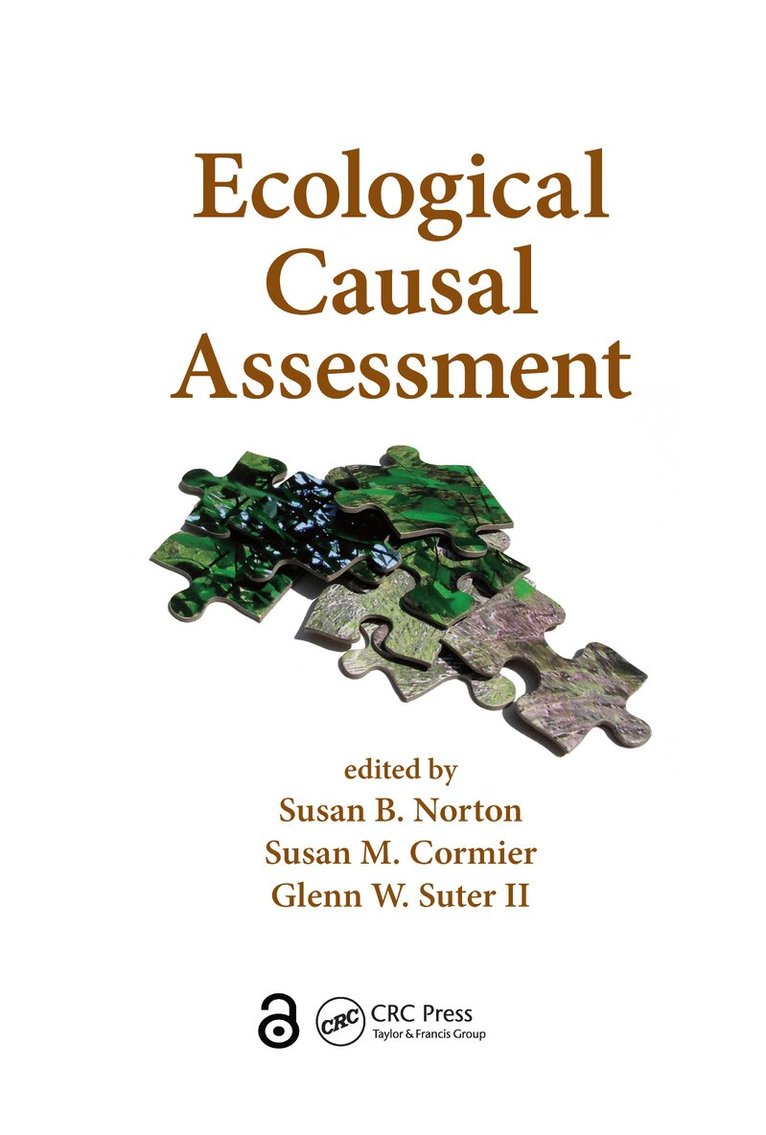
Edited by experts at the leading edge of the development of causal assessment methods for more than two decades, Ecological Causal Assessment gives insight and expert guidance on how to identify cause-effect relationships in environmental systems. The book discusses the importance of asking the fundamental question "Why did this effect happen?" before moving on to "How can we fix it?" The book provides a deeper understanding of different philosophical and analytical approaches, and of cognitive tendencies that can lead to errors. It describes formal processes for causal assessment that are particularly helpful when the situation is complex or contentious. It also describes how to approach the analysis of available data and to optimize collection efforts. The text then details a transparent process that helps others replicate results and can be used to convince skeptics that the true cause has been identified. Several detailed case studies show how to apply the process to streams, watersheds, and a terrestrial wildlife population.Causal assessment is a challenging, but endlessly fascinating endeavor. Success requires the persistence to figure things out and solid strategies for using the information that you have and getting more of the right kind of information that you need. This book gives you just that: the skills, knowledge, and confidence needed to successfully unravel tough environmental problems and build the knowledge base for effective management solutions.Read interview about this book with author Sue Norton here: http://www.freshwater-science.org/Publications/Newsletter-In-The-Drift/ITD--Fall-2015.cfm#itdqna
2 602 kr
Skickas inom 5-8 vardagar
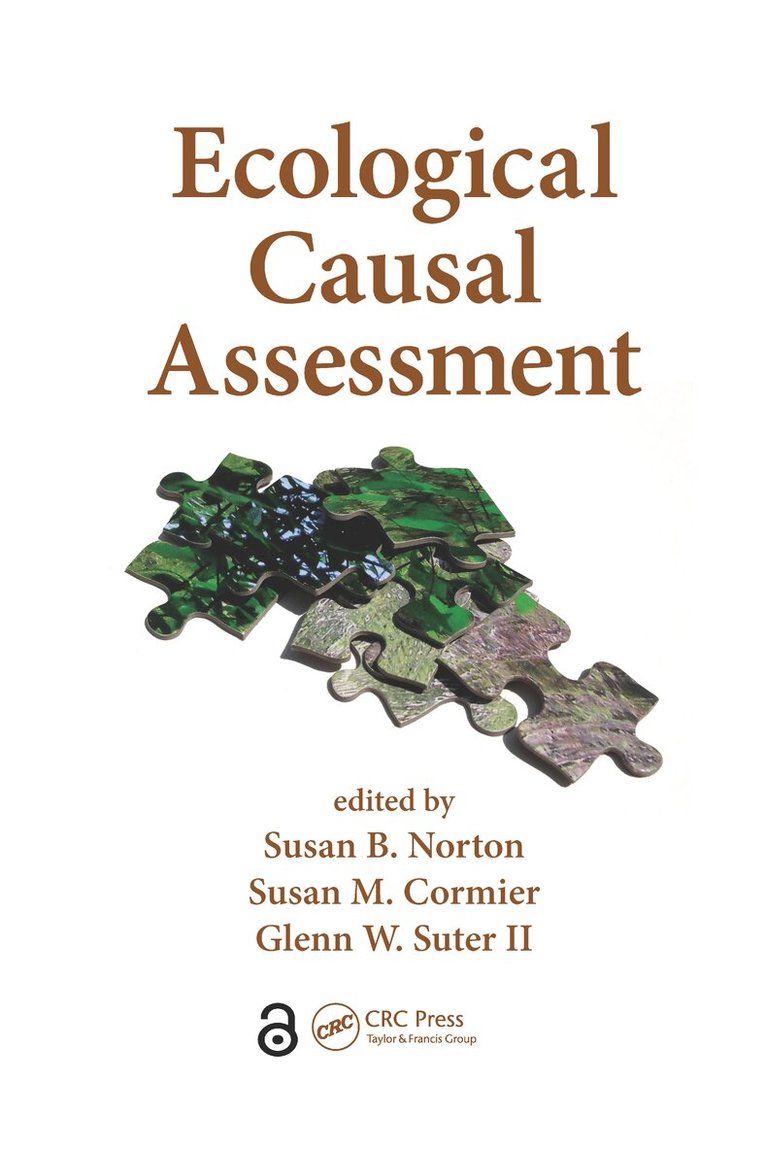
Edited by experts at the leading edge of the development of causal assessment methods for more than two decades, Ecological Causal Assessment gives insight and expert guidance on how to identify cause-effect relationships in environmental systems. The book discusses the importance of asking the fundamental question "Why did this effect happen?" before moving on to "How can we fix it?" The book provides a deeper understanding of different philosophical and analytical approaches, and of cognitive tendencies that can lead to errors. It describes formal processes for causal assessment that are particularly helpful when the situation is complex or contentious. It also describes how to approach the analysis of available data and to optimize collection efforts. The text then details a transparent process that helps others replicate results and can be used to convince skeptics that the true cause has been identified. Several detailed case studies show how to apply the process to streams, watersheds, and a terrestrial wildlife population.Causal assessment is a challenging, but endlessly fascinating endeavor. Success requires the persistence to figure things out and solid strategies for using the information that you have and getting more of the right kind of information that you need. This book gives you just that: the skills, knowledge, and confidence needed to successfully unravel tough environmental problems and build the knowledge base for effective management solutions.Read interview about this book with author Sue Norton here: http://www.freshwater-science.org/Publications/Newsletter-In-The-Drift/ITD--Fall-2015.cfm#itdqna