
Susana Draper – författare
Visar alla böcker från författaren Susana Draper. Handla med fri frakt och snabb leverans.
4 produkter
4 produkter
Inbunden, Engelska, 2018
1 926 kr
Skickas inom 3-6 vardagar
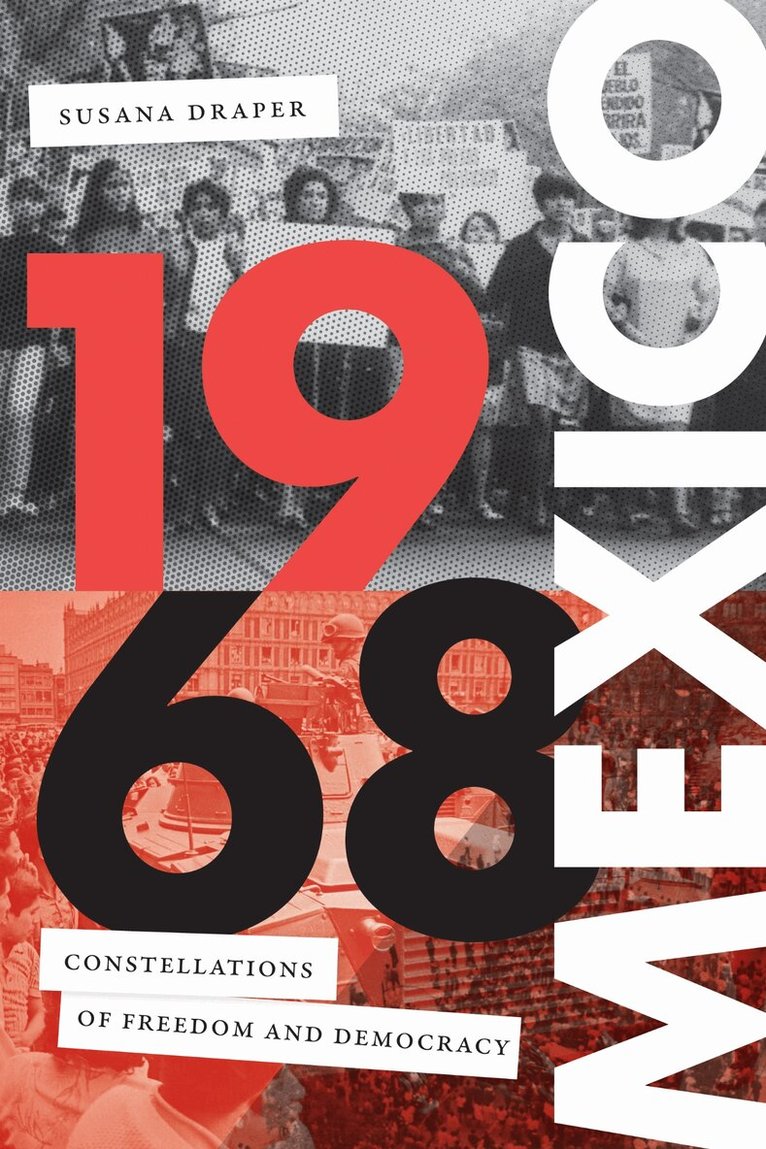
Recognizing the fiftieth anniversary of the protests, strikes, and violent struggles that formed the political and cultural backdrop of 1968 across Europe, the United States, and Latin America, Susana Draper offers a nuanced perspective of the 1968 movement in Mexico. She challenges the dominant cultural narrative of the movement that has emphasized the importance of the October 2nd Tlatelolco Massacre and the responses of male student leaders. From marginal cinema collectives to women’s cooperative experiments, Draper reveals new archives of revolutionary participation that provide insight into how 1968 and its many afterlives are understood in Mexico and beyond. By giving voice to Mexican Marxist philosophers, political prisoners, and women who participated in the movement, Draper counters the canonical memorialization of 1968 by illustrating how many diverse voices inspired alternative forms of political participation. Given the current rise of social movements around the globe, in 1968 Mexico Draper provides a new framework to understand the events of 1968 in order to rethink the everyday existential, political, and philosophical problems of the present.
Häftad, Engelska, 2018
386 kr
Skickas inom 5-8 vardagar
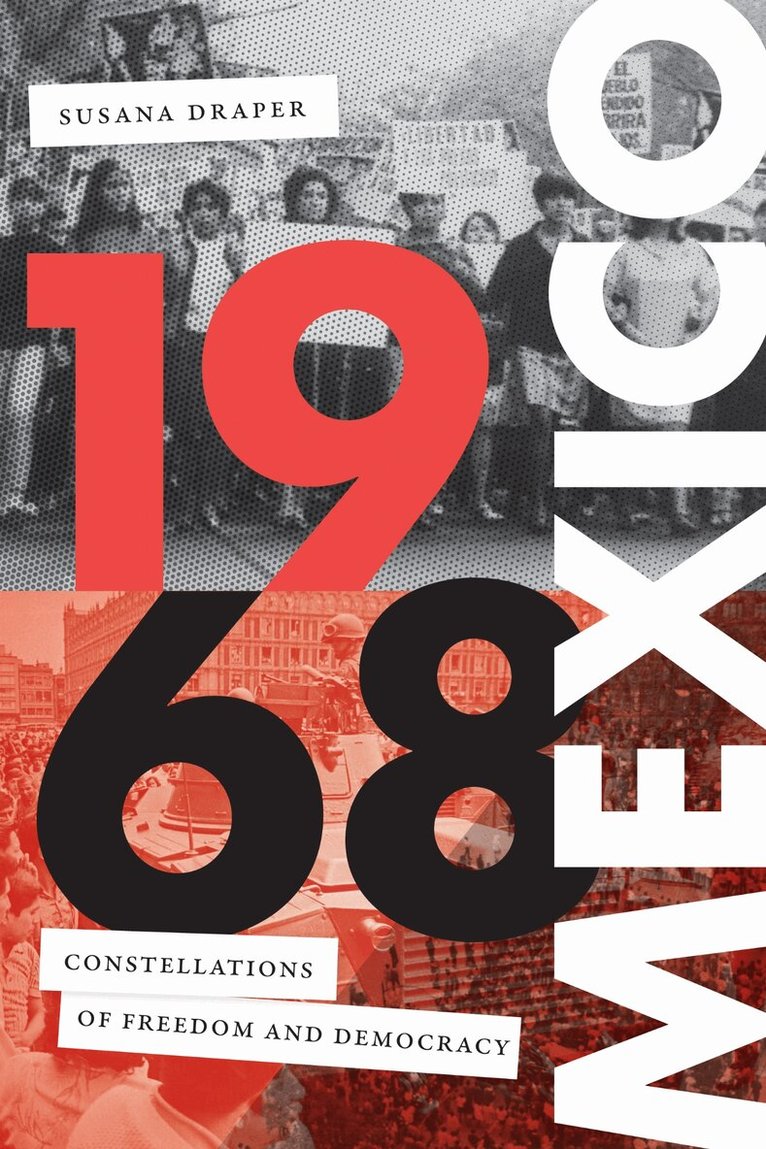
Recognizing the fiftieth anniversary of the protests, strikes, and violent struggles that formed the political and cultural backdrop of 1968 across Europe, the United States, and Latin America, Susana Draper offers a nuanced perspective of the 1968 movement in Mexico. She challenges the dominant cultural narrative of the movement that has emphasized the importance of the October 2nd Tlatelolco Massacre and the responses of male student leaders. From marginal cinema collectives to women’s cooperative experiments, Draper reveals new archives of revolutionary participation that provide insight into how 1968 and its many afterlives are understood in Mexico and beyond. By giving voice to Mexican Marxist philosophers, political prisoners, and women who participated in the movement, Draper counters the canonical memorialization of 1968 by illustrating how many diverse voices inspired alternative forms of political participation. Given the current rise of social movements around the globe, in 1968 Mexico Draper provides a new framework to understand the events of 1968 in order to rethink the everyday existential, political, and philosophical problems of the present.
E-bok
PDF, Engelska, 2018550 kr
Läs direkt efter köp
Recognizing the fiftieth anniversary of the protests, strikes, and violent struggles that formed the political and cultural backdrop of 1968 across Europe, the United States, and Latin America, Susana Draper offers a nuanced perspective of the 1968 movement in Mexico. She challenges the dominant cultural narrative of the movement that has emphasized the importance of the October 2nd Tlatelolco Massacre and the responses of male student leaders. From marginal cinema collectives to women’s cooperative experiments, Draper reveals new archives of revolutionary participation that provide insight into how 1968 and its many afterlives are understood in Mexico and beyond. By giving voice to Mexican Marxist philosophers, political prisoners, and women who participated in the movement, Draper counters the canonical memorialization of 1968 by illustrating how many diverse voices inspired alternative forms of political participation. Given the current rise of social movements around the globe, in 1968 Mexico Draper provides a new framework to understand the events of 1968 in order to rethink the everyday existential, political, and philosophical problems of the present.
E-bok
Spanska, 201896 kr
Läs direkt efter köp
A cinco décadas de 1968 cabe preguntarnos qué tipo de cuestionamientos pueden intervenir para desestabilizar el imaginario dominante de un momento crucial de la historia. ¿Queda algo por decir?El 68 emerge en este libro de una forma diversa: se trata del año específico en el que se constituye el movimiento estudiantil y popular que revoluciona la vida social, política y subjetiva de muchas personas; es una constelación en la que el movimiento se continúa de diferentes formas en las décadas siguientes.Lejos de la mirada predominante fija en la voz de líderes universitarios masculinos y en la masacre de Tlatelolco, este libro se propone trazar otros recorridos a partir de figuras y voces dejadas al margen de la historia. Plantea una pregunta respecto a las formas de emancipación que acontecen en la memoria con un estilo polifónico capaz de reconstruir aristas de ese momento y de su relevancia histórica, filosófica y política. La autogestión en la educación, la palabra y la imagen, el encuentro entre quienes no se hallaban, la demanda de igualdad en el horizonte de otro sistema de vida, y el deseo de conectividad social, son algunos temas que abren un territorio de reflexiones que se hicieron posibles a partir de las experiencias de ese momento.México 1968. Experimentos de la libertad. Constelaciones de la democracia aborda la poética de una liberación caracterizada por un afán de conectividad social en el que la demanda de un cambio en el sistema logró agrupar los deseos y afectos entre personas y grupos diversos, que poco se habían encontrado en un hacer común hasta este momento.