Bringing together theoretical, ethnographic, and internationally contributed chapters, this book introduces a tripartite approach to anthropology. It highlights the need to study individuals alongside customary groups, to examine persons sequestered within their socio-cultural contexts amid changing global circumstances, and to reflect on one’s own society. Drawing on the Covid-19 lockdown, Contributors discuss their own experiences of in-placement. The volume also considers how epidemics qualify as disasters within the risk field and asks whether certain long-established postulations may now be outdated.
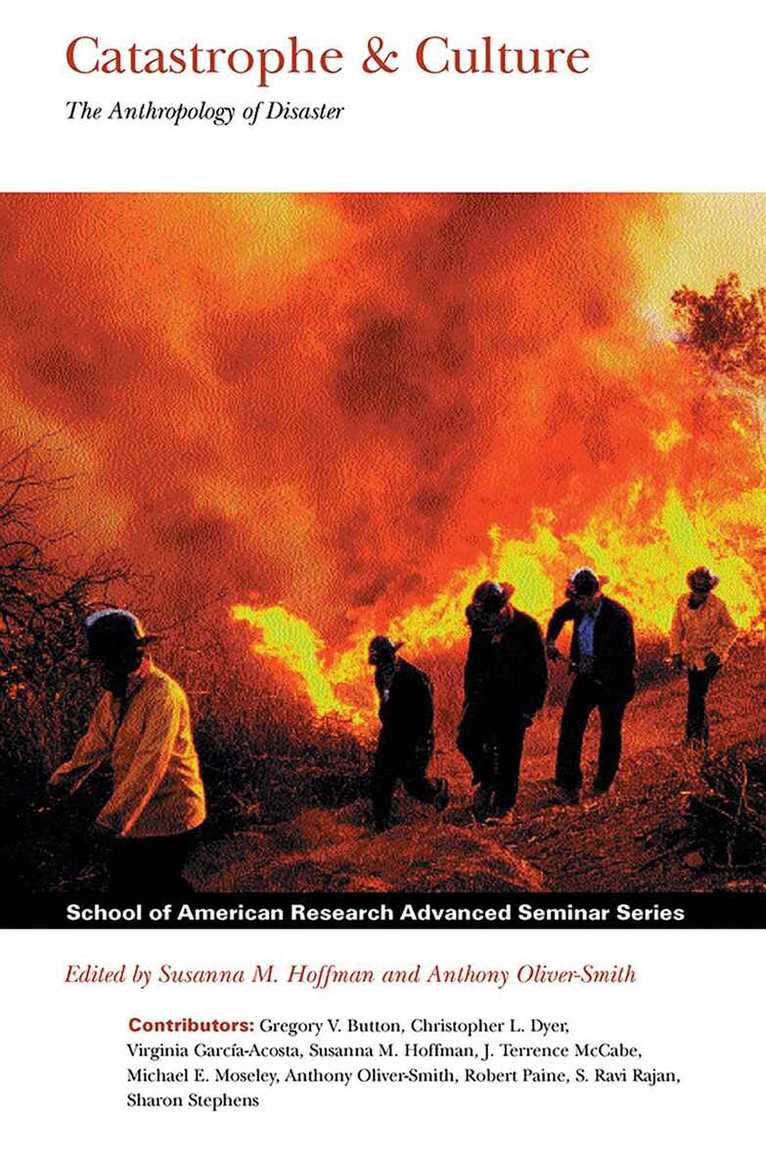
At a time of increasing globalization and worldwide vulnerability, the study of disasters has become an important focus for anthropological research-one where the four fields of anthropology are synthesized to address the multidimensionality of the effects to a community's social structures and relationship to the environment. Using a variety of natural and technological disasters-including Mexican earthquakes, drought in the Andes and in Africa, the nuclear meltdown at Chernobyl, the Exxon Valdez oil spill, the Oakland firestorm, and the Bhopal gas disaster-the authors of this volume explore the potentials of disaster for ecological, political-economic, and cultural approaches to anthropology along with the perspectives of archaeology and history. They also discuss the connection between theory and practice and what anthropology can do for disaster management.
Bringing together theoretical, ethnographic, and internationally contributed chapters, this book introduces a tripartite approach to anthropology. It highlights the need to study individuals alongside customary groups, to examine persons sequestered within their socio-cultural contexts amid changing global circumstances, and to reflect on one’s own society. Drawing on the Covid-19 lockdown, Contributors discuss their own experiences of in-placement. The volume also considers how epidemics qualify as disasters within the risk field and asks whether certain long-established postulations may now be outdated.
At a time of increasing globalization and worldwide vulnerability, the study of disasters has become an important focus for anthropological research-one where the four fields of anthropology are synthesized to address the multidimensionality of the effects to a community's social structures and relationship to the environment. Using a variety of natural and technological disasters-including Mexican earthquakes, drought in the Andes and in Africa, the nuclear meltdown at Chernobyl, the Exxon Valdez oil spill, the Oakland firestorm, and the Bhopal gas disaster-the authors of this volume explore the potentials of disaster for ecological, political-economic, and cultural approaches to anthropology along with the perspectives of archaeology and history. They also discuss the connection between theory and practice and what anthropology can do for disaster management.