Susanna Partsch – författare
Visar alla böcker från författaren Susanna Partsch. Handla med fri frakt och snabb leverans.
10 produkter
Kammerlohr - Epochen der Kunst Neu 02: Von der Renaissance bis zum Jugendstil
Av Robert Hahne, Sigrid Klima m. fl.
Inbunden, 2015
555 kr
Lägg i varukorg
Perspektiven der Kunst - Von der Karolingerzeit bis zur Gegenwart
Av Gabriele Kopp-Schmidt, Rosie Maier m. fl.
Inbunden, 2006
715 kr
Lägg i varukorg
Ich will malen!
Das Leben der Artemisia Gentileschi
Av Susanna Partsch, Michael Hatry
E-bok, 2015
40 kr
Lägg i varukorg
"Artemisia Gentileschi war in der Zeit, die wir heute Barock nennen, eine sehr bekannte Malerin. Und sie war mit Abstand die interessanteste, denn anders als die meisten der wenigen anderen Künstlerinnen malte sie weder aus Zeitverbtreib noch die für Frauen typischen Porträts oder Stillleben. Sie …
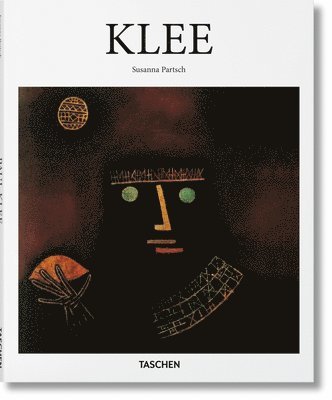
Klee
Inbunden, 2015
215 kr
Lägg i varukorg
With meticulous theories and many thousands of paintings, drawings, and watercolors, Paul Klee (1879–1940) is considered one of the most cerebral and prolific leaders of 20th-century European art. Though typically small in scale, his works are remarkable for their sophisticated thought and …
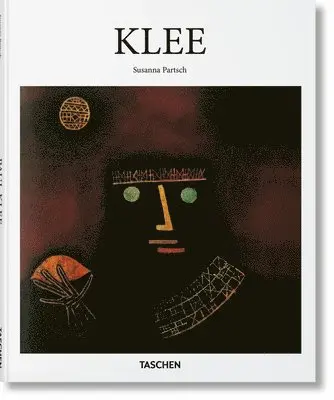
Klee
Inbunden, 2015
219 kr
Lägg i varukorg
With meticulous theories and many thousands of paintings, drawings, and watercolors, Paul Klee (1879–1940) is considered one of the most cerebral and prolific leaders of 20th-century European art. Though typically small in scale, his works are remarkable for their sophisticated thought and …
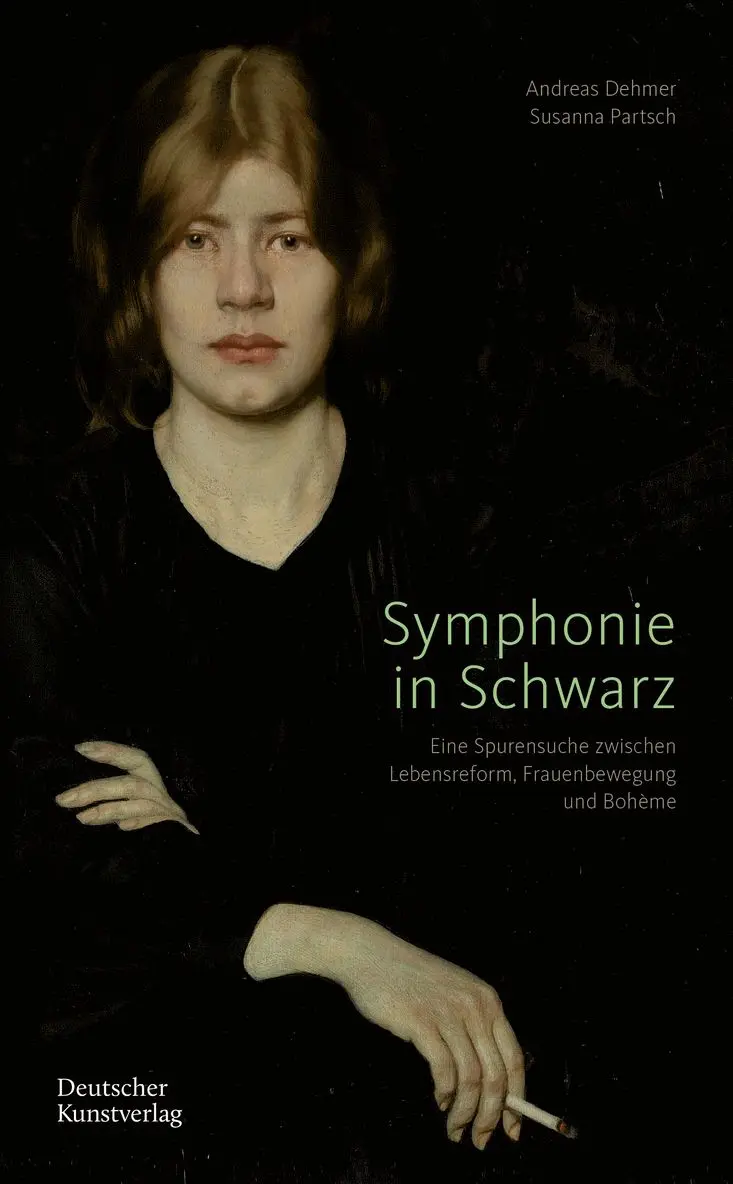
Symphonie in Schwarz
Eine Spurensuche zwischen Lebensreform, Frauenbewegung und Bohème
Av Andreas Dehmer, Susanna Partsch
Häftad, 2023
254 kr
Tillfälligt slut
In 1904, Saxon artist Oskar Zwintscher painted the portrait of a lady smoking a cigarette. Today, the work has cult status at the Albertinum in Dresden. Her hair loose, a burning cigarette held casually in her hand, the sitter in a black reform dress is sitting in front of a black curtain. But who …