Susanna Rabow-Edling – författare
Visar alla böcker från författaren Susanna Rabow-Edling. Handla med fri frakt och snabb leverans.
11 produkter
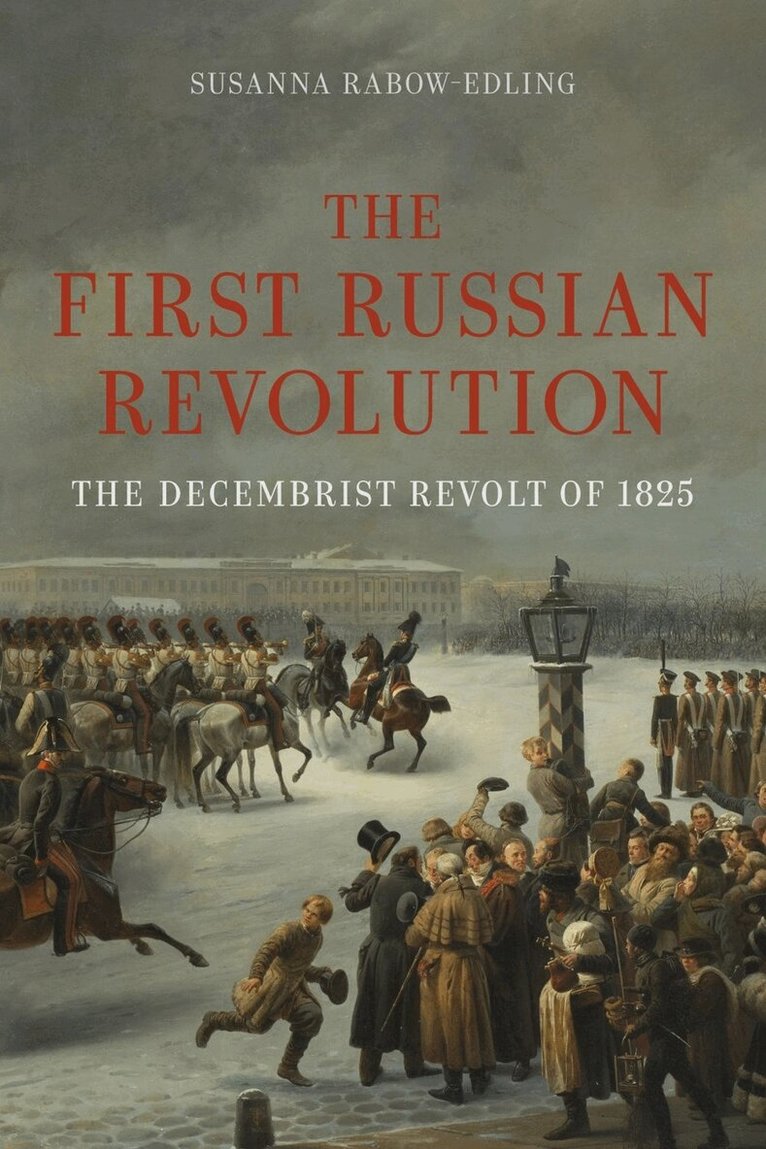
First Russian Revolution
The Decembrist Revolt of 1825
Inbunden, 2025
253 kr
Lägg i varukorg
One of Financial Times’s Best Books of 2025: HistoryOn 14 December 1825 a group of young Russian army officers led 3,000 troops to Senate Square in St Petersburg, aiming to force the Senate to adopt a liberal constitution and transform the Russian Empire. The Decembrist Revolt – as it came to be …
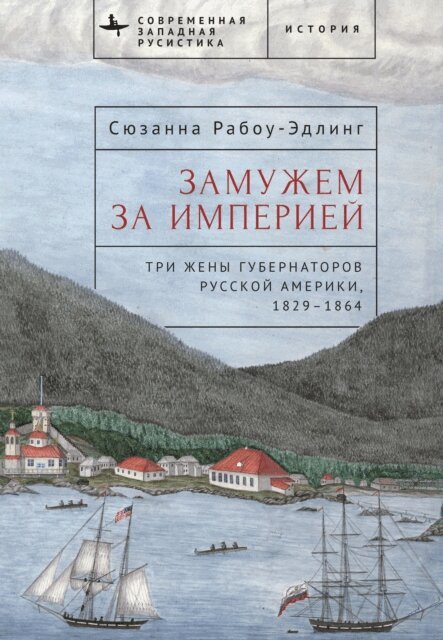
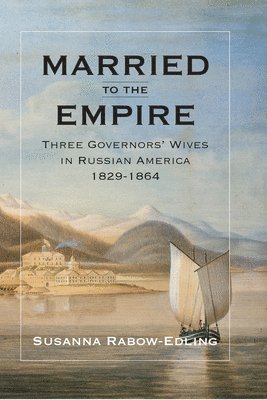
Married to the Empire
Three Governor’s Wives in Russian America 1829–1864
Inbunden, 2025
517 kr
Lägg i varukorg
Во владениях Российской империи в Новом свете жизнь была далека от европейских представлений о цивилизованности. Поселенцы не брезговали пьянством и коррупцией, что делало их плохим примером для коренных жителей — людей, которых империя считала отчаянно нуждающимися в нравственном просвещении. Что …
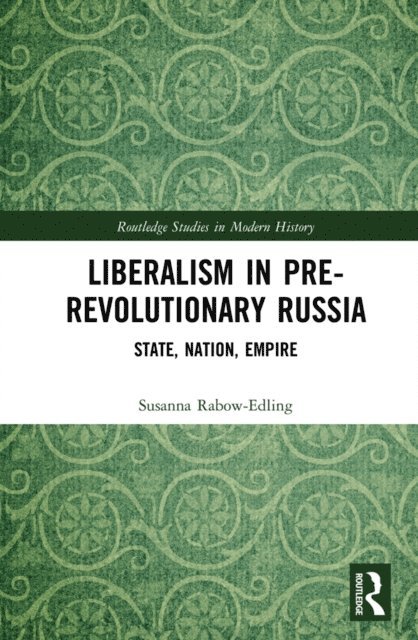
Liberalism in Pre-revolutionary Russia
State, Nation, Empire
Häftad, 2020
713 kr
Lägg i varukorg
Nineteenth-century Russian intellectuals were faced with a dilemma. They had to choose between modernizing their country, thus imitating the West, or reaffirming what was perceived as their country's own values and thereby risk remaining socially underdeveloped and unable to compete with Western …
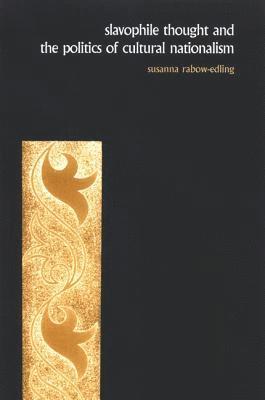
Slavophile Thought and the Politics of Cultural Nationalism
Häftad, 2007
455 kr
Lägg i varukorg
Examines the origins of Russian nationalism and its relationship to the West.Susanna Rabow-Edling examines the first theory of the Russian nation, formulated by the Slavophiles in the second quarter of the nineteenth century, and its relationship to the West. Using cultural nationalism as a tool …
Liberalism in Pre-revolutionary Russia
State, Nation, Empire
Inbunden, 2018
2594 kr
Lägg i varukorg
Nineteenth-century Russian intellectuals were faced with a dilemma. They had to choose between modernizing their country, thus imitating the West, or reaffirming what was perceived as their country's own values and thereby risk remaining socially underdeveloped and unable to compete with Western …
Liberalism in Pre-revolutionary Russia
State, Nation, Empire
E-bok, 2018
856 kr
Lägg i varukorg
Nineteenth-century Russian intellectuals were faced with a dilemma. They had to choose between modernizing their country, thus imitating the West, or reaffirming what was perceived as their country''s own values and thereby risk remaining socially underdeveloped and unable to compete with Western …
Liberalism in Pre-revolutionary Russia
State, Nation, Empire
E-bok, 2018
856 kr
Lägg i varukorg
Nineteenth-century Russian intellectuals were faced with a dilemma. They had to choose between modernizing their country, thus imitating the West, or reaffirming what was perceived as their country''s own values and thereby risk remaining socially underdeveloped and unable to compete with Western …
Married to the Empire
Three Governor’s Wives in Russian America 1829–1864
Häftad, 2025
388 kr
Lägg i varukorg
Во владениях Российской империи в Новом свете жизнь была далека от европейских представлений о цивилизованности. Поселенцы не брезговали пьянством и коррупцией, что делало их плохим примером для коренных жителей — людей, которых империя считала отчаянно нуждающимися в нравственном просвещении. Что …
Married to the Empire
Three Governor's Wives in Russian America 1829-1864
E-bok, 2025
736 kr
Lägg i varukorg
. , , . ? . 1829 , . - , , .
Slavophile Thought and the Politics of Cultural Nationalism
Inbunden, 2006
1111 kr
Tillfälligt slut
Examines the origins of Russian nationalism and its relationship to the West.Susanna Rabow-Edling examines the first theory of the Russian nation, formulated by the Slavophiles in the second quarter of the nineteenth century, and its relationship to the West. Using cultural nationalism as a tool …
Married to the Empire
Three Governors' Wives in Russian America 1829-1864
Inbunden, 2015
510 kr
Tillfälligt slut