Swatie – författare
Visar alla böcker från författaren Swatie. Handla med fri frakt och snabb leverans.
6 produkter
6 produkter
Inbunden, Engelska, 2026
2 528 kr
Skickas inom 10-15 vardagar
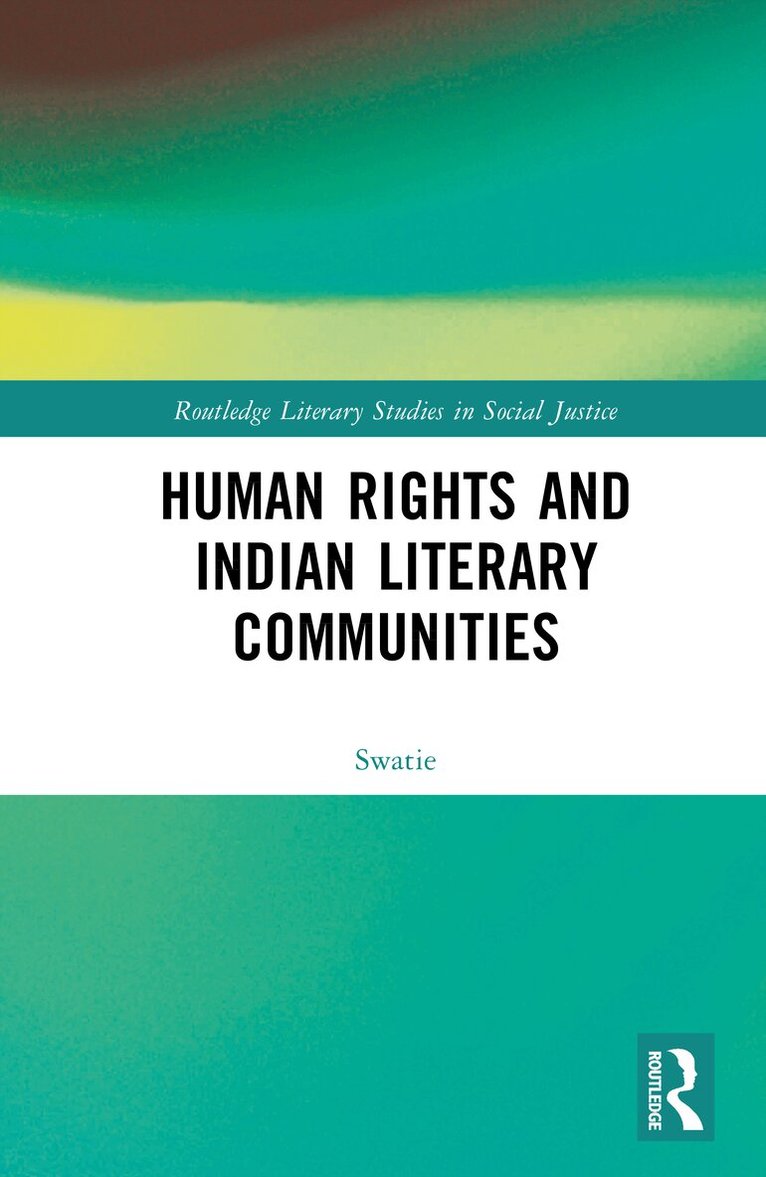
Human Rights and Indian Literary Communities explores the relation between literature, the public sphere, and the notion of personhood as understood through the concept of human rights in India. While discussing the challenges of social equality, the universal notion that everyone is a rights-bearing person, and rule of law in a postcolonial society like India, it outlines the historical trajectories, geographies, and social processes that go into the making of human rights.This edited collection presents various interpretations of the concept of literary communities, highlighting their indispensable role to the demands of human rights discourse. Each chapter analyses narratives as told in various media and environments - from the public sphere and the Constitution to archival letters, novels, poetry, and short stories, as well as documentary and feature films. Contributions from human rights and literary scholars and researchers also adopt an intersectional lens, discussing the micro-histories of the anti-colonial struggle, debates within the queer movement, and the relationship between religion and rights. Wide in scope, this book adopts a sharp focus on the capacity of literary communities to collectively equip those with rights with empathy and care.By demonstrating how a rights-bearing person is written, not simply constructed, into being, this comprehensive text is an ideal resource for researchers of literary, legal, and postcolonial studies.
E-bok
PDF, Engelska, 2026858 kr
Läs direkt efter köp
Human Rights and Indian Literary Communities explores the relation between literature, the public sphere, and the notion of personhood as understood through the concept of human rights in India. While discussing the challenges of social equality, the universal notion that everyone is a rights-bearing person, and rule of law in a postcolonial society like India, it outlines the historical trajectories, geographies, and social processes that go into the making of human rights.This edited collection presents various interpretations of the concept of literary communities, highlighting their indispensable role to the demands of human rights discourse. Each chapter analyses narratives as told in various media and environments - from the public sphere and the Constitution to archival letters, novels, poetry, and short stories, as well as documentary and feature films. Contributions from human rights and literary scholars and researchers also adopt an intersectional lens, discussing the micro-histories of the anti-colonial struggle, debates within the queer movement, and the relationship between religion and rights. Wide in scope, this book adopts a sharp focus on the capacity of literary communities to collectively equip those with rights with empathy and care.By demonstrating how a rights-bearing person is written, not simply constructed, into being, this comprehensive text is an ideal resource for researchers of literary, legal, and postcolonial studies.
E-bok
Engelska, 2026890 kr
Läs direkt efter köp
Human Rights and Indian Literary Communities explores the relation between literature, the public sphere, and the notion of personhood as understood through the concept of human rights in India. While discussing the challenges of social equality, the universal notion that everyone is a rights-bearing person, and rule of law in a postcolonial society like India, it outlines the historical trajectories, geographies, and social processes that go into the making of human rights.This edited collection presents various interpretations of the concept of literary communities, highlighting their indispensable role to the demands of human rights discourse. Each chapter analyses narratives as told in various media and environments - from the public sphere and the Constitution to archival letters, novels, poetry, and short stories, as well as documentary and feature films. Contributions from human rights and literary scholars and researchers also adopt an intersectional lens, discussing the micro-histories of the anti-colonial struggle, debates within the queer movement, and the relationship between religion and rights. Wide in scope, this book adopts a sharp focus on the capacity of literary communities to collectively equip those with rights with empathy and care.By demonstrating how a rights-bearing person is written, not simply constructed, into being, this comprehensive text is an ideal resource for researchers of literary, legal, and postcolonial studies.
Inbunden, Engelska, 2021
1 284 kr
Skickas inom 5-8 vardagar
E-bok
Engelska, 20211 409 kr
Läs direkt efter köp
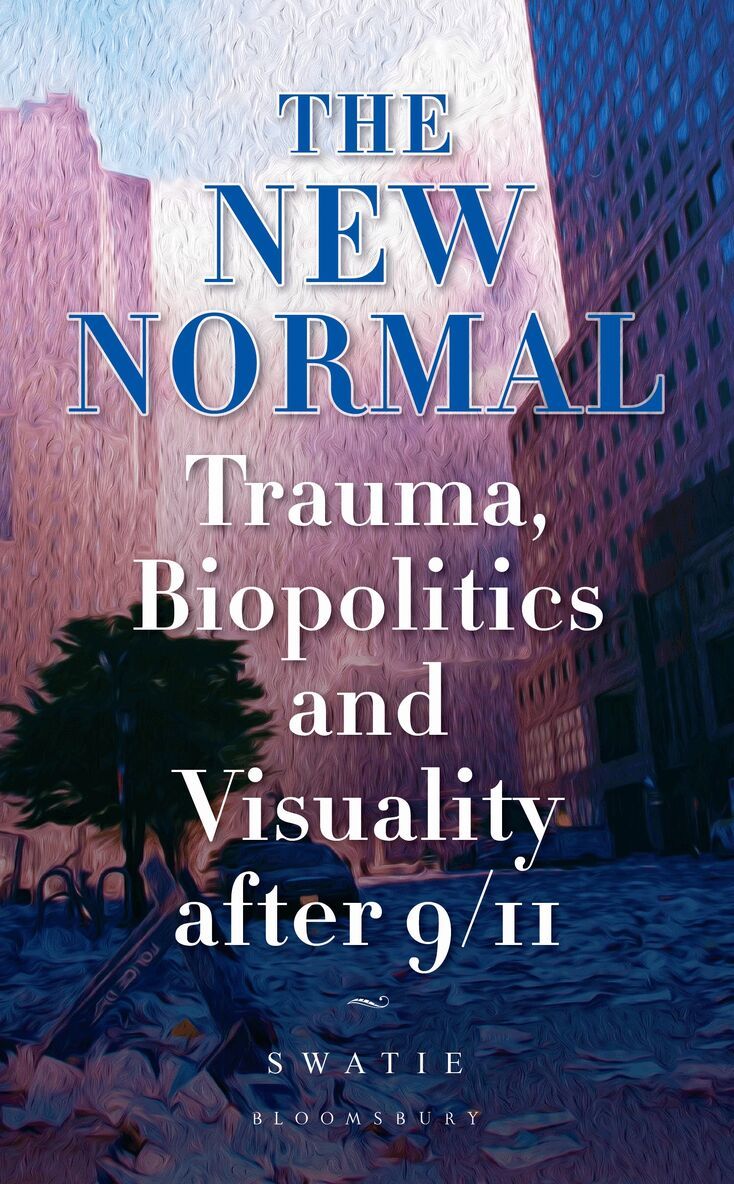
The New Normal explores the relation between the subject and the state after the events of 9/11 that left the world stunned. It looks at this relation through the lens of trauma for the mind, biopolitics for the body and visuality for the body politic. This interpretive frame helps examine how the 9/11 violence created a moment where the mind, body and body politiccould be redefined after 9/11. In an important theoretical intervention into 21st-century American Studies, it asks what the relation between the state and those it expels from its citizenry is. It makes a special mention of sites of incarceration such as Guantanamo Bay and Abu Ghraib as 9/11 phenomena. While referring to sources as diverse as 9/11 poetry, political and presidential speeches, journalistic accounts, atrocity photographs, and theories of trauma, biopolitics and visuality, the book argues for the presence of a new normal.
E-bok
PDF, Engelska, 20211 409 kr
Läs direkt efter köp
The New Normal explores the relation between the subject and the state after the events of 9/11 that left the world stunned. It looks at this relation through the lens of trauma for the mind, biopolitics for the body and visuality for the body politic. This interpretive frame helps examine how the 9/11 violence created a moment where the mind, body and body politiccould be redefined after 9/11. In an important theoretical intervention into 21st-century American Studies, it asks what the relation between the state and those it expels from its citizenry is. It makes a special mention of sites of incarceration such as Guantanamo Bay and Abu Ghraib as 9/11 phenomena. While referring to sources as diverse as 9/11 poetry, political and presidential speeches, journalistic accounts, atrocity photographs, and theories of trauma, biopolitics and visuality, the book argues for the presence of a new normal.