Sylvio Antonio Kappes - Böcker
Visar alla böcker från författaren Sylvio Antonio Kappes. Handla med fri frakt och snabb leverans.
3 produkter
3 produkter
1 906 kr
Skickas inom 7-10 vardagar
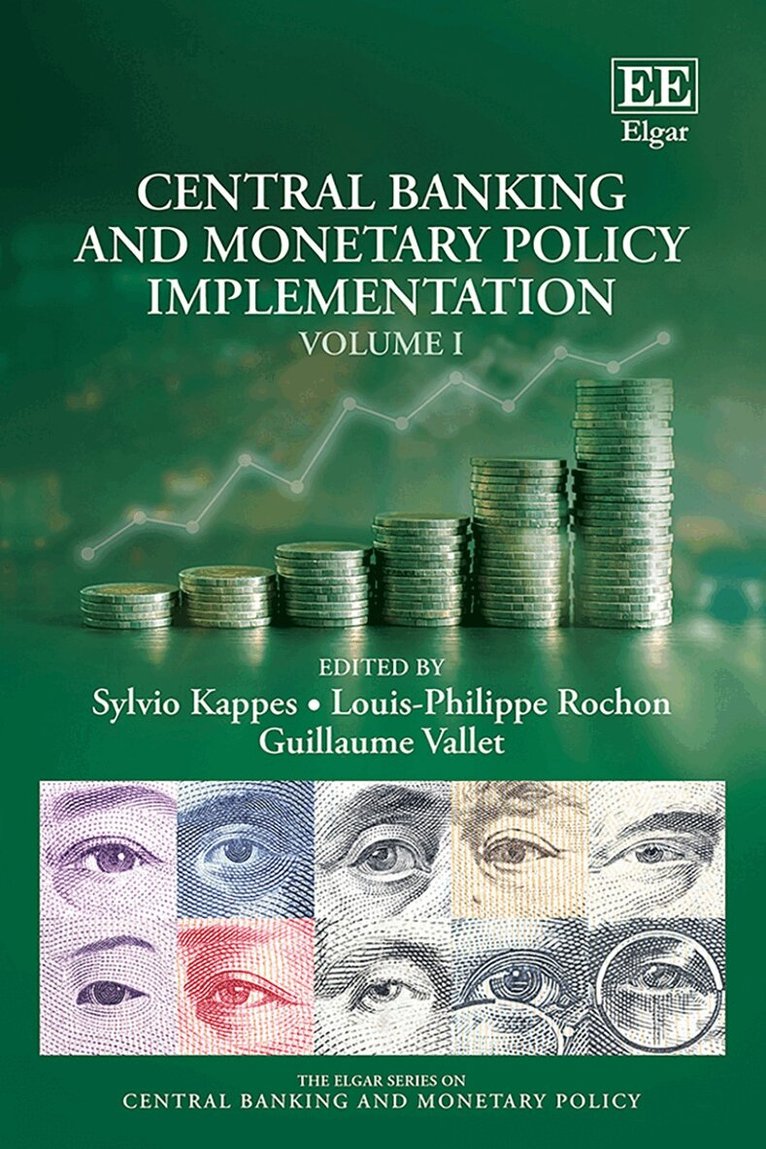
This informative book discusses the evolution of monetary policy, particularly since the subprime crisis. The contributors analyse diverse examples of the implementation of monetary policies across a range of countries, from those with major central banks such as Canada and Switzerland to developing economies such as Brazil and Nigeria, exploring how the practical workings of these measures can vary.The authors examine the different instruments that can be used to control base interest rates, such as open market operations, reserve requirements and remuneration and rediscount operations. Chapters delve into 11 different case studies, which include monetary policy implementations in China, a reconstruction of the monetary policy framework in Argentina during COVID-19 and an overview of the instruments and procedures used by the European Central Bank. This comprehensive book also provides an overview of the various challenges that can arise in the process of implementing novel strategies.Students and scholars of financial economics and regulation, political economy and money and banking will greatly benefit from this book. With its theoretical insights, it is also a crucial resource for academics in post-Keynesian economics, as well as practitioners in central banking and the financial press.
2 151 kr
Skickas inom 10-15 vardagar
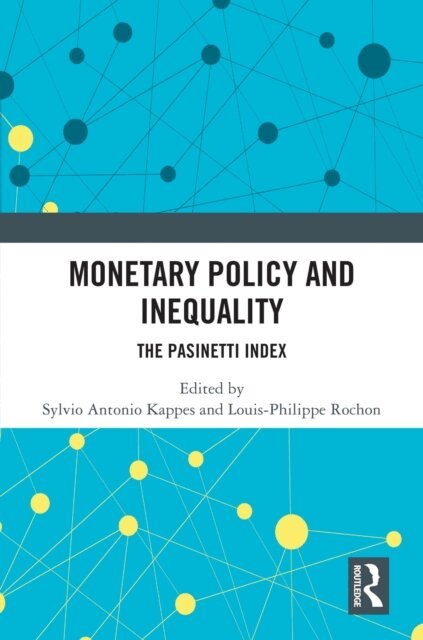
This book explores the relationship between monetary policy and income (and wealth) distribution, a growing area of research in post-Keynesian and heterodox economics today. The interest actually goes back at least to Keynes, who, in his A Tract on Monetary Reform, discusses the effects of interest rates on income distribution—what has been called a ‘rentier-first’ monetary policy. This led Keynes, in the General Theory, to advocate for what he calls ‘the euthanasia of the rentier.’ For Keynes, monetary policy should be set at a low enough rate of interest as to maximize our collective ability to attain full employment. Joan Robinson further developed these ideas in her Accumulation of Capital (1956), examining the distributive nature of interest rates.Within contemporary heterodox economics, this topic gained renewed attention in the late 1980s through influential papers by prominent post-Keynesians who highlighted concerns about how interest rate changes affect functional income distribution. This perspective places social class dynamics and class conflict at the center of monetary policy debates, challenging mainstream approaches that often overlook distributional consequences.This book is an invaluable read for economics researchers, graduate students, and policy analysts of monetary theory, macroeconomics, political economy, income inequality, financial economics, and heterodox economic approaches.The chapters in this book were originally published in Review of Political Economy.
2 081 kr
Skickas inom 7-10 vardagar
In this prescient book, expert contributors from academic and policymaking circles explore dollarization in both theoretical and practical terms. They provide a fundamental resource for understanding the many forms in which dollarization can occur.Central Banking, Monetary Policy and the Political Economy of Dollarization analyzes important case studies from across continents including Africa, the Americas, Asia, and Europe. Through these findings, the book examines the political economy aspects of dollarization, critically assessing its potential outcomes. Contributors consider the role of central banks in dollarization, and provide a new perspective on the study of the phenomenon for a contemporary readership.This book is beneficial to academics and students focusing on economic disciplines such as financial regulation, banking, political economy and post-Keynesian economics. Central bankers and those working in the financial press will also find it useful.