T Hoffmann – författare
Visar alla böcker från författaren . Handla med fri frakt och snabb leverans.
2 produkter
2 produkter
Häftad, Engelska, 2012
311 kr
Skickas inom 5-8 vardagar
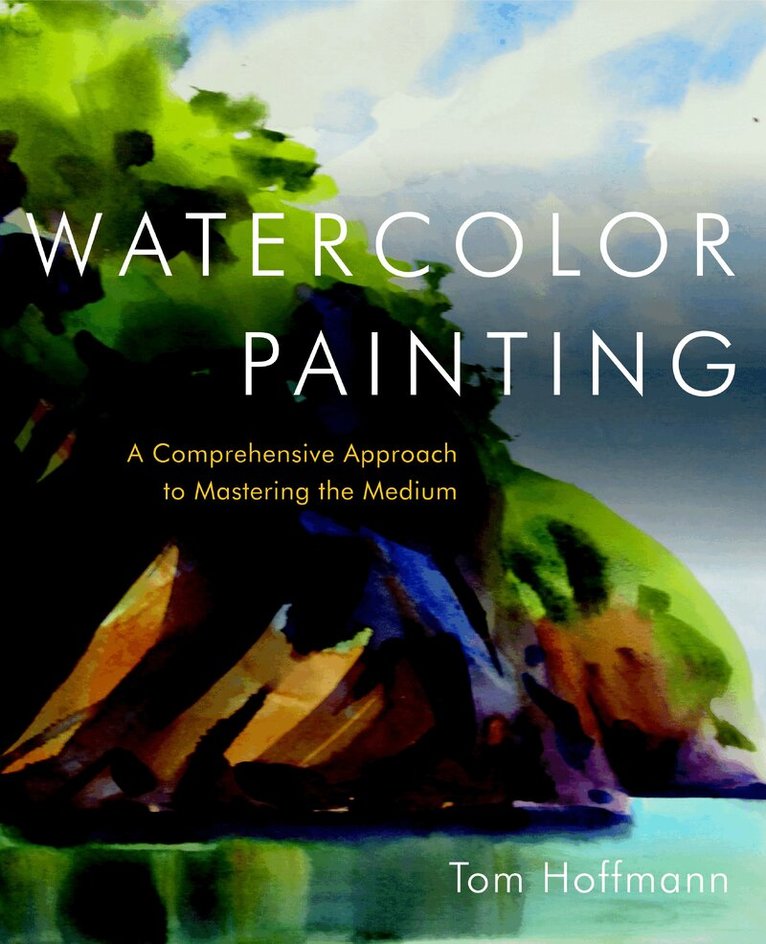
It is a thoughtful and fresh approach to one of the most popular paint mediums. It emphasis on taking chances and making informed risks makes this book invaluable to serious watercolourists. It features artwork with a wide range of subjects and styles. For serious watercolourists seeking a vibrant expressive quality in their work. "Watercolor Painting" is designed to promote a more thoughtful, fresh and original approach to watercolour. A medium known for its beguiling ironies, watercolour takes great skill to control, yet must appear to be free of control. Throughout the book, notable artist and teacher Tom Hoffmann stressed that students of watercolour must understand that realising the potential of watercolour involves taking chances and informed risks. The key to success lies in knowing what will happen when brush touches paper.
Del 8 - Recherches de Théologie et Philosophie Médiévales - Bibliotheca
Das Problem der Willensschwäche in der mittelalterlichen Philosophie / The Problem of Weakness of Will in Medieval Philosophy
Häftad, Engelska, 2006
1 397 kr
Tillfälligt slut
This volume contains fourteen contributions to the topic of weakness of will in medieval philosophy. It fills an important gap in current research by presenting Aristotelian and non-Aristotelian medieval accounts of «akrasia», many of which have not yet been the object of scholarly writing. They are not only of great intrinsic philosophical interest; they also eminently document the transformation of ethical thought in the Middle Ages. Weakness of will is a test case for a wider range of problems in moral psychology and ethical theory. The articles collected in this volume give insight into a variety of accounts of practical rationality that were directly or indirectly influential on modern thinkers. The temporal framework of the volume exceeds the Middle Ages on both ends by including Aristotle and authors from the Renaissance and the Reformation.