T. T. Sreekumar – författare
Visar alla böcker från författaren T. T. Sreekumar. Handla med fri frakt och snabb leverans.
2 produkter
2 produkter
Inbunden, Engelska, 2026
2 306 kr
Kommande
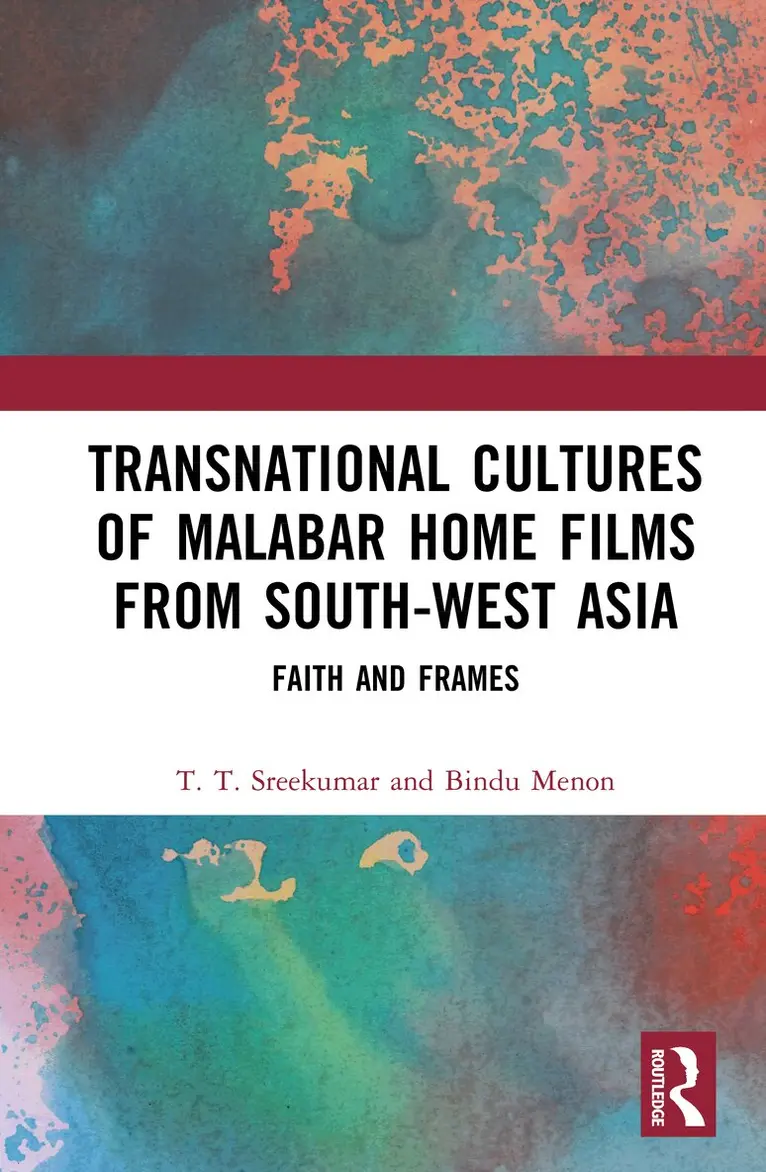
This book examines the emergence, circulation, and cultural significance of the Malabar Home Film movement, an independent video film culture that developed in northern Kerala in the late 1990s and subsequently expanded across transnational migrant circuits in the Gulf. At its core, the study investigates how a seemingly modest, low-budget video genre becomes a powerful site for negotiating religion, modernity, migration, and media within postcolonial South Asia. The volume offers the first sustained academic account of a Muslim video-film movement in India, moving beyond macro-political narratives of Islamism to examine the everyday aesthetic labour through which religious publics are assembled.By integrating political history, media ethnography, and textual interpretation, it demonstrates how home films operate as a "double mirror," reflecting both intra-community anxieties and wider shifts in national and transnational political life. Drawing on ethnographic fieldwork in Kerala and the Gulf, interviews with filmmakers and activists, and close readings of over two hundred films, the study situates the genre within the crises of India's postcolonial developmental state, the acceleration of globalization, and the rise of right-wing majoritarian politics.The primary readership includes scholars, researchers, and advanced students in Media Studies, Film Studies, Religious Studies, South Asian Studies, Anthropology, Sociology, Cultural Studies, and Migration Studies. It will also attract journalists, documentary filmmakers, cultural critics, and policy researchers interested in religion and media, minority politics in India, Gulf migration, and vernacular digital cultures.
Inbunden, Engelska, 2011
1 156 kr
Skickas inom 5-8 vardagar
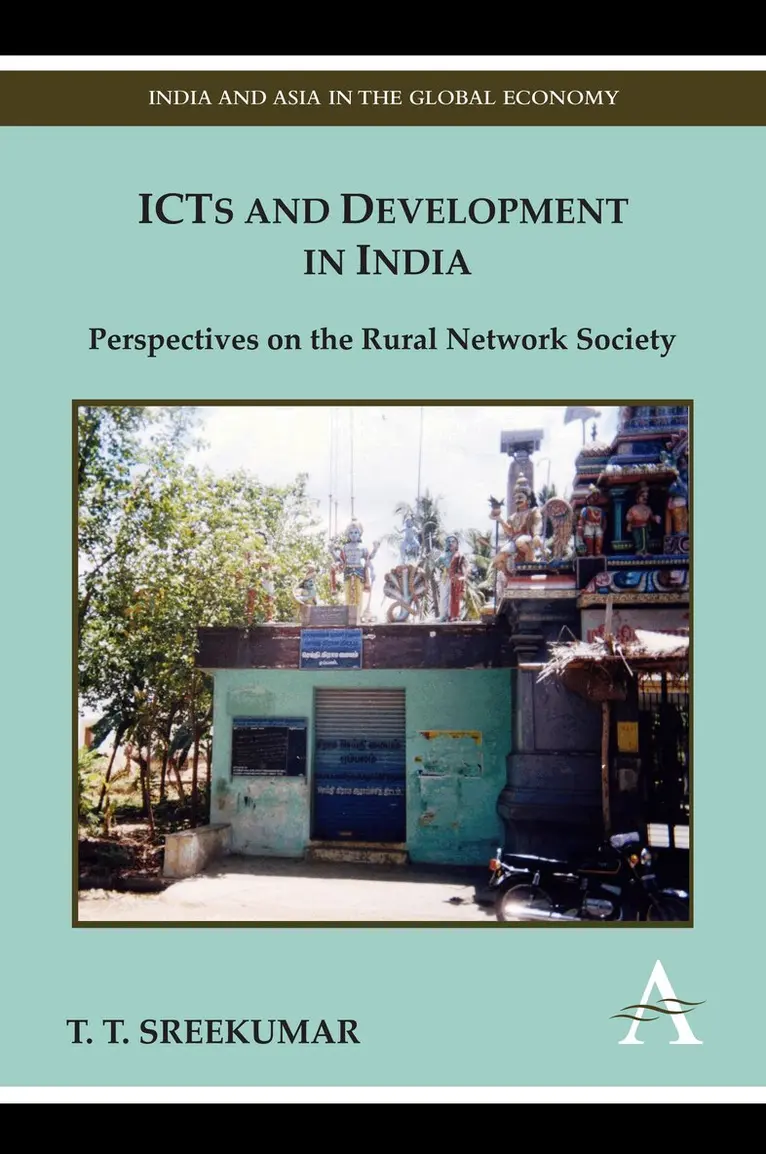
‘ICTs and Development in India’ is a unique attempt to study the nature and consequences of the growing presence of Information Technology in development projects in India, focusing particularly on E-governance and Information & Communication Technologies (ICT) development programs initiated by Civil Society Organizations (CSOs). Sreekumar persuasively argues that there is in fact a wide chasm between the expectations and the actual benefits of CSO initiatives in rural India, and that recognising this crucial fact yields important lessons in conceptualizing development and social action in rural areas.