Terri L. Shelton – författare
Visar alla böcker från författaren Terri L. Shelton. Handla med fri frakt och snabb leverans.
3 produkter
3 produkter
Inbunden, Engelska, 2001
1 123 kr
Skickas inom 10-15 vardagar
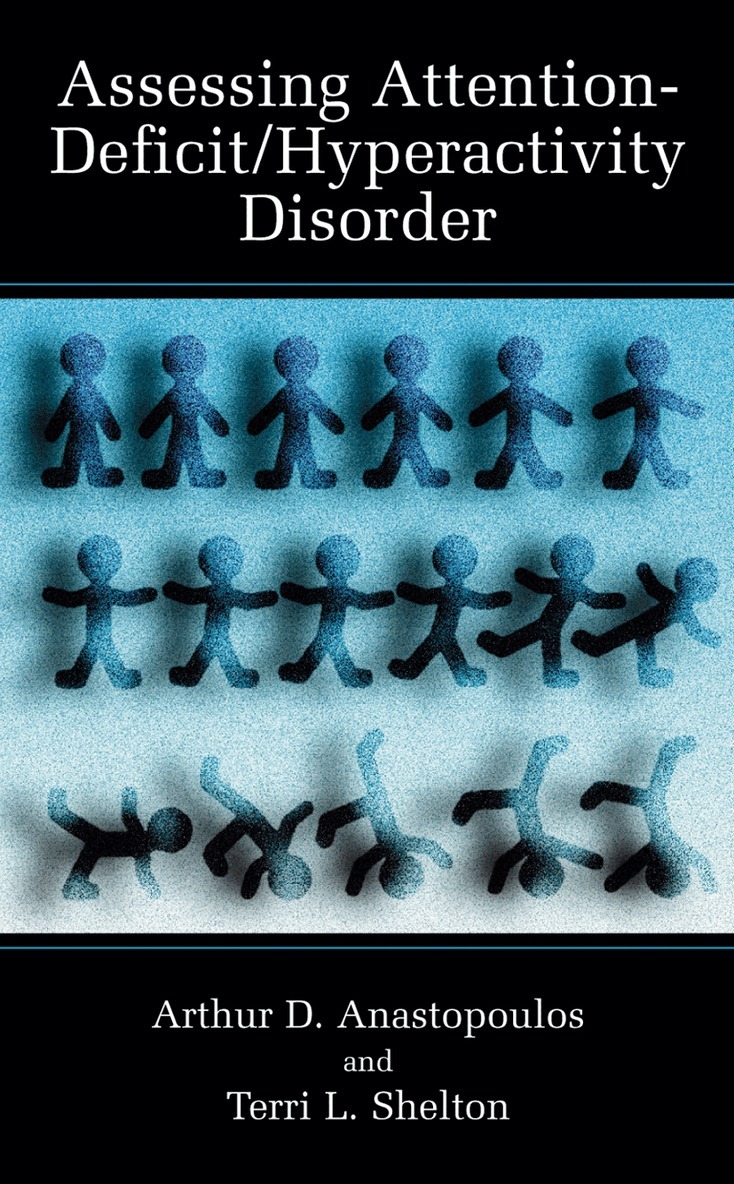
This volume provides child health care professionals and educators with a comprehensive set of empirically-driven, process-oriented guidelines for assessing children and adolescents who exhibit symptoms of attention-deficit/hyperactivity disorder (AD/HD). Although other texts describe measures or procedures that can be used in assessing AD/HD, none provides any guidelines with respect to the process of conducting an AD/HD assessment. The content of "Assessing Attention-Deficit/Hyperactivity Disorder" includes a detailed description of the defining features of AD/HD, along with comprehensive discussion of the manner in which AD/HD and its associated features unfold across the life span. Also presented is a comprehensive review and critique of various assessment procedures. Against this background, the reader is guided through the process of selecting measures and driving at an accurate AD/HD diagnosis. The text also reviews the process of translating assessment data into treatment recommendations, giving feedback to children and families, and evaluating treatment efficacy.Use of the guidelines described will lead to increased clinical accuracy, not only with respect to diagnosis, but also in terms of assessing the efficacy of various treatments. Rich with case examples, this volume should be of interest to professionals and students who provide clinical services to children and adolescents.
E-bok
PDF, Engelska, 20051 408 kr
Läs direkt efter köp
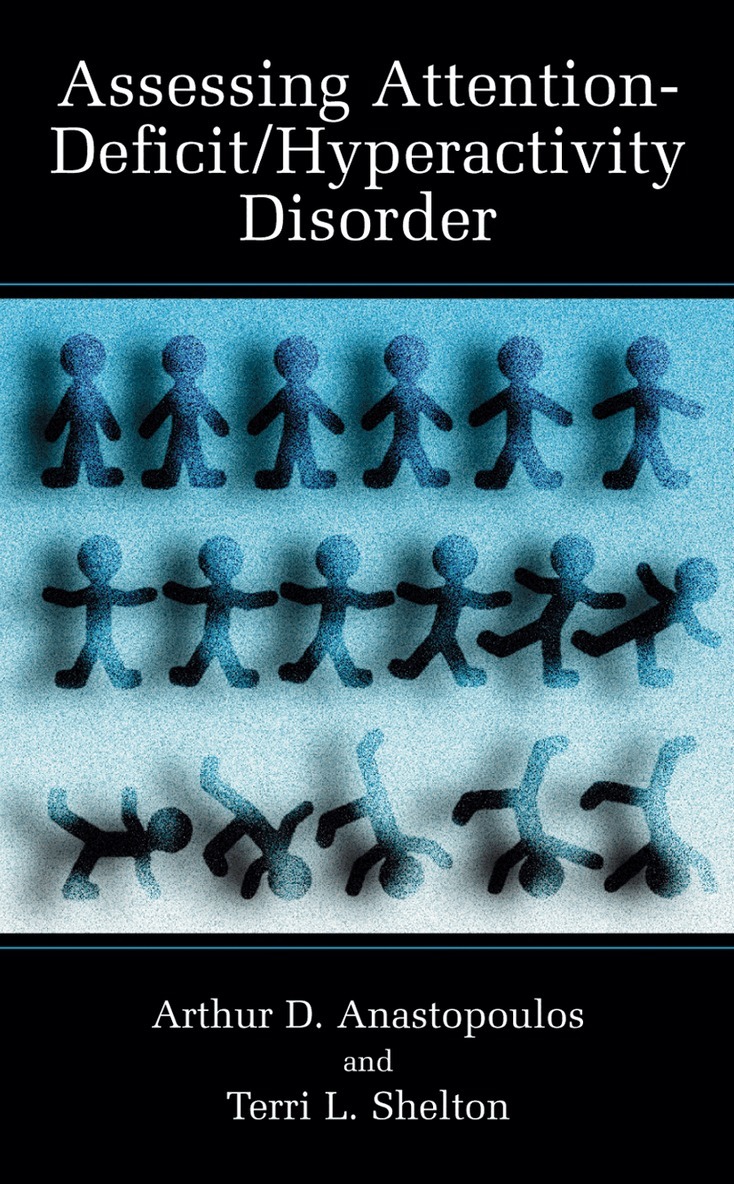
Over the past two decades, the assessment of Attention-Deficit/Hyperactivity Disorder (AD/HD) has evolved into a sophisticated balance of science and clinical judgement essential for arriving at reliable and valid diagnostic de- sions. Because of the precarious mix of clinical and empirical skill needed to evaluate children with this disorder, diagnostic practice in this area has been found wanting by many critics. In fact, a 1998 National Institutes of Health consensus panel concluded that “existing diagnostic treatment practices … point to the need for improved awareness by the health service sector conce- ing an appropriate assessment, treatment, and follow-up. A more consistent set of diagnostic procedures and practice guidelines is of utmost importance” (p. 21). Drs. Arthur D. Anastopoulos and Terri L. Shelton have designed a book that addresses this need. A number of themes are highlighted throughout the text. Perhaps the most important is that the assessment guidelines set forth in this book represent a balance between science and practice. The authors account for the realities of clinical practice in an age of managed care while challenging clinicians to heed the lessons of empirical research. Although the use of empirically based asse- ment procedures may at times fly in the face of cost constraints (e. g. , systematic evaluation of medication effects), the authors present a strong argument for them. Further, they call upon their vast clinical experience to provide concrete suggestions for translating research findings into effective evaluations.
Häftad, Engelska, 2013
1 123 kr
Skickas inom 10-15 vardagar
Over the past two decades, the assessment of Attention-Deficit/Hyperactivity Disorder (AD/HD) has evolved into a sophisticated balance of science and clinical judgement essential for arriving at reliable and valid diagnostic de- sions. Because of the precarious mix of clinical and empirical skill needed to evaluate children with this disorder, diagnostic practice in this area has been found wanting by many critics. In fact, a 1998 National Institutes of Health consensus panel concluded that “existing diagnostic treatment practices … point to the need for improved awareness by the health service sector conce- ing an appropriate assessment, treatment, and follow-up. A more consistent set of diagnostic procedures and practice guidelines is of utmost importance” (p. 21). Drs. Arthur D. Anastopoulos and Terri L. Shelton have designed a book that addresses this need. A number of themes are highlighted throughout the text. Perhaps the most important is that the assessment guidelines set forth in this book represent a balance between science and practice. The authors account for the realities of clinical practice in an age of managed care while challenging clinicians to heed the lessons of empirical research. Although the use of empirically based asse- ment procedures may at times fly in the face of cost constraints (e. g. , systematic evaluation of medication effects), the authors present a strong argument for them. Further, they call upon their vast clinical experience to provide concrete suggestions for translating research findings into effective evaluations.