Terry L. Wilder – författare
Visar alla böcker från författaren Terry L. Wilder. Handla med fri frakt och snabb leverans.
8 produkter
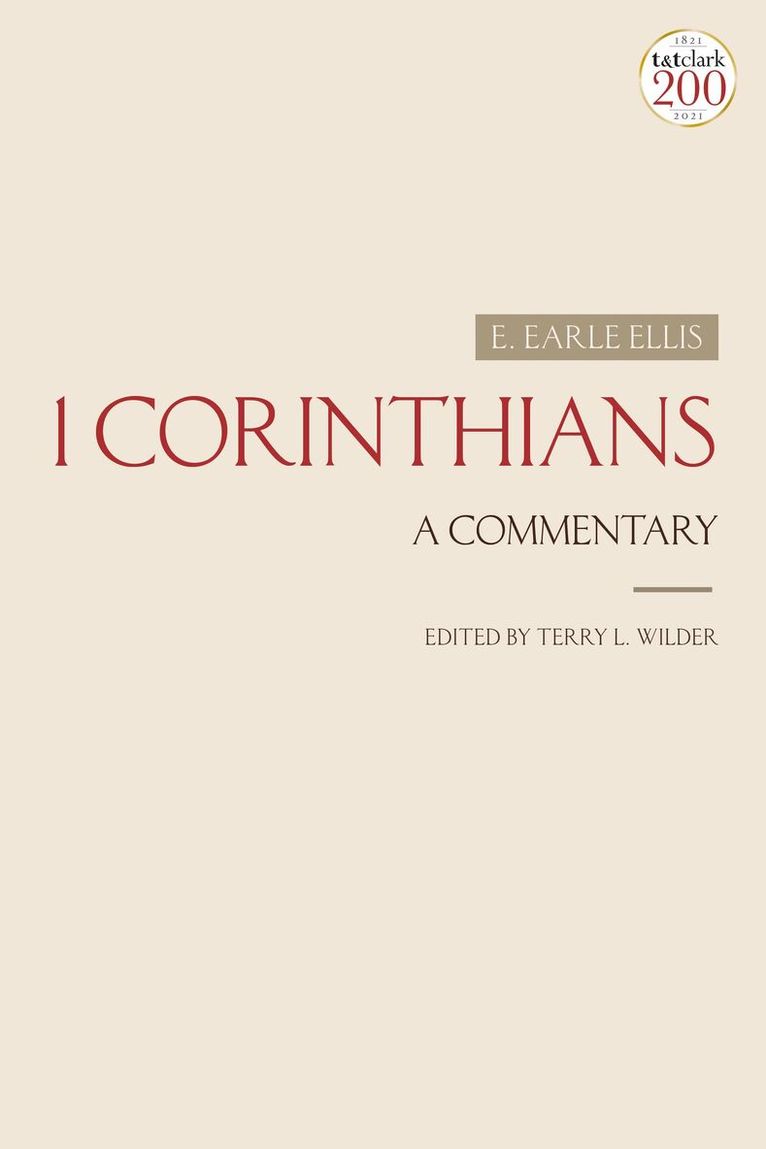
1 Corinthians
A Commentary
Av E. Earle Ellis, Terry L. Wilder
Inbunden, 2021
2127 kr
Lägg i varukorg
This volume presents, in published form, the detailed commentary work of E. Earle Ellis on Paul’s first letter to the Corinthians. At the time of his death Ellis had been working for many years on a volume for the International Critical Commentary on the epistle. Because Ellis was unable to …
1 Corinthians
A Commentary
Av E. Earle Ellis, Terry L. Wilder
E-bok, 2021
655 kr
Lägg i varukorg
This volume presents, in published form, the detailed commentary work of E. Earle Ellis on Paul''s first letter to the Corinthians. At the time of his death Ellis had been working for many years on a volume for the International Critical Commentary on the epistle. Because Ellis was unable to …
1 Corinthians
A Commentary
Av E. Earle Ellis, Terry L. Wilder
Häftad, 2023
601 kr
Lägg i varukorg
This volume presents, in published form, the detailed commentary work of E. Earle Ellis on Paul’s first letter to the Corinthians. At the time of his death Ellis had been working for many years on a volume for the International Critical Commentary on the epistle. Because Ellis was unable to …
Faithful to the End
An Introduction to Hebrews Through Revelation
Av Kendell H. Easley, J. Daryl Charles m. fl.
E-bok, 2007
499 kr
Lägg i varukorg
In classroom and scholarly study, the Gospels, Acts, and the Pauline letters receive far more attention than does the so-called “end” of the New Testament: Hebrews; James; 1 and 2 Peter; 1, 2, and 3 John; Jude; and Revelation. Faithful to the End: An Introduction to Hebrews Through Revelation …
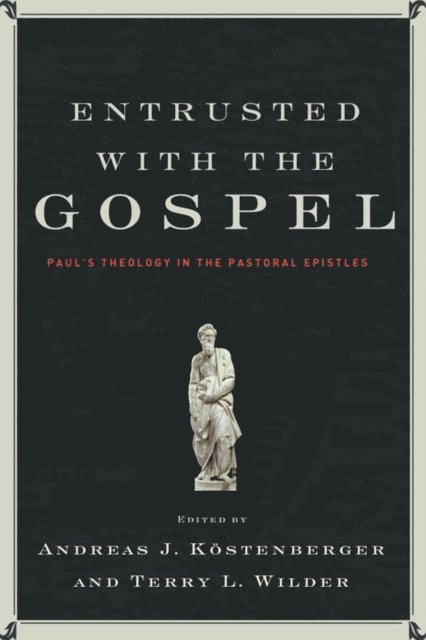
Entrusted with the Gospel
Av Terry L. Wilder, Andreas J. Kostenberger
E-bok, 2010
286 kr
Lägg i varukorg
After a lengthy period during which scholars paid relatively little attention to the Pastoral Epistles, a spate of studies has suddenly appeared in print. However, except for a small number of commentaries, critical scholars have by and large neglected evangelical scholarship on these letters. To …
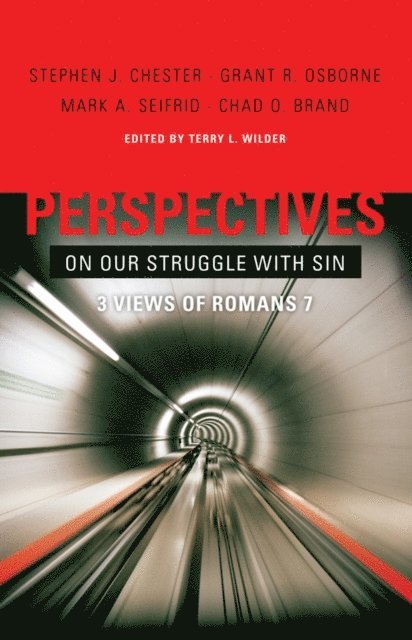
Perspectives on Our Struggle with Sin
Three Views of Romans 7
E-bok, 2011
357 kr
Lägg i varukorg
“For I do not understand what I am doing, because I do not practice what I want to do, but I do what I hate.” —Romans 7:15, HCSB Perspectives on Our Struggle with Sin presents in point-counterpoint form three differing views of a Christian’s relationship with the law, flesh, and spirit as …
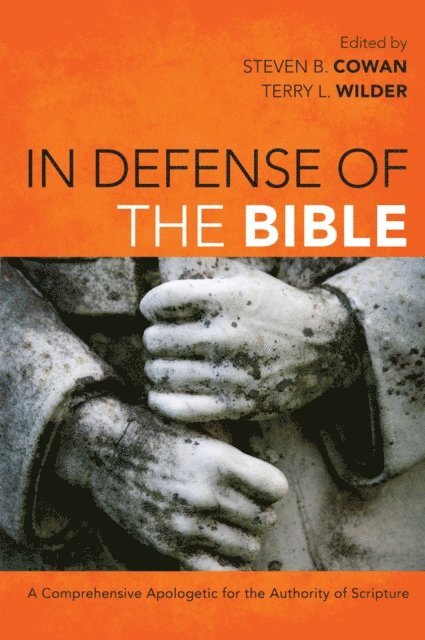
In Defense of the Bible
A Comprehensive Apologetic for the Authority of Scripture
Av Terry L. Wilder, Steven B. Cowan
E-bok, 2013
656 kr
Lägg i varukorg
In Defense of the Bible gathers exceptional articles by accomplished scholars (Paul Copan, William A. Dembski, Mary Jo Sharp, Darrell L. Bock, etc.), addressing and responding to all of the major contemporary challenges to the divine inspiration and authority of Scripture. The book begins by …
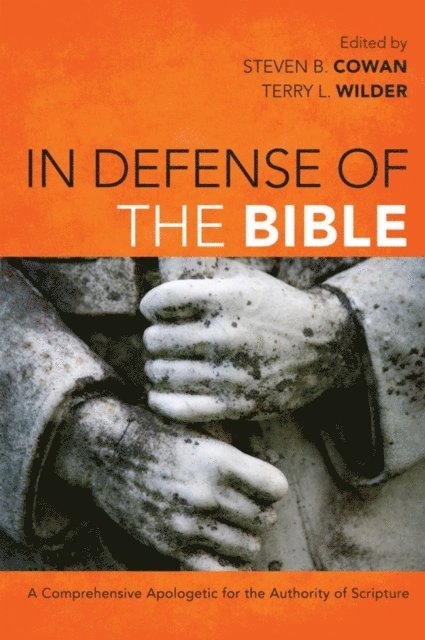
In Defense of the Bible
A Comprehensive Apologetic for the Authority of Scripture
Av Terry L. Wilder, Steven B. Cowan
E-bok, 2018
499 kr
Lägg i varukorg
In Defense of the Bible gathers exceptional articles by accomplished scholars (Paul Copan, William A. Dembski, Mary Jo Sharp, Darrell L. Bock, etc.), addressing and responding to all of the major contemporary challenges to the divine inspiration and authority of Scripture. The book begins by …