Terry Smyth – författare
Visar alla böcker från författaren Terry Smyth. Handla med fri frakt och snabb leverans.
6 produkter
6 produkter
E-bok
Engelska, 2017280 kr
Läs direkt efter köp
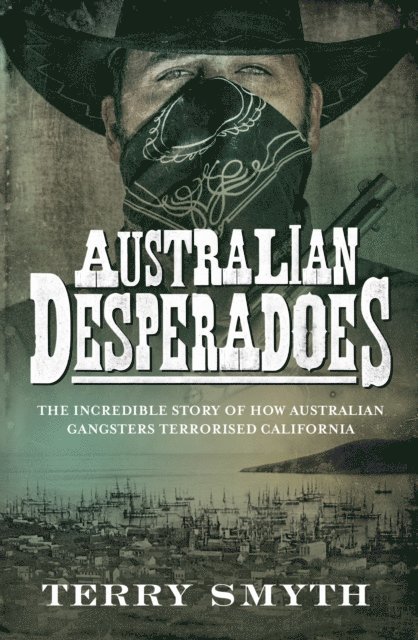
The Coves – San Francisco''s first organised-crime gang – were Australians: men and women with criminal careers in Australia who had come to the US, mostly illegally, during the gold rush. The Coves had come not to dig for gold but to unleash a crime wave the likes of which America had never seen. Robbery, murder, arson and extortion were the Coves'' stock-in-trade, and it was said that the leader of the gang, Jim Stewart, had killed more men than any man in California.The gang’s base, in the waterfront district, came to be known as Sydney Town. The area was a no-go zone for police – many of whom were in Stewart’s pocket anyway – so, just as Capone would one day rule Chicago, the Coves ruled San Francisco. And more than once, just to make sure there was no doubt that Frisco was their town, they burnt it down.The Coves were hated and feared by the respectable citizens of San Francisco – who derisively called them ''Sydney Ducks'' but never to their faces – and, realising that the forces of the law could not, or would not, take them on, decided lynch law was the only solution, and formed a vigilante group.The streets of San Francisco became a battlefield as the Coves and the vigilantes fought for control of the city, with gunfights and lynchings almost daily spectacles as the police stood idly by. Jim Stewart was arrested in Sacramento for killing a sheriff, but escaped to be involved in one the most celebrated cases of mistaken identity in the annals of American crime. When the smoke cleared, the Coves'' reign of terror was over. Some were strung up from storefronts in the street, some fell in a deadly gunfight with Jonathan R. Davis, one of the fastest guns in the west, others escaped capture and returned to Australia. The story of the Sydney Coves is little-known, fascinating and well worth telling.
E-bok
Engelska, 2018280 kr
Läs direkt efter köp
''A fascinating insight into French ambition and amity in Australia, bursting with joie de vivre'' – David Hunt, bestselling author of GirtIn the northern winter of 1814, a French armada set sail for New South Wales. The armada’s mission was the invasion of Sydney, and its inspiration and its fate were interwoven with one of history’s greatest love stories – that of Napoleon and Josephine.The Empress Josephine was fascinated by all things Australian. In the gardens of her grand estate, Malmaison, she kept kangaroos, emus, black swans and other Australian animals, along with hundreds of native plants brought back by French explorers in peacetime. And even when war raged between France and Britain, ships known to be carrying Australian flora and fauna for ‘Josephine’s Ark’ were given safe passage. Napoleon, too, had an abiding interest in Australia, but for quite different reasons. What Britain and its Australian colonies did not know was that French explorers visiting these shores, purporting to be naturalists on scientific expeditions, were in fact spies, gathering vital information on the colony’s defences. It was ripe for the picking.The conquest of Australia was on Bonaparte’s agenda for world domination, and detailed plans had been made for the invasion, and for how French Australia would be governed. How it all came together and how it fell apart is a remarkable tale – history with an element of the ‘What if?’ No less remarkable is how the tempestuous relationship between Napoleon and his empress affected the fate of the Great Southern Land.
Inbunden, Engelska, 2022
1 359 kr
Skickas inom 10-15 vardagar
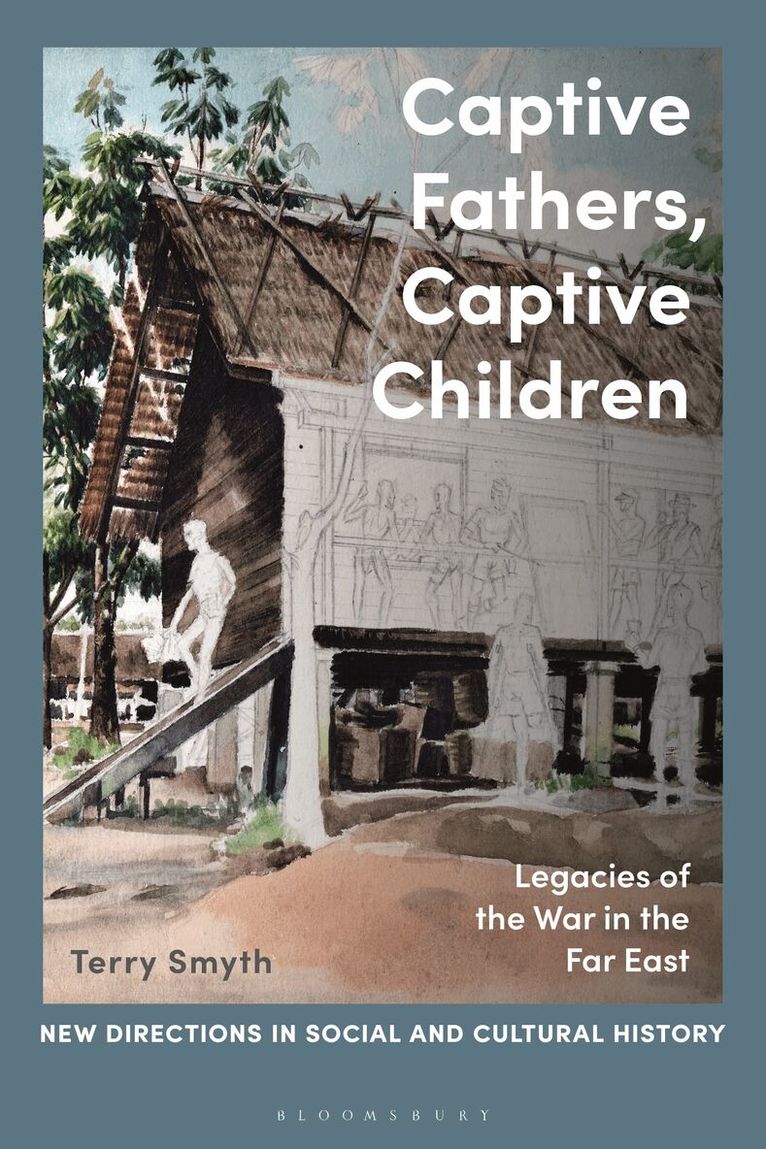
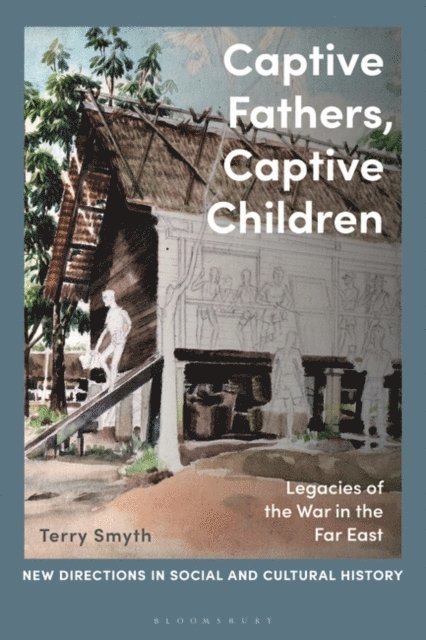
Why are the daughters and sons of Far East prisoners of war still captivated by the stories of their fathers? What is it that compels so many of the children, after so many years, to search for the details of their fathers' captivity? And how, over the decades, have they come to terms with their childhood memories? In his book Terry Smyth treads new ground by examining the processes through which the children's memory practices came to be rooted in the POW experiences of their fathers. By following a life course approach, and a psychosocial methodology, the book demonstrates how memory and trauma were 'worked into' the social and cultural lives of individual children, and explores how the relationship between their inner psychic worlds and subsequent memory practices unfolded against a challenging and morally ambivalent geopolitical background. The book invites readers to engage with the author in a journey of exploration and self-reflection, with elements of auto-ethnography adding richness to the text. Enlivened by interview extracts, case study material and ethnographic observations, this work opens up fresh and ambitious perspectives on the personal legacies of war.
E-bok
PDF, Engelska, 2022468 kr
Läs direkt efter köp
Why are the daughters and sons of Far East prisoners of war still captivated by the stories of their fathers? What is it that compels so many of the children, after so many years, to search for the details of their fathers'' captivity? And how, over the decades, have they come to terms with their childhood memories? In his book Terry Smyth treads new ground by examining the processes through which the children''s memory practices came to be rooted in the POW experiences of their fathers. By following a life course approach, and a psychosocial methodology, the book demonstrates how memory and trauma were ''worked into'' the social and cultural lives of individual children, and explores how the relationship between their inner psychic worlds and subsequent memory practices unfolded against a challenging and morally ambivalent geopolitical background. The book invites readers to engage with the author in a journey of exploration and self-reflection, with elements of auto-ethnography adding richness to the text. Enlivened by interview extracts, case study material and ethnographic observations, this work opens up fresh and ambitious perspectives on the personal legacies of war.
Häftad, Engelska, 2023
434 kr
Skickas inom 10-15 vardagar
Why are the daughters and sons of Far East prisoners of war still captivated by the stories of their fathers? What is it that compels so many of the children, after so many years, to search for the details of their fathers' captivity? And how, over the decades, have they come to terms with their childhood memories? In his book Terry Smyth treads new ground by examining the processes through which the children's memory practices came to be rooted in the POW experiences of their fathers. By following a life course approach, and a psychosocial methodology, the book demonstrates how memory and trauma were 'worked into' the social and cultural lives of individual children, and explores how the relationship between their inner psychic worlds and subsequent memory practices unfolded against a challenging and morally ambivalent geopolitical background. The book invites readers to engage with the author in a journey of exploration and self-reflection, with elements of auto-ethnography adding richness to the text. Enlivened by interview extracts, case study material and ethnographic observations, this work opens up fresh and ambitious perspectives on the personal legacies of war.
E-bok
Engelska, 2022468 kr
Läs direkt efter köp
Why are the daughters and sons of Far East prisoners of war still captivated by the stories of their fathers? What is it that compels so many of the children, after so many years, to search for the details of their fathers'' captivity? And how, over the decades, have they come to terms with their childhood memories? In his book Terry Smyth treads new ground by examining the processes through which the children''s memory practices came to be rooted in the POW experiences of their fathers. By following a life course approach, and a psychosocial methodology, the book demonstrates how memory and trauma were ''worked into'' the social and cultural lives of individual children, and explores how the relationship between their inner psychic worlds and subsequent memory practices unfolded against a challenging and morally ambivalent geopolitical background. The book invites readers to engage with the author in a journey of exploration and self-reflection, with elements of auto-ethnography adding richness to the text. Enlivened by interview extracts, case study material and ethnographic observations, this work opens up fresh and ambitious perspectives on the personal legacies of war.