The International Institute for Strategic (IISS) Studies – författare
1 866 kr
Läs direkt efter köp
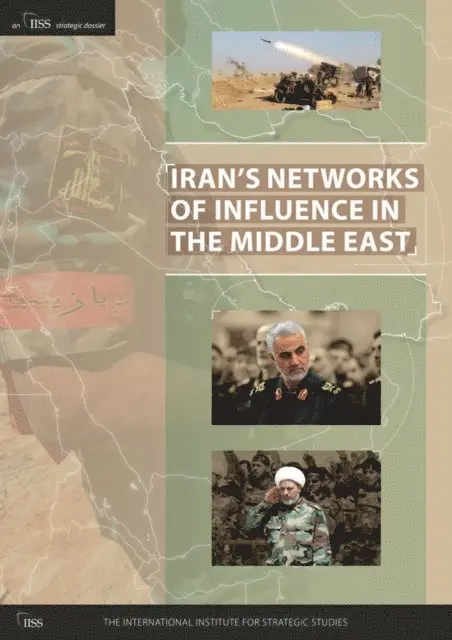
Tehran’s ability to fight by, with and through third parties in foreign jurisdictions has become a valuable and effective sovereign capability that gives Iran strategic advantage in the region. Tehran has possessed a form of this capability since the Islamic Revolution in 1979, but its potency and significance have risen sharply in the past decade, to the point where it has brought Iran more regional influence and status than either its nuclear or ballistic-missile programmes.
The IISS Strategic Dossier Iran’s Networks of Influence provides an understanding of how Iran builds, operates and uses this capability. Based on original field research, open-source information and interviews with a range of sources, the dossier conducts an audit of Iran’s activities in the principal regional theatres of Iraq, Lebanon, Syria and Yemen, and its reach into Bahrain, Saudi Arabia and Kuwait. It includes an examination of Tehran’s nurturing of groups such as the Houthis in Yemen, the Badr Organisation in Iraq, Hizbullah in Lebanon and Shia militias in Syria, and details related to recruitment, weapons supply, logistics and command-and-control systems.
Iran’s Networks of Influence is intended through objective, fact-based analysis to inform both policymakers and practitioners, and to stimulate debate on the wider significance of Iran’s use of third-party partners and the strategic depth they afford Tehran. The dossier also examines the advantages that Iran possesses through its recent experience of conflict, and its ability to mobilise and deploy sympathetic Shia communities across theatres. In a time of rising tension in the region, the dossier looks at how Iran might further develop the use of its partnership capability and the risks and constraints it might face.
1 866 kr
Läs direkt efter köp
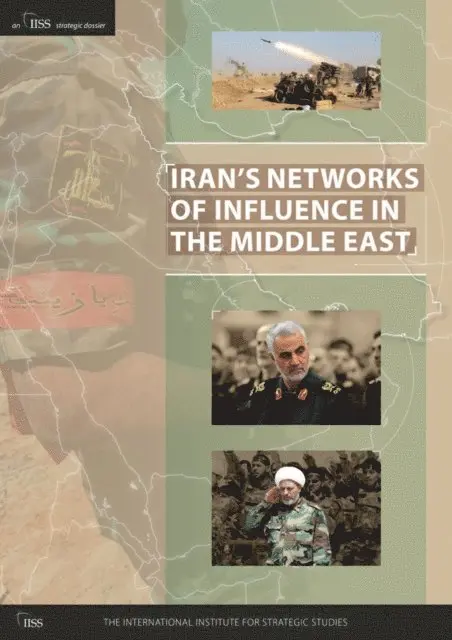
Tehran’s ability to fight by, with and through third parties in foreign jurisdictions has become a valuable and effective sovereign capability that gives Iran strategic advantage in the region. Tehran has possessed a form of this capability since the Islamic Revolution in 1979, but its potency and significance have risen sharply in the past decade, to the point where it has brought Iran more regional influence and status than either its nuclear or ballistic-missile programmes.
The IISS Strategic Dossier Iran’s Networks of Influence provides an understanding of how Iran builds, operates and uses this capability. Based on original field research, open-source information and interviews with a range of sources, the dossier conducts an audit of Iran’s activities in the principal regional theatres of Iraq, Lebanon, Syria and Yemen, and its reach into Bahrain, Saudi Arabia and Kuwait. It includes an examination of Tehran’s nurturing of groups such as the Houthis in Yemen, the Badr Organisation in Iraq, Hizbullah in Lebanon and Shia militias in Syria, and details related to recruitment, weapons supply, logistics and command-and-control systems.
Iran’s Networks of Influence is intended through objective, fact-based analysis to inform both policymakers and practitioners, and to stimulate debate on the wider significance of Iran’s use of third-party partners and the strategic depth they afford Tehran. The dossier also examines the advantages that Iran possesses through its recent experience of conflict, and its ability to mobilise and deploy sympathetic Shia communities across theatres. In a time of rising tension in the region, the dossier looks at how Iran might further develop the use of its partnership capability and the risks and constraints it might face.
1 704 kr
Läs direkt efter köp
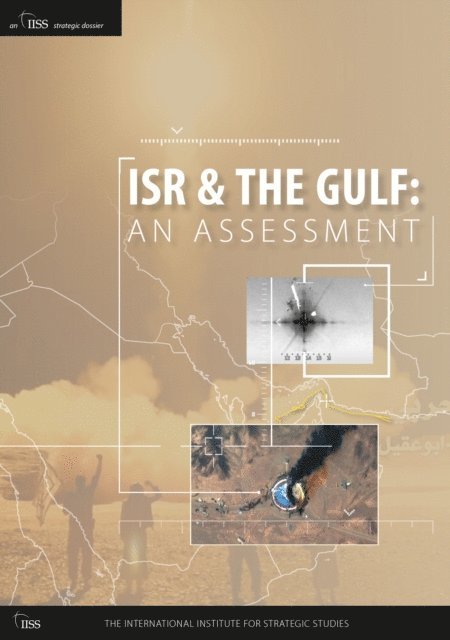
Intelligence, surveillance and reconnaissance (ISR) is today a core capability for the modern military, in peacetime and in war. ISR is and will remain a key enabler in the Gulf region in ongoing conflicts. There is still a reliance on the United States, and its ISR systems deployed in the Gulf, to facilitate ongoing operations and to provide situational awareness at the tactical, operational and strategic levels. However, even US ISR is finite, and there is growing demand for its resources in other regions. The Gulf Cooperation Council states have some ISR capacity, but this needs further development and improved exploitation to better address regional needs.
Written by a team of IISS specialists, ISR & the Gulf: An Assessment considers the meaning of and requirement for intelligence, surveillance and reconnaissance in the context of the region. It examines the military needs and industrial aspirations of the Gulf Arab states regarding ISR, and the opportunities and risks these present. The report is a companion work to the Institute’s Missile-Defence Cooperation in the Gulf, and is similarly intended to help provide the basis for informed decision-making to support improved security in the region.
1 704 kr
Läs direkt efter köp
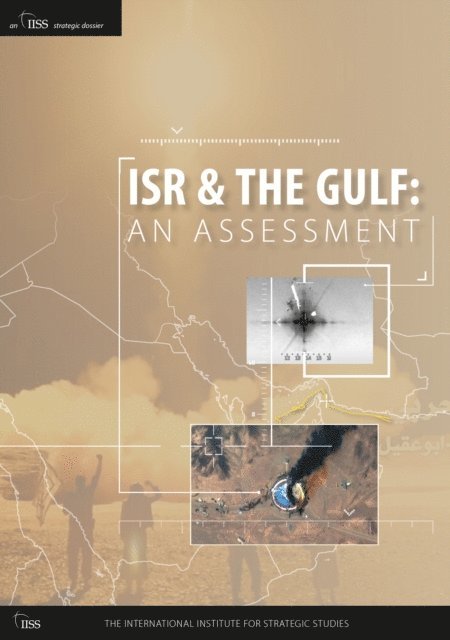
Intelligence, surveillance and reconnaissance (ISR) is today a core capability for the modern military, in peacetime and in war. ISR is and will remain a key enabler in the Gulf region in ongoing conflicts. There is still a reliance on the United States, and its ISR systems deployed in the Gulf, to facilitate ongoing operations and to provide situational awareness at the tactical, operational and strategic levels. However, even US ISR is finite, and there is growing demand for its resources in other regions. The Gulf Cooperation Council states have some ISR capacity, but this needs further development and improved exploitation to better address regional needs.
Written by a team of IISS specialists, ISR & the Gulf: An Assessment considers the meaning of and requirement for intelligence, surveillance and reconnaissance in the context of the region. It examines the military needs and industrial aspirations of the Gulf Arab states regarding ISR, and the opportunities and risks these present. The report is a companion work to the Institute’s Missile-Defence Cooperation in the Gulf, and is similarly intended to help provide the basis for informed decision-making to support improved security in the region.
6 488 kr
Läs direkt efter köp
6 724 kr
Läs direkt efter köp
1 765 kr
Läs direkt efter köp
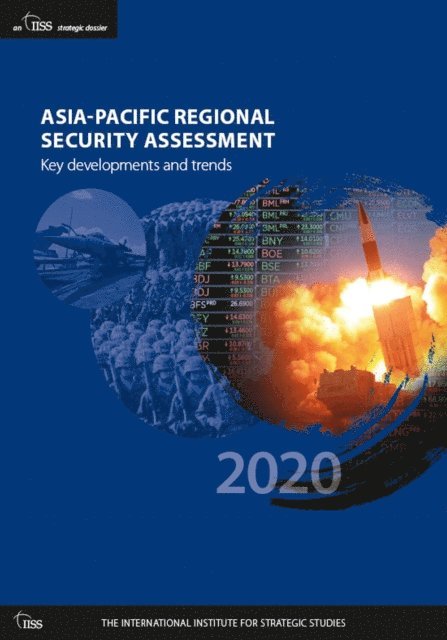
The Asia-Pacific Regional Security Assessment provides insight into key regional strategic, geopolitical, economic, military and security topics.
Among the topics explored are:
the deteriorating USChina relationship and great-power competition;
US alliances and security partnerships;
the collapse of the Intermediate-range Nuclear Forces Treaty;
diplomatic gridlock on the Korean Peninsula;
Japan’s role in Indo-Pacific security;
the breakdown in Japan–South Korea relations;
Indonesian policy towards the South China Sea;
Australia’s defence and security outlook;
the European security role in Asia.
Authors include leading regional analysts and academics Douglas Barrie, William Choong, Aaron Connelly, Andrew Davies, Michael Elleman, Bonnie S. Glaser, Euan Graham, Christopher W. Hughes, Meia Nouwens, Brendan Taylor and William Tow.
1 704 kr
Läs direkt efter köp
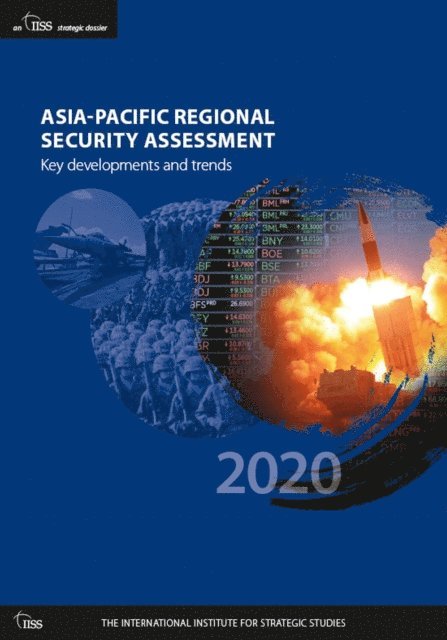
The Asia-Pacific Regional Security Assessment provides insight into key regional strategic, geopolitical, economic, military and security topics.
Among the topics explored are:
the deteriorating USChina relationship and great-power competition;
US alliances and security partnerships;
the collapse of the Intermediate-range Nuclear Forces Treaty;
diplomatic gridlock on the Korean Peninsula;
Japan’s role in Indo-Pacific security;
the breakdown in Japan–South Korea relations;
Indonesian policy towards the South China Sea;
Australia’s defence and security outlook;
the European security role in Asia.
Authors include leading regional analysts and academics Douglas Barrie, William Choong, Aaron Connelly, Andrew Davies, Michael Elleman, Bonnie S. Glaser, Euan Graham, Christopher W. Hughes, Meia Nouwens, Brendan Taylor and William Tow.
1 704 kr
Läs direkt efter köp
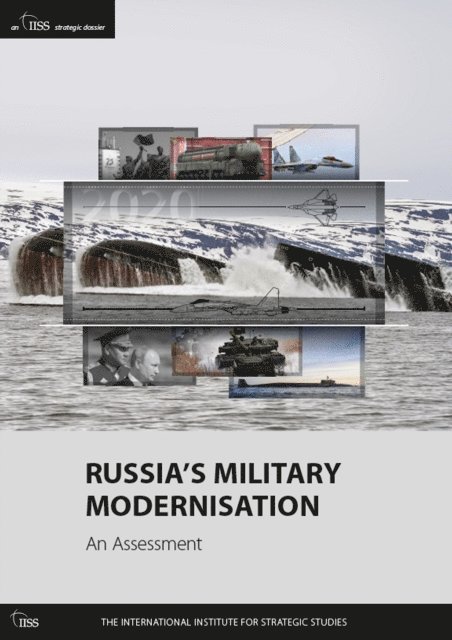
This new IISS Strategic Dossier examines the recent development of Moscow’s armed forces and military capabilities. It analyses the aspirations underpinning Russia’s military reform programme and its successes as well as its failures. The book also provides insights into Russia’s operational use of its armed forces, including in the intervention in Syria, the goals and results of recent state armament programmes, and the trajectory of future developments. This full-colour volume includes more than 50 graphics, maps and charts and over 70 images, and contains chapters on:
Russia''s armed forces since the end of the Cold War Strategic forces Ground forces Naval forces Aerospace forces Russia’s approach to military decision-making and joint operations Economics and industryAt a time when Russia’s relations with many of its neighbours are increasingly strained, and amid renewed concern about the risk of an armed clash, this dossier is essential reading for understanding the state,capabilities and future of Russia’s armed forces.
1 704 kr
Läs direkt efter köp
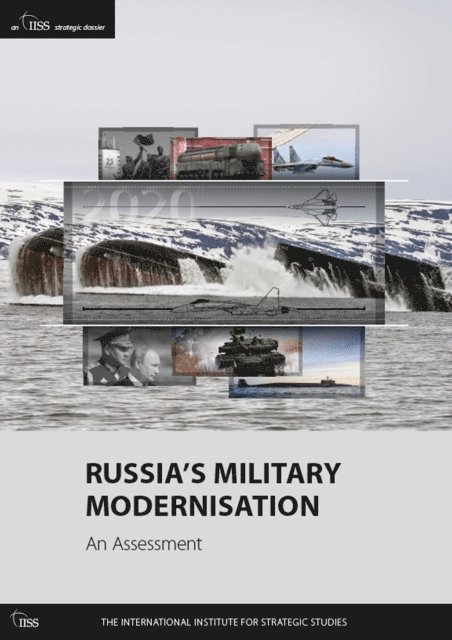
This new IISS Strategic Dossier examines the recent development of Moscow’s armed forces and military capabilities. It analyses the aspirations underpinning Russia’s military reform programme and its successes as well as its failures. The book also provides insights into Russia’s operational use of its armed forces, including in the intervention in Syria, the goals and results of recent state armament programmes, and the trajectory of future developments. This full-colour volume includes more than 50 graphics, maps and charts and over 70 images, and contains chapters on:
Russia''s armed forces since the end of the Cold War Strategic forces Ground forces Naval forces Aerospace forces Russia’s approach to military decision-making and joint operations Economics and industryAt a time when Russia’s relations with many of its neighbours are increasingly strained, and amid renewed concern about the risk of an armed clash, this dossier is essential reading for understanding the state,capabilities and future of Russia’s armed forces.
4 455 kr
Läs direkt efter köp
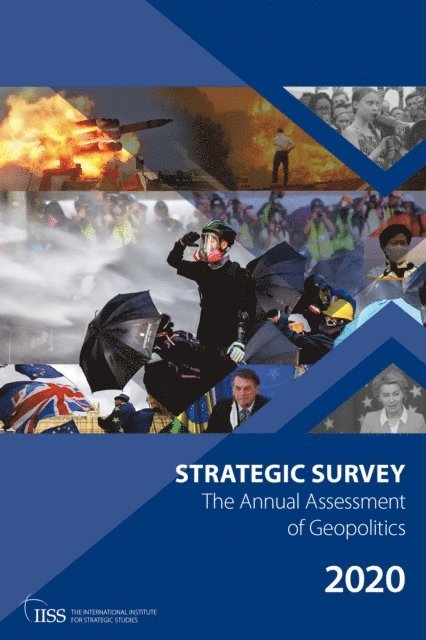
Strategic Survey 2020 The Annual Assessment of Geopolitics
The worst pandemic in a century tested governments, strained societies and frayedinternational ties during the year to mid-2020. But there was much more to this periodthan COVID-19. Climate change – another severe global challenge – grew more critical. USPresident Donald Trump was impeached, the United Kingdom left the European Union, andIranian Quds Force commander Qasem Soleimani was killed.
Strategic Survey 2020 provides a comprehensive overview of major developments in everyregion of the world, and in-depth analysis of key geopolitical and geo-economic issues:
War The US–Taliban agreement to end the United States’ longest war; the persistence ofother complex armed con□flicts.
Power China’s growing in□fluence, especially in Europe and the South Paci□fic; Turkey’s forceprojection in the Middle East and beyond; the EU’s quest for strategic autonomy; thenew geopolitics of the Red Sea; the implications of Ethiopia’s giant dam for relationsbetween Nile states; the increasing use of economic sanctions as a tool of statecraft.
Rules The decline of multilateralism; prospects for arms control; key gaps in internationallaw; Central Asia’s connectivity; changes in the status of Jammu and Kashmir; duallegitimacy in Venezuela.
Strategic Survey 2020 also assesses a diverse range of political leaders:
Progress of three ambitious reforming presidents: Cyril Ramaphosa of South Africa,Volodymyr Zelensky of Ukraine and Andrés Manuel López Obrador of Mexico. Foreign-policy legacies of two veteran leaders: Angela Merkel and Abe Shinzo. Trump’s challenges to both the transatlantic relationship and China. Evolution of and prospects for Vladimir Putin’s presidency.Strategic Survey 2020 is the indispensable guide to the events, actors and forces that de□ nedan exceptionally complex year. It highlights the geopolitical issues that will shape theinternational agenda in 2021.
4 455 kr
Läs direkt efter köp
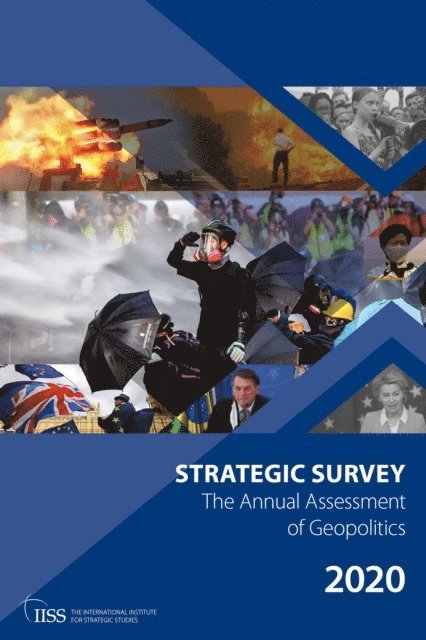
Strategic Survey 2020 The Annual Assessment of Geopolitics
The worst pandemic in a century tested governments, strained societies and frayedinternational ties during the year to mid-2020. But there was much more to this periodthan COVID-19. Climate change – another severe global challenge – grew more critical. USPresident Donald Trump was impeached, the United Kingdom left the European Union, andIranian Quds Force commander Qasem Soleimani was killed.
Strategic Survey 2020 provides a comprehensive overview of major developments in everyregion of the world, and in-depth analysis of key geopolitical and geo-economic issues:
War The US–Taliban agreement to end the United States’ longest war; the persistence ofother complex armed con□flicts.
Power China’s growing in□fluence, especially in Europe and the South Paci□fic; Turkey’s forceprojection in the Middle East and beyond; the EU’s quest for strategic autonomy; thenew geopolitics of the Red Sea; the implications of Ethiopia’s giant dam for relationsbetween Nile states; the increasing use of economic sanctions as a tool of statecraft.
Rules The decline of multilateralism; prospects for arms control; key gaps in internationallaw; Central Asia’s connectivity; changes in the status of Jammu and Kashmir; duallegitimacy in Venezuela.
Strategic Survey 2020 also assesses a diverse range of political leaders:
Progress of three ambitious reforming presidents: Cyril Ramaphosa of South Africa,Volodymyr Zelensky of Ukraine and Andrés Manuel López Obrador of Mexico. Foreign-policy legacies of two veteran leaders: Angela Merkel and Abe Shinzo. Trump’s challenges to both the transatlantic relationship and China. Evolution of and prospects for Vladimir Putin’s presidency.Strategic Survey 2020 is the indispensable guide to the events, actors and forces that de□ nedan exceptionally complex year. It highlights the geopolitical issues that will shape theinternational agenda in 2021.
9 408 kr
Läs direkt efter köp
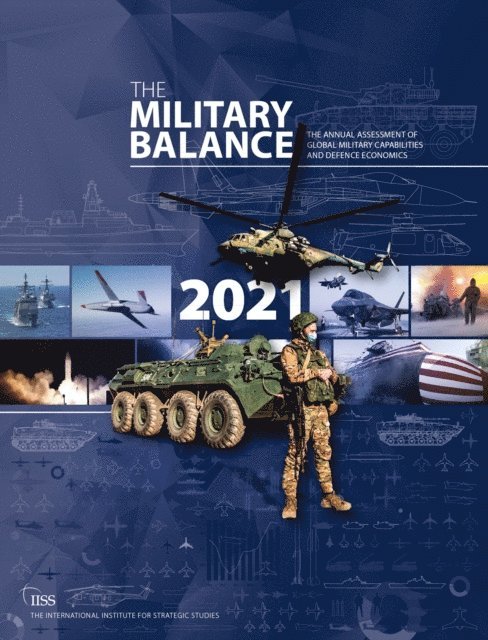
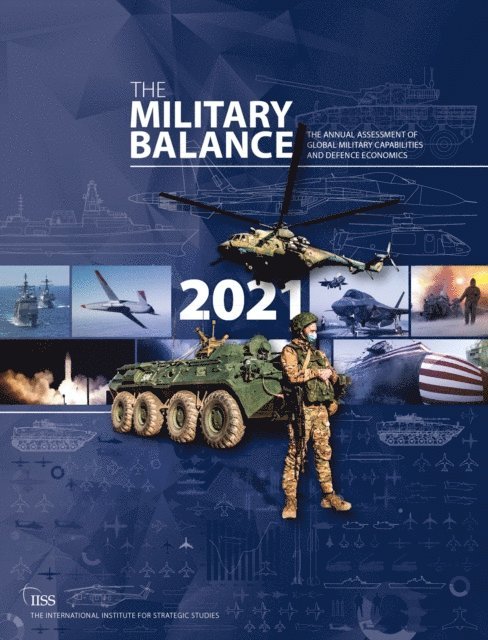
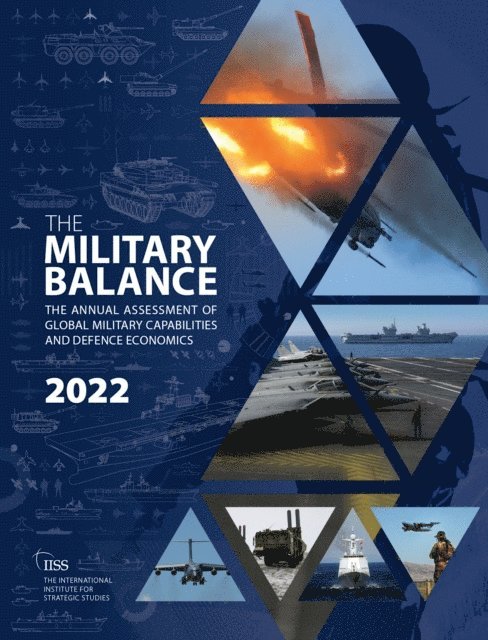
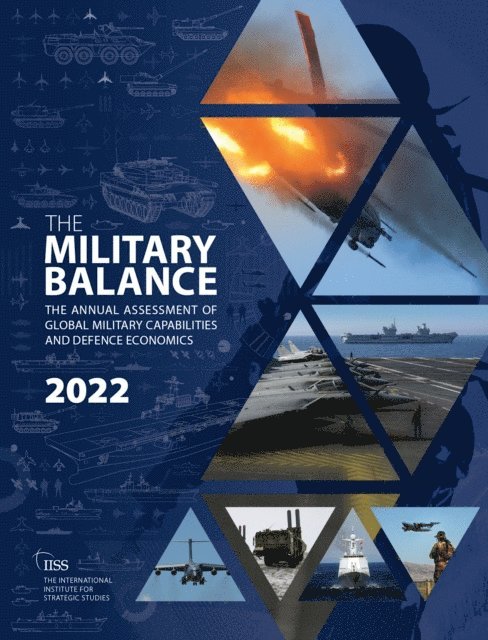
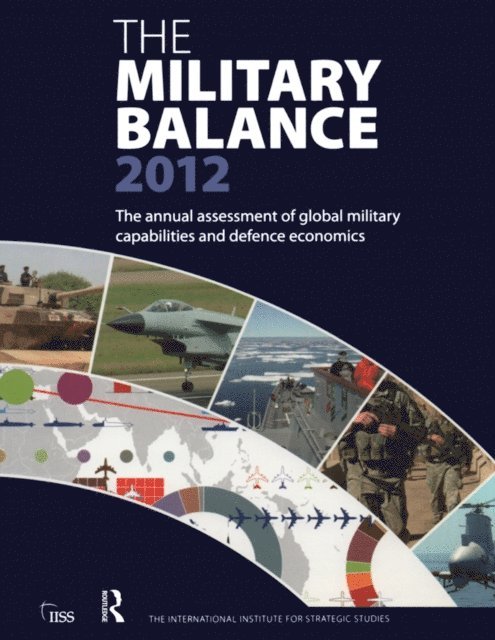
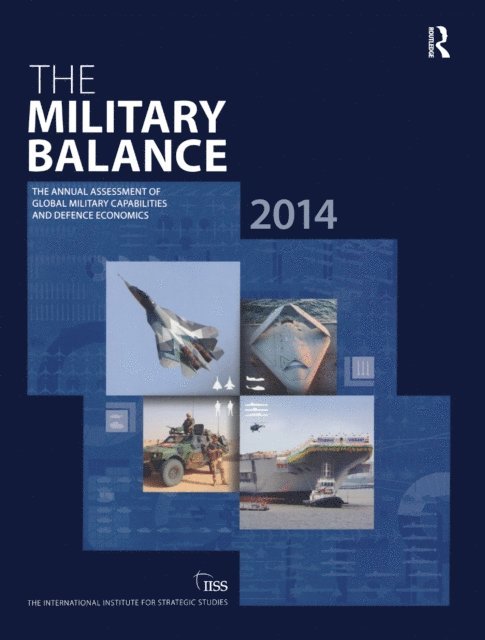
Published each year since 1959, The Military Balance is an indispensable reference to the capabilities of armed forces across the globe. It will be of interest to anyone interested in security and military issues and is regularly consulted by academia, media, armed forces, the private sector and government.
Key Elements:
1. Data on the military organisations, equipment inventories and defence budgets of 171 countries
2. Analysis of major developments affecting defence policy and procurement, and defence economics, arranged region-by-region.
3. Key trends in the land, sea and air domains, and in cyberspace
4. Selected defence procurement programmes, arranged region-by-region
5. Full-colour graphics including maps and illustrations
6. Extensive explanatory notes and references
7. The hardcopy edition is accompanied by a full-colour wall chart
Features in the 2021 edition include:
- Analytical texts on future maritime competition, battle management systems, China’s civil-military integration and fractures in the arms-control environment
- Military cyber capabilities
- Analysis of developments in defence policy, military capability and defence economics and industry for China, Egypt, Finland, Indonesia, Russia, Senegal and the United States.
- A wallchart illustrating global submarine holdings and key trends in subsurface warfare
9 408 kr
Läs direkt efter köp
Published each year since 1959, The Military Balance is an indispensable reference to the capabilities of armed forces across the globe. It will be of interest to anyone interested in security and military issues and is regularly consulted by academia, media, armed forces, the private sector and government.
Key Elements:
1. Data on the military organisations, equipment inventories and defence budgets of 171 countries
2. Analysis of major developments affecting defence policy and procurement, and defence economics, arranged region-by-region.
3. Key trends in the land, sea and air domains, and in cyberspace
4. Selected defence procurement programmes, arranged region-by-region
5. Full-colour graphics including maps and illustrations
6. Extensive explanatory notes and references
7. The hardcopy edition is accompanied by a full-colour wall chart
Features in the 2021 edition include:
- Analytical texts on future maritime competition, battle management systems, China’s civil-military integration and fractures in the arms-control environment
- Military cyber capabilities
- Analysis of developments in defence policy, military capability and defence economics and industry for China, Egypt, Finland, Indonesia, Russia, Senegal and the United States.
- A wallchart illustrating global submarine holdings and key trends in subsurface warfare
1 704 kr
Läs direkt efter köp
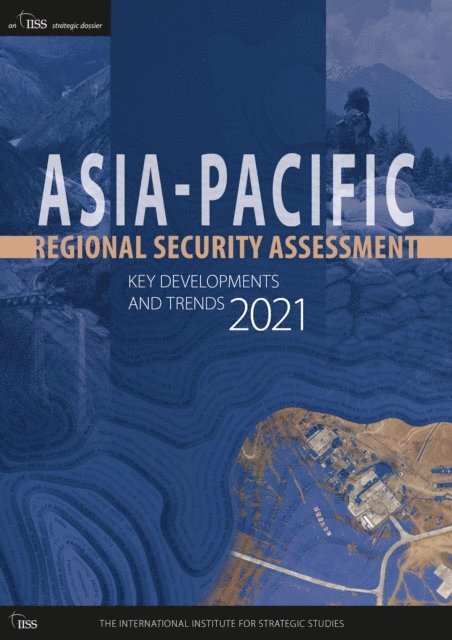
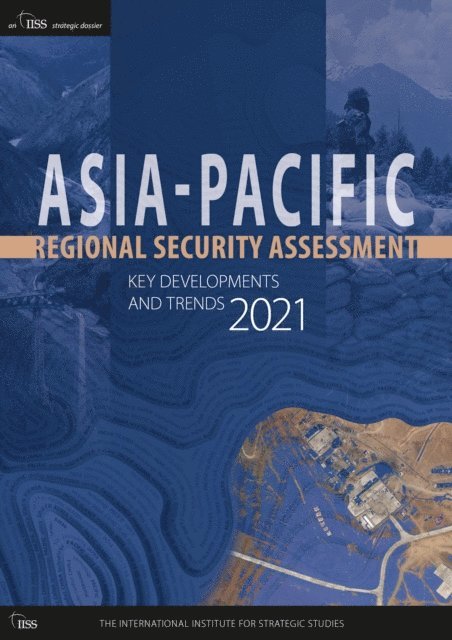
The Asia-Pacific Regional Security Assessment 2021 provides insight into key regional strategic, geopolitical, economic, military and security topics.
Among the topics explored are:
US−China decoupling and its regional security implications;
Japan’s security policy and China;
India’s emerging grand strategy;
Southeast Asia amid rising great-power rivalry;
Australia’s new regional security posture;
NATO’s evolving approach to China;
The United Kingdom’s ‘tilt’ to the Indo-Pacific; and
Emerging technologies and future conflict in the Asia-Pacific.
Authors include leading regional analysts and academics Kanti Bajpai, Gordon Flake, Franz-Stefan Gady, Prashanth Parameswaran, Alessio Patalano, Samir Puri, Sarah Raine, Tan See Seng, Drew Thompson, Ashley Townshend, Joanne Wallis and Robert Ward.
1 765 kr
Läs direkt efter köp
The Asia-Pacific Regional Security Assessment 2021 provides insight into key regional strategic, geopolitical, economic, military and security topics.
Among the topics explored are:
US−China decoupling and its regional security implications;
Japan’s security policy and China;
India’s emerging grand strategy;
Southeast Asia amid rising great-power rivalry;
Australia’s new regional security posture;
NATO’s evolving approach to China;
The United Kingdom’s ‘tilt’ to the Indo-Pacific; and
Emerging technologies and future conflict in the Asia-Pacific.
Authors include leading regional analysts and academics Kanti Bajpai, Gordon Flake, Franz-Stefan Gady, Prashanth Parameswaran, Alessio Patalano, Samir Puri, Sarah Raine, Tan See Seng, Drew Thompson, Ashley Townshend, Joanne Wallis and Robert Ward.
7 060 kr
Läs direkt efter köp
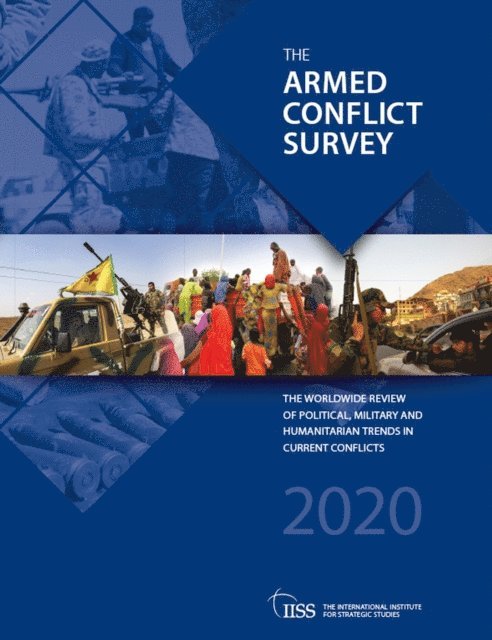
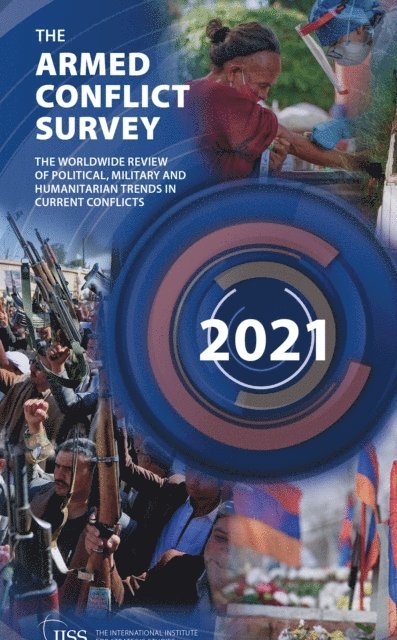
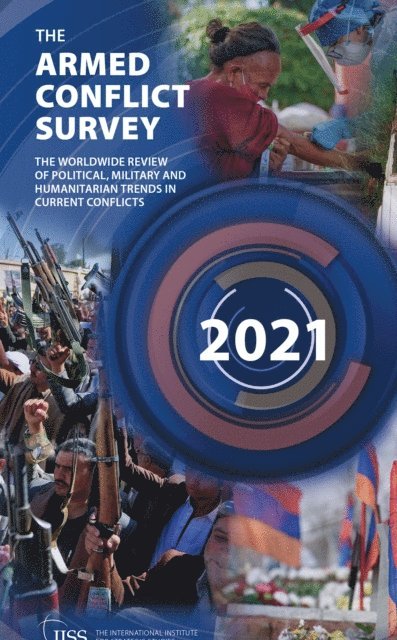
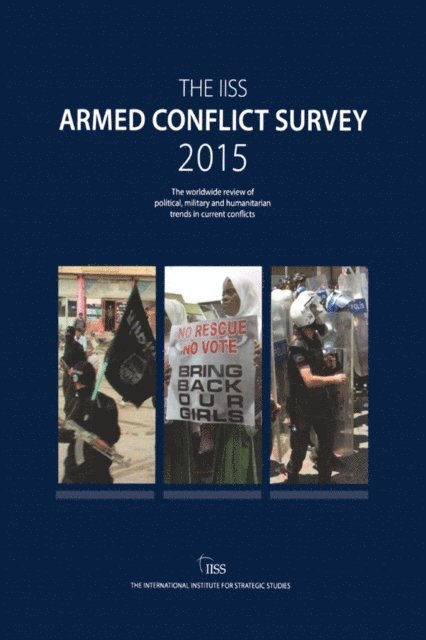
The Armed Conflict Survey is the annual review of the political, military and humanitarian dimensions of all active conflicts from the International Institute for Strategic Studies. It offers in-depth analysis of the drivers, dynamics and outlook of 34 current armed conflicts along with detailed information on conflict parties and more than 60 full-colour maps and infographics. The Armed Conflict Survey is an essential resource for those involved in security, foreign and humanitarian policymaking, and an indispensable handbook for anyone conducting serious analysis of armed conflict.
Key features
· Essays on global trends in armed conflict, with a focus on the changing nature of third-party intervention, the long aftermath of armed conflicts, and economic migration and forced displacement in a COVID-19 world.
· Overviews of key events and political and military developments from January 2020–February 2021 for each conflict.
· Strategic analysis of national and regional drivers and conflict outlooks.
· Regional analyses with unique insights into the geopolitical and geo-economic threads linking conflicts across regions and globally.
· Expanded information on conflict parties.
· The Armed Conflict Global Relevance Indicator (ACGRI), an IISS proprietary indicator that combines measures of incidence and human impact with geopolitical impact to assess the global salience of armed conflicts.
· Analysis of the humanitarian, social and economic impact of conflicts.
· Conflict-specific trends, strategic implications and prospects for peace.
· More than 60 full-colour maps, tables and infographics highlighting key conflict developments and data.
· Key statistics on violent events, fatalities, military power, geopolitical salience, refugees and internally displaced persons.
· The 2021 Chart of Armed Conflict, presenting information on conflict start dates, typologies and relevant refugee flows, as well as providing a visual overview of each conflict’s geopolitical relevance, looking at 2020 UN Security Council resolutions, multilateral missions and the involvement of third-party countries.
6 813 kr
Läs direkt efter köp
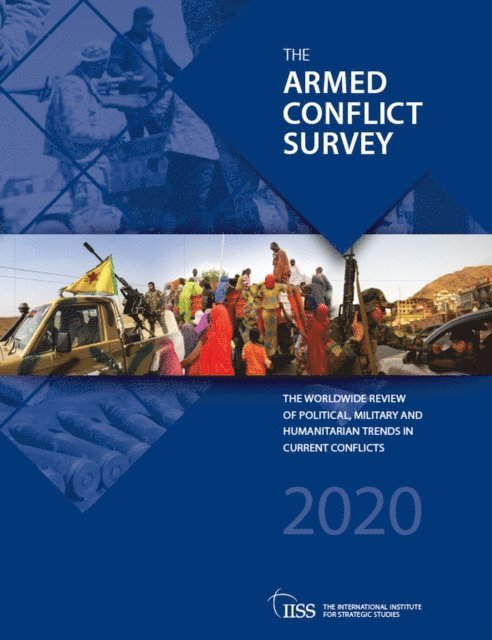
The Armed Conflict Survey is the annual review of the political, military and humanitarian dimensions of all active conflicts from the International Institute for Strategic Studies. It offers in-depth analysis of the drivers, dynamics and outlook of 34 current armed conflicts along with detailed information on conflict parties and more than 60 full-colour maps and infographics. The Armed Conflict Survey is an essential resource for those involved in security, foreign and humanitarian policymaking, and an indispensable handbook for anyone conducting serious analysis of armed conflict.
Key features
· Essays on global trends in armed conflict, with a focus on the changing nature of third-party intervention, the long aftermath of armed conflicts, and economic migration and forced displacement in a COVID-19 world.
· Overviews of key events and political and military developments from January 2020–February 2021 for each conflict.
· Strategic analysis of national and regional drivers and conflict outlooks.
· Regional analyses with unique insights into the geopolitical and geo-economic threads linking conflicts across regions and globally.
· Expanded information on conflict parties.
· The Armed Conflict Global Relevance Indicator (ACGRI), an IISS proprietary indicator that combines measures of incidence and human impact with geopolitical impact to assess the global salience of armed conflicts.
· Analysis of the humanitarian, social and economic impact of conflicts.
· Conflict-specific trends, strategic implications and prospects for peace.
· More than 60 full-colour maps, tables and infographics highlighting key conflict developments and data.
· Key statistics on violent events, fatalities, military power, geopolitical salience, refugees and internally displaced persons.
· The 2021 Chart of Armed Conflict, presenting information on conflict start dates, typologies and relevant refugee flows, as well as providing a visual overview of each conflict’s geopolitical relevance, looking at 2020 UN Security Council resolutions, multilateral missions and the involvement of third-party countries.
4 299 kr
Läs direkt efter köp
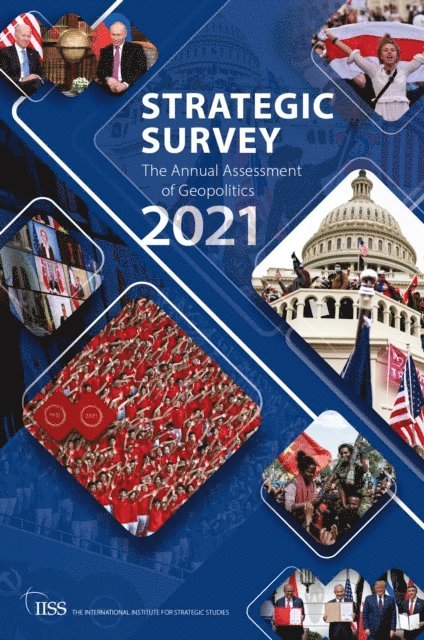
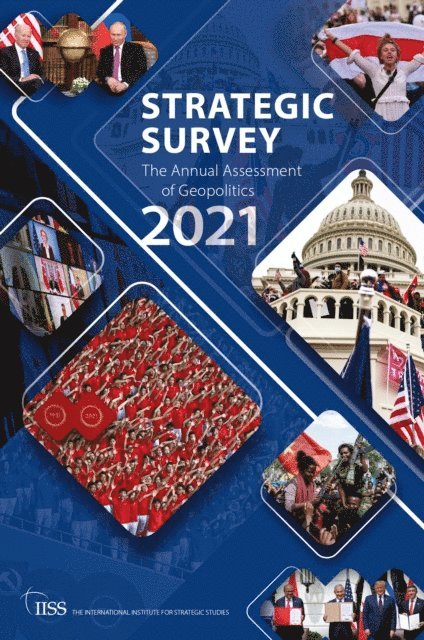
Strategic Survey 2021: The Annual Assessment of Geopolitics provides objective, in-depth analysis by leading experts of the events, actors and forces driving international relations. It is the indispensable guide for policymakers, business leaders, analysts and academics who need to understand the geopolitical and geo-economic trends shaping the global agenda in 2022 and beyond.
Key features
· Comprehensive annual review of world affairs from the International Institute for Strategic Studies, the leading international research institute that provides objective analysis of military, geopolitical and geo-economic developments that could lead to conflict.
· Covers developments in all regions as well as emerging issues and trends not yet on most radars, and analyses the major themes and forces shaping each continent.
· Essays on a comprehensive range of global issues including vaccine diplomacy, digital conflict, Europe’s emerging Asia-Pacific strategies, the rise of carbon neutrality, the prospects for Iran’s nuclear programme, and the future of political Islam.
· Drivers of Strategic Change for major states: Verified, comparable data on state power that provides a rich and vivid guide to forces underlying geopolitical change.
· Data-rich graphics and maps that provide fresh insights into geopolitical change, and a timeline of the key events of 2020–21.
4 299 kr
Läs direkt efter köp
Strategic Survey 2021: The Annual Assessment of Geopolitics provides objective, in-depth analysis by leading experts of the events, actors and forces driving international relations. It is the indispensable guide for policymakers, business leaders, analysts and academics who need to understand the geopolitical and geo-economic trends shaping the global agenda in 2022 and beyond.
Key features
· Comprehensive annual review of world affairs from the International Institute for Strategic Studies, the leading international research institute that provides objective analysis of military, geopolitical and geo-economic developments that could lead to conflict.
· Covers developments in all regions as well as emerging issues and trends not yet on most radars, and analyses the major themes and forces shaping each continent.
· Essays on a comprehensive range of global issues including vaccine diplomacy, digital conflict, Europe’s emerging Asia-Pacific strategies, the rise of carbon neutrality, the prospects for Iran’s nuclear programme, and the future of political Islam.
· Drivers of Strategic Change for major states: Verified, comparable data on state power that provides a rich and vivid guide to forces underlying geopolitical change.
· Data-rich graphics and maps that provide fresh insights into geopolitical change, and a timeline of the key events of 2020–21.
9 813 kr
Läs direkt efter köp
9 813 kr
Läs direkt efter köp
6 775 kr
Läs direkt efter köp
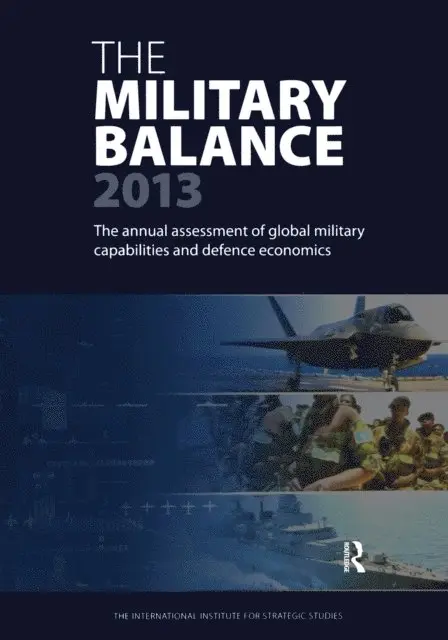
The Military Balance 2013 is the annual assessment of the military capabilities and defence economics of 171 countries world-wide. New features of the 2013 edition include; reorganised and expanded analytical essays. New sections on trends in contemporary armed conflicts in Afghanistan and Syria, as well as trends in defence capability areas, with a focus on equipment, technological or doctrinal developments. There is also an essay on trends in defence economics and procurement, one on European defence industries, and another on anti-access/area denial, detailed analysis of regional and national defence policy and economic issues for selected states, updated graphics feature on comparative defence statistics, with focus on defence economics, and major land, sea and, air capability concerns, tables, graphics and analysis of defence economics issues, additional national capability summaries, additional data on, land forces: combat support and combat service support, new graphics and maps on defence capability issues and additional data on cyber capabilities.
4 237 kr
Läs direkt efter köp
4 623 kr
Läs direkt efter köp
5 110 kr
Läs direkt efter köp
6 775 kr
Läs direkt efter köp
The Military Balance 2013 is the annual assessment of the military capabilities and defence economics of 171 countries world-wide. New features of the 2013 edition include; reorganised and expanded analytical essays. New sections on trends in contemporary armed conflicts in Afghanistan and Syria, as well as trends in defence capability areas, with a focus on equipment, technological or doctrinal developments. There is also an essay on trends in defence economics and procurement, one on European defence industries, and another on anti-access/area denial, detailed analysis of regional and national defence policy and economic issues for selected states, updated graphics feature on comparative defence statistics, with focus on defence economics, and major land, sea and, air capability concerns, tables, graphics and analysis of defence economics issues, additional national capability summaries, additional data on, land forces: combat support and combat service support, new graphics and maps on defence capability issues and additional data on cyber capabilities.
4 237 kr
Läs direkt efter köp
4 791 kr
Läs direkt efter köp
5 110 kr
Läs direkt efter köp