Therese Zink – författare
276 kr
Skickas inom 3-6 vardagar
99 kr
Läs direkt efter köp
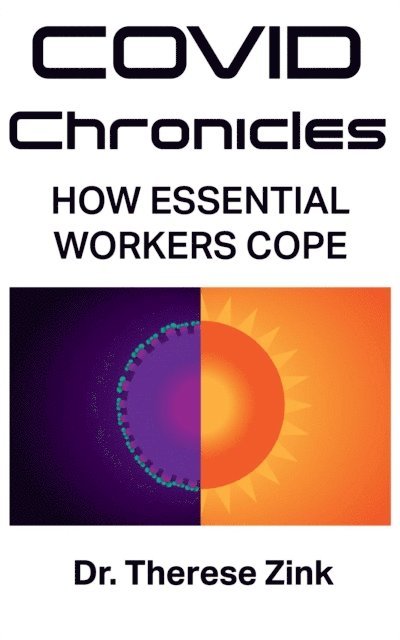
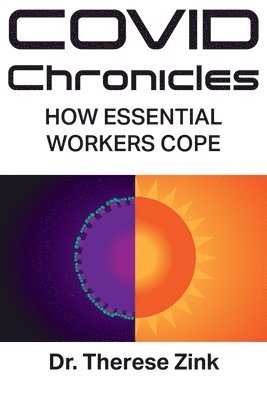
In this book of essays hear the voices of the essential workers who kept the US moving forward during Year 1 of the COVID-19 pandemic.
Laugh, cry, and be inspired by the challenge, misery, and insanity faced by black, brown and white physicians, caregivers, nurses, and retail workers across the US. While the world was brought to its knees, they fulfilled their work obligations in hospitals, clinics, schools, group homes and stores, as well as balanced the needs of family and self. They got up each morning to face frustrated clients, patients, and families; inept managers who ignored science; and others who disrespected the careers they had committed their lives to, even considered them dispensable. At the core, these stories are about resiliency-the human spirit''s ability to negotiate dark times-essential workers staying safe and surviving, even thriving.
Zink started her medical career with AIDS and now faced COVID. She struggled with a foot in two worlds: family doctor and daughter/sister. She cared for her patients and advocated for COVID positive family members living in a long-term care facility a 1000 miles away.
A must read for anyone burdened and disheartened during the COVID pandemic. Zink and those she interviewed show us pathways to hope.
167 kr
Skickas inom 3-6 vardagar
355 kr
Skickas inom 3-6 vardagar
399 kr
Läs direkt efter köp
“These authors courageously document the emotional and literally physical vulnerabilities they experience while delivering care in rural communities. … This book exquisitely illustrates the complexity of ‘dual relationships’ and boundary issues in rural practice.”—Family Medicine
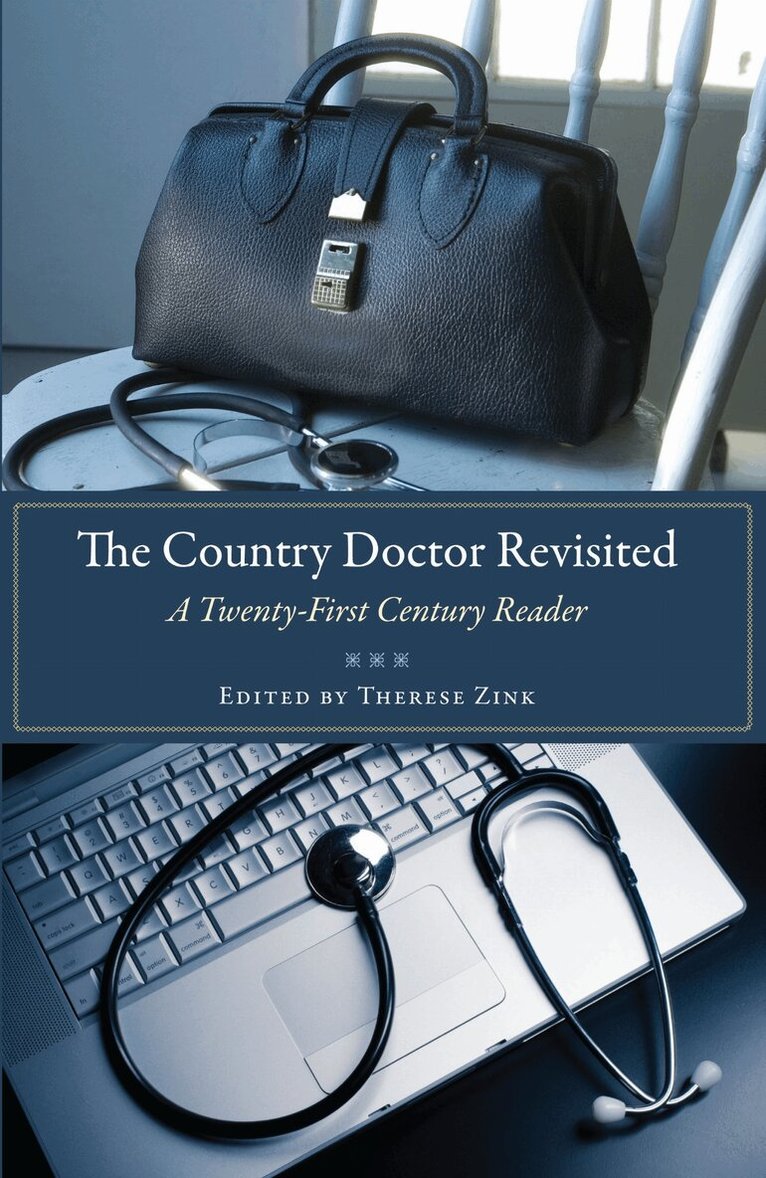
Over the past thirty years, rural health care in the United States has changed dramatically. The stereotypical white-haired doctor with his black bag of instruments and his predominantly white, small-town clientele has imploded: the global age has reached rural America. Independently owned clinics have given way to a massive system of hospitals; new technology now brings specialists right to the patient’s bedside; and an increasingly diverse clientele has sparked the need for doctors and nurses with an equally diverse assortment of skills.
The Country Doctor Revisited is a fascinating collection of essays, poems, and short stories written by rural health care professionals on the experiences of doctors and nurses practicing medicine in rural environments, such as farms, reservations, and migrant camps. The pieces explore the benefits and burdens of new technology, the dilemmas in making ethically sound decisions, and the trials of caring for patients in a broken system. Alternately compelling, thought provoking, and moving, they speak of the diversity of rural health care providers, the range of patients served in rural communities, the variety of settings that comprise the rural United States, and the resources and challenges health care providers and patients face today.
399 kr
Läs direkt efter köp
“These authors courageously document the emotional and literally physical vulnerabilities they experience while delivering care in rural communities. … This book exquisitely illustrates the complexity of ‘dual relationships’ and boundary issues in rural practice.”—Family Medicine
Over the past thirty years, rural health care in the United States has changed dramatically. The stereotypical white-haired doctor with his black bag of instruments and his predominantly white, small-town clientele has imploded: the global age has reached rural America. Independently owned clinics have given way to a massive system of hospitals; new technology now brings specialists right to the patient’s bedside; and an increasingly diverse clientele has sparked the need for doctors and nurses with an equally diverse assortment of skills.
The Country Doctor Revisited is a fascinating collection of essays, poems, and short stories written by rural health care professionals on the experiences of doctors and nurses practicing medicine in rural environments, such as farms, reservations, and migrant camps. The pieces explore the benefits and burdens of new technology, the dilemmas in making ethically sound decisions, and the trials of caring for patients in a broken system. Alternately compelling, thought provoking, and moving, they speak of the diversity of rural health care providers, the range of patients served in rural communities, the variety of settings that comprise the rural United States, and the resources and challenges health care providers and patients face today.