Thomas Crombez – författare
Visar alla böcker från författaren Thomas Crombez. Handla med fri frakt och snabb leverans.
2 produkter
2 produkter
2 787 kr
Skickas inom 5-8 vardagar
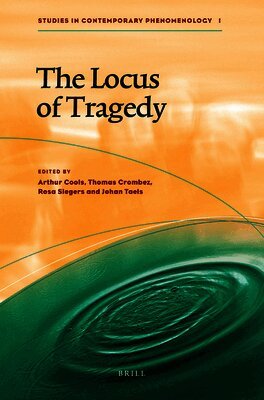
Ask for the tragic and Europe will answer. Leaving behind the philosophers’ enthusiasm of the nineteenth century, ‘tragedy’ and ‘the tragic’ now seem little more than vague containers. However, it appears that we still discover a tragic essence in our personal lives. Time and again tragedy is being registered, written down and staged. This book wants to open a contemporary philosophical perspective on the tragic. What is the locus of tragedy? Does it relate to metaphysics, the gods, destiny, and chance? Or is it a matter of ethics, of the Law and its transgression? Does man himself occupy the locus of tragedy, because of his unreasonable and boundless desires, as many philosophers have suggested? Is man today still able to account for his tragic condition? Or do we locate the tragic first and foremost in the esthetic imagination? Is not the theatrical genre of tragedy the locus authenticus of all things tragic? Is there more to the tragic than drama and play?
Mass Theatre in Inter-War Europe
Flanders and the Netherlands in an International Perspective
Inbunden, Engelska, 2014
600 kr
Tillfälligt slut
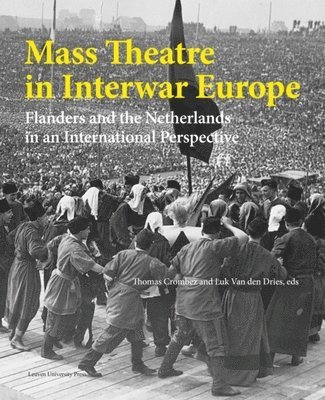
Ideological heterogeneity in mass plays in Flanders and the Netherlands In many European countries mass theatre was a widespread expression of ‘community art’ which became increasingly popular shortly before the First World War. From Max Reinhardt’s lavish open-air spectacles to socialist workers’ Laienspiel (lay theatre), theatre visionaries focused on ever larger groups for entertainment as well as political agitation.Despite wide research on the Soviet and German cases, examples from the Low Countries have hardly been examined. However, mass plays in Flanders and the Netherlands had a distinctive character, displaying an ideological heterogeneity not seen elsewhere. Mass Theatre in Interwar Europe studies this peculiar phenomenon of the Low Countries in its European context and sheds light on the broader framework of mass movements in the interwar period.This publication is GPRC-labeled (Guaranteed Peer-Reviewed Content).ContributorsStaf Vos (Het Firmament), Karel Vanhaesebrouck (Université Libre de Bruxelles/Rits), Evelien Jonckheere (Ghent University), Ad van der Logt (Leiden University), Frank Peeters (University of Antwerp)Blog Thomas Crombez - http://tcrombez.wordpress.com/