Thomas D.C. Bennett – författare
Visar alla böcker från författaren Thomas D.C. Bennett. Handla med fri frakt och snabb leverans.
11 produkter
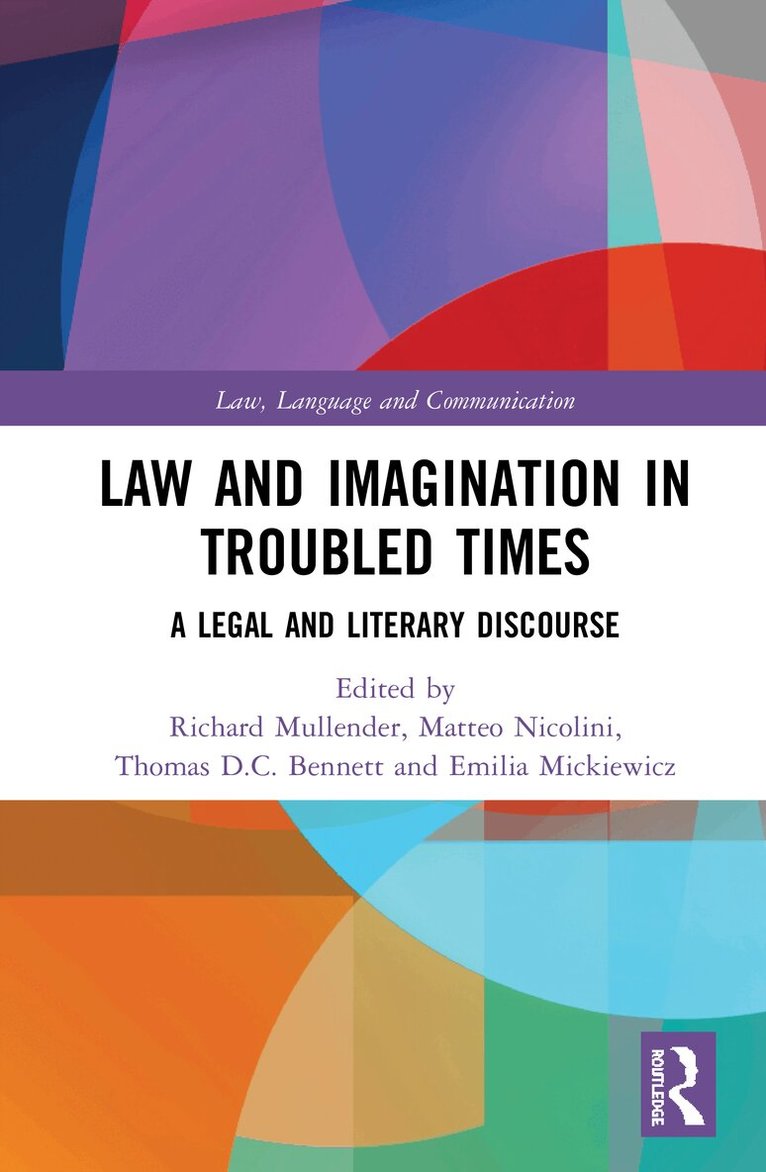
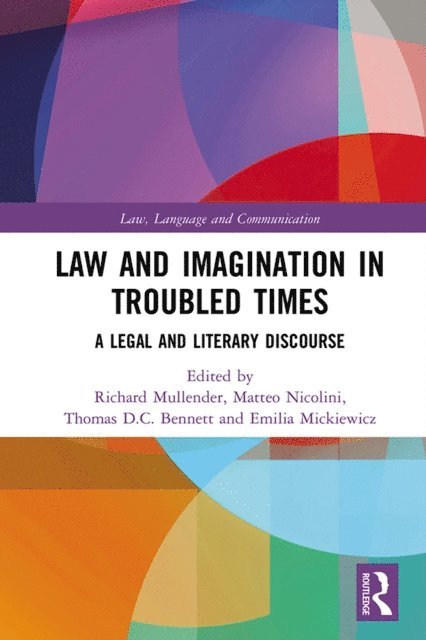
Law and Imagination in Troubled Times
A Legal and Literary Discourse
Av Richard Mullender, Matteo Nicolini m. fl.
Inbunden, 2020
2311 kr
Lägg i varukorg
This collection focuses on how troubled times impact upon the law, the body politic, and the complex interrelationship among them. It centres on how they engage in a dialogue with the imagination and literature, thus triggering an emergent (but thus far underdeveloped) field concerning the ‘legal …
Law and Imagination in Troubled Times
A Legal and Literary Discourse
Av Richard Mullender, Matteo Nicolini m. fl.
Häftad, 2022
636 kr
Lägg i varukorg
This collection focuses on how troubled times impact upon the law, the body politic, and the complex interrelationship among them. It centres on how they engage in a dialogue with the imagination and literature, thus triggering an emergent (but thus far underdeveloped) field concerning the ‘legal …
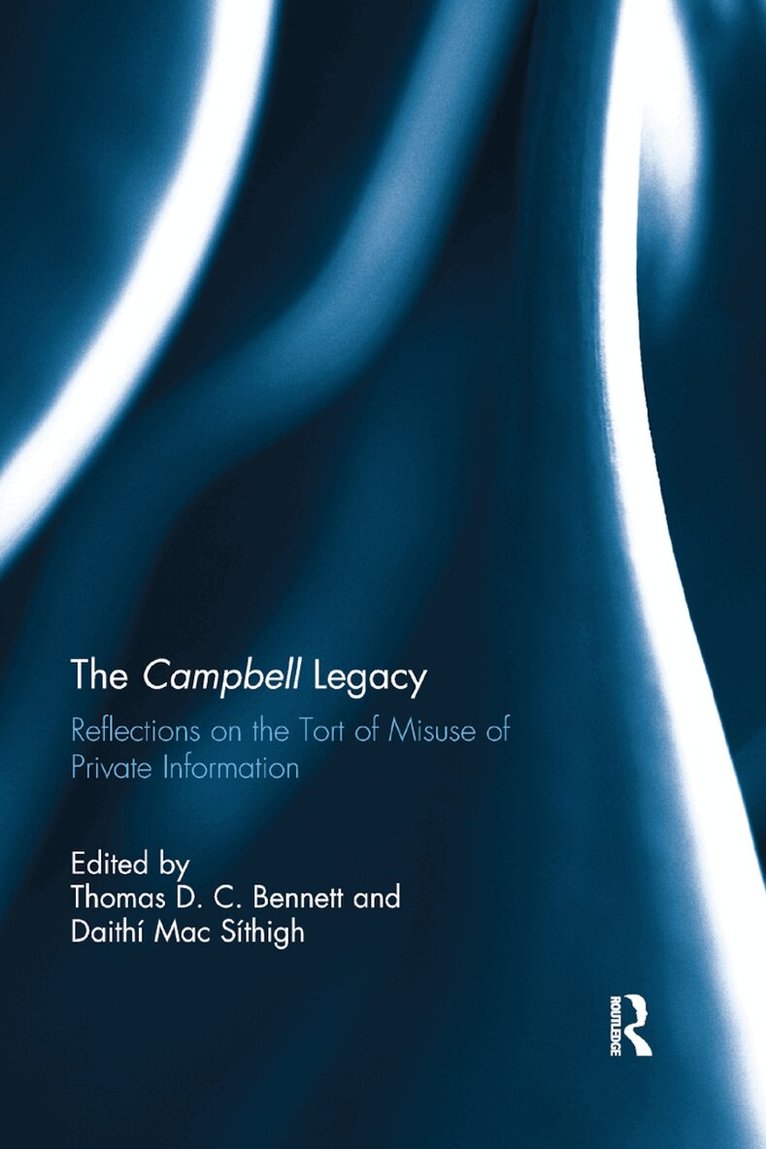
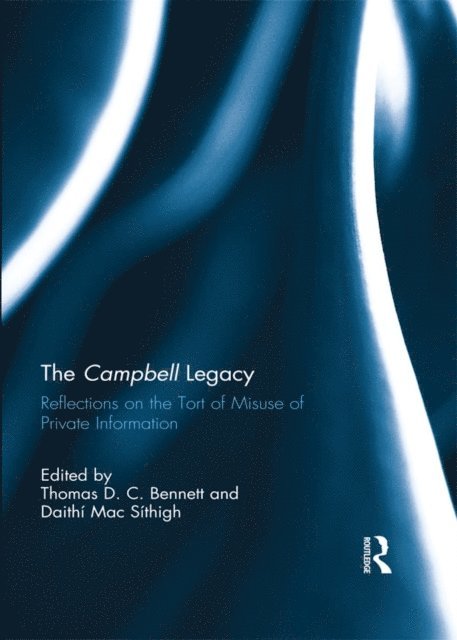
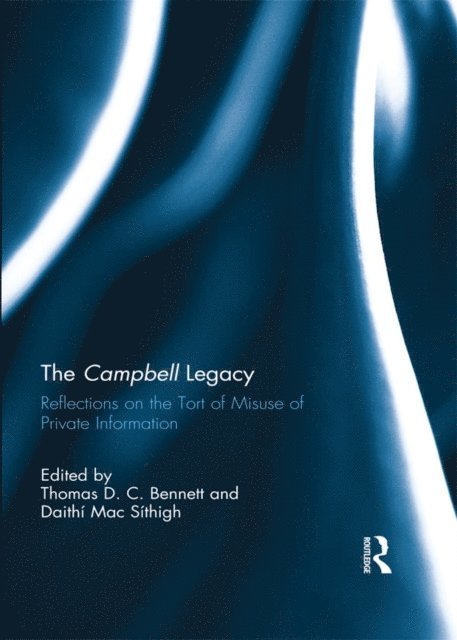
Campbell Legacy
Reflections on the Tort of Misuse of Private Information
Av Thomas D.C. Bennett, Daithí Mac Síthigh
Häftad, 2019
636 kr
Lägg i varukorg
In 2004, a judgment from the highest court in the UK gave birth to a new era of privacy law. That case, brought by the supermodel Naomi Campbell against Mirror Group Newspapers, is today rightly regarded as a turning point for the protection of individuals’ privacy. The case is seen as the turning …
Law and Imagination in Troubled Times
A Legal and Literary Discourse
Av Emilia Mickiewicz, Thomas D.C. Bennett m. fl.
E-bok, 2020
936 kr
Lägg i varukorg
This collection focuses on how troubled times impact upon the law, the body politic, and the complex interrelationship among them. It centres on how they engage in a dialogue with the imagination and literature, thus triggering an emergent (but thus far underdeveloped) field concerning the ‘legal …
Law and Imagination in Troubled Times
A Legal and Literary Discourse
Av Emilia Mickiewicz, Thomas D.C. Bennett m. fl.
E-bok, 2020
936 kr
Lägg i varukorg
This collection focuses on how troubled times impact upon the law, the body politic, and the complex interrelationship among them. It centres on how they engage in a dialogue with the imagination and literature, thus triggering an emergent (but thus far underdeveloped) field concerning the ‘legal …
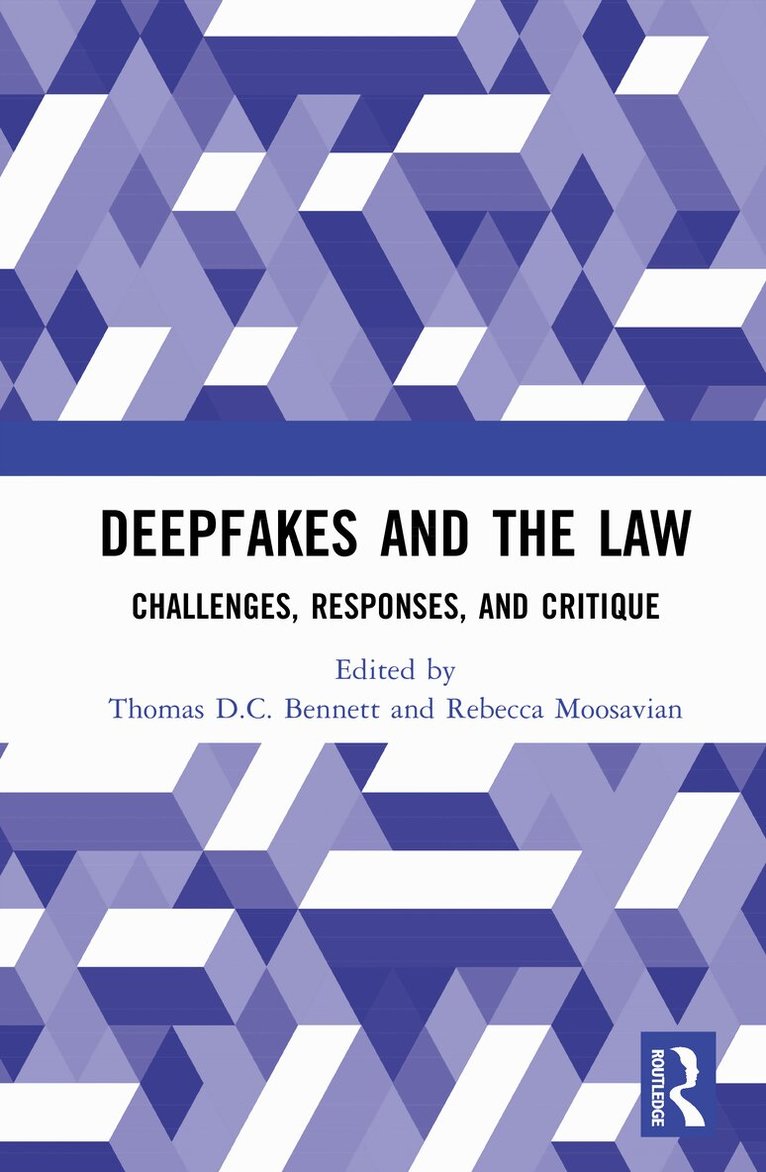
Deepfakes and the Law
Challenges, Responses, and Critique
Av Thomas D.C. Bennett, Rebecca Moosavian
Inbunden, 2026
2311 kr
Lägg i varukorg
This collection offers the first sustained, multidisciplinary legal analysis of deepfakes and their far‑reaching consequences.Deepfake technology has moved with disorienting speed from fringe curiosity to a global social, political, and legal problem. Once the preserve of Hollywood studios, the …
Deepfakes and the Law
Challenges, Responses, and Critique
Av Rebecca Moosavian, Thomas D.C. Bennett
E-bok, 2026
765 kr
Lägg i varukorg
This collection offers the first sustained, multidisciplinary legal analysis of deepfakes and their far reaching consequences.Deepfake technology has moved with disorienting speed from fringe curiosity to a global social, political, and legal problem. Once the preserve of Hollywood studios, the …
Deepfakes and the Law
Challenges, Responses, and Critique
Av Rebecca Moosavian, Thomas D.C. Bennett
E-bok, 2026
748 kr
Lägg i varukorg
This collection offers the first sustained, multidisciplinary legal analysis of deepfakes and their far reaching consequences.Deepfake technology has moved with disorienting speed from fringe curiosity to a global social, political, and legal problem. Once the preserve of Hollywood studios, the …
Campbell Legacy
Reflections on the Tort of Misuse of Private Information
Av Thomas D.C. Bennett, Daithí Mac Síthigh
Inbunden, 2017
2311 kr
Lägg i varukorg
In 2004, a judgment from the highest court in the UK gave birth to a new era of privacy law. That case, brought by the supermodel Naomi Campbell against Mirror Group Newspapers, is today rightly regarded as a turning point for the protection of individuals’ privacy. The case is seen as the turning …
Campbell Legacy
Reflections on the Tort of Misuse of Private Information
Av Daithi Mac Sithigh, Thomas D.C. Bennett
E-bok, 2018
749 kr
Lägg i varukorg
In 2004, a judgment from the highest court in the UK gave birth to a new era of privacy law. That case, brought by the supermodel Naomi Campbell against Mirror Group Newspapers, is today rightly regarded as a turning point for the protection of individuals’ privacy. The case is seen as the …
Campbell Legacy
Reflections on the Tort of Misuse of Private Information
Av Daithi Mac Sithigh, Thomas D.C. Bennett
E-bok, 2018
749 kr
Lägg i varukorg
In 2004, a judgment from the highest court in the UK gave birth to a new era of privacy law. That case, brought by the supermodel Naomi Campbell against Mirror Group Newspapers, is today rightly regarded as a turning point for the protection of individuals’ privacy. The case is seen as the …