Thomas Doherty – författare
Visar alla böcker från författaren Thomas Doherty. Handla med fri frakt och snabb leverans.
20 produkter
20 produkter
Häftad, Engelska, 1999
223 kr
Skickas inom 5-8 vardagar
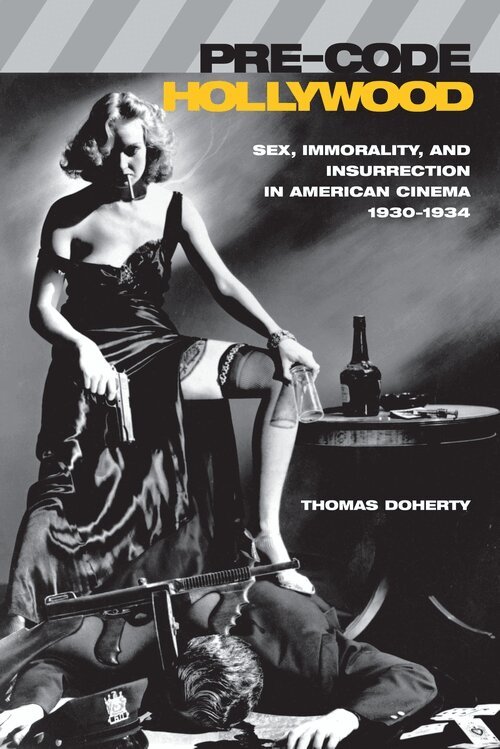
Pre-Code Hollywood explores the fascinating period in American motion picture history from 1930 to 1934 when the commandments of the Production Code Administration were violated with impunity in a series of wildly unconventional films-a time when censorship was lax and Hollywood made the most of it. Though more unbridled, salacious, subversive, and just plain bizarre than what came afterwards, the films of the period do indeed have the look of Hollywood cinema-but the moral terrain is so off-kilter that they seem imported from a parallel universe. In a sense, Doherty avers, the films of pre-Code Hollywood are from another universe. They lay bare what Hollywood under the Production Code attempted to cover up and push offscreen: sexual liaisons unsanctified by the laws of God or man, marriage ridiculed and redefined, ethnic lines crossed and racial barriers ignored, economic injustice exposed and political corruption assumed, vice unpunished and virtue unrewarded-in sum, pretty much the raw stuff of American culture, unvarnished and unveiled.No other book has yet sought to interpret the films and film-related meanings of the pre-Code era-what defined the period, why it ended, and what its relationship was to the country as a whole during the darkest years of the Great Depression...and afterward.
Häftad, Engelska, 1999
551 kr
Skickas inom 3-6 vardagar
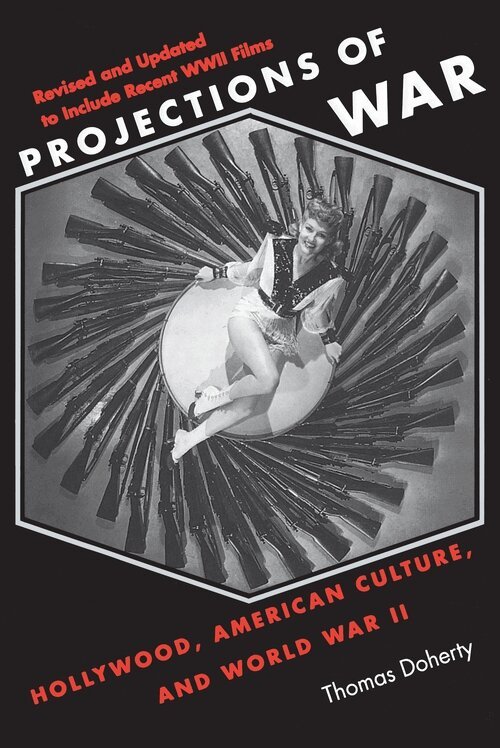
Thomas Doherty reveals how and why Hollywood marshaled its artistic resources on behalf of the war effort and interprets the cultural meanings and enduring legacies of the motion picture record of the war years. He explains the social, political, and economic forces that created such genre classics as Mrs. Miniver, as well as comedies, musicals, newsreels, documentaries, cartoons, and army training films. He examines the Hollywood Production Code, government propaganda films, the portrayal of women and minorities in films of the period, and Hollywood's role in World War I and Vietnam. This revised edition includes new sections exploring the recent resurgence of interest in World War II films, including Saving Private Ryan and The Thin Red Line. Thomas Doherty reveals how and why Hollywood marshaled its artistic resources on behalf of the war effort and interprets the cultural meanings and enduring legacies of the motion picture record of the war years. He explains the social, political, and economic forces that created such genre classics as Mrs. Miniver, as well as comedies, musicals, newsreels, documentaries, cartoons, and army training films.He examines the Hollywood Production Code, government propaganda films, the portrayal of women and minorities in films of the period, and Hollywood's role in World War I and Vietnam. This revised edition includes new sections exploring the recent resurgence of interest in World War II films, including Saving Private Ryan and The Thin Red Line.
Inbunden, Engelska, 2003
2 132 kr
Skickas inom 3-6 vardagar
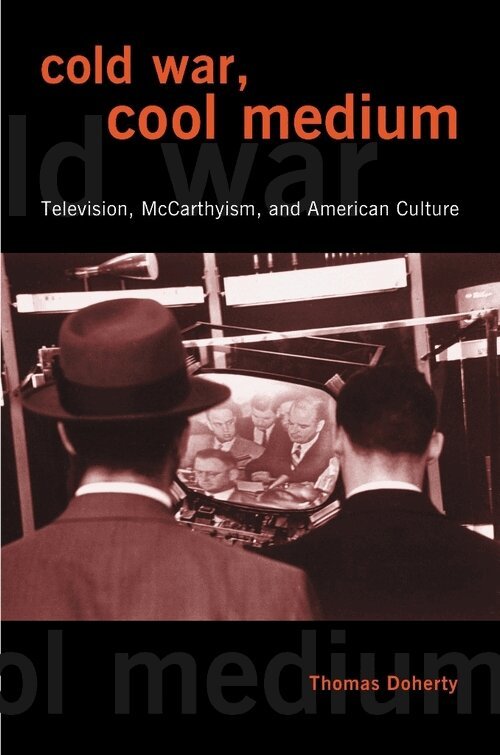
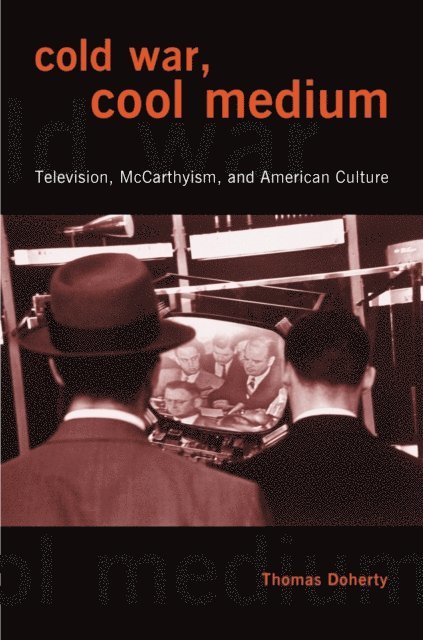
Conventional wisdom holds that television was a co-conspirator in the repressions of Cold War America, that it was a facilitator to the blacklist and handmaiden to McCarthyism. But Thomas Doherty argues that, through the influence of television, America actually became a more open and tolerant place. Although many books have been written about this period, Cold War, Cool Medium is the only one to examine it through the lens of television programming. To the unjaded viewership of Cold War America, the television set was not a harbinger of intellectual degradation and moral decay, but a thrilling new household appliance capable of bringing the wonders of the world directly into the home. The "cool medium" permeated the lives of every American, quickly becoming one of the most powerful cultural forces of the twentieth century. While television has frequently been blamed for spurring the rise of Senator Joseph McCarthy, it was also the national stage upon which America witnessed-and ultimately welcomed-his downfall.In this provocative and nuanced cultural history, Doherty chronicles some of the most fascinating and ideologically charged episodes in television history: the warm-hearted Jewish sitcom The Goldbergs; the subversive threat from I Love Lucy; the sermons of Fulton J. Sheen on Life Is Worth Living; the anticommunist series I Led 3 Lives; the legendary jousts between Edward R. Murrow and Joseph McCarthy on See It Now; and the hypnotic, 188-hour political spectacle that was the Army-McCarthy hearings. By rerunning the programs, freezing the frames, and reading between the lines, Cold War, Cool Medium paints a picture of Cold War America that belies many black-and-white cliches. Doherty not only details how the blacklist operated within the television industry but also how the shows themselves struggled to defy it, arguing that television was preprogrammed to reinforce the very freedoms that McCarthyism attempted to curtail.
Häftad, Engelska, 2005
296 kr
Skickas inom 5-8 vardagar
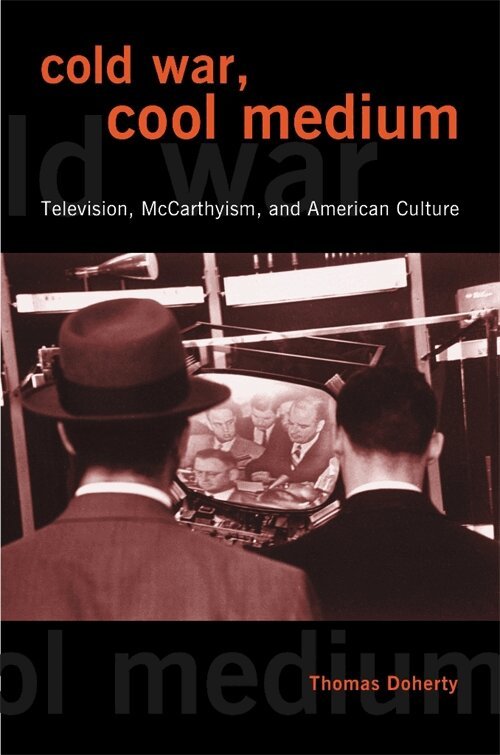
Conventional wisdom holds that television was a co-conspirator in the repressions of Cold War America, that it was a facilitator to the blacklist and handmaiden to McCarthyism. But Thomas Doherty argues that, through the influence of television, America actually became a more open and tolerant place. Although many books have been written about this period, Cold War, Cool Medium is the only one to examine it through the lens of television programming. To the unjaded viewership of Cold War America, the television set was not a harbinger of intellectual degradation and moral decay, but a thrilling new household appliance capable of bringing the wonders of the world directly into the home. The "cool medium" permeated the lives of every American, quickly becoming one of the most powerful cultural forces of the twentieth century. While television has frequently been blamed for spurring the rise of Senator Joseph McCarthy, it was also the national stage upon which America witnessed-and ultimately welcomed-his downfall.In this provocative and nuanced cultural history, Doherty chronicles some of the most fascinating and ideologically charged episodes in television history: the warm-hearted Jewish sitcom The Goldbergs; the subversive threat from I Love Lucy; the sermons of Fulton J. Sheen on Life Is Worth Living; the anticommunist series I Led 3 Lives; the legendary jousts between Edward R. Murrow and Joseph McCarthy on See It Now; and the hypnotic, 188-hour political spectacle that was the Army-McCarthy hearings. By rerunning the programs, freezing the frames, and reading between the lines, Cold War, Cool Medium paints a picture of Cold War America that belies many black-and-white cliches. Doherty not only details how the blacklist operated within the television industry but also how the shows themselves struggled to defy it, arguing that television was preprogrammed to reinforce the very freedoms that McCarthyism attempted to curtail.
Inbunden, Engelska, 2007
1 198 kr
Skickas inom 5-8 vardagar
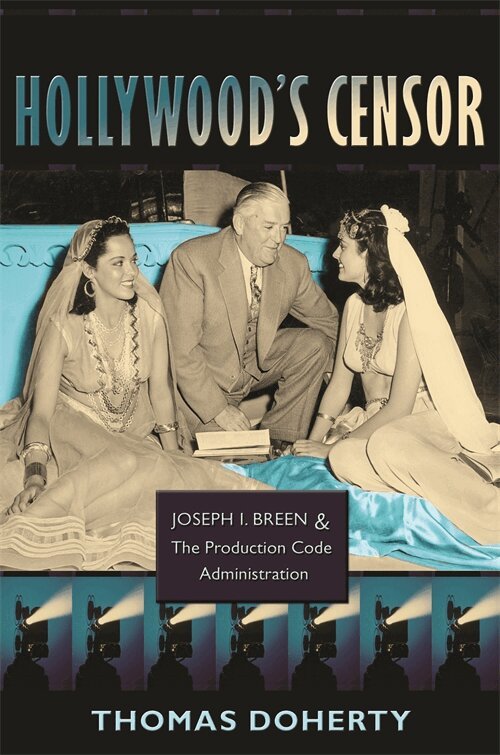
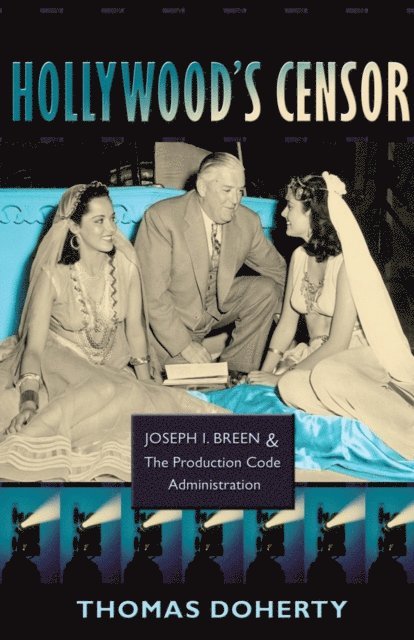
From 1934 to 1954 Joseph I. Breen, a media-savvy Victorian Irishman, reigned over the Production Code Administration, the Hollywood office tasked with censoring the American screen. Though little known outside the ranks of the studio system, this former journalist and public relations agent was one of the most powerful men in the motion picture industry. As enforcer of the puritanical Production Code, Breen dictated "final cut" over more movies than anyone in the history of American cinema. His editorial decisions profoundly influenced the images and values projected by Hollywood during the Great Depression, World War II, and the Cold War. Cultural historian Thomas Doherty tells the absorbing story of Breen's ascent to power and the widespread effects of his reign. Breen vetted story lines, blue-penciled dialogue, and excised footage (a process that came to be known as "Breening") to fit the demands of his strict moral framework. Empowered by industry insiders and millions of like-minded Catholics who supported his missionary zeal, Breen strove to protect innocent souls from the temptations beckoning from the motion picture screen.There were few elements of cinematic production beyond Breen's reach--he oversaw the editing of A-list feature films, low-budget B movies, short subjects, previews of coming attractions, and even cartoons. Populated by a colorful cast of characters, including Catholic priests, Jewish moguls, visionary auteurs, hardnosed journalists, and bluenose agitators, Doherty's insightful, behind-the-scenes portrait brings a tumultuous era--and an individual both feared and admired--to vivid life.
Häftad, Engelska, 2009
314 kr
Skickas inom 5-8 vardagar
From 1934 to 1954 Joseph I. Breen, a media-savvy Victorian Irishman, reigned over the Production Code Administration, the Hollywood office tasked with censoring the American screen. Though little known outside the ranks of the studio system, this former journalist and public relations agent was one of the most powerful men in the motion picture industry. As enforcer of the puritanical Production Code, Breen dictated "final cut" over more movies than anyone in the history of American cinema. His editorial decisions profoundly influenced the images and values projected by Hollywood during the Great Depression, World War II, and the Cold War. Cultural historian Thomas Doherty tells the absorbing story of Breen's ascent to power and the widespread effects of his reign. Breen vetted story lines, blue-penciled dialogue, and excised footage (a process that came to be known as "Breening") to fit the demands of his strict moral framework. Empowered by industry insiders and millions of like-minded Catholics who supported his missionary zeal, Breen strove to protect innocent souls from the temptations beckoning from the motion picture screen.There were few elements of cinematic production beyond Breen's reach--he oversaw the editing of A-list feature films, low-budget B movies, short subjects, previews of coming attractions, and even cartoons. Populated by a colorful cast of characters, including Catholic priests, Jewish moguls, visionary auteurs, hardnosed journalists, and bluenose agitators, Doherty's insightful, behind-the-scenes portrait brings a tumultuous era--and an individual both feared and admired--to vivid life.
Inbunden, Engelska, 2013
1 113 kr
Skickas inom 5-8 vardagar
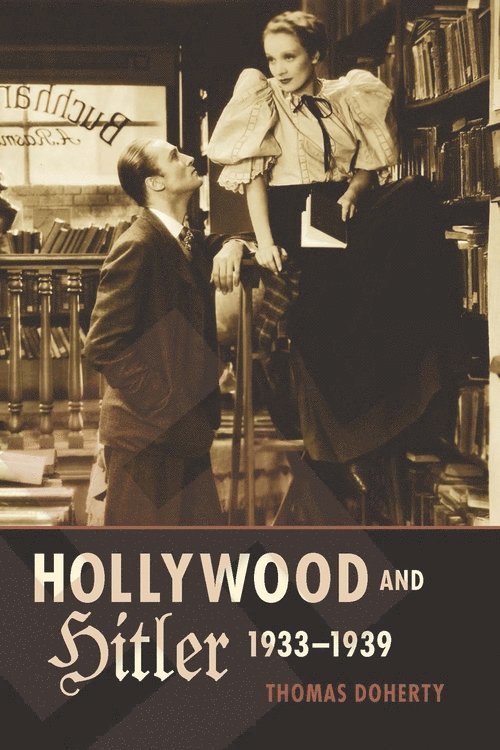
Between 1933 and 1939, representations of the Nazis and the full meaning of Nazism came slowly to Hollywood, growing more ominous and distinct only as the decade wore on. Recapturing what ordinary Americans saw on the screen during the emerging Nazi threat, Thomas Doherty reclaims forgotten films, such as Hitler's Reign of Terror (1934), a pioneering anti-Nazi docudrama by Cornelius Vanderbilt Jr.; I Was a Captive of Nazi Germany (1936), a sensational true tale of "a Hollywood girl in Naziland!"; and Professor Mamlock (1938), an anti-Nazi film made by German refugees living in the Soviet Union. Doherty also recounts how the disproportionately Jewish backgrounds of the executives of the studios and the workers on the payroll shaded reactions to what was never simply a business decision. As Europe hurtled toward war, a proxy battle waged in Hollywood over how to conduct business with the Nazis, how to cover Hitler and his victims in the newsreels, and whether to address or ignore Nazism in Hollywood feature films. Should Hollywood lie low, or stand tall and sound the alarm?Doherty's history features a cast of charismatic personalities: Carl Laemmle, the German Jewish founder of Universal Pictures, whose production of All Quiet on the Western Front (1930) enraged the nascent Nazi movement; Georg Gyssling, the Nazi consul in Los Angeles, who read the Hollywood trade press as avidly as any studio mogul; Vittorio Mussolini, son of the fascist dictator and aspiring motion picture impresario; Leni Riefenstahl, the Valkyrie goddess of the Third Reich who came to America to peddle distribution rights for Olympia (1938); screenwriters Donald Ogden Stewart and Dorothy Parker, founders of the Hollywood Anti-Nazi League; and Harry and Jack Warner of Warner Bros., who yoked anti-Nazism to patriotic Americanism and finally broke the embargo against anti-Nazi cinema with Confessions of a Nazi Spy (1939).
Häftad, Engelska, 2015
280 kr
Skickas inom 5-8 vardagar
Between 1933 and 1939, representations of the Nazis and the full meaning of Nazism came slowly to Hollywood, growing more ominous and distinct only as the decade wore on. Recapturing what ordinary Americans saw on the screen during the emerging Nazi threat, Thomas Doherty reclaims forgotten films, such as Hitler's Reign of Terror (1934), a pioneering anti-Nazi docudrama by Cornelius Vanderbilt Jr.; I Was a Captive of Nazi Germany (1936), a sensational true tale of "a Hollywood girl in Naziland!"; and Professor Mamlock (1938), an anti-Nazi film made by German refugees living in the Soviet Union. Doherty also recounts how the disproportionately Jewish backgrounds of the executives of the studios and the workers on the payroll shaded reactions to what was never simply a business decision. As Europe hurtled toward war, a proxy battle waged in Hollywood over how to conduct business with the Nazis, how to cover Hitler and his victims in the newsreels, and whether to address or ignore Nazism in Hollywood feature films. Should Hollywood lie low, or stand tall and sound the alarm?Doherty's history features a cast of charismatic personalities: Carl Laemmle, the German Jewish founder of Universal Pictures, whose production of All Quiet on the Western Front (1930) enraged the nascent Nazi movement; Georg Gyssling, the Nazi consul in Los Angeles, who read the Hollywood trade press as avidly as any studio mogul; Vittorio Mussolini, son of the fascist dictator and aspiring motion picture impresario; Leni Riefenstahl, the Valkyrie goddess of the Third Reich who came to America to peddle distribution rights for Olympia (1938); screenwriters Donald Ogden Stewart and Dorothy Parker, founders of the Hollywood Anti-Nazi League; and Harry and Jack Warner of Warner Bros., who yoked anti-Nazism to patriotic Americanism and finally broke the embargo against anti-Nazi cinema with Confessions of a Nazi Spy (1939).
Häftad, Engelska, 2019
553 kr
Skickas inom 3-6 vardagar
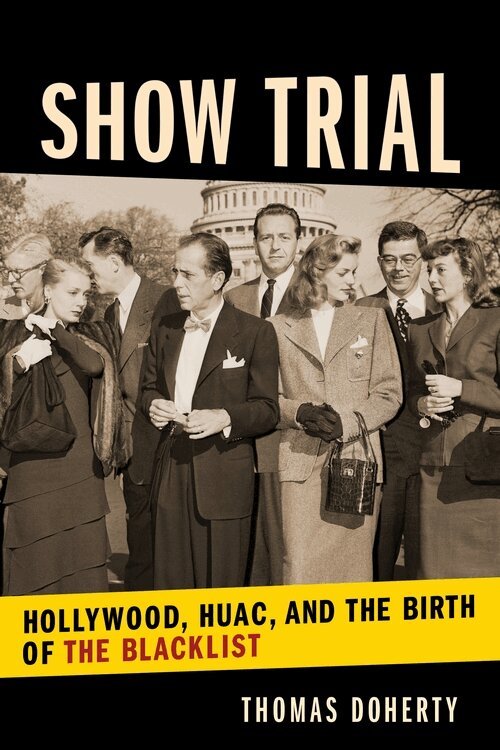
In 1947, the Cold War came to Hollywood. Over nine tumultuous days in October, the House Un-American Activities Committee held a notorious round of hearings into alleged Communist subversion in the movie industry. The blowback was profound: the major studios pledged to never again employ a known Communist or unrepentant fellow traveler. The declaration marked the onset of the blacklist era, a time when political allegiances, real or suspected, determined employment opportunities in the entertainment industry. Hundreds of artists were shown the door—or had it shut in their faces.In Show Trial, Thomas Doherty takes us behind the scenes at the first full-on media-political spectacle of the postwar era. He details the theatrical elements of a proceeding that bridged the realms of entertainment and politics, a courtroom drama starring glamorous actors, colorful moguls, on-the-make congressmen, high-priced lawyers, single-minded investigators, and recalcitrant screenwriters, all recorded by newsreel cameras and broadcast over radio. Doherty tells the story of the Hollywood Ten and the other witnesses, friendly and unfriendly, who testified, and chronicles the implementation of the postwar blacklist. Show Trial is a rich, character-driven inquiry into how the HUAC hearings ignited the anti-Communist crackdown in Hollywood, providing a gripping cultural history of one of the most transformative events of the postwar era.
Inbunden, Engelska, 2018
1 079 kr
Skickas inom 5-8 vardagar
In 1947, the Cold War came to Hollywood. Over nine tumultuous days in October, the House Un-American Activities Committee held a notorious round of hearings into alleged Communist subversion in the movie industry. The blowback was profound: the major studios pledged to never again employ a known Communist or unrepentant fellow traveler. The declaration marked the onset of the blacklist era, a time when political allegiances, real or suspected, determined employment opportunities in the entertainment industry. Hundreds of artists were shown the door—or had it shut in their faces.In Show Trial, Thomas Doherty takes us behind the scenes at the first full-on media-political spectacle of the postwar era. He details the theatrical elements of a proceeding that bridged the realms of entertainment and politics, a courtroom drama starring glamorous actors, colorful moguls, on-the-make congressmen, high-priced lawyers, single-minded investigators, and recalcitrant screenwriters, all recorded by newsreel cameras and broadcast over radio. Doherty tells the story of the Hollywood Ten and the other witnesses, friendly and unfriendly, who testified, and chronicles the implementation of the postwar blacklist. Show Trial is a rich, character-driven inquiry into how the HUAC hearings ignited the anti-Communist crackdown in Hollywood, providing a gripping cultural history of one of the most transformative events of the postwar era.
Inbunden, Engelska, 2020
832 kr
Skickas inom 5-8 vardagar
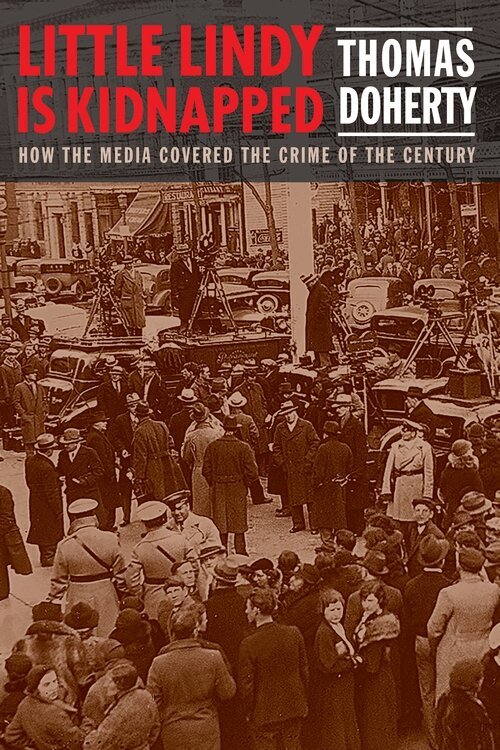
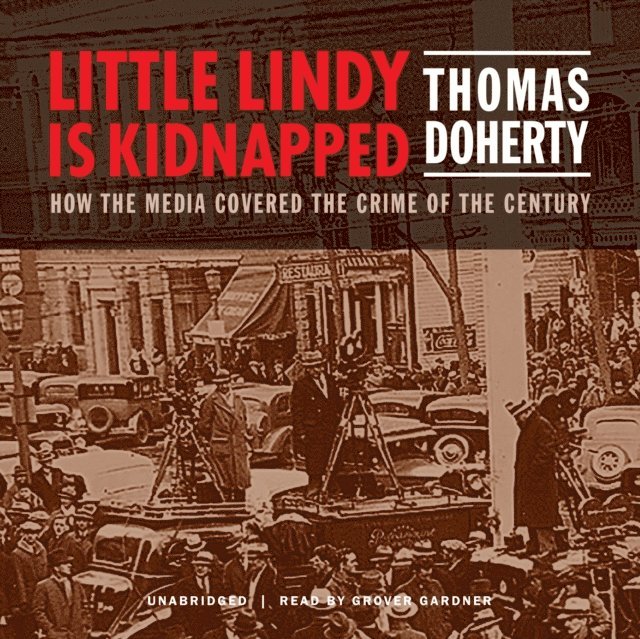
The biggest crime story in American history began on the night of March 1, 1932, when the twenty-month-old son of Charles and Anne Lindbergh was snatched from his crib in Hopewell, New Jersey. The news shocked a nation enthralled with the aviator, the first person to fly solo nonstop across the Atlantic. American law enforcement marshalled all its resources to return “Little Lindy” to the arms of his parents—and perhaps even more energized were the legions of journalists catering to a public whose appetite for Lindbergh news was insatiable.In Little Lindy Is Kidnapped, Thomas Doherty offers a lively and comprehensive cultural history of the media coverage of the abduction and its aftermath. Beginning with Lindbergh’s ascent to fame and proceeding through the trial and execution of the accused kidnapper, Doherty traces how newspapers, radio, and newsreels reported on what was dubbed the “crime of the century.” He casts the affair as a transformative moment for American journalism, analyzing how the case presented new challenges and opportunities for each branch of the media in the days before the rise of television. Coverage of the Lindbergh story, Doherty reveals, set the template for the way the media would treat breaking news ever after. An engrossing account of an endlessly fascinating case, Little Lindy Is Kidnapped sheds new light on an enduring quality of journalism ever since: the media’s eye on a crucial part of the story—itself.
Häftad, Engelska, 2022
186 kr
Skickas
The biggest crime story in American history began on the night of March 1, 1932, when the twenty-month-old son of Charles and Anne Lindbergh was snatched from his crib in Hopewell, New Jersey. The news shocked a nation enthralled with the aviator, the first person to fly solo nonstop across the Atlantic. American law enforcement marshalled all its resources to return “Little Lindy” to the arms of his parents—and perhaps even more energized were the legions of journalists catering to a public whose appetite for Lindbergh news was insatiable.In Little Lindy Is Kidnapped, Thomas Doherty offers a lively and comprehensive cultural history of the media coverage of the abduction and its aftermath. Beginning with Lindbergh’s ascent to fame and proceeding through the trial and execution of the accused kidnapper, Doherty traces how newspapers, radio, and newsreels reported on what was dubbed the “crime of the century.” He casts the affair as a transformative moment for American journalism, analyzing how the case presented new challenges and opportunities for each branch of the media in the days before the rise of television. Coverage of the Lindbergh story, Doherty reveals, set the template for the way the media would treat breaking news ever after. An engrossing account of an endlessly fascinating case, Little Lindy Is Kidnapped sheds new light on an enduring quality of journalism ever since: the media’s eye on a crucial part of the story—itself.
Inbunden, Engelska, 2026
943 kr
Skickas inom 5-8 vardagar
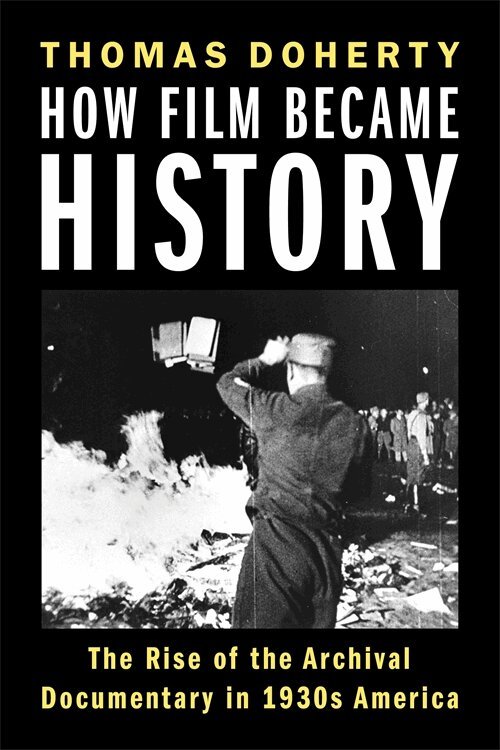
By the 1930s, filmmakers had access to a backlog of footage from nearly forty years of motion pictures, allowing them to create a new kind of film stitched together from the raw material of older films. At around the same time, the transition to synchronous sound added a transformative new element to the grammar of cinema: the voiceover narration. Together, the film inventory and offscreen commentary gave rise to the archival documentary, the motion picture genre that preserves and rewinds history.Thomas Doherty tells the story of the archival documentary, spotlighting the first films that set out deliberately to preserve history on screen. He shows how newsreels and documentaries challenged the era’s restrictive censorship and how film began to engage with the great political issues of the day. Doherty considers a range of films—some well-known, others obscure—including J. Stuart Blackton’s The Film Parade (1933), Laurence Stallings and Truman Talley’s The First World War (1934), Cornelius Vanderbilt Jr.’s Hitler’s Reign of Terror (1934), Max Eastman and Herbert Axelbank’s Tsar to Lenin (1937), and the March of Time screen magazine. Tracing the creation of the archival documentary, How Film Became History illuminates how motion pictures have come to shape our vision of the past.
Häftad, Engelska, 2026
246 kr
Skickas inom 5-8 vardagar
By the 1930s, filmmakers had access to a backlog of footage from nearly forty years of motion pictures, allowing them to create a new kind of film stitched together from the raw material of older films. At around the same time, the transition to synchronous sound added a transformative new element to the grammar of cinema: the voiceover narration. Together, the film inventory and offscreen commentary gave rise to the archival documentary, the motion picture genre that preserves and rewinds history.Thomas Doherty tells the story of the archival documentary, spotlighting the first films that set out deliberately to preserve history on screen. He shows how newsreels and documentaries challenged the era’s restrictive censorship and how film began to engage with the great political issues of the day. Doherty considers a range of films—some well-known, others obscure—including J. Stuart Blackton’s The Film Parade (1933), Laurence Stallings and Truman Talley’s The First World War (1934), Cornelius Vanderbilt Jr.’s Hitler’s Reign of Terror (1934), Max Eastman and Herbert Axelbank’s Tsar to Lenin (1937), and the March of Time screen magazine. Tracing the creation of the archival documentary, How Film Became History illuminates how motion pictures have come to shape our vision of the past.
Inbunden, Engelska, 2025
328 kr
Skickas inom 3-6 vardagar
Häftad, Engelska, 2026
265 kr
Kommande
Preeminent film historian Thomas Doherty explores the blockbuster 1969 film adaptation of the Charles Portis novel True Grit, which stars John Wayne in his only Oscar-winning performance. The year 1969 was a tipping point for Hollywood cinema and a good year for Westerns. In 1968 the censorious Production Code was eliminated. American cinema responded immediately with a spree of theretofore unseen and unimaginable transgressions—one of which arrived in Henry Hathaway’s adaptation of Charles Portis’s best-selling novel True Grit. True Grit featured blunt language (“Fill your hand, you son of a bitch!”) and bloody imagery that would not have been permissible just a couple of years earlier. Thomas Doherty, one of the foremost film historians writing today, walks readers through Charles Portis’s source novel and its adaptation for the screen, the role of women in a genre often considered antithetical to their presence, and the figure of John Wayne, the Western icon whose public stance as a spokesman for the political right was merging with and complicating his screen persona. While noting its continued appeal for modern audiences, he presents True Grit as a pure product of its time, on the cusp of the Old and New Hollywoods, containing elements of both.
Inbunden, Engelska, 2025
211 kr
Skickas inom 5-8 vardagar
Climate change anxiety is one of the biggest mental health threats of our times. If you find it hard to tear yourself away from doomscrolling, or it feels impossible not to worry about the world we are leaving to future generations, then you are not alone.Surviving Climate Anxiety is the essential guide to coping with the psychological toll of the environmental crisis.In this helpful and ground-breaking book, the world's leading climate anxiety expert, psychologist Dr Thomas Doherty, shares the pioneering techniques he has developed to help you to:- Reclaim your nervous system: manage your thoughts, feelings, and stress about climate change- Clarify your environmental identity: understand your history, values, and connection to the natural world- Overcome fear of climate disasters and tend to eco-depression and grief- Find realistic reasons for hope and ways to take meaningful actionPacked with practical, research-backed tips and dozens of stories - from the geologist haunted by images of melting glaciers, to the young couple agonizing over whether to bring a child into a world on fire, to a twenty-something wondering how to believe in the future - Surviving Climate Anxiety provides the tools to cope, heal, and flourish, even in these challenging times.
Häftad, Engelska, 2025
233 kr
Skickas inom 5-8 vardagar
If you ever feel dread as you doomscroll news stories about climate change, or despair when you think about the world we are leaving to future generations, you are not alone. With environmental disasters mounting, predictions for the future of our planet worsening, and solutions feeling like a drop in a polluted ocean, climate anxiety is one of the biggest mental health threats of our time.Surviving Climate Anxiety is the essential guide to coping with the psychological toll of persistent environmental crisis.In this helpful and ground-breaking book, the world's leading climate anxiety expert, psychologist Dr Thomas Doherty, shares the pioneering techniques he has developed to help you to:Reclaim your nervous system: manage your thoughts, feelings, and stress about climate changeClarify your environmental identity: establish your history, values, and connection to the natural worldOvercome fear of climate disasters and tend to eco-depression and griefFind realistic reasons for hope and ways to take meaningful actionPacked with practical, research-backed tips and dozens of stories - from the geologist haunted by images of melting glaciers, to the young couple agonizing over whether to bring a child into a world on fire, to a twenty-something wondering how to believe in the future - Surviving Climate Anxiety provides the tools to cope, heal, and flourish, even in these challenging times.
Häftad, Engelska, 2026
147 kr
Kommande
If you ever feel dread as you doomscroll news stories about climate change, or despair when you think about the world we are leaving to future generations, you are not alone. With environmental disasters mounting, predictions for the future of our planet worsening, and solutions feeling like a drop in a polluted ocean, climate anxiety is one of the biggest mental health threats of our time.Surviving Climate Anxiety is the essential guide to coping with the psychological toll of persistent environmental crisis.In this helpful and ground-breaking book, the world's leading climate anxiety expert, psychologist Dr Thomas Doherty, shares the pioneering techniques he has developed to help you to:Reclaim your nervous system: manage your thoughts, feelings, and stress about climate changeClarify your environmental identity: establish your history, values, and connection to the natural worldOvercome fear of climate disasters and tend to eco-depression and griefFind realistic reasons for hope and ways to take meaningful actionPacked with practical, research-backed tips and dozens of stories - from the geologist haunted by images of melting glaciers, to the young couple agonizing over whether to bring a child into a world on fire, to a twenty-something wondering how to believe in the future - Surviving Climate Anxiety provides the tools to cope, heal, and flourish, even in these challenging times.
Häftad, Engelska, 2002
307 kr
Skickas
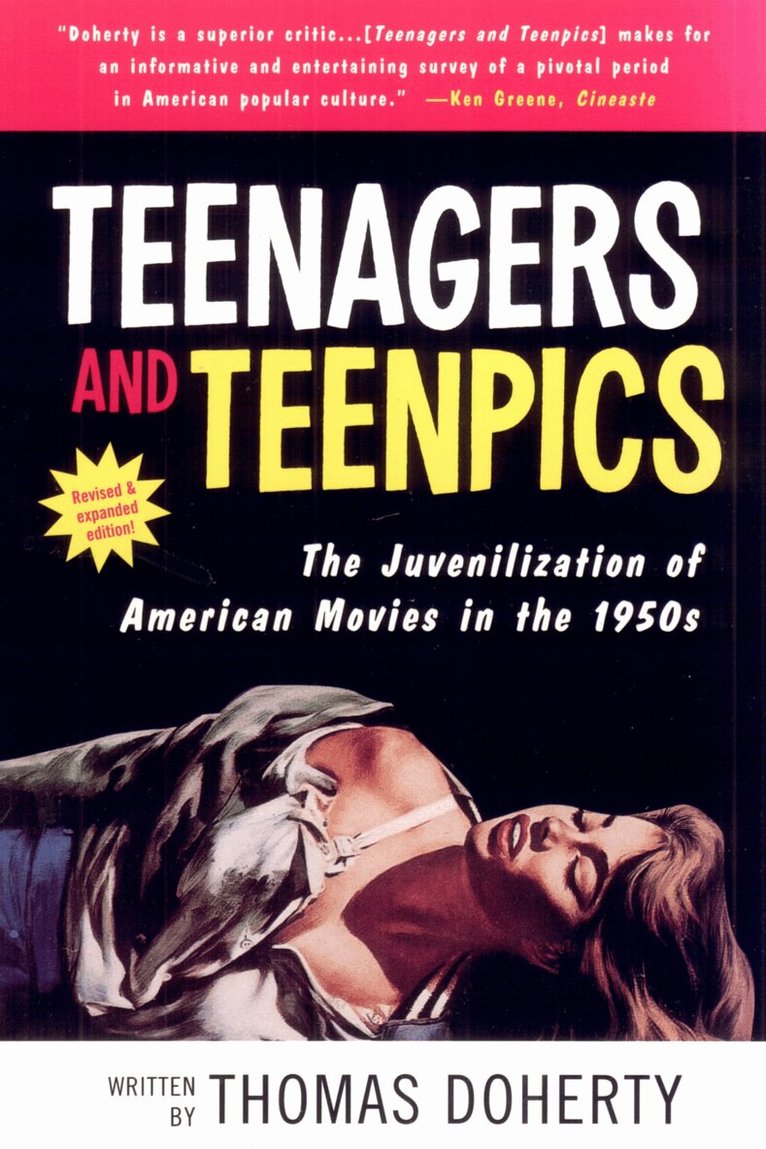
Teenagers and Teenpics tells the story of two signature developments in the 1950s: the decline of the classical Hollywood cinema and the emergence of that strange new creature, the American teenager. Hollywood's discovery of the teenage moviegoer initiated a progressive "juvenilization" of film content that is today the operative reality of the American motion picture industry. The juvenilization of the American movies is best revealed in the development of the 1950s "teenpic," a picture targeted at teenagers even to the exclusion of their elders. In a wry and readable style, Doherty defines and interprets the various teenpic film types: rock 'n' roll pictures, j.d. films, horror and sci-fi weirdies, and clean teenpics. Individual films are examined both in light of their impact on the motion picture industry and in terms of their important role in validating the emerging teenage subculture. Also included in this edition is an expanded treatment of teenpics since the 1950s, especially the teenpics produced during the age of AIDS. Author note: Thomas Doherty is Associate Professor of American Studies and Chair of the Film Studies Program at Brandeis University.He is the author of two previous books, including Pre-Code Hollywood: Sex, Immorality, and Insurrection in American Cinema, 1930-1934, which was a New York Times Notable Book for 1999.