Thomas F. Anderson – författare
Visar alla böcker från författaren Thomas F. Anderson. Handla med fri frakt och snabb leverans.
3 produkter
3 produkter
Häftad, Engelska, 2017
325 kr
Skickas inom 10-15 vardagar
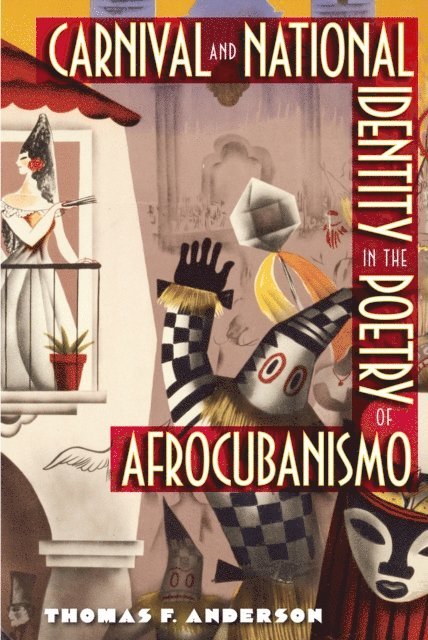
The poetry associated with Afrocubanismo has been of great interest to academics since the movement began in the late 1920s. Thomas Anderson’s detailed analysis infuses new life into the study of these remarkable works. Focusing on the representations of carnival and its comparsas (carnival bands and music), Carnival and National Identity in the Poetry of Afrocubanismo offers thought-provoking new readings of poems by seminal Cuban poets, demonstrating how their writings on and about these traditions both contributed to and detracted from the development of a recognizable Afro-Cuban identity.This volume is the first to examine, from a literary perspective, the long-running debate between the proponents of Afro-Cuban cultural manifestations and the predominantly white Cuban intelligentsia who viewed these traditions as “backward” and counter to the interests of the young Republic. Including analyses of the work of Felipe Pichardo Moya, Alejo Carpentier, Nicolás Guillén, Emilio Ballagas, José Zacarías Tallet, Felix B. Caignet, Marcelino Arozarena, and Alfonso Camín, this rigorous, interdisciplinary volume offers a fresh look at the canon of Afrocubanismo and offers surprising insights into Cuban culture during the early years of the Republic.
E-bok
Engelska, 2017243 kr
Läs direkt efter köp
“Traces the ways that Cuban poets dealt with issues of national identity, reflected in their views of Afrocubanismo, often in response to historical changes in public and official opinions on the most visual manifestation of Afro-Cuban culture: carnival.”—Choice“Uncovers a wealth of literary texts, primarily poems, that chart the impact of las comparsas, Afro-Cuban festival dances, on mainstream Cuban life. . . . Investigates the ways in which the relationship between racial and ethnic divisions, and between castes and classes, created a literary movement full to the brim with emotional and sensational resonances.”—Wasafiri“Underscores the sociopolitical and historical contexts of these poems which have shaped the literary production and message of the Afrocubanismo movement. . . . A tour de force.”—Callaloo“Successfully plumbs the position of the Afro-Cuban performer and brings into sharp relief the way politicians historically sought to affect all elements of Cuban culture.”—New West Indian GuideCarnival and National Identity in the Poetry of Afrocubanismo offers thought-provoking new readings of poems by seminal Cuban poets, demonstrating how their writings affected the development of a recognizable Afro-Cuban identity. Thomas Anderson examines the long-running debate between the proponents of Afro-Cuban cultural manifestations and the predominantly white Cuban intelligentsia, who viewed these traditions as “backward” and counter to the interests of the young Republic. Including analyses of the work of Felipe Pichardo Moya, Alejo Carpentier, Nicolás Guillén, Emilio Ballagas, José Zacarías Tallet, Felix B. Caignet, Marcelino Arozarena, and Alfonso Camín, this rigorous, interdisciplinary volume offers a fresh look at the canon of Afrocubanismo and offers surprising insights into Cuban culture during the early years of the Republic.
Häftad, Engelska, 2016
681 kr
Skickas inom 5-8 vardagar
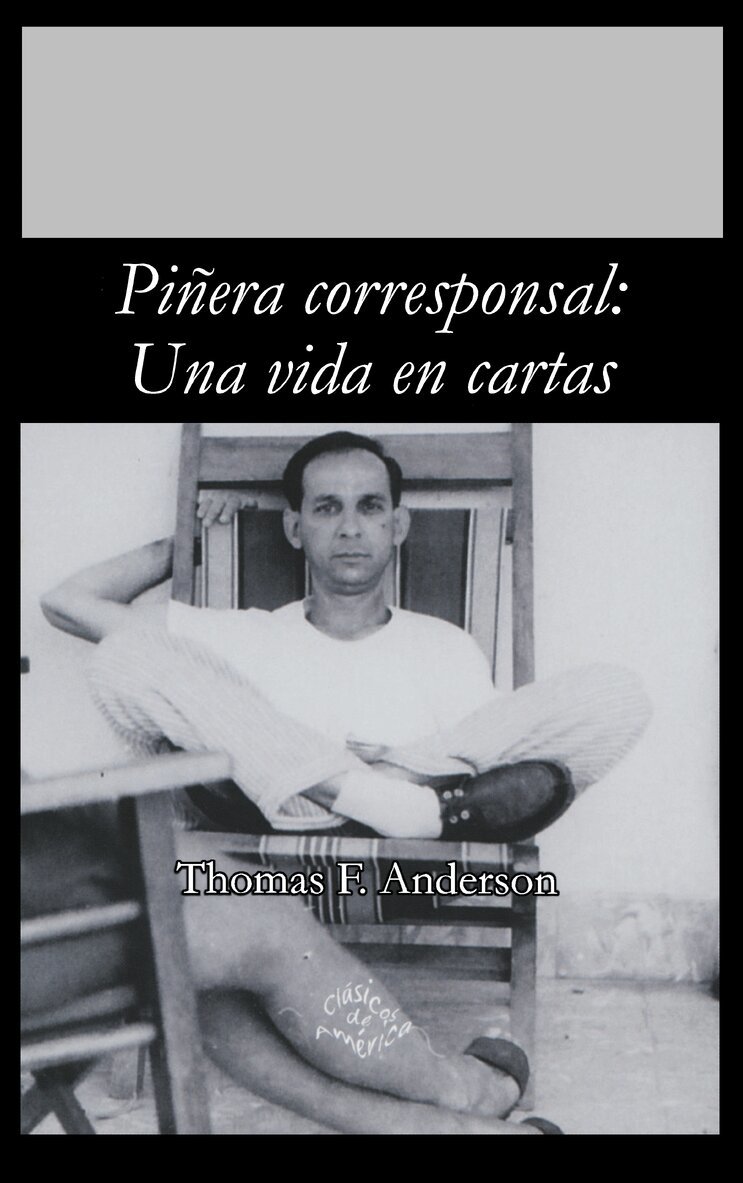
Esta novedosa edición destaca no sólo porque contiene las cartas que Piñera le envió a su compañero y confidente Humberto Rodríguez Tomeu entre 1958 y 1976, hasta ahora inéditas en su mayoría, sino por el prolijo ensayo introductorio de Thomas F. Anderson. Se instala aquí una perspectiva reveladora de una de las más originales e intrigantes voces de la literatura latinoamericana del siglo veinte. Se enfocan aspectos importantes del proceso intelectual y afectivo vivido por el autor cubano bajo el manto de un aparato cultural y policiaco que eventualmente lo marginó y silenció. Obtenemos una labor de edición, documentación e interpretación indispensable.~This novel edition stands out not only because it contains the letters that Piñera sent to his companion and confidant Humberto Rodríguez Tomeu between 1958 and 1976, most of which were unpublished until now, but also because of the lengthy introductory essay by Thomas F. Anderson. This text holds a revealing perspective of one of the most original and intriguing voices of Latin American literature of the 20th century. It clarifies important aspects of the intellectual and affective process lived by the Cuban author under the influence of cultural and police forces that eventually marginalised and silenced him. The editing, documenting and interpreting work in this text is essential.