Thomas G. Paterson – författare
Visar alla böcker från författaren Thomas G. Paterson. Handla med fri frakt och snabb leverans.
7 produkter
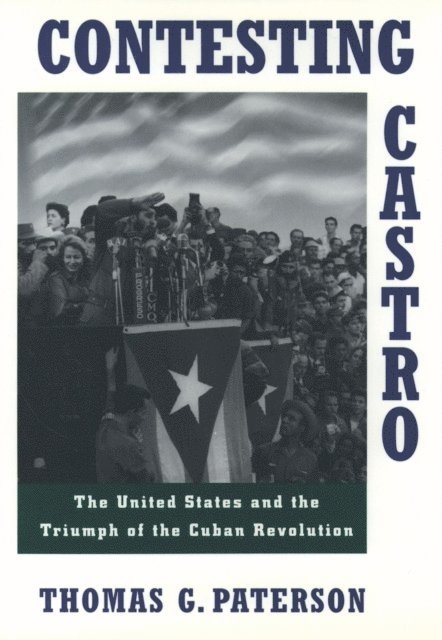
Contesting Castro
The United States and the Triumph of the Cuban Revolution
E-bok, 1995
269 kr
Lägg i varukorg
Today they stand as enemies, but in the 1950s, few countries were as closely intertwined as Cuba and the United States. Thousands of Americans (including Ernest Hemingway and Errol Flynn) lived on the island, and, in the United States, dancehalls swayed to the mambo beat. The strong-arm Batista …
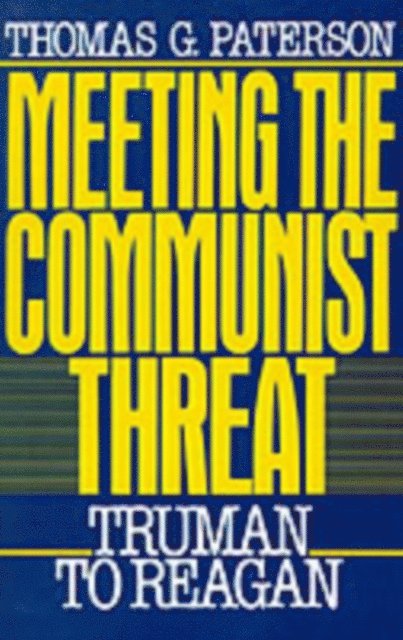
Meeting the Communist Threat
Truman to Reagan
Häftad, 1990
485 kr
Lägg i varukorg
These essays deal with some major subjects in American diplomacy since the war, including Truman's foreign policy, George F. Kennan and America's 'containment' policy, the Point Four Program and the developing world, the Eisenhower Doctrine and the Middle East, the Vietnam war, the CIA and …
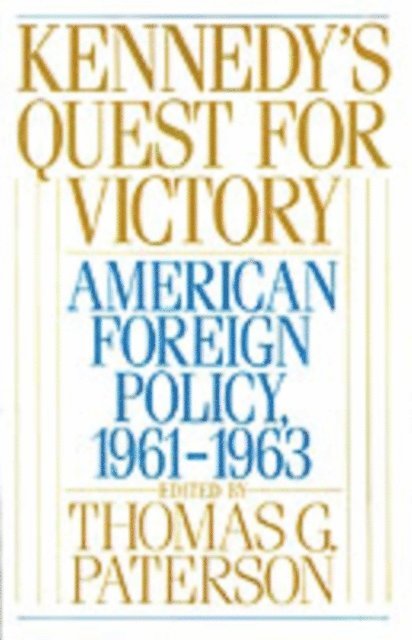
Kennedy's Quest for Victory
American Foreign Policy, 1961-1963
Häftad, 1992
438 kr
Lägg i varukorg
This book covers every aspect of Kennedy's foreign policy - Europe, Asia, Africa, Latin America, Vietnam, the Middle East, and Canada, and subjects such as the Cuban Missile Crisis, atomic policy, economic policy, and the Peace Corps.
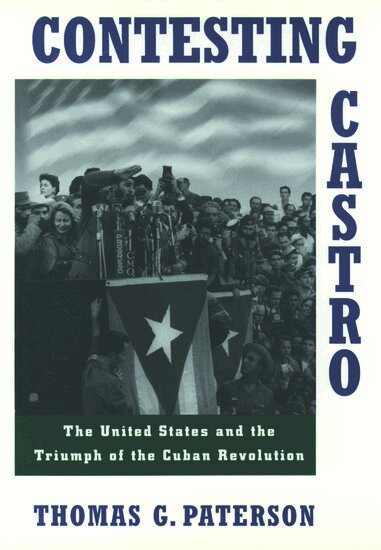
Contesting Castro
The United States and the Triumph of the Cuban Revolution
Häftad, 1995
435 kr
Lägg i varukorg
Paterson tells the fascinating story of the love-hate relationship that has grown between Cuba and the USA, from Castro's early fund-raising tours in the USA to support his revolution to Eisenhower's failed efforts to maintain support for Batista.
Meeting the Communist Threat
Truman to Reagan
E-bok, 1989
181 kr
Lägg i varukorg
This provocative volume, written by the distinguished diplomatic historian Thomas G. Paterson, explores why and how Americans have perceived and exaggerated the Communist threat in the last half century. Basing his spirited analysis on research in private papers, government archives, oral …
Kennedy's Quest for Victory
American Foreign Policy, 1961-1963
E-bok, 1989
160 kr
Lägg i varukorg
The first major reassessment of John F. Kennedy''s foreign policy since his death, this volume of original essays compels new thinking about the 1960s. Basing their analysis on extensive research in archival documents and oral histories, twelve accomplished historians explore the primary foreign …
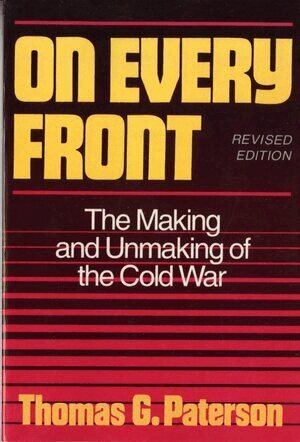
On Every Front
The Making and Unmaking of the Cold War
Häftad, 1993
212 kr
Lägg i varukorg
Opening his new book with the drama of people struggling to survive in rubble-strewn countries after the Second World War, Thomas G. Paterson follows the lng Cold War crisis through to the dismantling of the Berlin Wall and the disintegration of the Soviet Union. He examines features of the …