Thomas Matusiak – författare
Visar alla böcker från författaren Thomas Matusiak. Handla med fri frakt och snabb leverans.
3 produkter
3 produkter
Inbunden, Engelska, 2026
1 301 kr
Kommande
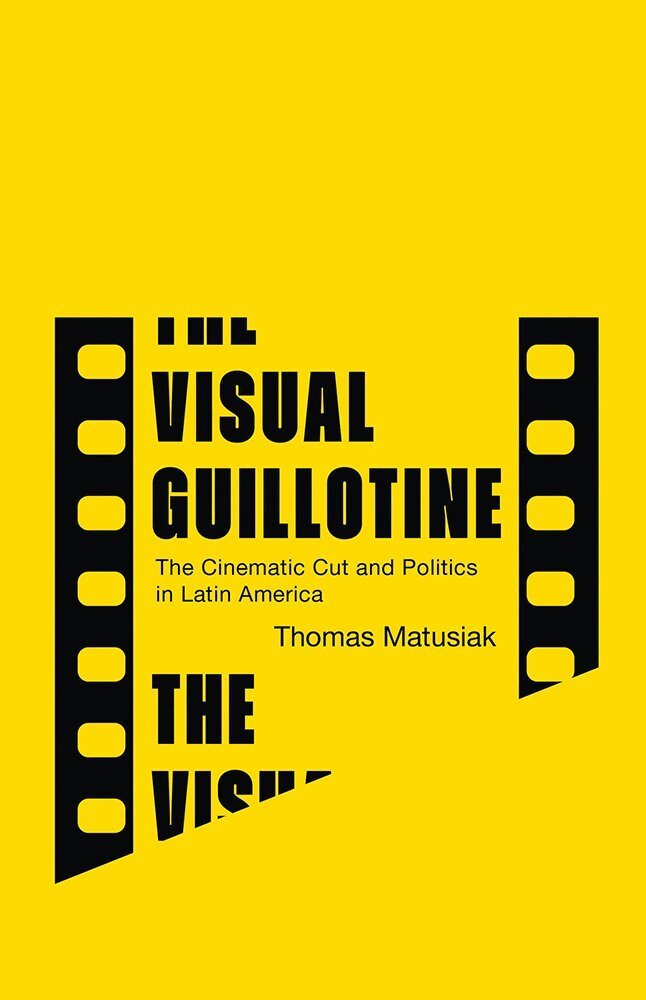
The violence of the cinematic cut in twentieth-century Latin American filmSplice, montage, close-up: by these means, modern cinema routinely presents bodies in pieces. Not unlike the guillotine itself, argues Thomas Matusiak, these techniques have served both overt and symbolic political ends as they accomplish and project the efficient production of severed bodies. In The Visual Guillotine, Matusiak traces the use of cinematic tools of dismemberment in twentieth-century Latin American film to theorize the symbolic and material violence of the cut.A robust genealogy of Latin American cinematic politics, The Visual Guillotine encompasses national filmmaking traditions; radical and reactionary political registers; and the proliferated aesthetics of narrative, documentary, experimental, and expanded cinema through an innovative critical viewing practice. From the national cinemas of the 1930s to the decapitation videos produced in the Mexican narco-conflict and beyond, Matusiak shows how the cinematic cut has been employed to inspire terror as well as invoke and critique a range of political programs.A refreshing dialogue between film theory and Latin American cultural studies, The Visual Guillotine offers a new way for film to conceptualize politics. In our present political moment, with rapidly generated and circulated visual media central to a resurgent leftist-populist battle against oligarchy and authoritarianism, this book calls for readers to reassess their viewing position when confronted with violent imagery.Retail e-book files for this title are screen-reader friendly with images accompanied by short alt text and/or extended descriptions.
Häftad, Engelska, 2026
295 kr
Kommande
The violence of the cinematic cut in twentieth-century Latin American filmSplice, montage, close-up: by these means, modern cinema routinely presents bodies in pieces. Not unlike the guillotine itself, argues Thomas Matusiak, these techniques have served both overt and symbolic political ends as they accomplish and project the efficient production of severed bodies. In The Visual Guillotine, Matusiak traces the use of cinematic tools of dismemberment in twentieth-century Latin American film to theorize the symbolic and material violence of the cut.A robust genealogy of Latin American cinematic politics, The Visual Guillotine encompasses national filmmaking traditions; radical and reactionary political registers; and the proliferated aesthetics of narrative, documentary, experimental, and expanded cinema through an innovative critical viewing practice. From the national cinemas of the 1930s to the decapitation videos produced in the Mexican narco-conflict and beyond, Matusiak shows how the cinematic cut has been employed to inspire terror as well as invoke and critique a range of political programs.A refreshing dialogue between film theory and Latin American cultural studies, The Visual Guillotine offers a new way for film to conceptualize politics. In our present political moment, with rapidly generated and circulated visual media central to a resurgent leftist-populist battle against oligarchy and authoritarianism, this book calls for readers to reassess their viewing position when confronted with violent imagery.Retail e-book files for this title are screen-reader friendly with images accompanied by short alt text and/or extended descriptions.
239 kr
Läs direkt efter köp
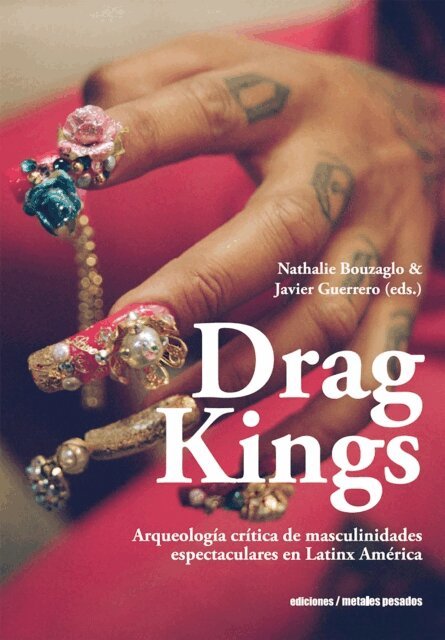
La masculinidad se fundó en la idea de que el cuerpo del hombre se correspondía con el lugar del original, era principio de la materia, constituía su primera piel. No obstante, esta no siempre fue percibida como statu quo del cuerpo. Dicha ilusión de naturaleza, la idea de que el hombre ocupa el lugar de cuerpo neutro o, incluso, la percepción de que su cuerpo es un componente implícito o del todo ausente en la idea de la masculinidad, forma parte de un grupo de operaciones performativas que ha necesitado tiempo para perpetrarse. Drag Kings: arqueología crítica de masculinidades espectaculares en Latinx América se propone discutir el porvenir del género en el espacio desigual, plural y contradictorio que hemos llamado Latinx América. Partiendo del drag king show y de lo que proponemos como masculinidad espectacular —aquella masculinidad hiperbólica que usurpa el espacio de privilegio y centralidad que se le otorga a la masculinidad del hombre—, planteamos una sistemática arqueología de la puesta en escena de las muchas masculinidades y su capacidad de generar crisis en el heterosexismo, máquina de producción de sentidos a la que se le ha encomendado la programación binaria del género.