Thomas Molony – författare
Visar alla böcker från författaren Thomas Molony. Handla med fri frakt och snabb leverans.
5 produkter
5 produkter
1 142 kr
Skickas inom 10-15 vardagar
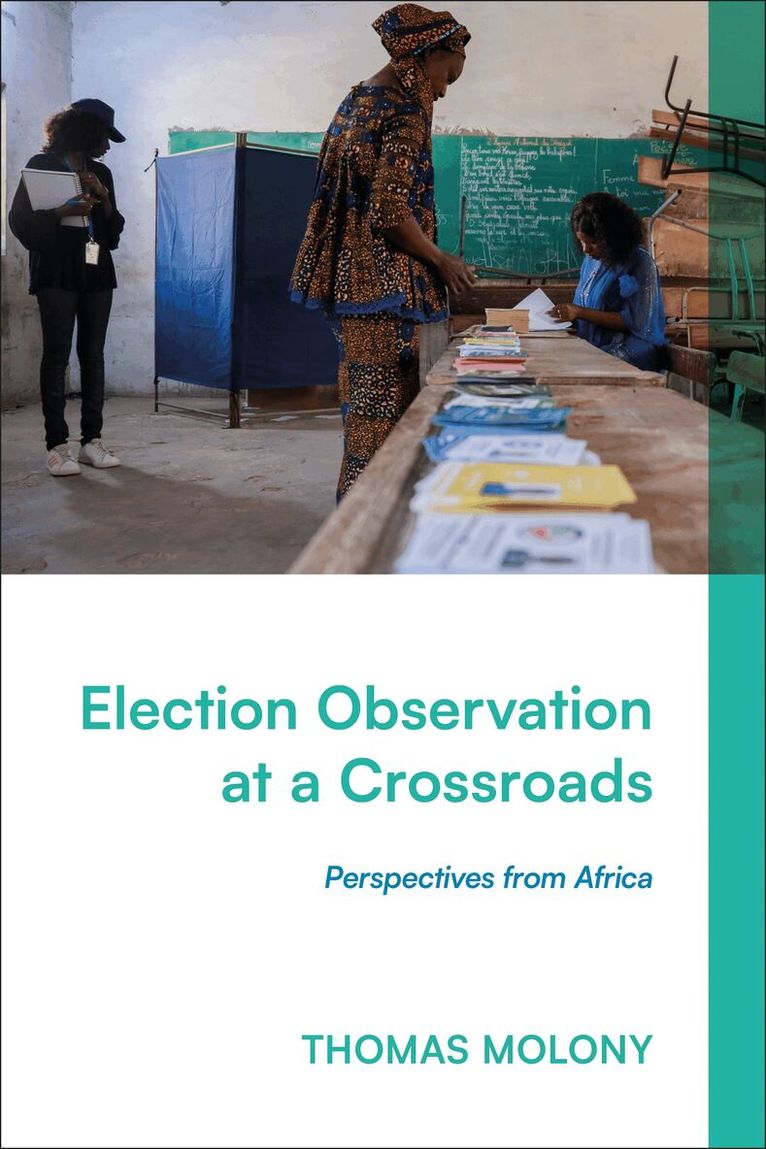
This groundbreaking collection offers the first book-length contribution to ongoing debates around how election observation can best support genuine democratic elections in Africa.In a three-part structure covering international observers, their domestic counterparts, and the consequences of observation, the chapters of Election Observation at a Crossroads draw on a range of methodologies rooted in deep, field-based research to offer detailed looks at election observation in ten African countries. All of this is articulated by predominantly African country-experts hailing from a variety of disciplinary and professional backgrounds, all of whom are gathered together by Thomas Molony, one of very few academics with extensive work experience of election observation in Africa. This variety of coverage and perspectives, combined with the book’s various methodologies, sheds new light on concerning shifts in the relationship between African organisations and their Western counterparts, on questions over the credibility and independence of citizen observation groups, and on assumptions about the influence of election observation on democracy in Africa. Cumulatively, these insights add up to important, unique contributions to ongoing debates about the neo-imperial dimensions of international election observation, not just within Africa, but also in other parts of the Global South.For its sole focus on Africa, its broad geographical coverage within Africa, and its significance for wider debates around international election observation, Election Observation at a Crossroads: Perspectives from Africa is a must-read for students, researchers, and policymakers interested in African politics and development, as well as for those interested in African studies, development, and politics and international relations more generally.
336 kr
Skickas inom 7-10 vardagar
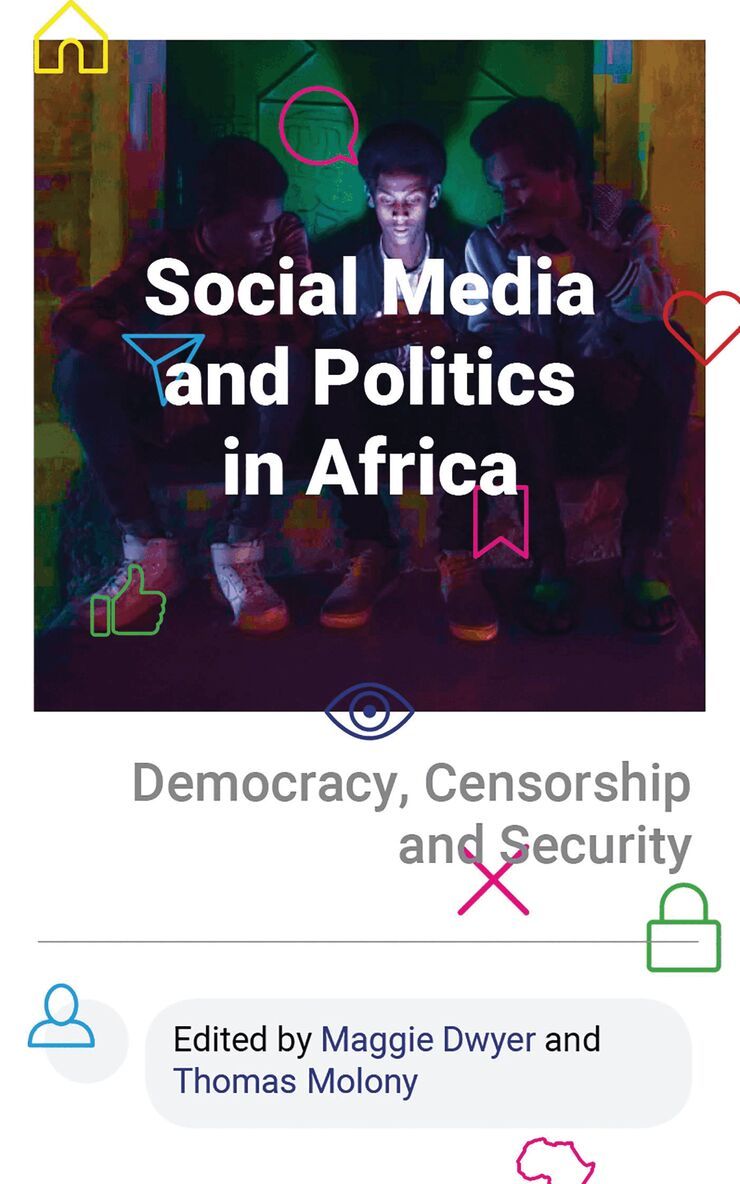
The smartphone and social media have transformed Africa, allowing people across the continent to share ideas, organise, and participate in politics like never before. While both activists and governments alike have turned to social media as a new form of political mobilization, some African states have increasingly sought to clamp down on the technology, introducing restrictive laws or shutting down networks altogether.Drawing on over a dozen new empirical case studies – from Kenya to Somalia, South Africa to Tanzania – this collection explores how rapidly growing social media use is reshaping political engagement in Africa. But while social media has often been hailed as a liberating tool, the book demonstrates how it has often served to reinforce existing power dynamics, rather than challenge them.Featuring experts from a range of disciplines from across the continent, this collection is the first comprehensive overview of social media and politics in Africa. By examining the historical, political, and social context in which these media platforms are used, the book reveals the profound effects of cyber-activism, cyber-crime, state policing and surveillance on political participation.
1 209 kr
Skickas inom 10-15 vardagar
The smartphone and social media have transformed Africa, allowing people across the continent to share ideas, organise, and participate in politics like never before. While both activists and governments alike have turned to social media as a new form of political mobilization, some African states have increasingly sought to clamp down on the technology, introducing restrictive laws or shutting down networks altogether.Drawing on over a dozen new empirical case studies – from Kenya to Somalia, South Africa to Tanzania – this collection explores how rapidly growing social media use is reshaping political engagement in Africa. But while social media has often been hailed as a liberating tool, the book demonstrates how it has often served to reinforce existing power dynamics, rather than challenge them.Featuring experts from a range of disciplines from across the continent, this collection is the first comprehensive overview of social media and politics in Africa. By examining the historical, political, and social context in which these media platforms are used, the book reveals the profound effects of cyber-activism, cyber-crime, state policing and surveillance on political participation.
696 kr
Skickas inom 7-10 vardagar
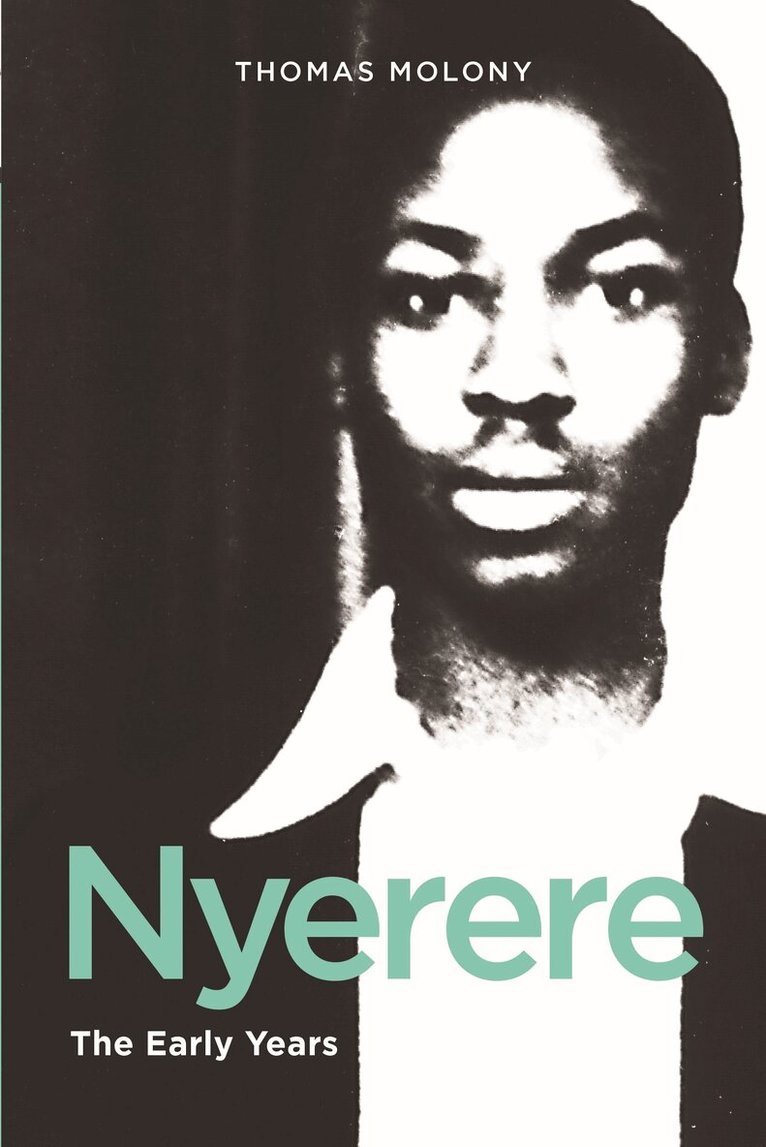
A uniquely detailed portrayal of the formative years of Tanzania's first president and the influences that led him to enter politics.Julius Kambarage Nyerere (1922-1999), the first President of Tanzania, was a man whose political life was uniquely and inextricably bound into the history of the nation he created. Yet, though 'Baba wa Taifa', Father of the Nation, there is still no adequate biography.This book presents the first truly rounded portrait of Nyerere's early life, from his birth in 1922 until his graduation from Edinburgh in 1952, helping us to see his later political achievements in a new light. It was after returning to Tanganyika that 'Mwalimu' (the teacher) formally entered politics, and led efforts to deliver Tanganyika to independence. Drawing on interviews with his contemporaries, as wellas archival sources, including his letters as a student and files that the colonial authorities kept on him, this revelatory and engaging account allows us to see Nyerere afresh. It also brings a new perspective on how the scholarship that Nyerere engaged with as a young man in Scotland influenced his ideas of the uhuru movement against colonial rule and, later, the ujamaa policy of African socialism that so defined his leadership of an independent Tanzania.Thomas Molony is Lecturer in African Studies at the University of Edinburgh.
345 kr
Skickas inom 7-10 vardagar
A uniquely detailed portrayal of the formative years of Tanzania's first president and the influences that led him to enter politics.Julius Kambarage Nyerere (1922-1999), the first President of Tanzania, was a man whose political life was uniquely and inextricably bound into the history of the nation he created. This book presents the first truly rounded portrait of Nyerere's early life, from his birth in 1922 until his graduation from Edinburgh in 1952, enabling us to see his later political achievements in a new light. It was after returning to Tanganyika that "Mwalimu" (the teacher)formally entered politics, and led efforts to deliver Tanganyika to independence. Drawing on interviews with his contemporaries and archival sources including his letters as a student and colonial authorities files on him, this biography brings a new perspective on how the scholarship that Nyerere engaged with as a young man influenced his ideas of the uhuru movement against colonial rule and, later, the ujamaa policy of African socialism that so defined his leadership of an independent Tanzania.Thomas Molony is Senior Lecturer in African Studies at the University of Edinburgh.