Thomas P. Vartanian - Böcker
Visar alla böcker från författaren Thomas P. Vartanian. Handla med fri frakt och snabb leverans.
3 produkter
3 produkter
473 kr
Skickas inom 5-8 vardagar
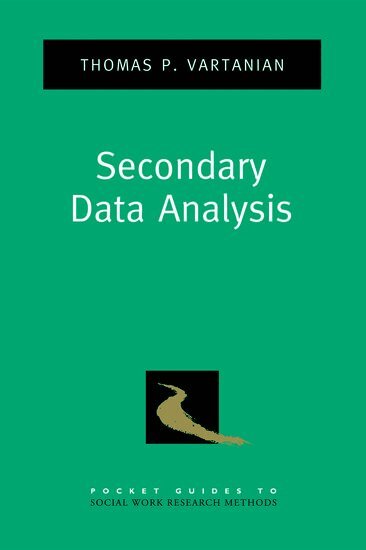
In recent decades, social work and other social science research disciplines have become increasingly reliant on large secondary data sets, which have increased in both number and accessibility. When starting a new research project, how does one determine whether to use a secondary data set? Which of the thousands available should be used? This invaluable and expertly written guide provides an in-depth introduction to 29 of the most widely used data sets in social work, such as the Early Childhood Longitudinal Study, the National Health and Nutrition Examination Survey, and the U.S. Census. This book also examines the years covered by these cross-sectional and longitudinal data sets, the units of analysis, and the sample sizes.Readers will learn where to find the data and the key variables contained within, and how to use them in SAS and Stata. Screen shots guide researchers through data sets in a step-by-step process: how to download the data, how to merge it with other data sets, and how to program it when necessary. Each section also profiles studies that have used the respective data sets, giving researchers a clear feel for the depth and range of questions that a given data source can be used to answer, like the use of government data to explore issues ranging from pathways out of poverty to the relationship between marital dissolution and women's health and well-being. Exceptionally well calibrated and filled with real-world examples, this pocket guide will give beginning and advanced researchers a comprehensive understanding of these data sets that they can use in their research on clinical, policy, and other types studies.
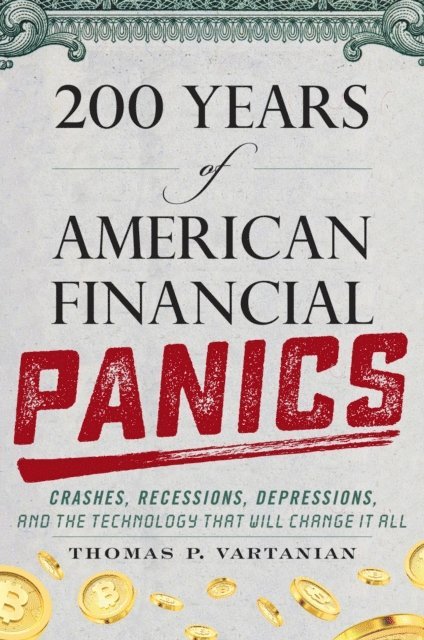
200 Years of American Financial Panics
Crashes, Recessions, Depressions, and the Technology that Will Change It All
Inbunden, Engelska, 2021
290 kr
Tillfälligt slut
This comprehensive historical account tells the story of 200 years of financial panics in America, from 1819 through to the economic hardship of 2020, showing how and why so many financial crises have occurred in the United States and offering solutions to avoiding these sorts of crises moving forward. In 200 Years of American Financial Panics, Thomas P. Vartanian examines the myriad factors that contributed to financial crises throughout American history: the imposition of tariffs and the creation of dozens of poorly regulated, uncapitalized state banks facilitated the collapse of 1819; government battling over whether gold, silver or paper money should be the preeminent method of exchange created the perfect conditions for the depression of 1893; in the 1920s, the Federal Reserve kept interest rates low to assist the central banks in England and France, allowing an overheated stock market in the United States to shift into overdrive and crash in 1929; the roots of the S&L crisis in the late ‘80s can be found in 1966, when Congress and the states imposed artificial caps on deposit and mortgage interest rates to encourage greater home ownership; in the 1990’s, the government pressured banks to offer mortgages to low and middle-income borrowers while the Fed engaged in loose monetary policies – leading to the greatest economic crisis since the Depression. This book dissects financial crises in a way not attempted before, showing that the pyramid of governmental financial oversight deployed to foster economic safety has been turned on its head in our current era, making our system of financial oversight less effective and more susceptible to financial crises. Uniquely, Vartanian also explains how the technology explosion, from artificial intelligence to cryptocurrencies, is impacting capital investment, liquidity and business psychology, making it even more critical that the formula for financial oversight in the country be renovated. In a fair-minded and nonpartisan way, Vartanian, the Executive Director of the Program on Financial Regulation & Technology at George Mason University’s Antonin Scalia Law School, presents extensive evidence of how some forms of government intervention - certainly not all - threaten market equilibrium.
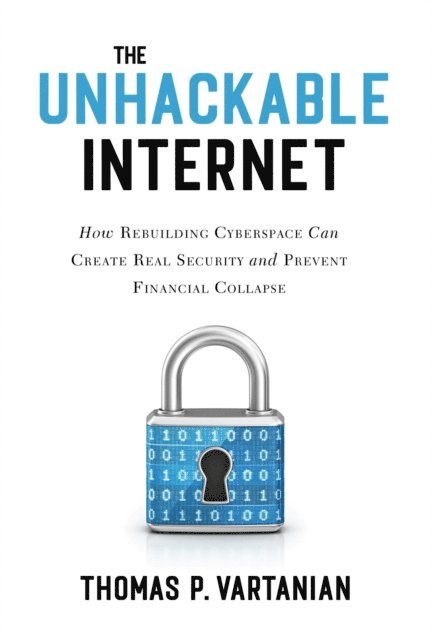
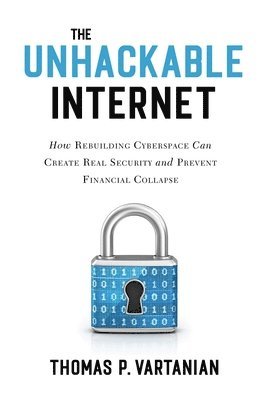
Unhackable Internet
How Rebuilding Cyberspace Can Create Real Security and Prevent Financial Collapse
Inbunden, Engelska, 2023
349 kr
Tillfälligt slut
Like most aspects of modern existence, more and more of our financial lives have migrated wholly to the digital realm. With the benefits of ease that our Internet allows us, that transition also raises numerous – and dangerous – threats to national security, our money, and the systems we use to store and transfer it. Cybersecurity is one of the most formidable challenges that the world faces today. From cyberattacks by foreign adversaries like China and Russia, the explosion of cryptocurrency, the advancement of ransomware, phishing, surveillance apps, spying software, and logic bombs, and the increasing savvy and daring shown by Internet hackers, the next financial panic is likely to be delivered to us through use or abuse of technology.In Unhackable, author and financial services and technology expert Thomas P. Vartanian exposes the vulnerabilities of the many networks that we rely on today, as well as the threats facing the integrity of our national security and financial services sector. Recent cybersecurity failures like the Solar Winds attack, which gave hackers believed to be directed by Russian intelligence unprecedented access to federal agencies and private corporations, and the breach of Equifax, which compromised the data of nearly half of all US citizens, have revealed the inadequacies of our current computing systems and the dysfunction of the bureaucracy that oversees them. Even further, attacks like these underscore the need for a centralized and empowered government administration charged with protecting our country’s data and information. Vartanian offers comprehensive solutions to the problems we face: fortifying our Internet with channels dedicated to financial transactions that use heightened authentication, governance, and enforcement; incorporating the benefits that blockchain has to offer; and investing more in the rapidly developing world of quantum computing are all necessary steps to shoring up our online security. This incisive and important book investigates the creation and history of our financial Internet, the vulnerabilities of our current data storage and sharing platforms, the pitfalls and potential that cryptocurrency holds, the promise that quantum computing and the blockchain offer, and how we can – and must – make a stronger and safer Internet.