Thomas Steinke – författare
Visar alla böcker från författaren Thomas Steinke. Handla med fri frakt och snabb leverans.
4 produkter
4 produkter
Häftad, Engelska, 2024
262 kr
Skickas
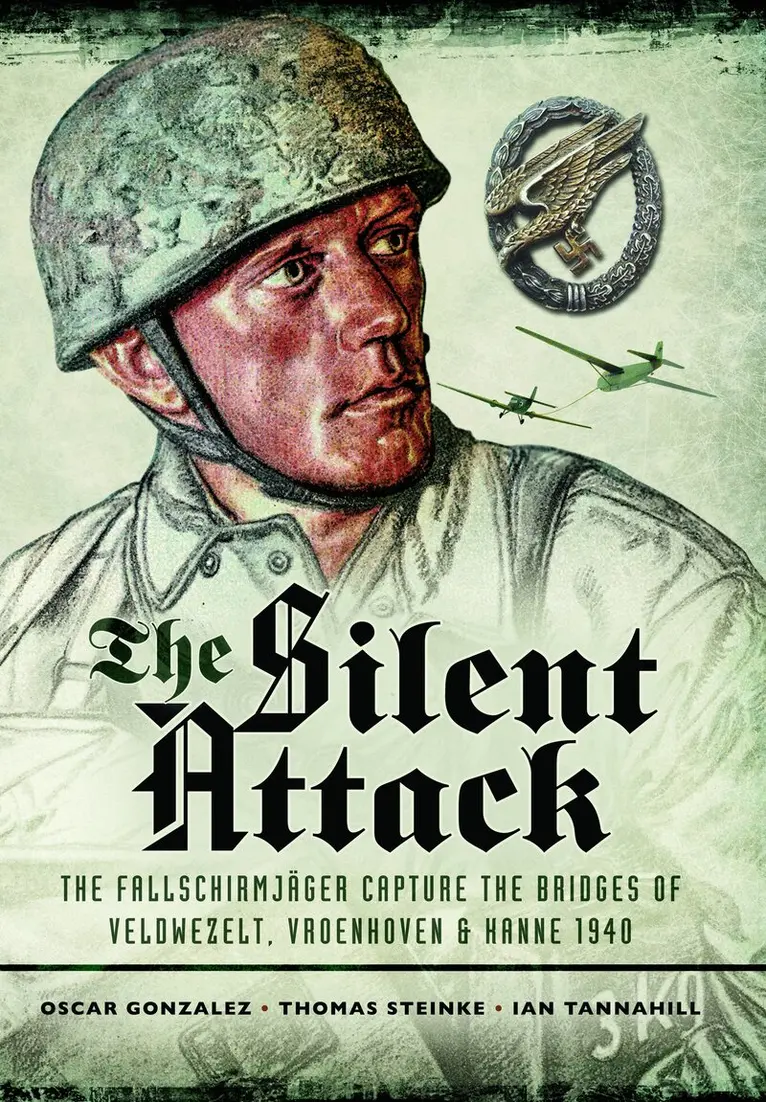
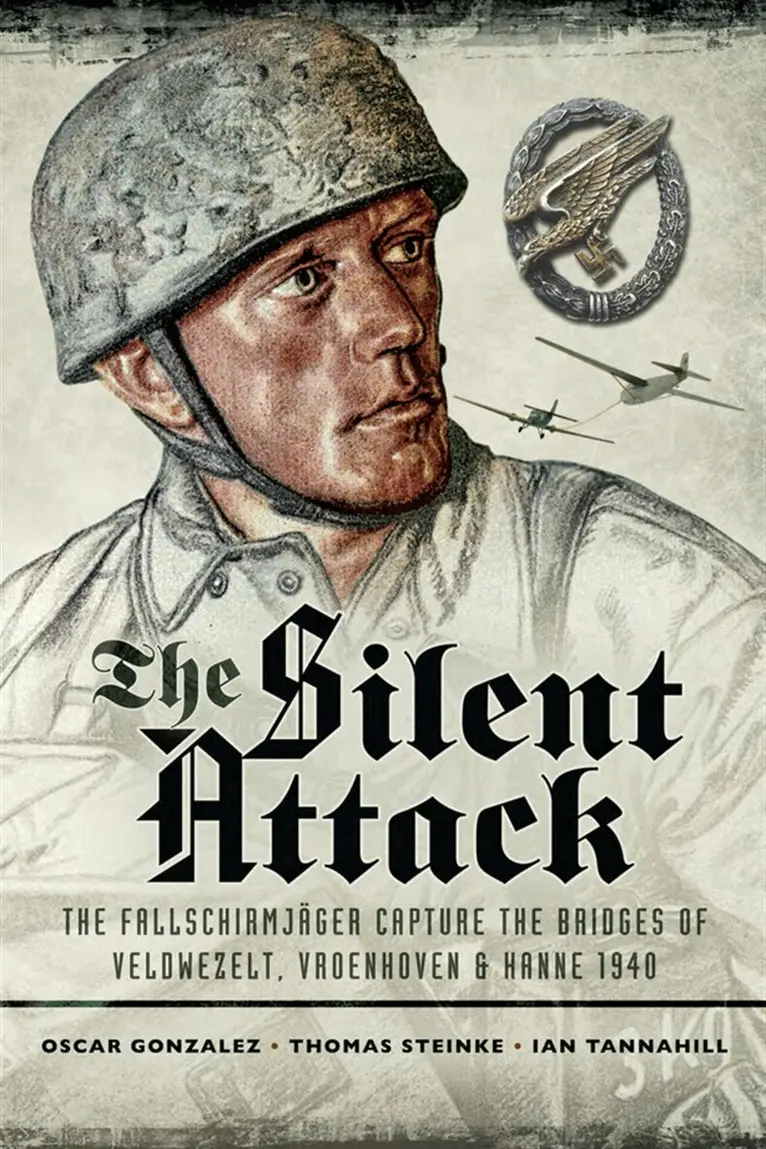
Much has been written about the capture of Fort Eben Emael Belgium by German paratroopers, on May 10, 1940. This operation marked the first use of gliders and shaped charges, while proved possible drop paratroopers behind enemy lines. The training, secret, accuracy and speed, in addition to the element of surprise, these men became lethal, causing chaos among Belgian soldiers.However, it should be stressed that these paratroopers were part of a larger group: The Sturmablteilung Koch (Koch Assault Group), the elite of the Luftwaffe in 1940, whose mission was not only to take Eben Emael, but also the three bridges over the Alberto canal near: Veldwezelt, Vroenhoven and Kanne. The success of the attack on Belgium and France would depend on the rapid conquest of those bridges.The aim of this book is to show how it was planned and carried out the assault on the Albert Canal bridges. All this not only through a supported text documents, records and evidence, but also by many photos never published until now. Every detail, from the creation of the Koch Assault Group, until the final attack, has been closely scrutinized by reference to the best sources, as well as testimonies of Belgian and German soldiers.About the authors: scar Gonzlez Lpez has a degree in Philosophy and teaches History and Philosophy. As a military historian his research has focused on the Fallschirmjger as well as the Spanish volunteers in the German Army during the Second World War, through close contact with many former veterans. Amongst other books, he has published Fallschirmjger at the Gran Sasso and German Paratroops in Scandinavia. He lives in Spain.Thomas Steinke studied at the Otto-von-Guericke University in Magdeburg, Germany. He takes part in the 'Volksbund Dr. Kriegsgrberfrsorge', being involved in the search and care of German War graves of the Second World War, as well as in educational activities whose main goal is to improve the mutual and peaceful understanding amongst the European people. The focus of his studies has long been German paratroopers, in particular the members of the Sturmabteilung Koch and the LL-Sturmregiment.Ian Tannahill holds a Bachelor of Engineering degree from the University of Queensland, Australia, and is a registered patent and trade mark attorney. His interest in the Fallschirmjger was sparked by an article he read as a teenager on the fall of the fortress of Eben Emael. His contact with former German paratroopers ignited a desire within Ian to tell the world about the capture of the Albert Kanal bridges by the Fallschirmjger and glider pilots of Sturmabteilung Koch.
E-bok
Engelska, 2021123 kr
Läs direkt efter köp
Much has been written about the capture of Fort Eben Emael Belgium by German paratroopers, on May 10, 1940. This operation marked the first use of gliders and shaped charges, while proved possible drop paratroopers behind enemy lines. The training, secret, accuracy and speed, in addition to the element of surprise, these men became lethal, causing chaos among Belgian soldiers.
However, it should be stressed that these paratroopers were part of a larger group: The Sturmablteilung Koch (Koch Assault Group), the elite of the Luftwaffe in 1940, whose mission was not only to take Eben Emael, but also the three bridges over the Alberto canal near: Veldwezelt, Vroenhoven and Kanne. The success of the attack on Belgium and France would depend on the rapid conquest of those bridges.
The aim of this book is to show how it was planned and carried out the assault on the Albert Canal bridges. All this not only through a supported text documents, records and evidence, but also by many photos never published until now. Every detail, from the creation of the Koch Assault Group, until the final attack, has been closely scrutinized by reference to the best sources, as well as testimonies of Belgian and German soldiers.
About the authors: Óscar González López has a degree in Philosophy and teaches History and Philosophy. As a military historian his research has focused on the Fallschirmjäger as well as the Spanish volunteers in the German Army during the Second World War, through close contact with many former veterans. Amongst other books, he has published Fallschirmjäger at the Gran Sasso and German Paratroops in Scandinavia. He lives in Spain.
Thomas Steinke studied at the Otto-von-Guericke University in Magdeburg, Germany. He takes part in the 'Volksbund Dr. Kriegsgräberfürsorge', being involved in the search and care of German War graves of the Second World War, as well as in educational activities whose main goal is to improve the mutual and peaceful understanding amongst the European people. The focus of his studies has long been German paratroopers, in particular the members of the Sturmabteilung Koch and the LL-Sturmregiment.
Ian Tannahill holds a Bachelor of Engineering degree from the University of Queensland, Australia, and is a registered patent and trade mark attorney. His interest in the Fallschirmjäger was sparked by an article he read as a teenager on the fall of the fortress of Eben Emael. His contact with former German paratroopers ignited a desire within Ian to tell the world about the capture of the Albert Kanal bridges by the Fallschirmjäger and glider pilots of Sturmabteilung Koch.
StolperstAine im Arbeitsleben
Spürbar mehr Erfolg - durch achtsame Kommunikation zwischen Frau - Mann
Häftad, Tyska, 2016
294 kr
Skickas inom 5-8 vardagar
E-bok
Tyska, 2013118 kr
Läs direkt efter köp
Bronski hat die elfenhafte Marie bei einer Ausstellungseröffnung erspäht. Eine Bildhauerin, die zupackende Squaw, soll ihm bei der Eroberung der Kindfrau helfen. Bronski begleitet seine Frau, die ein musisches Gymnasium in einem der Neubaugebiete am Rande der Stadt leitet, nur zu solchen Veranstaltungen, um Frauen zu jagen. Die Gattinnen der Maler sind zumeist einsam, ihre malenden Männer trinken oder betrügen sie, da hat Bronski leichtes Spiel. Bronski gibt sich gern als Zyniker und die Frauen verfallen gern dieser Masche. Auf die Verführung folgt eine heftige kurze Berauschtheit, bei der Bronski sich das Hirn herausvögelt, um dann rechtzeitig Schluss zu machen, bevor die Sache Ausmaße annimmt. So erträgt Bronski seit nunmehr dreiundzwanzig Jahren seine Ehe und das Leben überhaupt. Aber dann gerät Bronski, dem Flaneur zwischen den Schößen, sein Leben aus der Bahn. In seinem Beruf macht er ungewollt Karriere, seine Frau trennt sich von ihm und die Squaw rettet ihm das Leben. Und am Ende denkt die Squaw, es wäre doch schade, Bronski jetzt zu verlieren. Sie hat schließlich viel Arbeit in ihn investiert. Da will sie auch mit ihm alt werden. Tapfer hat sich Bronski durch ihre sieben Prüfungen gequält. Er hat sich mit ihrer Hilfe halbwegs von der Gier, von der Hörigkeit, von der Eifersucht, von der Lüge, von der Angst, vom Hochmut und von der Gleichgültigkeit befreit. Kurz, dieser Bronski ist auf dem Weg vom Mann zum Menschen ganz gut vorangekommen. Jetzt muss sie ihn nur noch von der Macht heilen, dann ist alles halbwegs gut. "Dieser Mann, so wie er da oben am Klinikfenster herumschlurft, ist ihr Werk. Da ist sie stolz drauf. Und als er endlich in ihre Richtung schaut, winkt sie deshalb fröhlich. Und an der Art, wie er zunächst ungläubig, und dann aber ausgelassen, zurückwinkt, erkennt sie, dass Frau, wenn sie nur hartnäckig genug ist, doch den einen oder anderen Erfolg erzielen kann. Glück ist machbar, aber es ist anstrengend."