Thorsten Staake - Böcker
Visar alla böcker från författaren Thorsten Staake. Handla med fri frakt och snabb leverans.
3 produkter
3 produkter
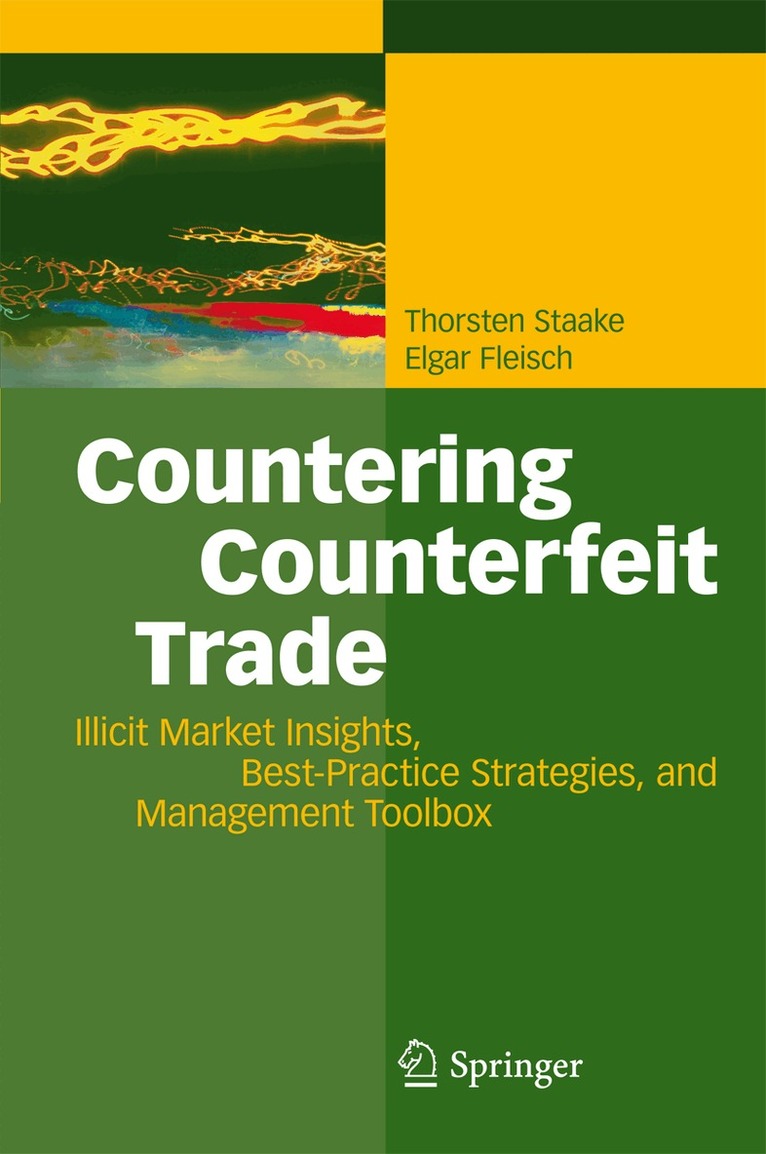
Countering Counterfeit Trade
Illicit Market Insights, Best-Practice Strategies, and Management Toolbox
Inbunden, Engelska, 2008
552 kr
Skickas inom 10-15 vardagar
Trade in counterfeit goods has developed into a substantial threat to many industries. The problem is no longer confined to prestigious, easy-to-manufacture products which consumers all too often knowingly purchase as cheap imitations. Today counterfeiting affects pharmaceuticals, mechanical spare parts, fast-moving consumer goods and electronic components as well as fashion accessories, clo- ing, cigarettes, and digital media. Even within the different product categories counterfeit supply is extremely diverse. While some goods pose a severe risk to the health and safety of consumers, others have a decent level of quality and s- isfy the needs of most of their users; manufacturing sites exist where people work under almost inhuman conditions whereas other facilities resemble modern, highly automated plants; and counterfeit producers may act like small-time criminals, but may also manage their businesses like multinational companies. On the dema- side consumers sometimes invest considerable effort in searching for low-cost imitations or may become actively engaged in a company’s anti-counterfeiting program. The implications for brand owners are as manifold as the market itself. Effects include losses of revenue due to substitution and constraints to product pricing, erosion of brand value when corresponding goods appear to become less exclusive or of lower quality, liability claims and product recalls if substandard imitations end up in products or on the shelves of licit companies, and increased competition resulting from learning effects among illicit actors who may eventually turn into licit manufacturers.
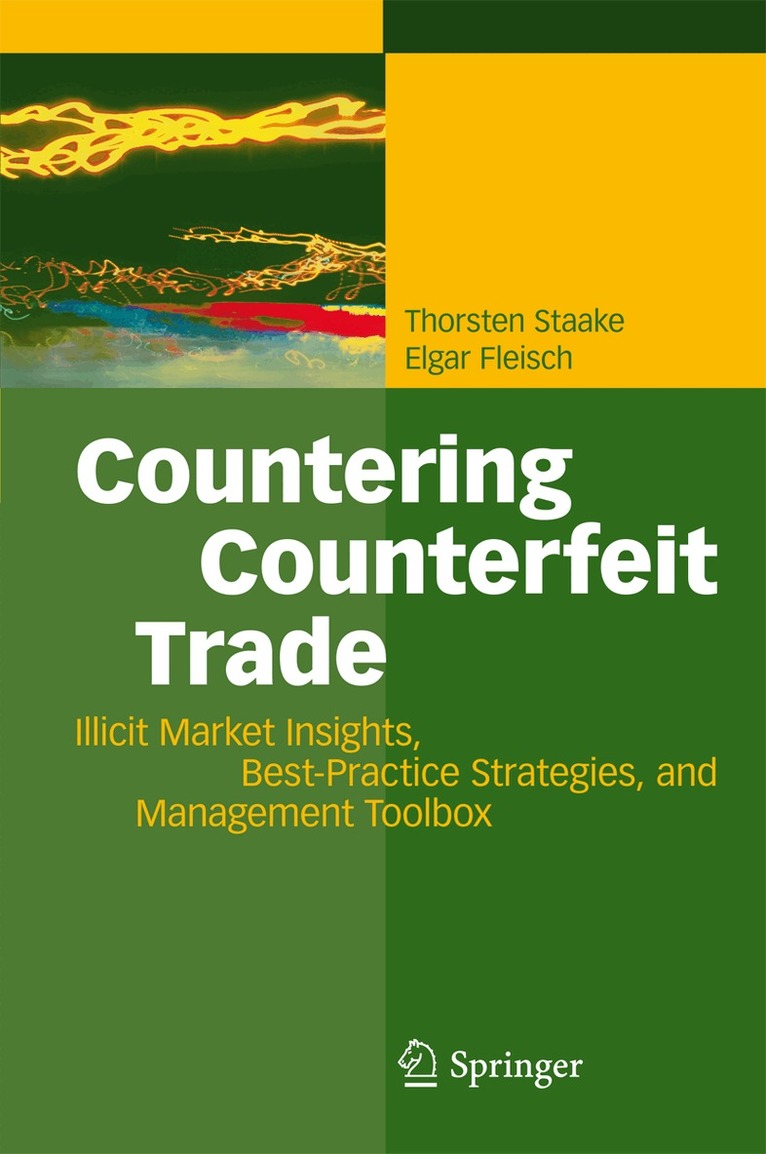
Countering Counterfeit Trade
Illicit Market Insights, Best-Practice Strategies, and Management Toolbox
Häftad, Engelska, 2010
536 kr
Skickas inom 10-15 vardagar
Trade in counterfeit goods has developed into a substantial threat to many industries. The problem is no longer confined to prestigious, easy-to-manufacture products which consumers all too often knowingly purchase as cheap imitations. Today counterfeiting affects pharmaceuticals, mechanical spare parts, fast-moving consumer goods and electronic components as well as fashion accessories, clo- ing, cigarettes, and digital media. Even within the different product categories counterfeit supply is extremely diverse. While some goods pose a severe risk to the health and safety of consumers, others have a decent level of quality and s- isfy the needs of most of their users; manufacturing sites exist where people work under almost inhuman conditions whereas other facilities resemble modern, highly automated plants; and counterfeit producers may act like small-time criminals, but may also manage their businesses like multinational companies. On the dema- side consumers sometimes invest considerable effort in searching for low-cost imitations or may become actively engaged in a company’s anti-counterfeiting program. The implications for brand owners are as manifold as the market itself. Effects include losses of revenue due to substitution and constraints to product pricing, erosion of brand value when corresponding goods appear to become less exclusive or of lower quality, liability claims and product recalls if substandard imitations end up in products or on the shelves of licit companies, and increased competition resulting from learning effects among illicit actors who may eventually turn into licit manufacturers.
430 kr
Skickas inom 10-15 vardagar
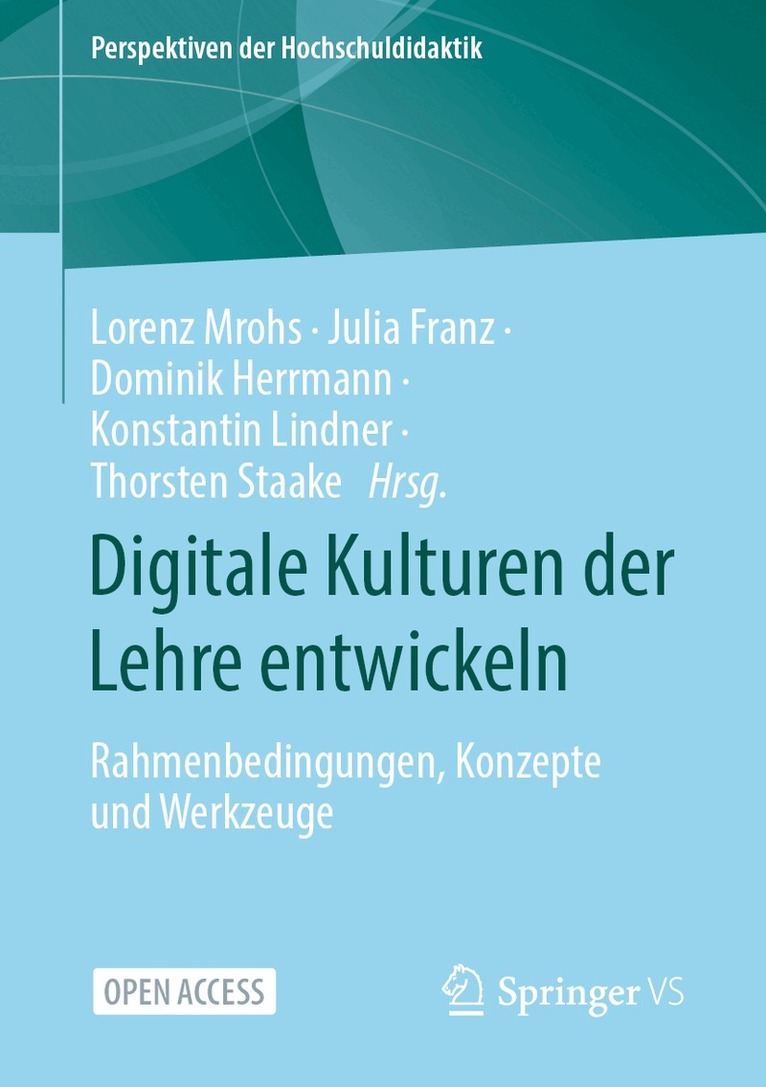
Die Digitalisierung sowie der damit einhergehende Wandel von Gesellschaft und Arbeitsleben verändern die Anforderungen an Hochschulen, Lehrende und Studierende. Dabei entsteht eine neue Kultur digitaler Lehre mit großen Chancen und Herausforderungen für alle Akteursgruppen.Die Beiträge des vorliegenden Open-Access-Sammelbandes beleuchten die Entstehung digitaler Kulturen in der Hochschullehre und stellen neue Konzepte, Gestaltungsmöglichkeiten sowie Evaluationsergebnisse digitaler Lehr-Lern-Wege vor. Vor diesem Hintergrund werden in den Ausführungen auch digitale Werkzeuge und deren Anwendung sowie Weiterentwicklung in den Blick genommen – sowohl für reine Online-Formate als auch für Mischformen aus digitalen und klassischen Lehransätzen.