Tim Harford – författare
Visar alla böcker från författaren Tim Harford. Handla med fri frakt och snabb leverans.
30 produkter
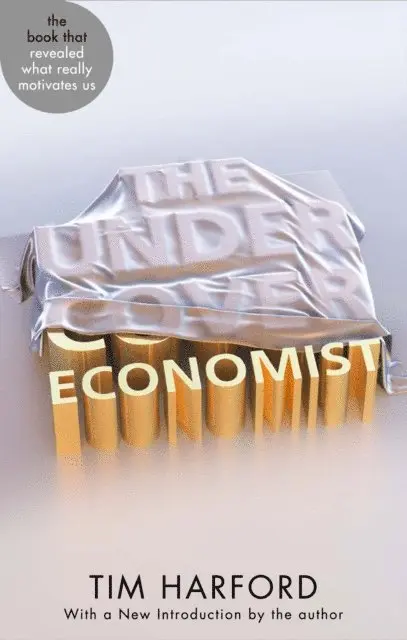
Undercover Economist
Av Tim Harford
Häftad, 2007
4,0 utav 5 stjärnor. Totalt antal röster: (4)
172 kr
Lägg i varukorg
Who makes most money from the demand for cappuccinos early in the morning at Waterloo Station? Why is it impossible to get a foot on the property ladder? How does the Mafia make money from laundries when street gangs pushing drugs don't? Who really benefits from immigration? How can China, in just …
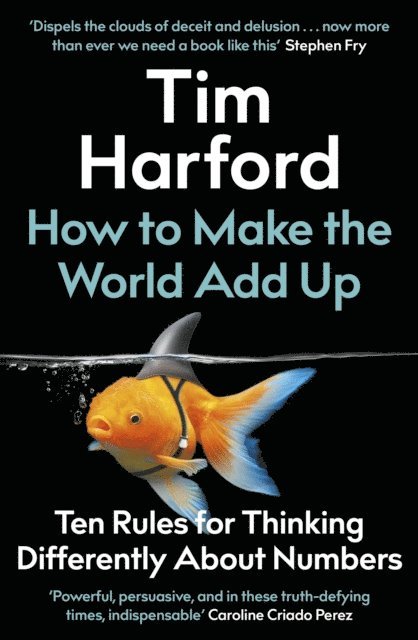
How to Make the World Add Up
Ten Rules for Thinking Differently About Numbers
Av Tim Harford
Häftad, 2021
146 kr
Lägg i varukorg
The Sunday Times Bestseller'Tim Harford is one of my favourite writers in the world. His storytelling is gripping but never overdone, his intellectual honesty is rare and inspiring, and his ability to make complex things simple - but not simplistic - is exceptional. How to Make the World Add Up is …
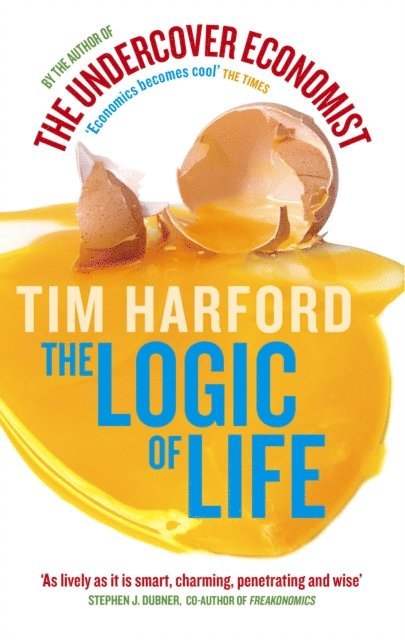
Logic Of Life
Uncovering the New Economics of Everything
Av Tim Harford
Häftad, 2009
151 kr
Lägg i varukorg
Truly eye-opening . . . There is almost no situation that Harford cannot dissect with his sharp economist's tools . . . economics has never been this cool' NEW STATESMANIf humans are so clever, why do we smoke and gamble, or take drugs, or fall in love? Is this really rational behaviour? And how …
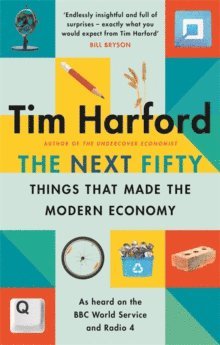
Next Fifty Things that Made the Modern Economy
Av Tim Harford
E-bok, 2020
45 kr
Lägg i varukorg
''Endlessly insightful and full of surprises - exactly what you would expect from Tim Harford'' BILL BRYSON ''Entertaining . . . A lively introduction to some of the most ingenious, yet often overlooked inventions that have changed the way we live'' The Times ''Every Tim Harford book is cause for …
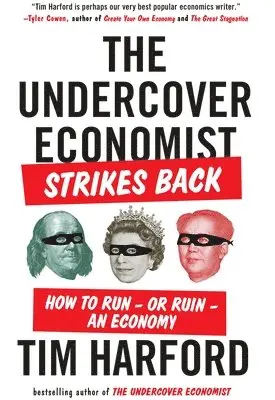
The Undercover Economist Strikes Back: How to Run--or Ruin--an Economy
Av Tim Harford
Häftad, 2015
335 kr
Lägg i varukorg
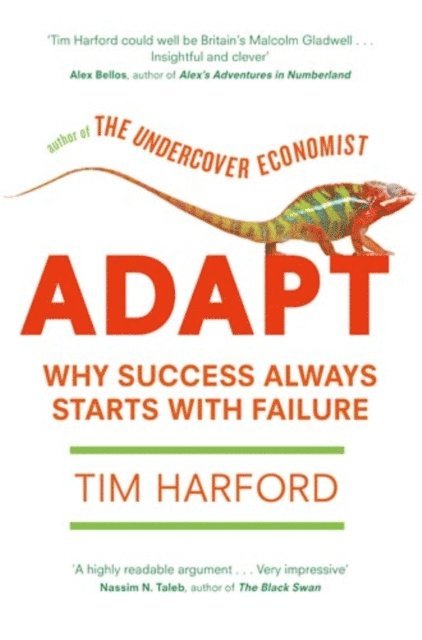
Adapt
Why Success Always Starts with Failure
Av Tim Harford
Häftad, 2012
156 kr
Lägg i varukorg
Everything we know about solving the world's problems is wrong. Out: Plans, experts and above all, leaders. In: Adapting - improvise rather than plan; fail, learn, and try againIn this groundbreaking new book, Tim Harford shows how the world's most complex and important problems - including …
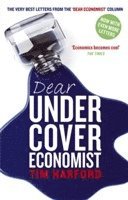
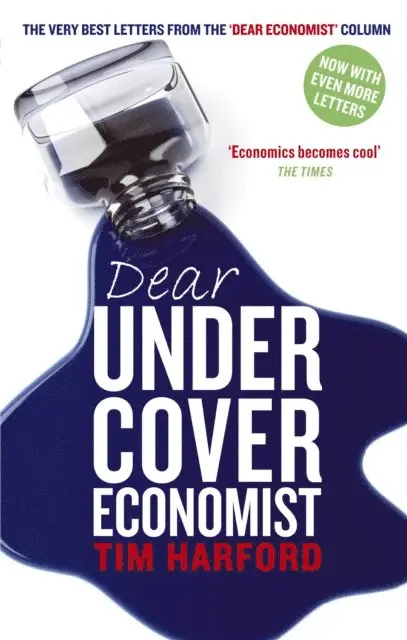
Dear Undercover Economist
The very best letters from the Dear Economist column
Av Tim Harford
Häftad, 2010
146 kr
Lägg i varukorg
Are there tangible benefits in flossing? Is it wrong to fake orgasms? What does the perfect online dating ad look like? Should we bother doing the ironing? Is it really impossible to buy the perfect Christmas gift? (Other than this book, of course.)Economists might not be the first people you would …
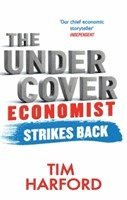
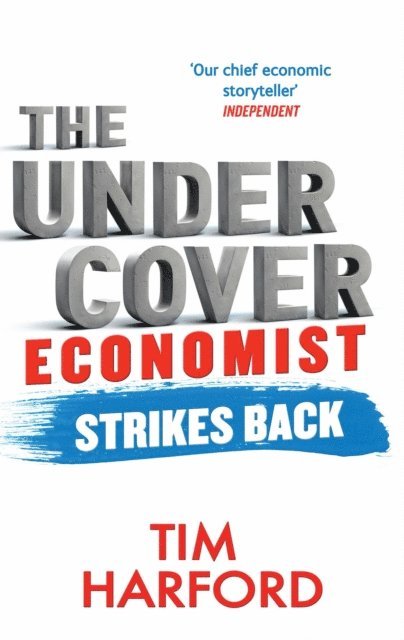
Undercover Economist Strikes Back
How to Run or Ruin an Economy
Av Tim Harford
Häftad, 2014
5,0 utav 5 stjärnor. Totalt antal röster: (2)
151 kr
Lägg i varukorg
A million readers bought The Undercover Economist to get the lowdown on how economics works on a small scale, in our everyday lives. Since then, economics has become big news. Crises, austerity, riots, bonuses - all are in the headlines all the time. But how does this large-scale economic world …
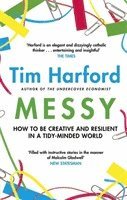
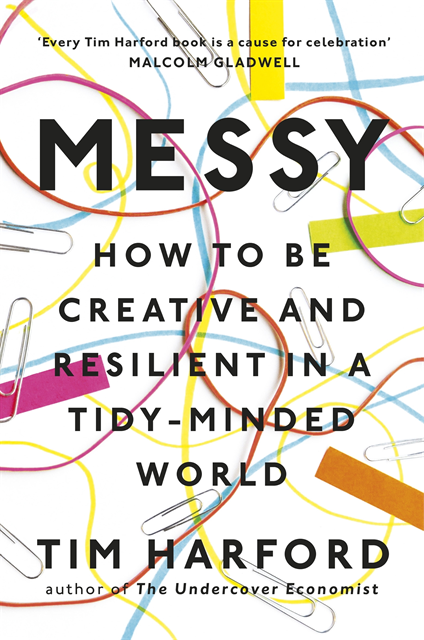
Messy
How to Be Creative and Resilient in a Tidy-Minded World
Av Tim Harford
Häftad, 2018
142 kr
Lägg i varukorg
'Ranging expertly across business, politics and the arts, Tim Harford makes a compelling case for the creative benefits of disorganization, improvisation and confusion. His liberating message: you'll be more successful if you stop struggling so hard to plan or control your success. Messy is a …
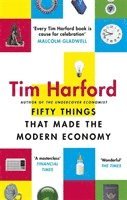
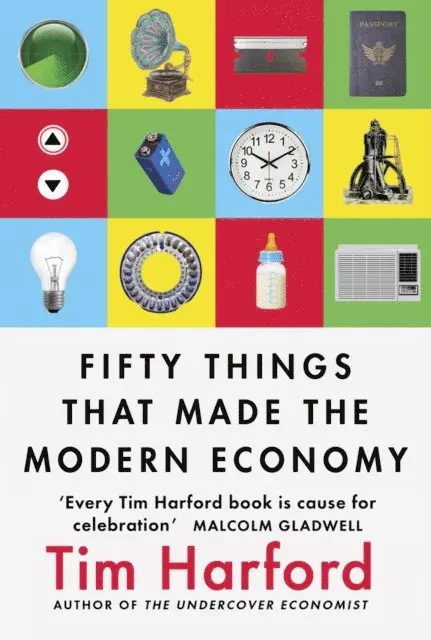
Fifty Things that Made the Modern Economy
Av Tim Harford
Häftad, 2018
151 kr
Lägg i varukorg
Based on the series produced for the BBC World ServiceWho thought up paper money? How did the contraceptive pill change the face of the legal profession? Why was the horse collar as important for human progress as the steam engine? How did the humble spreadsheet turn the world of finance …
Next Fifty Things that Made the Modern Economy
Av Tim Harford
Häftad, 2021
146 kr
Lägg i varukorg
'Endlessly insightful and full of surprises - exactly what you would expect from Tim Harford' BILL BRYSON'Entertaining . . . A lively introduction to some of the most ingenious, yet often overlooked inventions that have changed the way we live' The Times'Every Tim Harford book is cause for …
Dear Undercover Economist
The very best letters from the Dear Economist column
Av Tim Harford
E-bok, 2009
45 kr
Lägg i varukorg
Are there tangible benefits in flossing? Is it wrong to fake orgasms? What does the perfect online dating ad look like? Should we bother doing the ironing? Is it really impossible to buy the perfect Christmas gift? (Other than this book, of course.) Economists might not be the first people you …
Adapt
Why Success Always Starts with Failure
Av Tim Harford
E-bok, 2011
91 kr
Lägg i varukorg
Everything we know about solving the world''s problems is wrong. Out: Plans, experts and above all, leaders. In: Adapting - improvise rather than plan; fail, learn, and try again In this groundbreaking new book, Tim Harford shows how the world''s most complex and important problems - including …
Logic Of Life
Uncovering the New Economics of Everything
Av Tim Harford
E-bok, 2010
91 kr
Lägg i varukorg
Truly eye-opening . . . There is almost no situation that Harford cannot dissect with his sharp economist''s tools . . . economics has never been this cool'' NEW STATESMAN If humans are so clever, why do we smoke and gamble, or take drugs, or fall in love? Is this really rational behaviour? And how …
Undercover Economist
Av Tim Harford
E-bok, 2010
62 kr
Lägg i varukorg
Who makes most money from the demand for cappuccinos early in the morning at Waterloo Station? Why is it impossible to get a foot on the property ladder? How does the Mafia make money from laundries when street gangs pushing drugs don''t? Who really benefits from immigration? How can China, in just …
Measure of Everything
Av Tim Harford
Inbunden, 2027
280 kr
Kommande
The Measure of Everything is the epic story of how data created the modern world — and why our future depends on learning to use it wisely.For thousands of years, humanity’s greatest breakthroughs have begun with a deceptively simple act: counting. Counting harvests and armies. Births and deaths. …
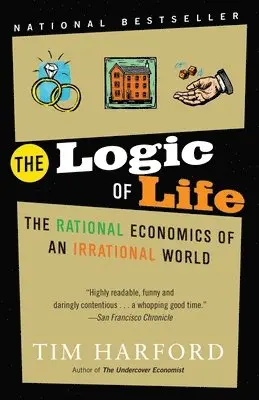
The Logic of Life: The Rational Economics of an Irrational World
Av Tim Harford
Häftad, 2009
255 kr
Lägg i varukorg
Undercover Economist Strikes Back
How to Run or Ruin an Economy
Av Tim Harford
E-bok, 2013
45 kr
Lägg i varukorg
A million readers bought The Undercover Economist to get the lowdown on how economics works on a small scale, in our everyday lives. Since then, economics has become big news. Crises, austerity, riots, bonuses - all are in the headlines all the time. But how does this large-scale economic world …
Messy
How to Be Creative and Resilient in a Tidy-Minded World
Av Tim Harford
E-bok, 2016
38 kr
Lägg i varukorg
''Ranging expertly across business, politics and the arts, Tim Harford makes a compelling case for the creative benefits of disorganization, improvisation and confusion. His liberating message: you''ll be more successful if you stop struggling so hard to plan or control your success. Messy is a …
Fifty Things that Made the Modern Economy
Av Tim Harford
E-bok, 2017
45 kr
Lägg i varukorg
Based on the series produced for the BBC World Service Who thought up paper money? How did the contraceptive pill change the face of the legal profession? Why was the horse collar as important for human progress as the steam engine? How did the humble spreadsheet turn the world of finance …
How to Make the World Add Up
Ten Rules for Thinking Differently About Numbers
Av Tim Harford
E-bok, 2020
5,0 utav 5 stjärnor. Totalt antal röster: (1)
68 kr
Lägg i varukorg
The Sunday Times Bestseller ''Tim Harford is one of my favourite writers in the world. His storytelling is gripping but never overdone, his intellectual honesty is rare and inspiring, and his ability to make complex things simple - but not simplistic - is exceptional. How to Make the World Add Up …
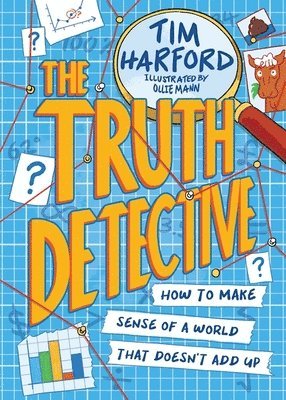
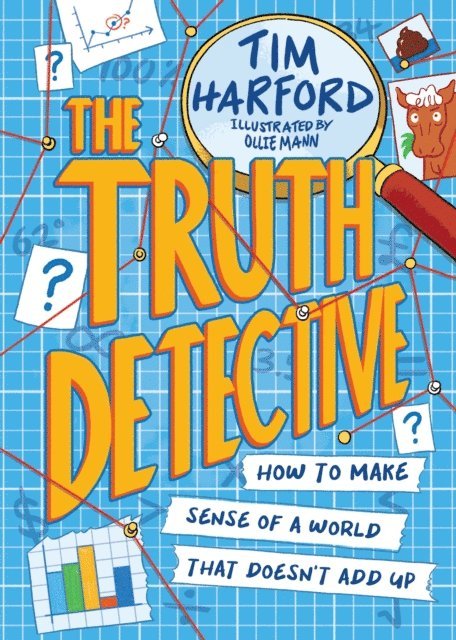
Truth Detective
How to make sense of a world that doesn't add up
Av Tim Harford
Häftad, 2023
127 kr
Lägg i varukorg
***'A book that all children should read' - Matthew Syed***-> Did you know that a toy spaceship can teach you about inflation?-> Or that a pooping cow can show you how to invest your pocket money?-> And that even the greatest detectives have been fooled by fake news and dancing fairies?The world is …
Truth Detective
How to make sense of a world that doesn''t add up
Av Tim Harford
E-bok, 2023
33 kr
Lägg i varukorg
***''A book that all children should read '' - Matthew Syed*** -> Did you know that a toy spaceship can teach you about inflation ? -> Or that a pooping cow can show you how to invest your pocket money ? -> And that even the greatest detectives have been fooled by fake news and dancing fairies? The …
Simon Evans Goes to Market: The Complete Series 1-5
A BBC Radio 4 Comedy and Economics Show
Ljudbok, 2020
171 kr
Lägg i varukorg
All five series of Simon Evans’ BBC Radio 4 show explaining economics through comedy How do you make money funny? How do you put the comedy in commodity? In this BBC radio show, Simon Evans sets himself the challenge of making economics entertaining through comedic lectures, with the help of …
Fifty Things That Made the Modern Economy
Av Tim Harford
E-bok, 2019
68 kr
Lägg i varukorg
NAMED A BEST BOOK OF 2017 by BLOOMBERG BUSINESSWEEK, THE FINANCIAL TIMES, AND AMAZONA lively history seen through the fifty inventions that shaped it most profoundly, by the bestselling author of The Undercover Economist and Messy. Who thought up paper money? What was the secret element that made …
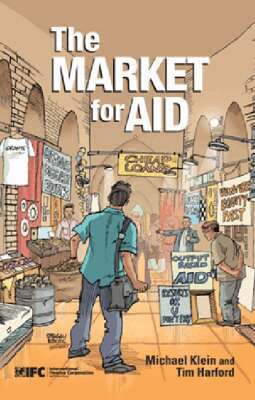
Market for Aid
Av Michael U. Klein, Tim Harford
Häftad, 2005
203 kr
Tillfälligt slut
This timely volume offers - in an accessible and engaging style - digestible surveys on some of the hottest topics in the aid industry today, Klein and Harford examine the supply of aid and the demand for loans, the ""grants versus loans"" debate, debt restructuring in developing countries, aid …